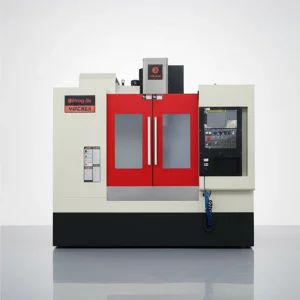
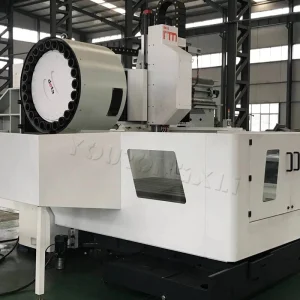
Engineered for absolute accuracy, maximum performance, and compatibility across global machining setups, tailored to support marine repairs and metal fabrication operations in Port Vila and Luganville.
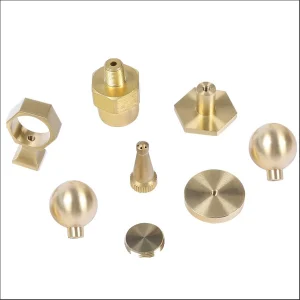
Analyzing macroeconomic infrastructure challenges, maritime environment factors, and localized manufacturing demands in the southwestern Pacific.
Vanuatu, an archipelago nation situated in the South Pacific, is experiencing steady infrastructural development and diversification across its maritime, agricultural processing, and light engineering sectors. Industrial centers around Port Vila (Efate) and Luganville (Espiritu Santo) are increasingly adopting modern repair, manufacturing, and fabrication methodologies. However, sourcing durable tool components that can withstand both the high mechanical stress of metal processing and the extreme atmospheric challenges of the tropical marine climate remains a critical constraint for local engineering firms.
With infrastructure investments targeting bridge construction, wharf expansions, and municipal water pipeline rehabilitation, the demand for precision machining and heavy-duty drilling is on the rise. Maintenance crews operating in public utility sectors, shipyards, and municipal works require drilling tools that provide predictive wear behavior to prevent tool breakage. A broken drill bit inside a large, high-value component can lead to days of downtime, especially given the weeks-long logistics lag to secure replacement tooling in remote locations. Dongguan Carto Tool Co., Ltd. addresses this reliability gap by offering structural predictability in every drill, mill, and lathe insert we ship to the region.
Ship maintenance and slipways in Luganville demand heavy-gauge plate drilling, marine grade bronze machining, and stainless-steel fastener fabrication. These alloys exhibit high work-hardening characteristics. Operating on these materials requires structural tool geometries with optimized rake angles and robust carbide substrates. Our custom-designed carbide drill bits deliver consistent chip evacuation, preventing chip-packing, which is the primary cause of tool failure in high-nickel and high-chromium alloys.
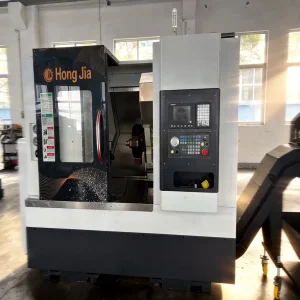
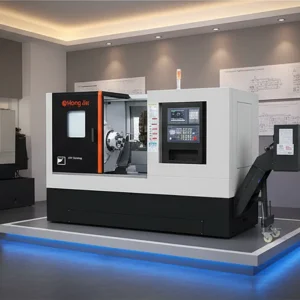
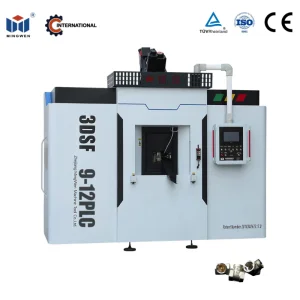
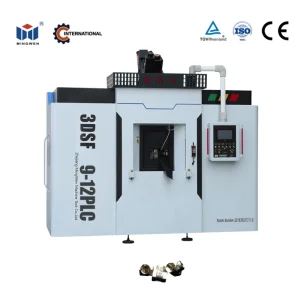
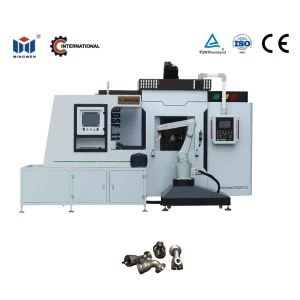
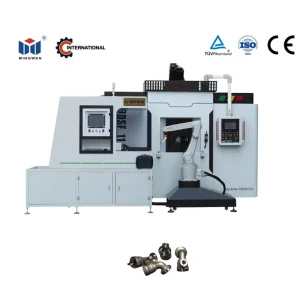
Integrating Taiwan Syntec Systems and high-velocity rotary transfers for versatile and continuous manufacturing cycles.
How Dongguan Carto Tool Co., Ltd. combines carbide science with geometry optimization to reduce overall tooling costs.
The global metal cutting and tooling industry is moving rapidly toward ultra-fine substrates, nano-multilayer coatings, and variable helix geometries. As a specialized manufacturer, Dongguan Carto Tool Co., Ltd. conducts research into carbide particulate distribution. By optimizing the cobalt content in the tungsten carbide (WC) matrix, we engineer a substrate that balances fracture toughness and wear resistance. This is particularly advantageous for structural steel drilling in remote fabrication workshops where rigid setups are not always guaranteed.
The core of our high-durability drills and end mills lies in our sub-micron grain tungsten carbide substrate. With average grain sizes down to 0.4μm, our tools exhibit higher hardness without compromising structural integrity. This prevents micro-chipping along the cutting lip, a common failure mode when drilling rugged carbon steels and weathered cast irons in Vanuatu's utility installations.
To reduce wear under high temperatures, we use advanced Physical Vapor Deposition (PVD) coatings. TiAlSiN, an aluminum-titanium-silicon-based composite coating, generates an amorphous silicon dioxide (SiO2) protective barrier at the cutting boundary when subjected to heat. This barrier prevents thermal transfer into the carbide tool core, preserving edge hardness even at high cutting speeds.
In field repairs or small-batch workshops, manual drilling machinery and older CNC systems can experience structural deflection. We design our drills with a reinforced web thickness and a self-centering point geometry (usually 140-degree split point). This reduces axial force requirements, allowing machine tools with lower torque to drill straight holes without wandering.
Targeted tooling configurations designed for specific engineering and manufacturing challenges in the South Pacific.
For structural steel joinery used in maritime terminal construction and cyclone-resistant commercial frameworks. Carto Tool's solid carbide drills and indexable drill heads provide fast, repeatable hole generation through multi-layer plates without the need for post-drill reaming.
Marine maintenance involves machining tough alloys like duplex stainless steel and phosphor bronze. Our custom micro-grain carbide milling cutters and drills feature highly polished flutes to minimize metal adhesion, reducing built-up edge (BUE) formation and improving surface finishes.
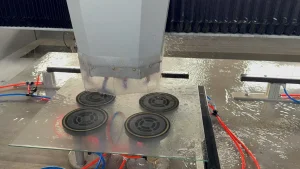
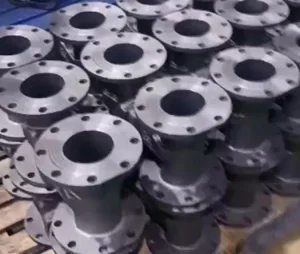
With municipal plumbing and agricultural irrigation lines expanding across Santo and Efate, local production and customization of brass and cast-iron valves require stable rotary transfer systems. Our precision tapping, drilling, and milling solutions ensure standard thread specifications are maintained across long production runs.
A history of engineering evolution, precision manufacturing standards, and export reliability.
Dongguan Carto Tool Co., Ltd. is a professional manufacturer specializing in industrial cutting tools, CNC machining tools, milling systems, turning solutions, and precision metal cutting technologies. The company is dedicated to providing high-performance tooling solutions for modern manufacturing industries, including automotive, aerospace, mold processing, machinery production, and general metal fabrication.
Since its establishment, Carto Tool has developed from a small-scale cutting tool workshop into a specialized industrial tooling supplier with integrated R&D, production, and quality control capabilities. In its early stage, the company focused on basic turning and milling tool production for local machining workshops. With the rapid growth of China’s manufacturing sector, Carto Tool expanded its technology base and began developing more advanced CNC-compatible cutting systems to meet higher precision and efficiency requirements.
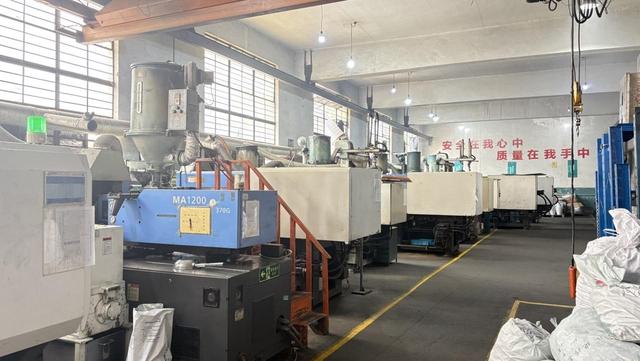
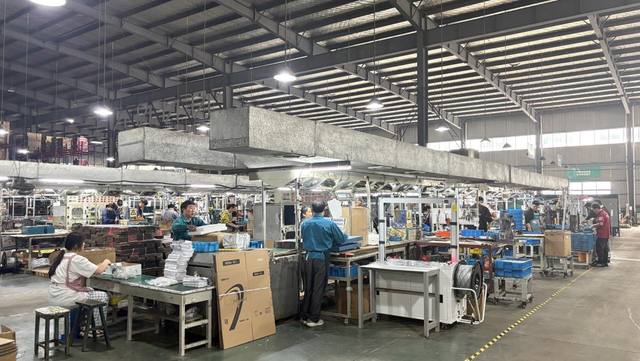
During its development phase, the company invested in carbide material research, coating technology improvements, and CNC tool geometry optimization. It introduced modern production lines and precision grinding equipment to ensure stable performance and long tool life. At the same time, Carto Tool strengthened its testing systems to improve cutting accuracy, wear resistance, and thermal stability across different machining environments.
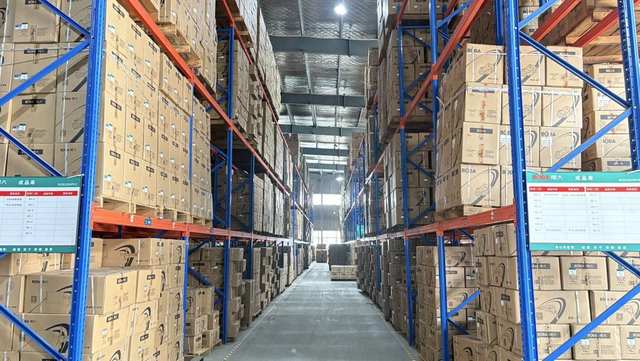
Today, Dongguan Carto Tool Co., Ltd. serves global industrial clients with a wide range of cutting tool solutions designed for high-speed, high-precision, and heavy-duty applications. The company continues to focus on innovation in CNC machining efficiency, metal cutting performance, and cost optimization for manufacturers. With a commitment to quality and engineering excellence, Carto Tool aims to become a trusted international supplier in the industrial cutting tools industry, supporting smarter and more efficient global manufacturing systems.

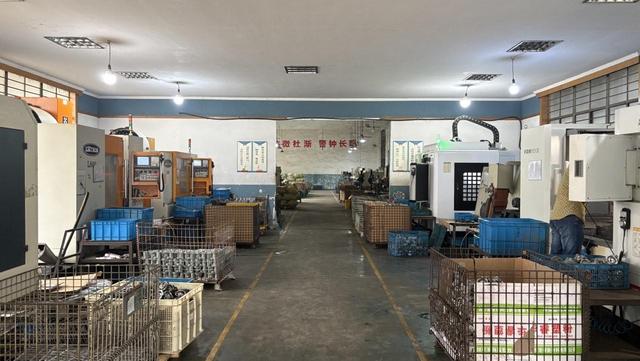
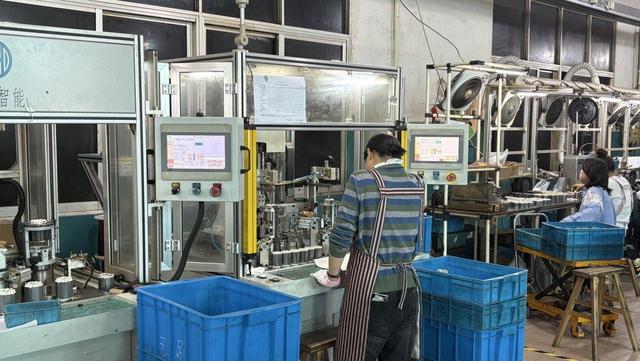
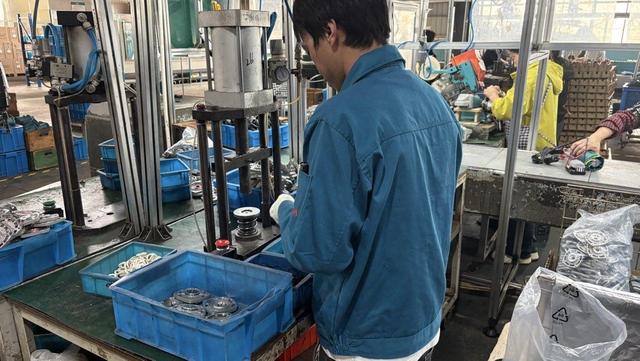

Expert engineering insights on optimizing tool life, managing heat generation, and configuring tools for the Southwest Pacific region.
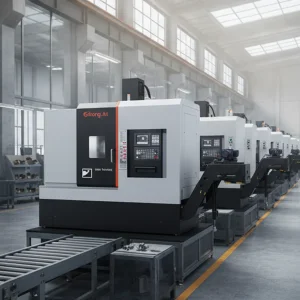
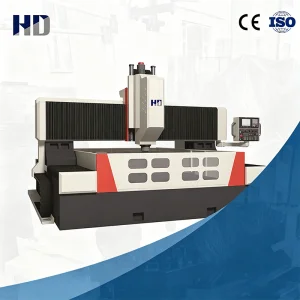
Explore our comprehensive lineup of production machinery, deep-hole grinding units, and automated valve production systems.
 Carto Tool