Discover our primary heavy-duty equipment configurations, automatic cutting systems, and high-performance processing components designed for extreme environments.

Modern industrial production is undergoing a massive paradigm shift. The global demand for heavy-duty industrial cutting systems has expanded past simple mechanical cutting into high-precision, software-driven fabrication ecosystems. Aerospace, automotive structural framing, defense, marine engineering, and infrastructure construction all demand component fabrication solutions that combine extreme mechanical load capacity with sub-micron accuracy.
As materials become more complex—incorporating high-tensile steels, specialized titanium alloys, carbon fiber composites, and reinforced engineered substrates—cutting tools and machinery must evolve. This evolution relies heavily on cutting-edge metallurgical engineering, advanced heat treatments, specialized tool geometries, and robust structural designs to counteract high vibrations and rapid thermal wear during continuous, multi-shift production cycles.
Dongguan Carto Tool Co., Ltd. is a professional manufacturer specializing in industrial cutting tools, CNC machining tools, milling systems, turning solutions, and precision metal cutting technologies. The company is dedicated to providing high-performance tooling solutions for modern manufacturing industries, including automotive, aerospace, mold processing, machinery production, and general metal fabrication.
Since its establishment, Carto Tool has developed from a small-scale cutting tool workshop into a specialized industrial tooling supplier with integrated R&D, production, and quality control capabilities. In its early stage, the company focused on basic turning and milling tool production for local machining workshops. With the rapid growth of China's manufacturing sector, Carto Tool expanded its technology base and began developing more advanced CNC-compatible cutting systems to meet higher precision and efficiency requirements.
During its development phase, the company invested in carbide material research, coating technology improvements, and CNC tool geometry optimization. It introduced modern production lines and precision grinding equipment to ensure stable performance and long tool life. At the same time, Carto Tool strengthened its testing systems to improve cutting accuracy, wear resistance, and thermal stability across different machining environments.
Today, Dongguan Carto Tool Co., Ltd. serves global industrial clients with a wide range of cutting tool solutions designed for high-speed, high-precision, and heavy-duty applications. The company continues to focus on innovation in CNC machining efficiency, metal cutting performance, and cost optimization for manufacturers. With a commitment to quality and engineering excellence, Carto Tool aims to become a trusted international supplier in the industrial cutting tools industry, supporting smarter and more efficient global manufacturing systems.
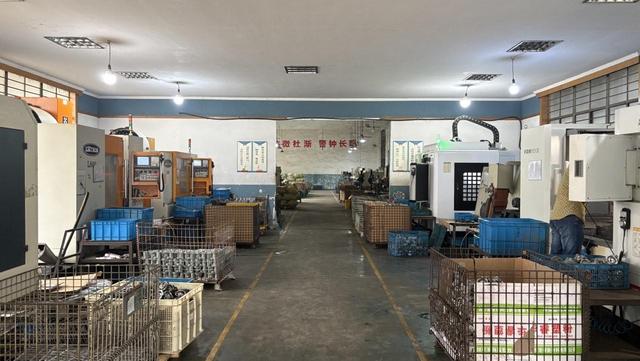
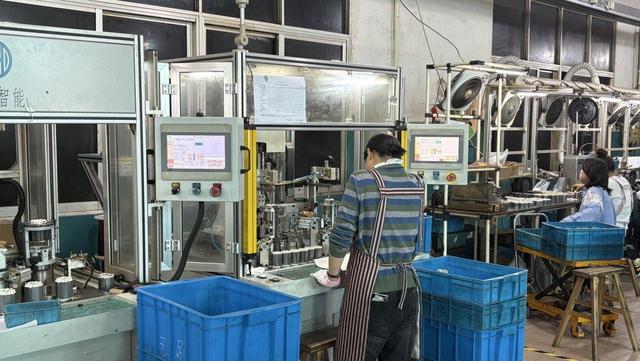
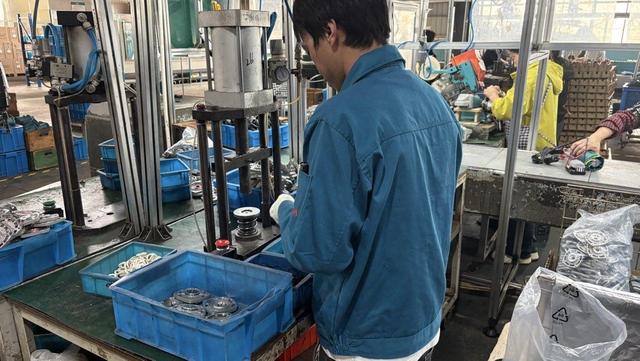
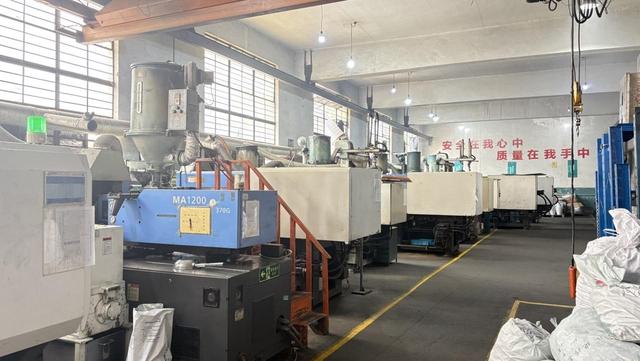
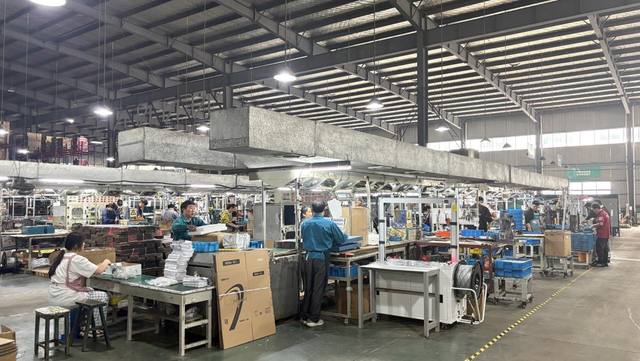
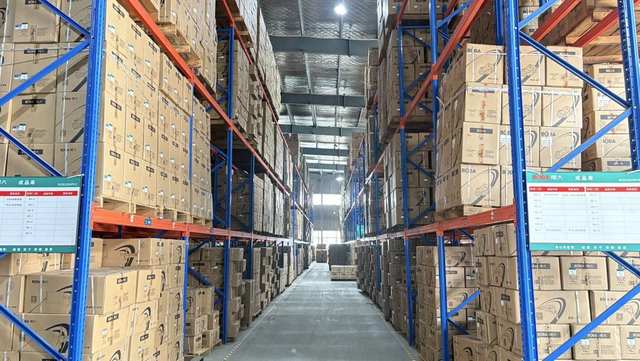
Discover how local industrial ecosystems, manufacturing agility, and structural integration produce high-performance industrial tools at a lower total cost of ownership.
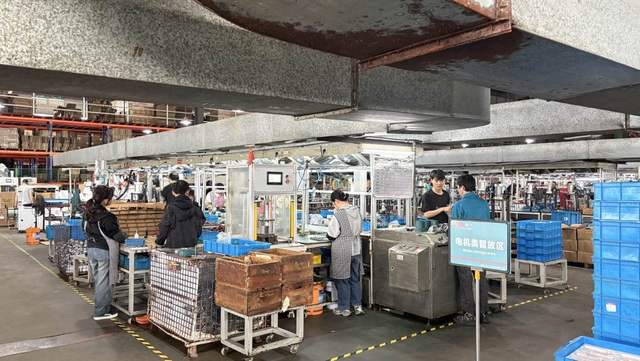
Southern Chinese manufacturing hubs like Dongguan provide direct access to ultra-pure tungsten carbide powders, high-grade cobalt matrices, and premium industrial gases. This proximity allows for agile feedstock modifications and minimizes transit times during early-stage alloying processes.
By using modern, automated CNC tool grinders (such as ANCA or Walter setups) in local plants, we achieve micron-level accuracy in spiral angles, relief zones, and rake surfaces. Continuous quality control prevents dimensional deviations across massive manufacturing batches.
Our localized R&D structure enables rapid translation of customer blueprints into physical working tool prototypes. We optimize coating profiles (including TiAlN, AlTiN, or diamond-like carbon) according to specific regional raw material compositions, cutting production time in half.
Every industry demands custom physical, thermal, and dimensional profiles. Here is how specialized heavy-duty cutting technologies address these dynamic manufacturing conditions.
Automotive manufacturing requires components that can withstand constant stress, using tough materials like nodular cast iron or lightweight aluminum-silicon alloys. Machining cylinder blocks, transmission cases, and chassis joints requires tooling systems with high shear geometry and chip-breakers that can quickly clear materials without causing edge build-up (BUE). High-rigidity cutter bodies prevent chatter, protecting the surface finish of critical sealing components.
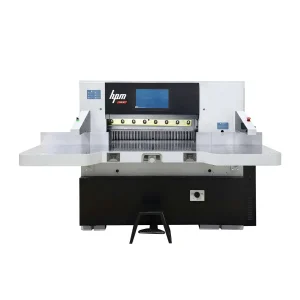
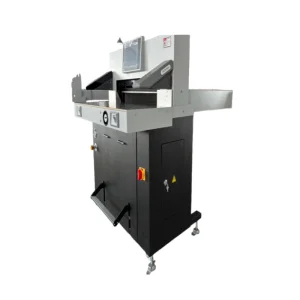
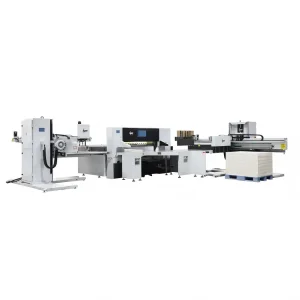
In high-output packaging environments, slitting and computerized guillotine cutting systems process millions of linear feet of abrasive cardstock daily. Standard tool steels dull rapidly due to the mineral fillers in modern papers. Utilizing high-accuracy automatic computerized cutting platforms equipped with sub-micron carbide blades and precise hydraulic clamping ensures square, clean edges while preventing dust buildup that could compromise packaging line efficiency.
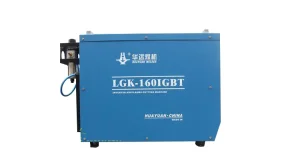
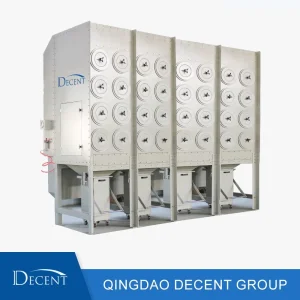
Bridge builders, skyscraper fabricators, and heavy equipment manufacturers must slice through steel plates over 50mm thick. This environment requires high-amperage plasma and fiber laser cutting systems that use specialized oxygen-assist systems to keep cuts clean. To protect operators and downstream equipment from toxic metal fumes and dust, these systems are integrated with heavy-duty air filtration units.
Aerospace frames are milled from solid blocks of titanium (such as Ti-6Al-4V) or nickel-based superalloys to minimize structural joints. These materials are difficult to machine because they don't conduct heat well, transferring thermal energy back into the cutting edge. To counteract this, tooling systems utilize dynamic toolpaths, customized variable-helix solid carbide endmills, and high-pressure through-spindle coolant delivery. This setup keeps cutting temperatures below critical limits, preventing tool deformation.
As modern automation advances, several key technological trends are shaping the future of heavy-duty material processing.
Modern CNC cutting systems now incorporate vibration sensors and thermal monitoring inside the spindle assembly. These sensors compile real-time cutting data to predict tool failure before it happens, reducing unplanned downtime in automated assembly lines.
Silicon-doped coatings (such as TiAlSiN or nanocomposite configurations) create an incredibly hard barrier against oxidation, withstanding temperatures over 1000°C. This allows manufacturers to utilize high-velocity dry cutting, reducing coolant usage and disposal costs.
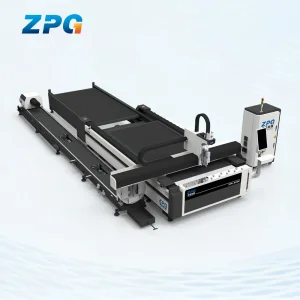
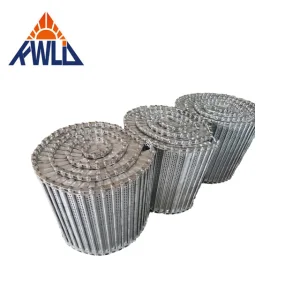
Modern high-speed fiber laser and plasma cutting systems are increasingly paired with automated chip conveyors and material exchange platforms. These components remove hot slag and scrap metal continuously, allowing the machinery to run unattended for longer periods.
When procuring heavy-duty cutting equipment or tooling systems for high-output operations, procurement managers must evaluate several technical criteria beyond the initial purchase price.
1. Total Tool Life Cycle Costs (TCO): The upfront cost of a cutting tool represents only a small fraction of its true operational cost. Technical buyers must prioritize tools that offer repeatable part dimensions, long service intervals, and consistent tool wear patterns. Consistent wear patterns allow for predictable tool changes, preventing costly workpiece damage.
2. Standard Material Traceability: Reliable manufacturers provide full material batch documentation for every production run, including chemical composition sheets and hardness testing records. This level of traceability is essential for suppliers serving strict industries like aerospace, defense, and medical device manufacturing.
3. Comprehensive Technical Support: Sourcing industrial tooling isn't just about buying hardware—it requires collaborative engineering. Top-tier suppliers work directly with clients to recommend optimal feeds, speeds, cutting strategies, and coating pairings for their specific machining centers and workpiece materials.
Explore our specialized heavy-duty industrial offerings, including computerized guillotine lines, custom industrial exhaust piping, and automated structure simulation equipment.

Expert answers to common engineering, material selection, and procurement questions in the heavy-duty cutting industry.
For continuous, high-temperature operations, sub-micron tungsten carbide substrates combined with multi-layered aluminum titanium nitride (AlTiN) or titanium silicon nitride (TiSiN) coatings are ideal. These coatings undergo a chemical reaction at high temperatures, creating a protective aluminum-oxide layer on the tool's surface. This layer insulates the carbide base from thermal shock and heat degradation.
We maintain precision through automated production lines and advanced optical measurement equipment. Every batch of solid carbide milling cutters and custom inserts is processed on modern 5-axis CNC grinders under strict temperature-controlled conditions. This environment limits thermal contraction and expansion, keeping tool tolerances within ±0.005mm.
High-power laser and plasma cutting vaporize carbon steels, stainless steels, and galvanized alloys, creating fine respirable dust and hazardous fumes. Without proper capture systems, these particles deposit on sensitive linear guides and CNC ball screws, causing premature wear. Heavy-duty air filtration units collect these particles, maintaining air quality in the facility and protecting the mechanical alignment of the machinery.
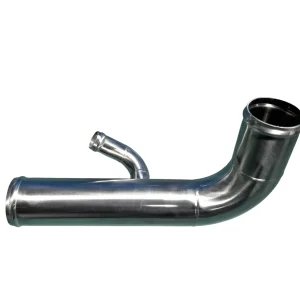
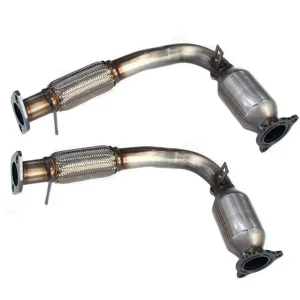
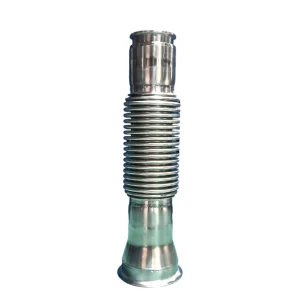
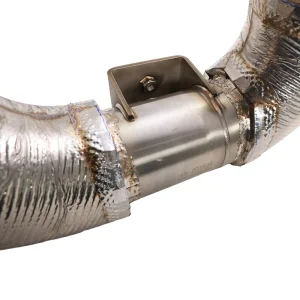
We manufacture custom stainless steel exhaust piping systems designed to withstand high vibrations and thermal expansion in industrial engines, heavy-duty machinery, and large commercial vehicles. Our engineering team assists with system routing, exhaust backpressure calculations, and material selections (such as 304 or 316L stainless steel) to resist corrosion in harsh environments.
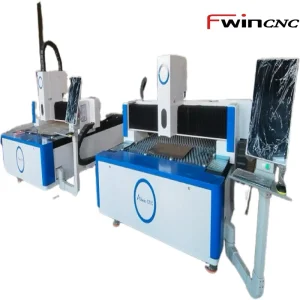
An automatic exchange platform features a dual-pallet setup that swaps finished parts and raw sheets within 15-20 seconds. While the laser cuts material on one pallet, the operator safely unloads parts and prepares a new sheet on the second pallet outside the enclosure. This setup keeps the laser head cutting continuously, increasing machine utilization rates by up to 50% compared to single-pallet machines.
 Carto Tool