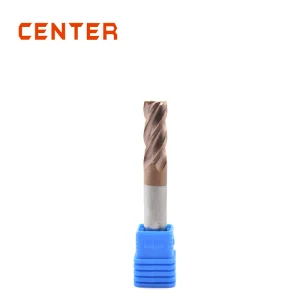
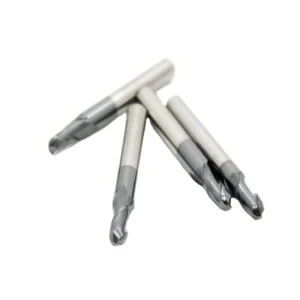
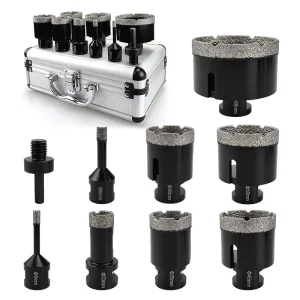
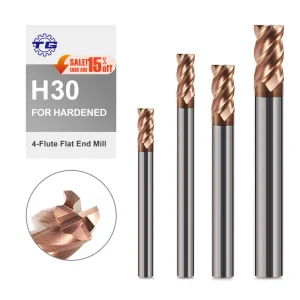
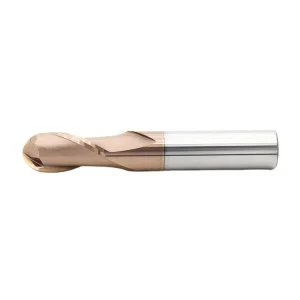
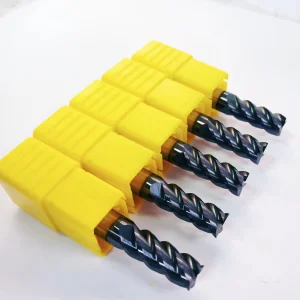
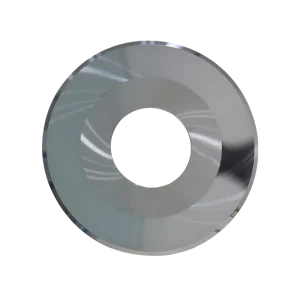
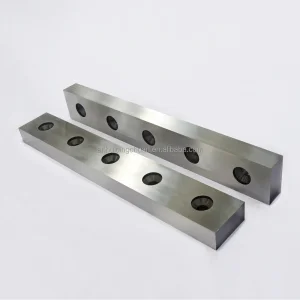
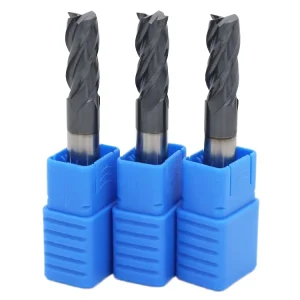
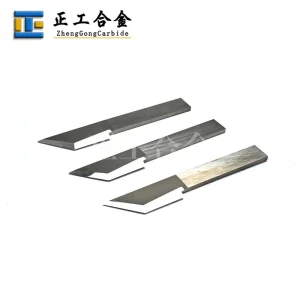
Explore our premium range of solid carbide end mills, custom indexable inserts, and specialty slitting knives
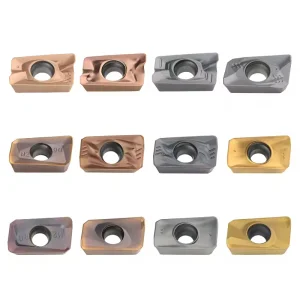
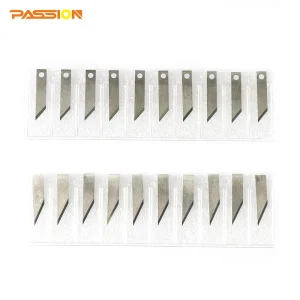
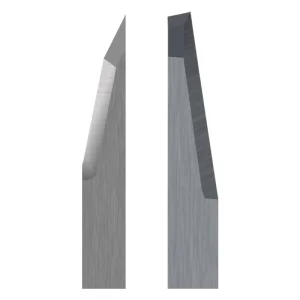
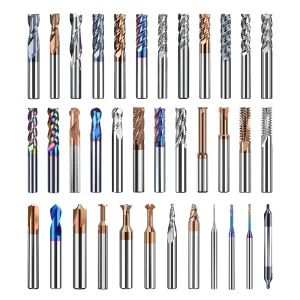
An in-depth analysis of tungsten carbide performance dynamics in heavy industrial machining
Tungsten carbide tooling maintains extreme hardness, chemical stability, and wear resistance at operating temperatures exceeding 800°C. By binding cobalt with sub-micron tungsten carbide grains, modern tooling factories achieve the ultimate structural balance between high hardness (up to 92 HRA) and impact toughness.
Modern machine shops running ultra-high-speed CNC networks require predictable tool degradation curves. High-feed milling systems, multi-flute carbide mills, and indexable carbide profile cutters minimize spindle down-time, optimize chip evacuation, and deliver geometric accuracy within single-digit micron tolerances.
Processing superalloys, titanium, and high-nickel materials requires customized coating interfaces. Advanced tooling factories utilize proprietary TiAlSiN, AlTiN, and CVD diamond coatings to suppress thermal cracking and resist chemical adhesion under intense heat-affected zones.
Dongguan Carto Tool Co., Ltd. is a professional manufacturer specializing in industrial cutting tools, CNC machining tools, milling systems, turning solutions, and precision metal cutting technologies. The company is dedicated to providing high-performance tooling solutions for modern manufacturing industries, including automotive, aerospace, mold processing, machinery production, and general metal fabrication.
Since its establishment, Carto Tool has developed from a small-scale cutting tool workshop into a specialized industrial tooling supplier with integrated R&D, production, and quality control capabilities. In its early stage, the company focused on basic turning and milling tool production for local machining workshops. With the rapid growth of China’s manufacturing sector, Carto Tool expanded its technology base and began developing more advanced CNC-compatible cutting systems to meet higher precision and efficiency requirements.

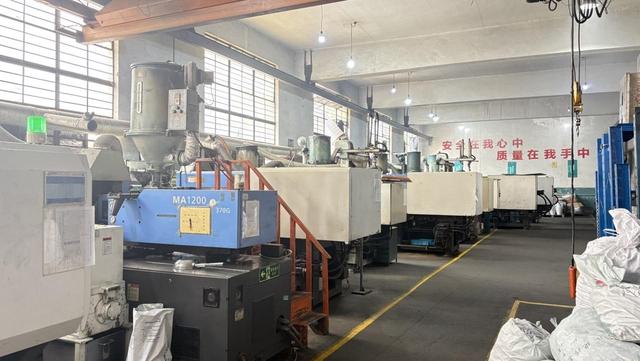
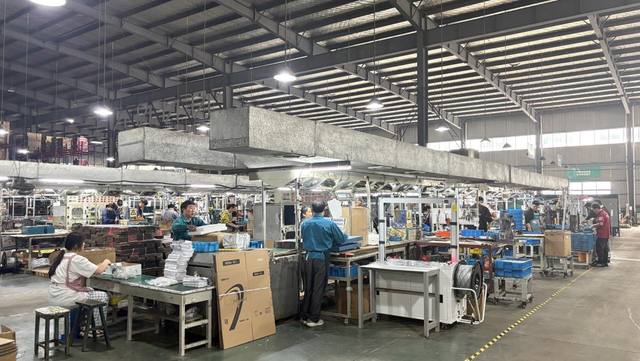
During its development phase, the company invested in carbide material research, coating technology improvements, and CNC tool geometry optimization. It introduced modern production lines and precision grinding equipment to ensure stable performance and long tool life. At the same time, Carto Tool strengthened its testing systems to improve cutting accuracy, wear resistance, and thermal stability across different machining environments.
Today, Dongguan Carto Tool Co., Ltd. serves global industrial clients with a wide range of cutting tool solutions designed for high-speed, high-precision, and heavy-duty applications. The company continues to focus on innovation in CNC machining efficiency, metal cutting performance, and cost optimization for manufacturers. With a commitment to quality and engineering excellence, Carto Tool aims to become a trusted international supplier in the industrial cutting tools industry, supporting smarter and more efficient global manufacturing systems.
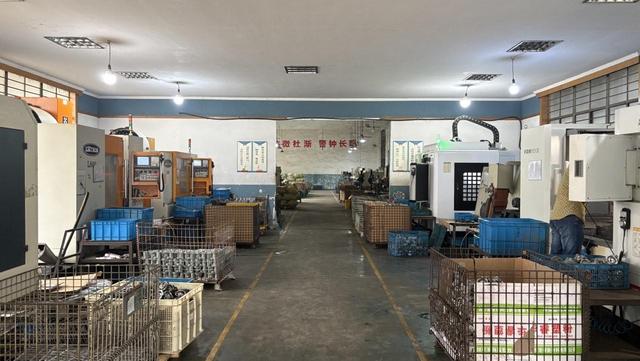
How domestic industrial integration translates to cost, speed, and precision for global OEM buyers
Dongguan’s cutting tool manufacturing cluster brings together raw material preparation (cobalt-tungsten powders), precision CNC multi-axis grinding centers (using Swiss Rollomatic and German Walter machinery), and advanced coating chambers (PVD and CVD) within a 50-kilometer radius. This close integration drastically reduces transportation overheads and lead times.
Standard foreign manufacturing lines often require weeks to produce custom geometry cutters. Our factory utilizes flexible manufacturing setups, allowing us to tweak rake angles, relief angles, and flute counts, producing custom tool prototypes for clients in North America, Europe, and Japan in a matter of days.
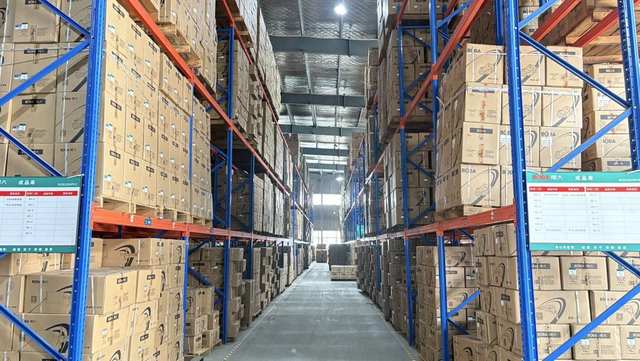
Through robust logistics networks and complete standardization, our carbide inserts and end mills are packed and shipped using automated moisture-barrier packaging. This guarantees that whether you operate CNC machines in Germany, Mexico, or Southeast Asia, your production line operates on consistent tooling schedules.
Inside Carto Tool: Advanced Grinding, Micro-Measurement, and Inspection Processes
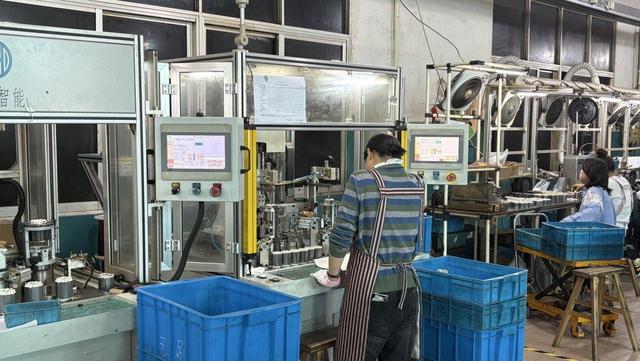
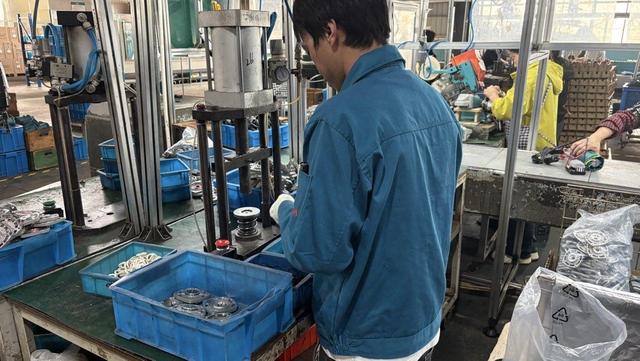
The performance of a carbide cutting tool relies on the interaction between its helix angle, core diameter, rake angle, and surface coating. Helix angles ranging between 35° to 45° are typically employed to balance cutting force and smooth chip removal in carbon steels and stainless steels. For hardened materials above HRC55, variable helix designs and unequal index spacing are used to disperse resonant vibration frequencies, reducing chatter and ensuring high surface quality.
Coatings play a massive role in combating tool wear mechanisms such as abrasion, oxidation, and built-up edge (BUE). High-temperature coatings like TiAlSiN or AlTiN create a hard aluminum oxide layer under operating temperatures. This layer keeps heat out of the tool's carbide substrate, directing it instead into the ejected chips. For non-ferrous metals like aluminum and plastics, highly polished flutes combined with DLC (Diamond-Like Carbon) coatings provide low friction coefficients, preventing chips from sticking to the tool.
Global procurement teams looking for carbide tool factories rely on strict key performance indicators (KPIs) to ensure they buy cost-effective and reliable products. Critical metrics include tool wear predictability, batch-to-batch consistency, and overall cost-per-part efficiency. To verify these standards, quality management checks should measure cutting edges under 500x magnification to confirm that micro-chipping and coating defects are kept below tight limits.
Furthermore, sourcing managers must check the grain structure of the tungsten carbide used. Micrograin and sub-micrograin substrates perform far better than coarse grains, preventing premature chipping when cutting hard alloys. Establishing long-term supply agreements with manufacturers who utilize verified European, Japanese, or top-tier Chinese tungsten carbide powders guarantees predictable tool performance across long production runs.
Technical answers to common sourcing, design, and applications questions
High-performance is determined by the selection of ultra-fine grain tungsten carbide substrate, precision CNC grinding to tolerances within 0.002mm, low runout, and the application of nano-coatings such as TiAlSiN or DLC. These properties directly affect tool life, surface finish, and machining speed.
We combine premium raw materials with high-end multi-axis CNC grinding machines (including German Walter grinders) and perform strict quality testing. Every production batch undergoes rigorous profile, edge, and surface inspections using Zoller tool presetter systems.
Custom cutting systems are highly beneficial for high-precision, automated manufacturing sectors such as aerospace, automotive drivetrain machining, metal mold fabrication, electronic enclosures (die-casting cleanup), and medical device production.
For standard custom orders, prototyping and testing typically take between 5 to 7 working days. Once confirmed, full production batches are completed within 15 to 25 days depending on tooling complexity and the required surface coatings.
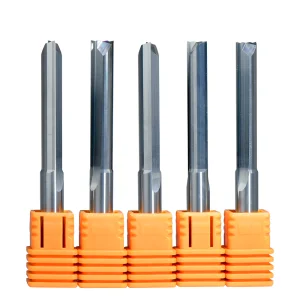
Premium options for high-feed indexable inserts, custom routing bits, and high-HRC metal milling
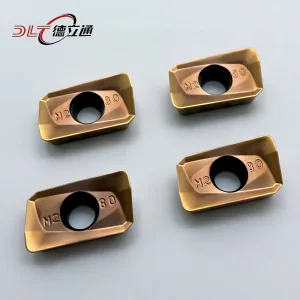
 Carto Tool