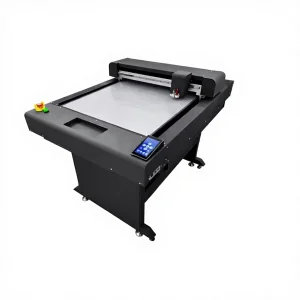
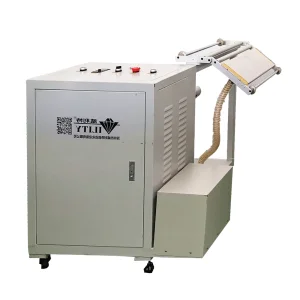
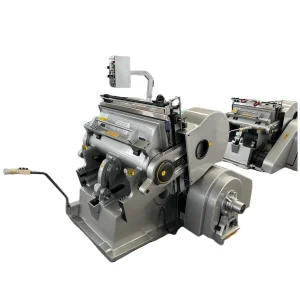
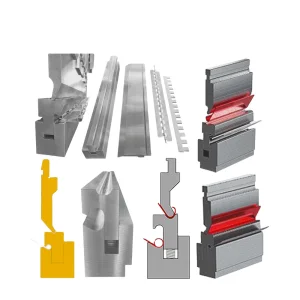
Select from our globally exported industrial die-cutting, bending, and CNC tooling catalog to optimize production efficiency.
Exploring how modern material science, mechanical optimization, and automated system integration drive efficiency and wear-resistance in manufacturing.
In the matrix of modern manufacturing, mold and die cutting tool systems serve as the structural backbone for material transformation. From automotive body stampings to delicate micro-electronic membrane switches, the efficiency of production is directly proportional to the performance limits of the die components. The global shift toward high-speed, automated lines demands tooling materials that survive extreme physical stresses, thermal gradients, and cyclic fatigue. Consequently, industrial manufacturers require not just simple components, but integrated solutions engineered to perform with minimal maintenance cycles.
Technological trends indicate a rapid evolution toward intelligent, sensor-embedded tooling systems. These tools feed real-time stress, temperature, and wear metrics directly into industrial IoT (Internet of Things) nodes. In heavy-duty automotive pressing and high-speed packaging applications alike, predictive maintenance powered by built-in sensors reduces catastrophic machine downtime and minimizes component failures.
Moreover, the incorporation of advanced powder metallurgy and ultra-fine grain carbides has redefined wear limits. Tool geometries are no longer restricted to traditional planar layouts. Modern multi-axis CNC grinding and electrical discharge machining (EDM) make it possible to manufacture complex geometries with tight clearances of under 2 microns. For export-oriented enterprises, maintaining these microscopic tolerances ensures that components manufactured in Asia can be seamlessly integrated into European and North American assembly operations without site-specific adjustments.
As sustainability regulations tighten, modern tool manufacturers also focus on the lifecycle impact of materials. Cobalt-free binders and eco-friendly chemical vapor deposition (CVD) coatings are replacing traditional, hazardous materials, aligning with the green manufacturing mandates of major global economies.
Utilization of premium alloy chemistries including H13, Cr12MoV, D2, and 42CrMo to withstand severe cyclic mechanical loading and minimize structural deformation.
Designed to integrate seamlessly into automated systems running up to 5,000 sheets per hour with constant alignment accuracy and minimal thermal expansion.
Implementation of microscopic manufacturing tolerances (+/- 0.002mm) to ensure clean material separation, eliminate burrs, and reduce secondary processing.
For international supply chain managers and procurement officers, sourcing industrial mold and die cutting tool systems from global exporters involves managing risks across quality variation, logistics, and total cost of ownership (TCO). A lower initial unit price can quickly be offset by high shipping costs, customs delays, or premature tooling failures on the production floor.
When purchasing precision dies, the direct material purchase cost represents only a fraction of the lifetime investment. Industrial buyers must evaluate:
E-E-A-T principles require exporters to offer transparent verification of materials and manufacturing standards. Qualified factories provide full raw material chemical analysis reports, hardness validation documentation (HRC/HV), and 3D coordinate measurement machine (CMM) inspection files before shipping. Choosing suppliers with ISO 9001:2015 certified quality systems mitigates performance risks across large-volume production runs.
Achieving micron-level tolerances over millions of cycles requires optimizing multiple design parameters. Standard tooling designs are often modified to handle specific shear, bending, and compression forces based on the target material's characteristics.
The gap between the cutting punch and the lower die matrix (clearance) determines the quality of the sheared edge. Incorrect clearance settings lead to structural burrs or accelerated tool wear. For instance, ductile polymers like PVC or PET require tight clearances (often 1% to 3% of material thickness), whereas hard metal packaging applications require clearances from 5% to 10% to prevent micro-fracturing of the punch edge.
Cutting edges are rarely left as simple sharp corners. Standard prep processes involve precision edge honing (radii between 5 to 30 microns) or micro-chamfering. These treatments redistribute high impact stresses away from the outer edge, preventing premature chipping during high-speed contact.
Modern die-cutting uses Physical Vapor Deposition (PVD) and Chemical Vapor Deposition (CVD) coatings to minimize friction and wear. Titanium Aluminum Nitride (TiAlN) and Diamond-Like Carbon (DLC) coatings are frequently used. These coatings create a hard, low-friction barrier (hardness >30 GPa) that prevents material adhesion and heat build-up, especially when cutting adhesive-backed films or soft aluminum alloys.
During continuous operation at 5,000 sheets per hour, friction generates substantial heat. Advanced tooling blocks integrate internal cooling channels. Keeping temperatures stable protects the dimensional stability of the tool, preventing micro-expansion that can cause binding or offset alignments.
Industrial mold and die systems are tailored to the physical requirements of their specific end-use applications. Below is an analysis of how custom tooling matches distinct manufacturing challenges:
Manufacturing heavy-duty automotive structural parts and exhaust components requires robust stamping dies. Our systems are engineered using high-toughness tool steels (like 42CrMo) to manage high impact pressures and prevent cracking under heavy, repetitive loads.
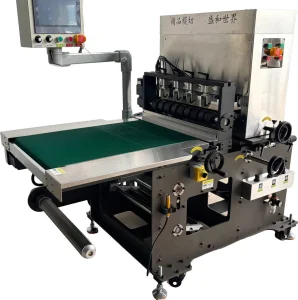
Processing delicate PET and membrane switch substrates requires specialized, clean-room compatible flatbed and CCD-guided tooling systems. High-precision alignment minimizes deformation to preserve delicate electrical tracks.
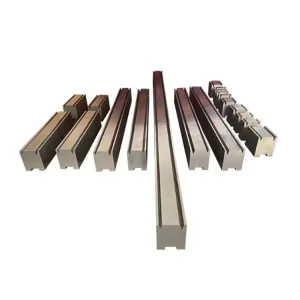
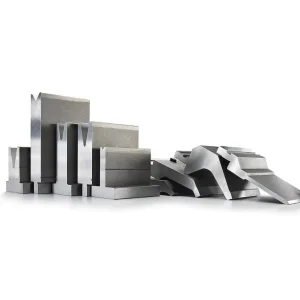
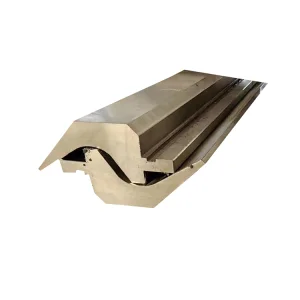
Our CNC press brake dies and multi-V bending molds utilize deep induction-hardening along key wear zones. This treatment prevents deformation and maintains consistent bending angles across high-yield structural plates.
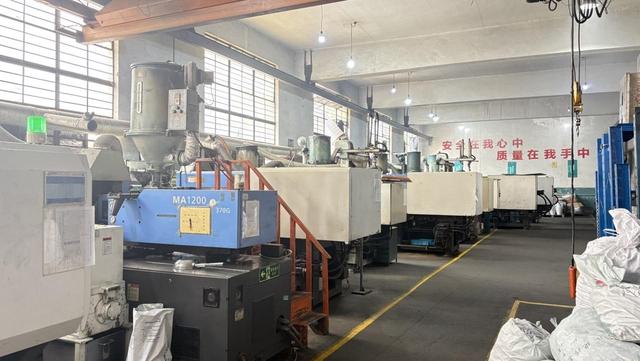
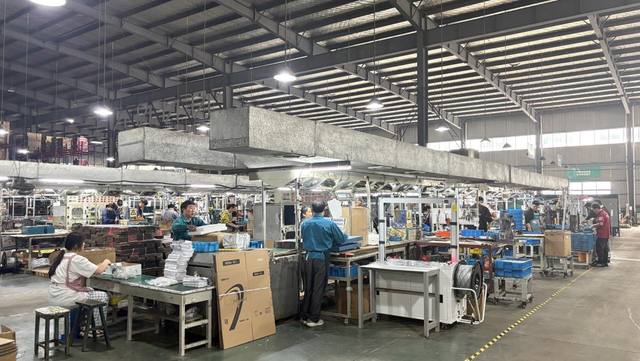
Dongguan Carto Tool Co., Ltd. is a professional manufacturer specializing in industrial cutting tools, CNC machining tools, milling systems, turning solutions, and precision metal cutting technologies. The company is dedicated to providing high-performance tooling solutions for modern manufacturing industries, including automotive, aerospace, mold processing, machinery production, and general metal fabrication.
Since its establishment, Carto Tool has developed from a small-scale cutting tool workshop into a specialized industrial tooling supplier with integrated R&D, production, and quality control capabilities. In its early stage, the company focused on basic turning and milling tool production for local machining workshops. With the rapid growth of China’s manufacturing sector, Carto Tool expanded its technology base and began developing more advanced CNC-compatible cutting systems to meet higher precision and efficiency requirements.
During its development phase, the company invested in carbide material research, coating technology improvements, and CNC tool geometry optimization. It introduced modern production lines and precision grinding equipment to ensure stable performance and long tool life. At the same time, Carto Tool strengthened its testing systems to improve cutting accuracy, wear resistance, and thermal stability across different machining environments.
Today, Dongguan Carto Tool Co., Ltd. serves global industrial clients with a wide range of cutting tool solutions designed for high-speed, high-precision, and heavy-duty applications. The company continues to focus on innovation in CNC machining efficiency, metal cutting performance, and cost optimization for manufacturers. With a commitment to quality and engineering excellence, Carto Tool aims to become a trusted international supplier in the industrial cutting tools industry, supporting smarter and more efficient global manufacturing systems.
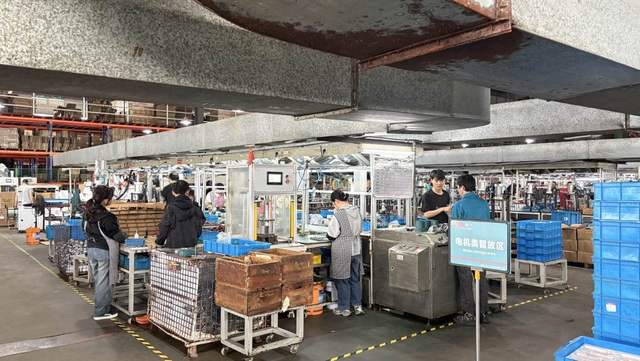
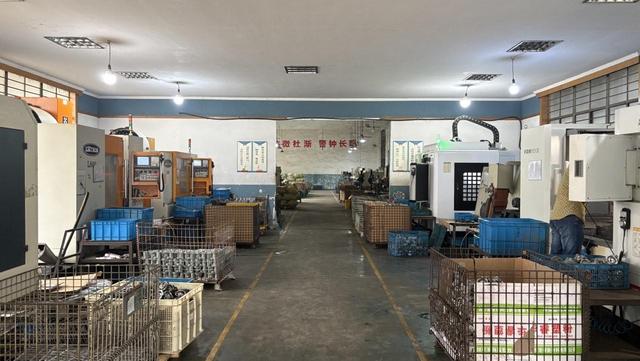
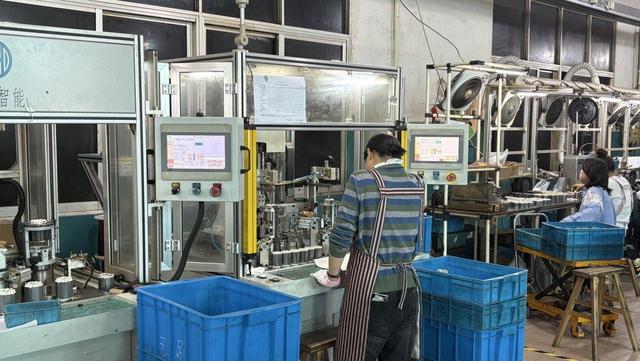
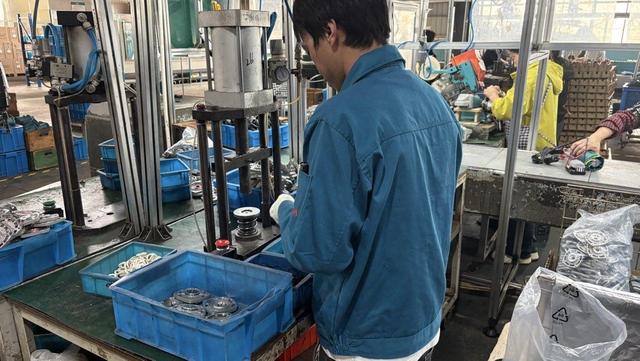
The industrial tooling landscape is undergoing a digital transformation. Dongguan Carto Tool Co., Ltd. continues to track and integrate emerging manufacturing technologies to ensure our exported systems meet evolving international requirements:
By pairing 3D metal printing (Selective Laser Melting) with traditional high-speed CNC finish-milling, we can construct internal cooling channels directly within the core of die blocks. These complex internal channels help manage thermal loads in high-speed, continuous-running dies, reducing thermal expansion and preventing material binding.
Stricter global environmental compliance regulations are driving demand for dry-cutting and Minimum Quantity Lubrication (MQL) setups. Our development focus includes high-thermal-barrier PVD coatings that minimize the need for liquid coolants, helping manufacturers lower waste-treatment costs and maintain clean working conditions.
We are actively testing embedded micro-sensors within critical tooling segments. These sensors measure real-time mechanical stresses and vibrational shifts, feeding this data directly to PLC networks. This telemetry helps operators identify tool wear and schedule preventive maintenance before edge failure occurs.
To meet the demands of stamping ultra-high-strength steels (UHSS) used in modern automotive safety cages, we are researching high-entropy alloy compositions. These materials offer exceptional toughness and thermal stability, preventing edge chipping even under high cyclic pressure.
Critical engineering and commercial answers to simplify your tooling procurement and integration processes.
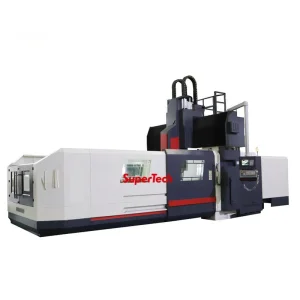
Explore our line of press brake tooling, injection molds, and machining centers designed for durable industrial performance.
 Carto Tool