Product Description
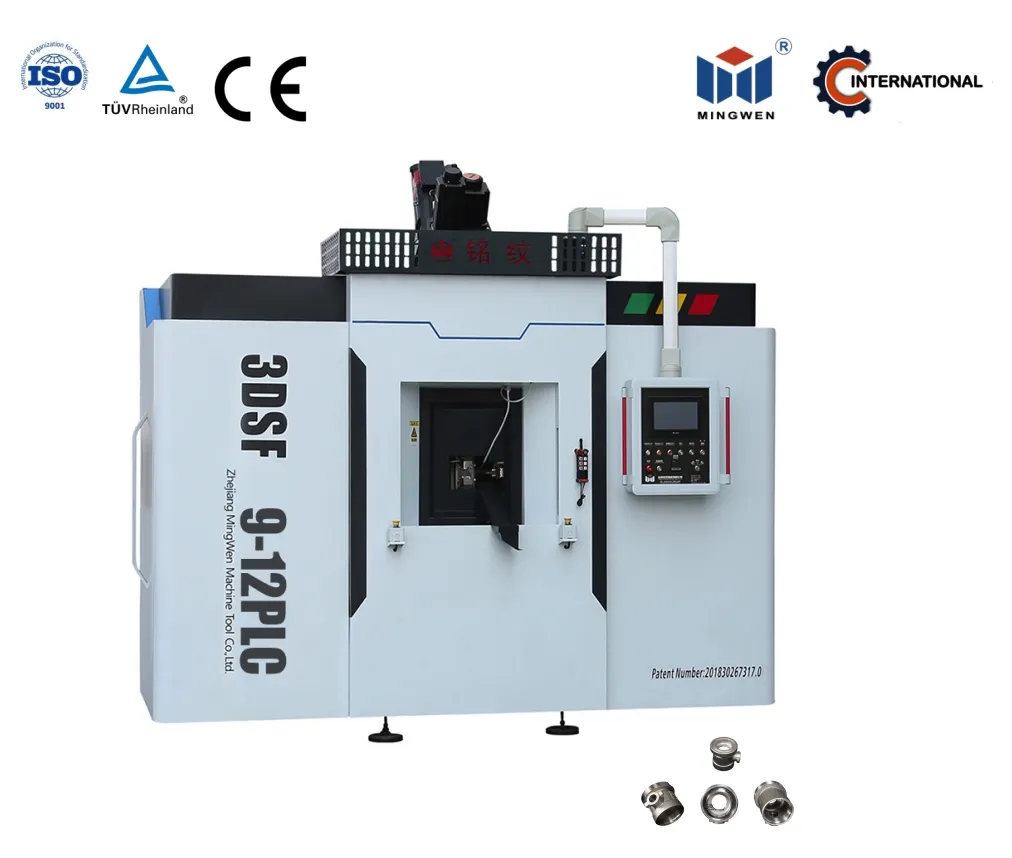
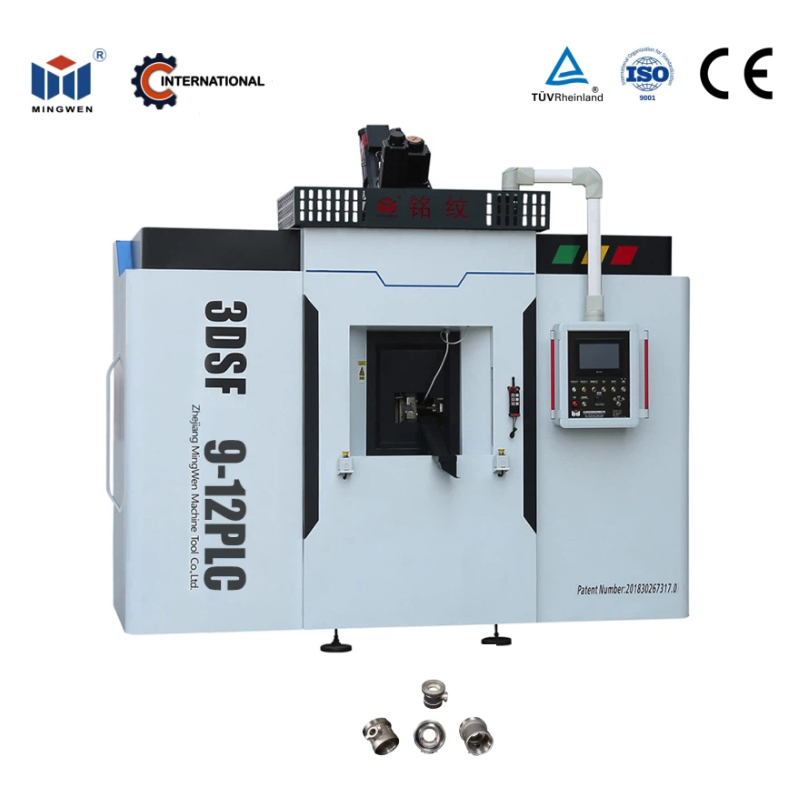
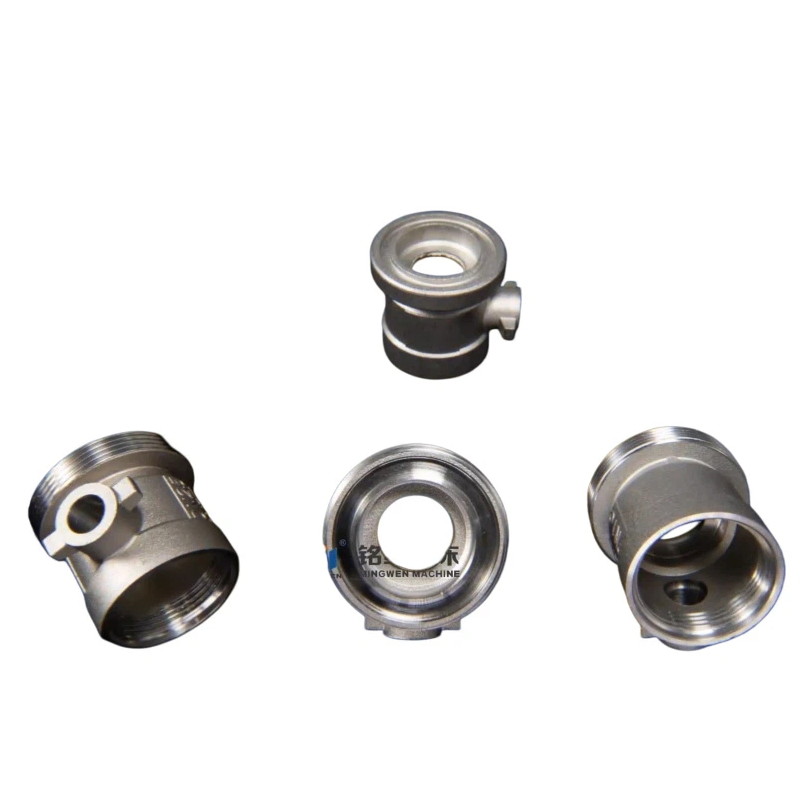
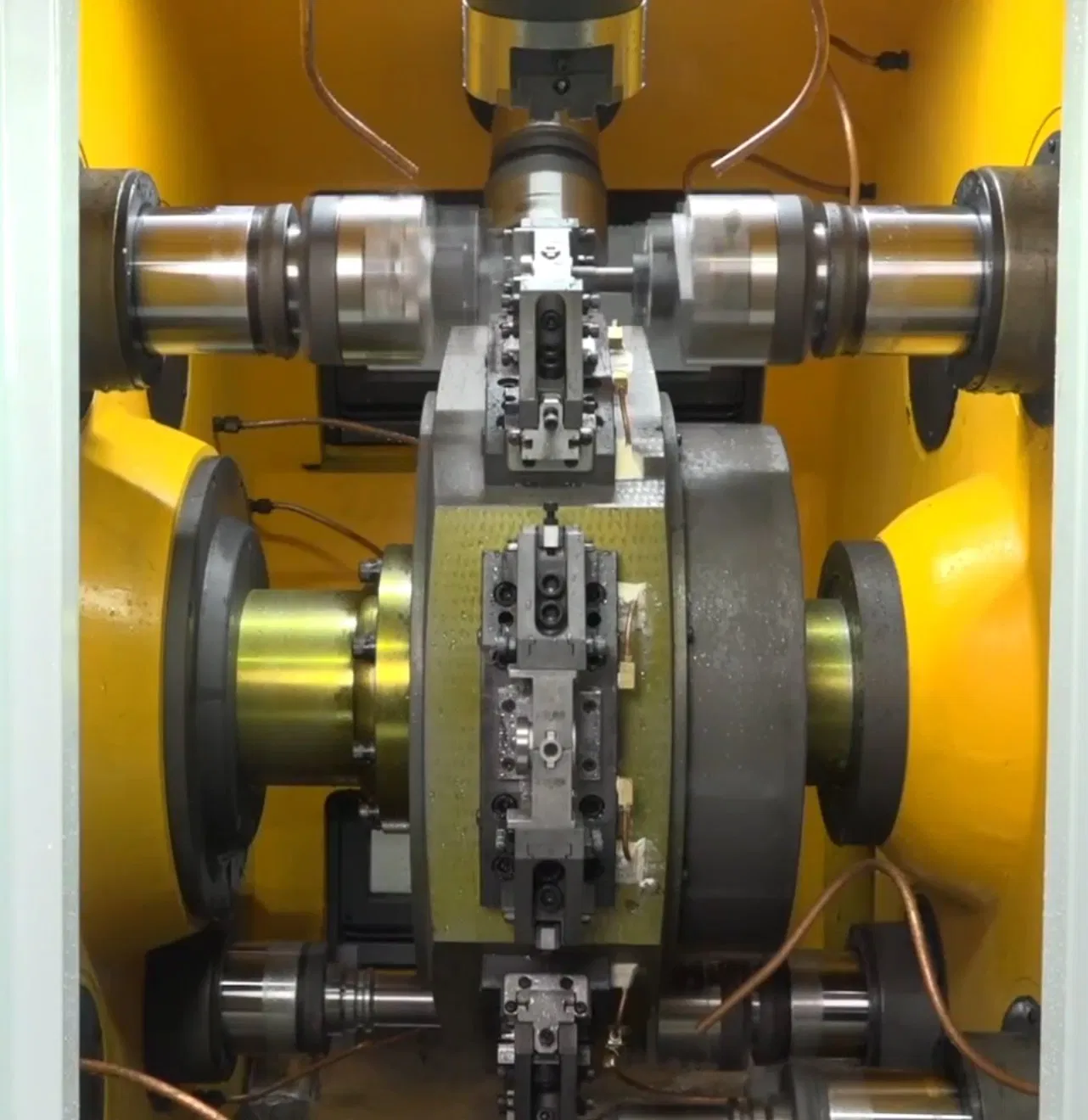
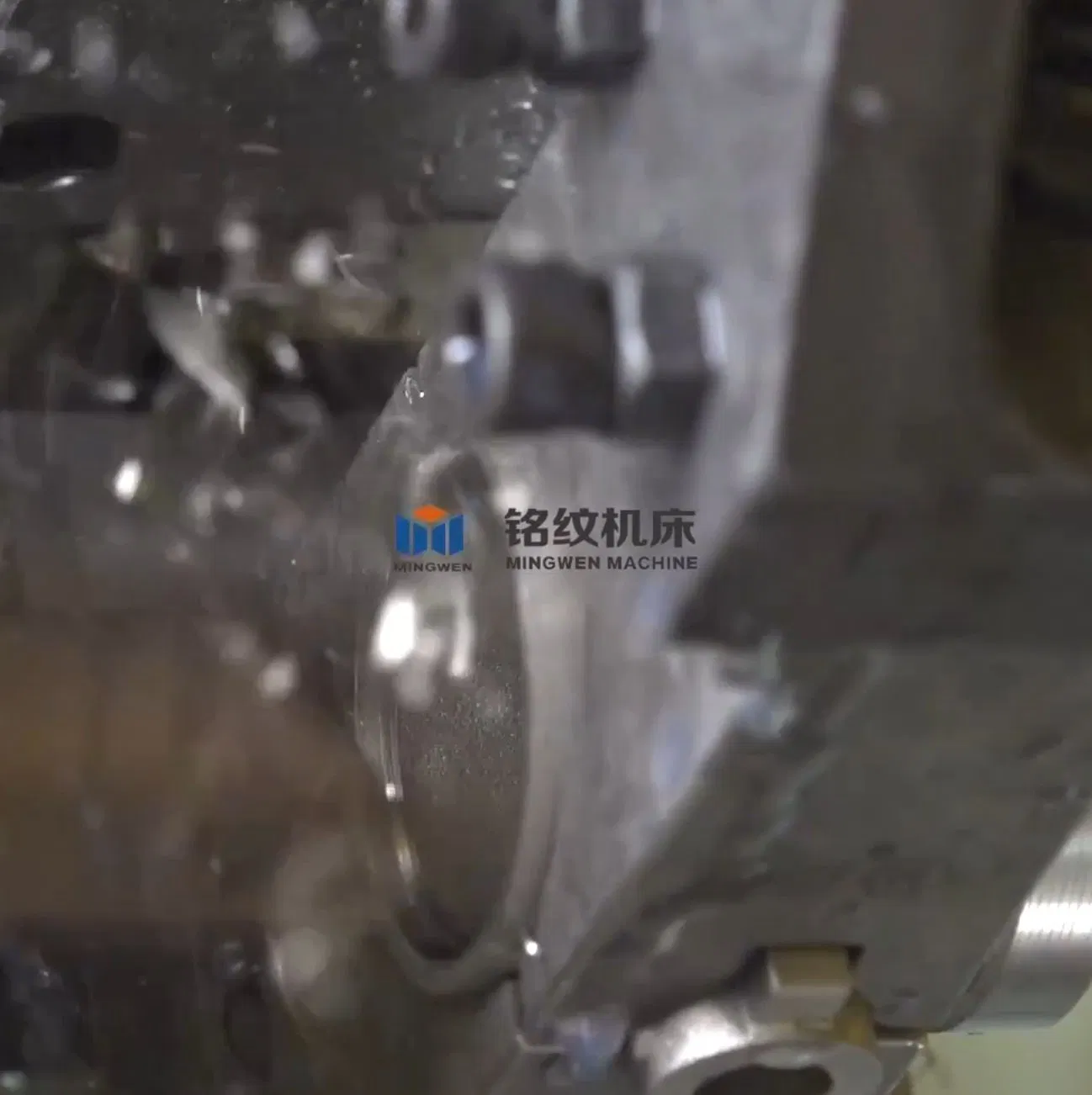
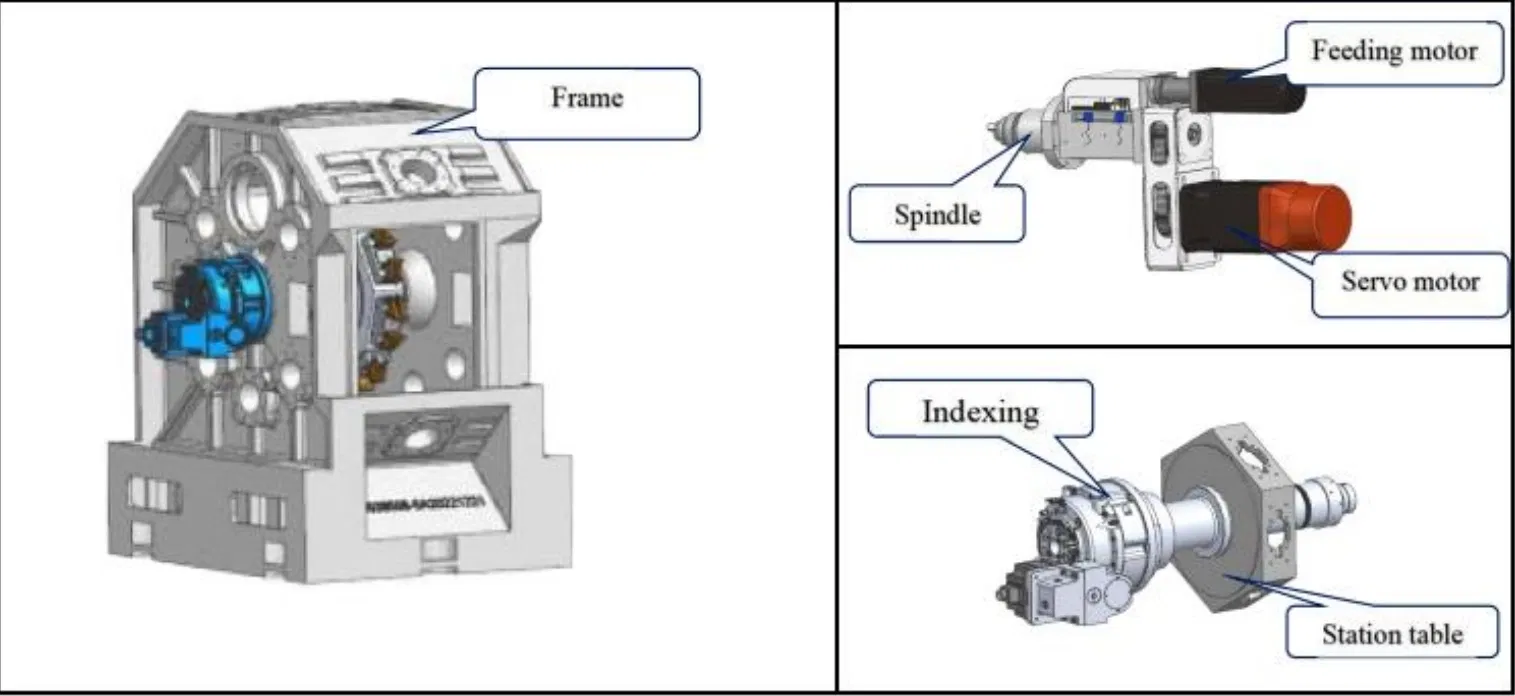
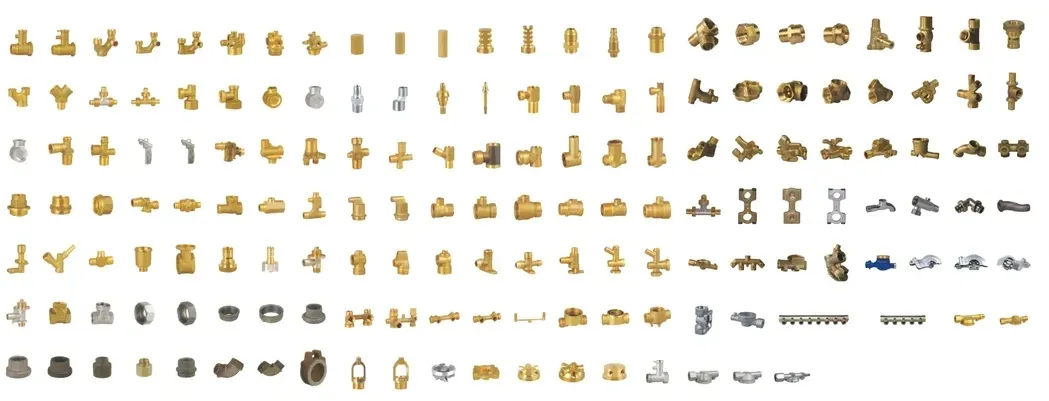
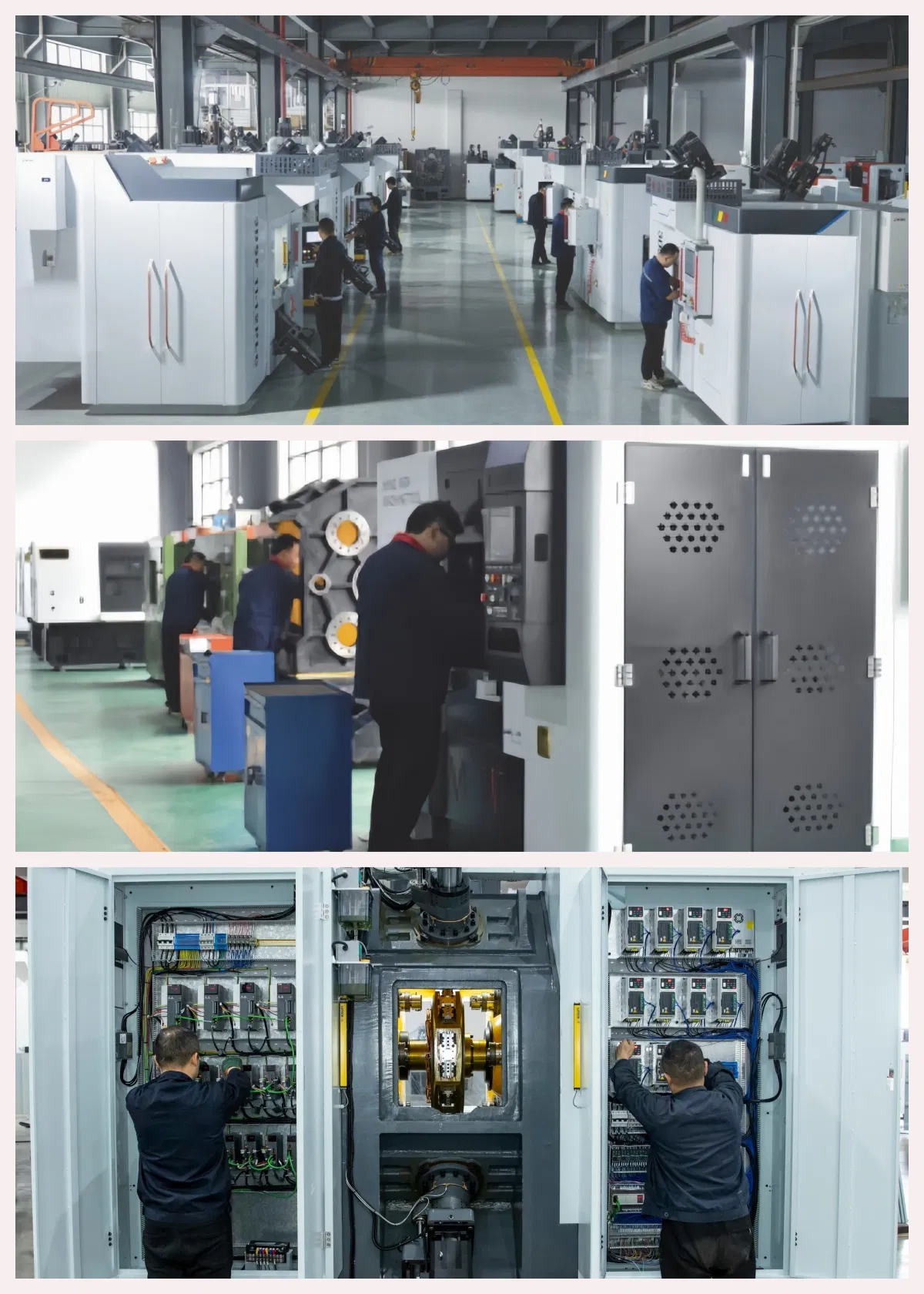
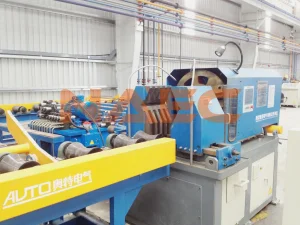
ℹ This is a multi-station transfer machine, designed to work for multi-spot processing needs. It completes the machining of the part within a very short cycle time through multi-spindles linkage. This demonstration shows the processing of parts for Stainless Steel Ball Valves (for PPR) machining. Its high-cost performance and efficiency are widely utilized in mass-production tasks, making it a perfect fit for compact workshop conditions. The compact structure and amazing cycle time compare favorably to standard single CNC turning machines or boring machines, performing with a huge advantage. It is easy to customize to specific user requirements on part processing, flexibly setting the power head according to process conversion.
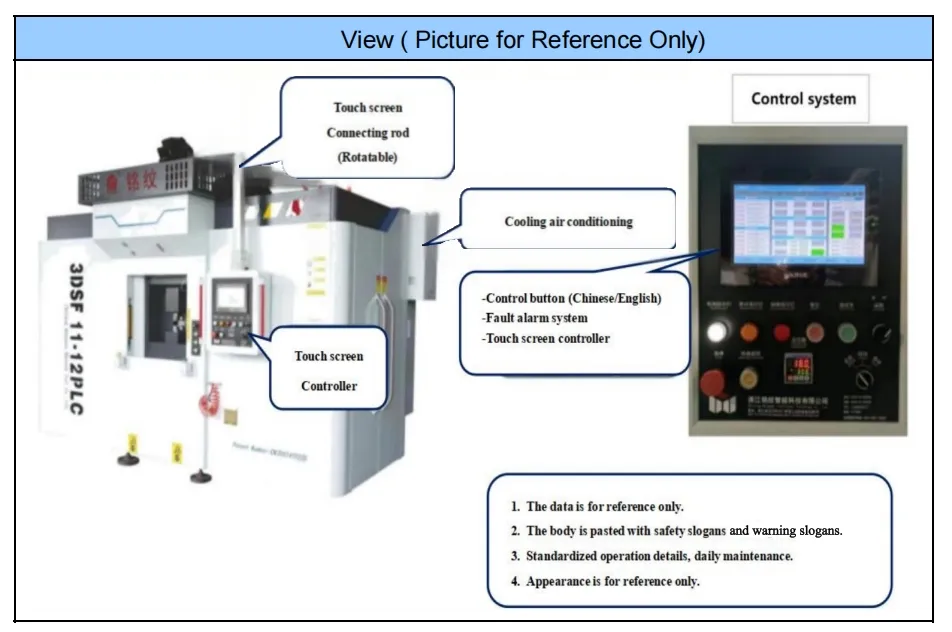
| Machine Specification |
Details |
| Machine name | High-performance Stainless Steel Ball Valve (for PPR) Rotary transfer machine |
| Application | Metalworking |
| Structural style | Vertical |
| Station & Spindle | Station and spindle - Customized according to the specific work piece machining requirements |
| Processing Precision | 0.01~0.02(mm) |
| Equipment size & weight | Size depends on specific products. Weight: 6-9 Tons (For reference only) |
| Cycle time | Based on specific work pieces (3-5 times more efficient than traditional processing methods) |
| Control system | PLC |
| Driving unit motor | Servo motor |
| Customized | Stations and spindles designed based on specific work pieces |
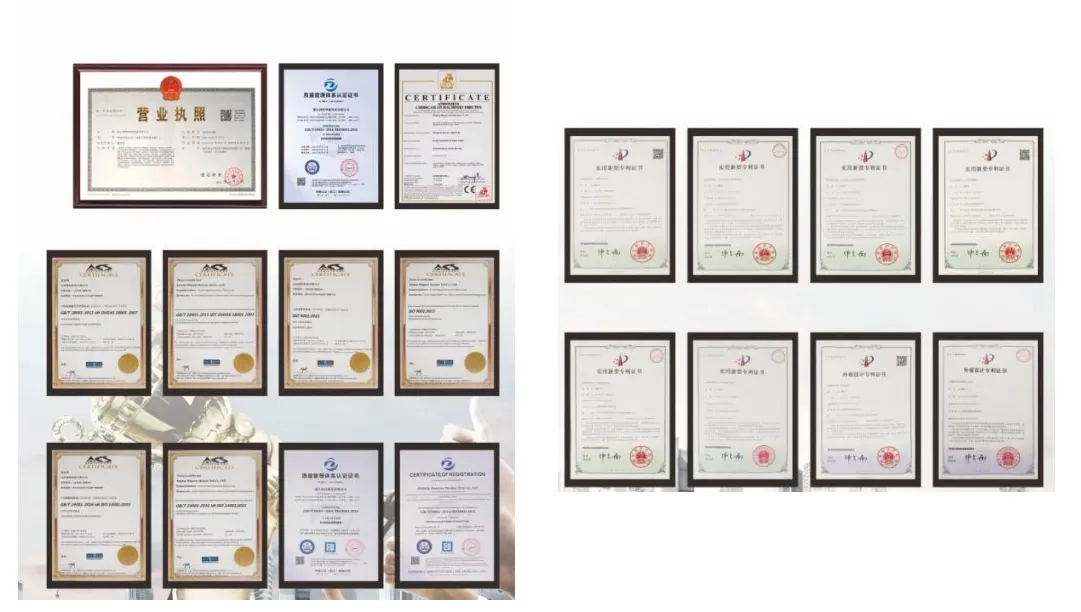
| Certification | GS, CE, ISO |
Company Profile
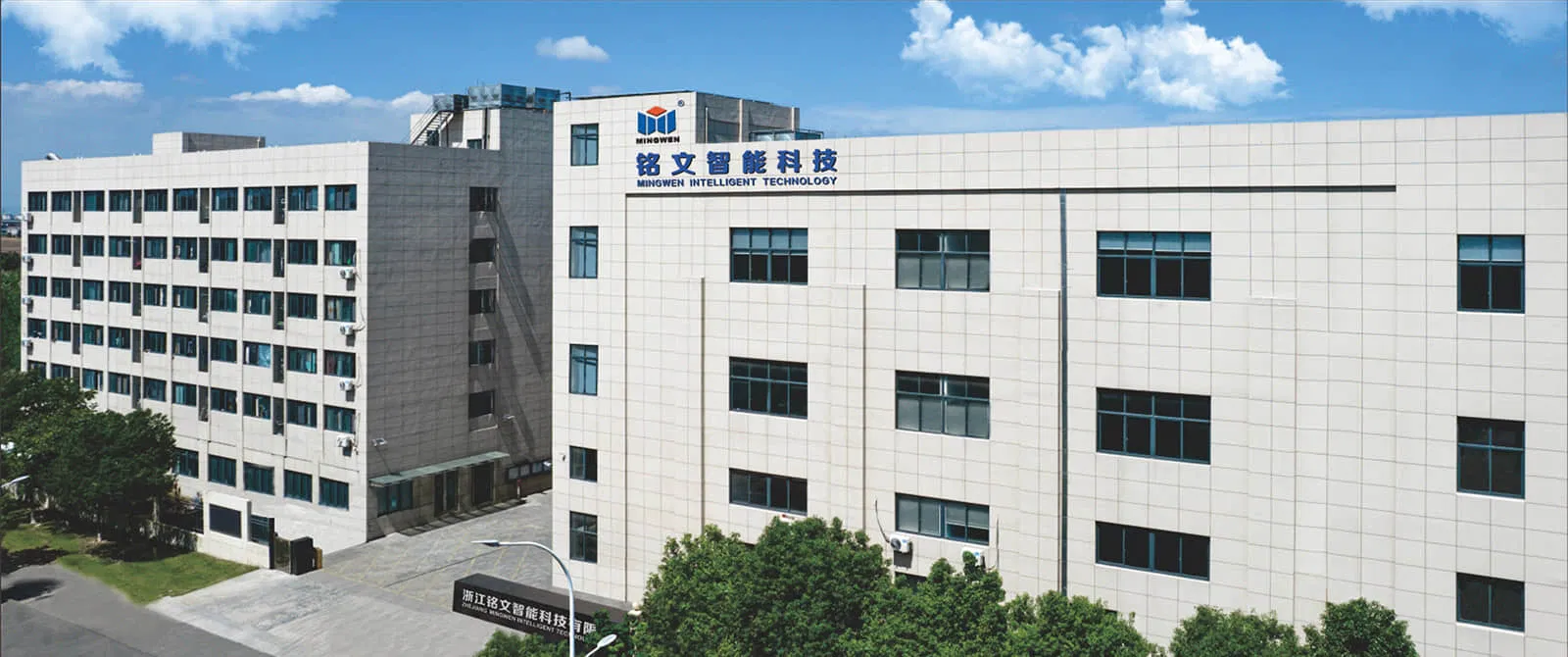
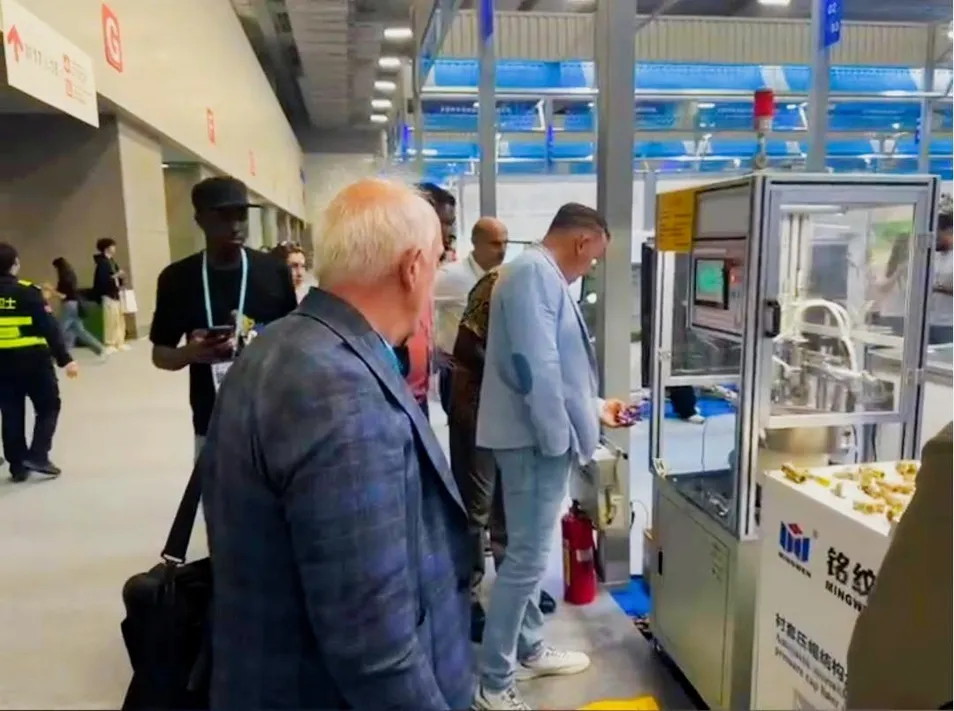
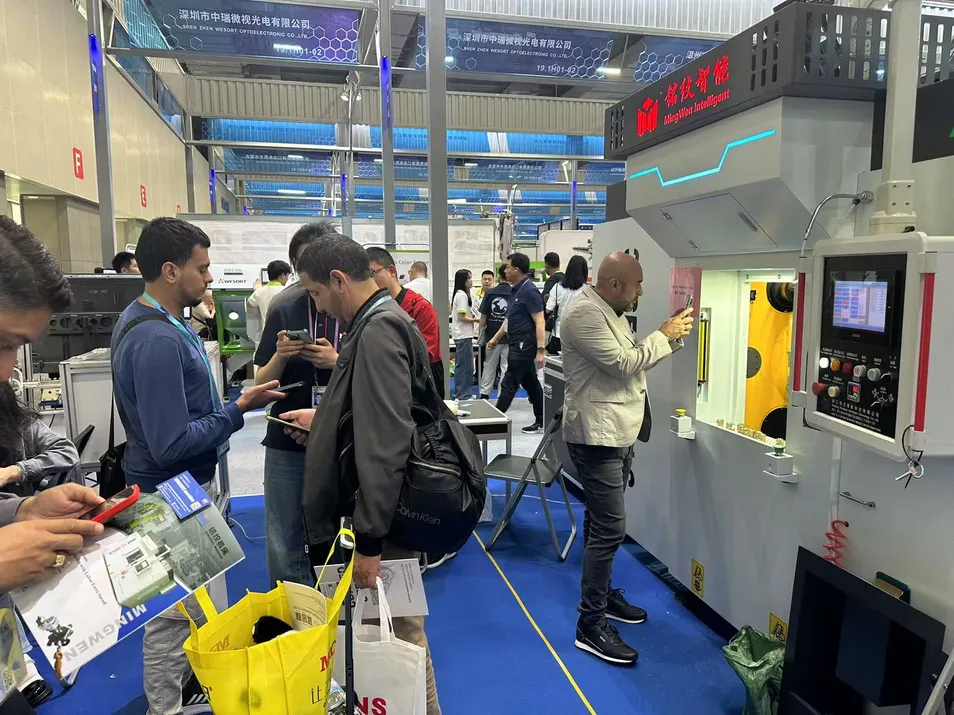
We are a leading Chinese manufacturer of metal machining machines with over 20 years of expertise. Certified with ISO 9001, GS, and CE, we export to 50+ countries and regions, offering reliable machinery backed by R&D innovation and strict quality control.
- Unique Team of Designers: Custom options for different types of OEM & ODM customer needs. A dedicated team of visionary designers is at your service, turning concepts into reality.
- OEM/ODM Services: Over 10 years of experience, including particular product function development, specific packaging, and sample development.
- Advanced R&D Facilities: Specialized R&D software department and R&D machinery department, pioneering next-generation technological marvels.
- Global Expert Input: Strong R & D team collaboration from Germany, Japan, and China, bringing together the best of global innovation.
- Tailored Solutions: Capabilities to design new machines with unique software based on your special requests.
Frequently Asked Questions
What is a rotary transfer machine and how does it work?
A rotary transfer machine is a multi-station machining system where workpieces are indexed around a circular path. Each station performs specific metalworking operations (such as drilling, milling, and tapping) simultaneously, delivering high-efficiency mass production in very short cycle times.
How much more efficient is this machine compared to traditional CNC machines?
The vertical rotary transfer machine is 3 to 5 times more efficient than traditional single CNC turning or boring machines. It allows for concurrent operations across multiple stations, reducing total setup and processing times drastically.
Can the stations and spindles be customized?
Yes. The configuration of stations, spindles, and power heads is fully customizable based on the specific design, geometry, and processing requirements of the target workpieces.
What certifications do your machining tools carry?
Our machinery conforms to rigorous international standards and carries GS, CE, and ISO certifications, ensuring safe, precise, and high-performance operations.
What materials and products are suitable for this machine?
This equipment is ideal for high-volume metalworking components. A prime example is the machining of stainless steel ball valves (for PPR systems) along with other precision components for the automotive, aerospace, and general manufacturing industries.
What options are available for chip management?
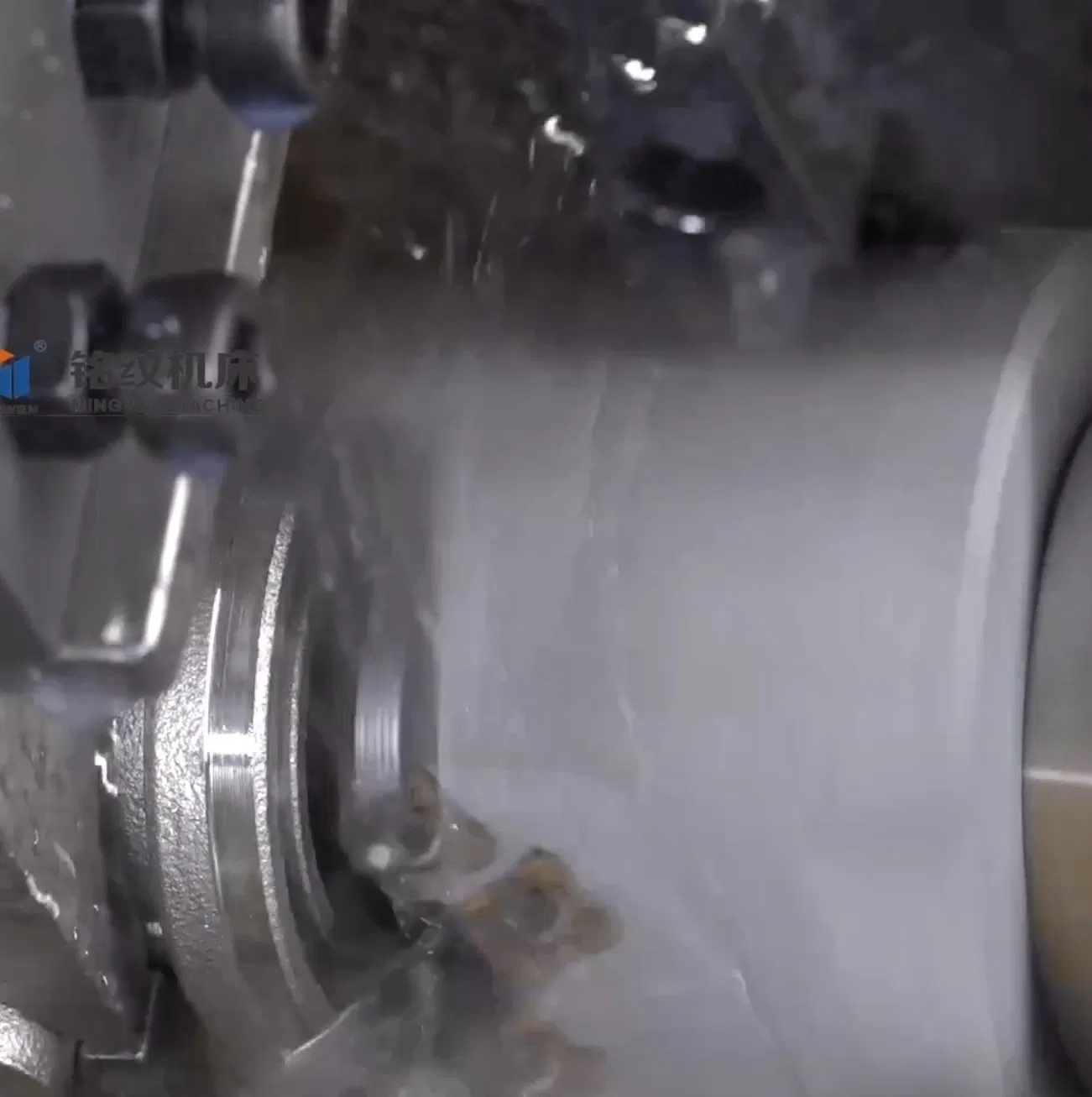
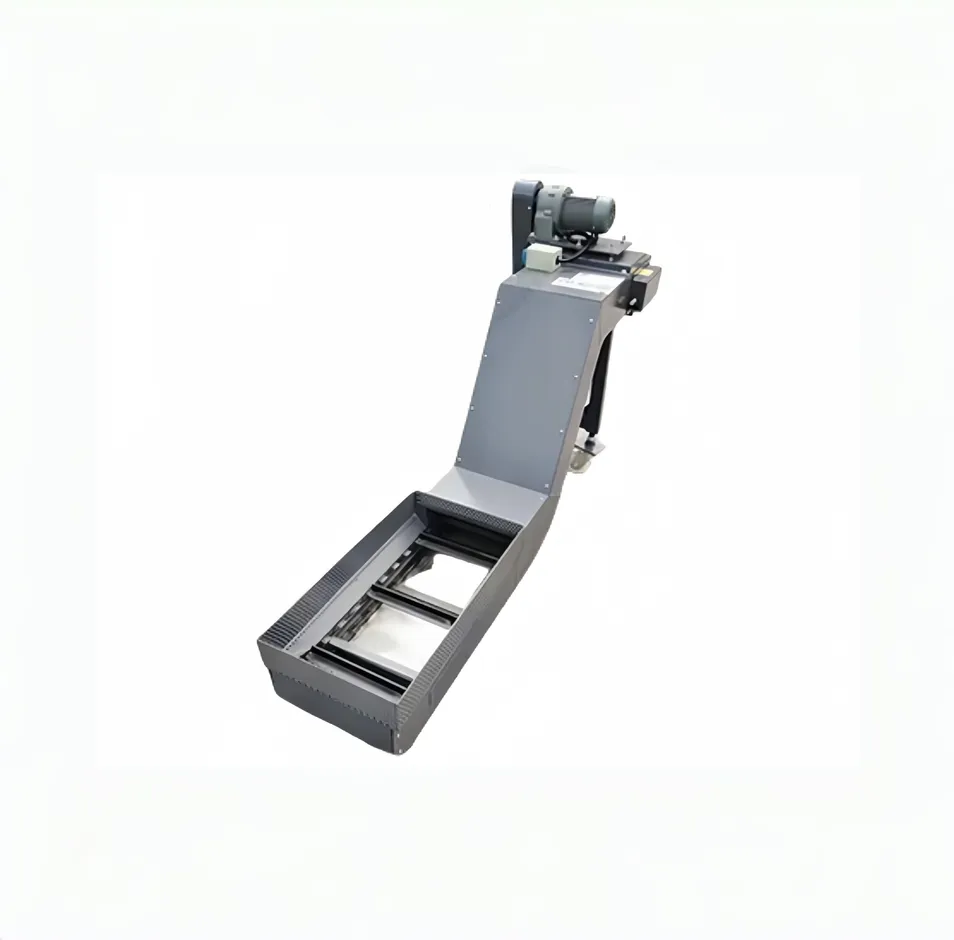
The system incorporates advanced chip management options including automated chip conveyors and chip collection trays. These mechanisms ensure a clean work environment, continuous performance, and minimum downtime.
 Carto Tool