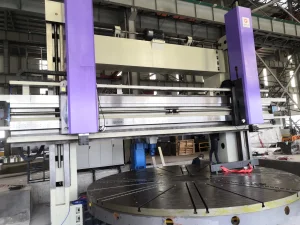
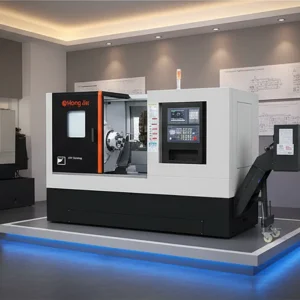
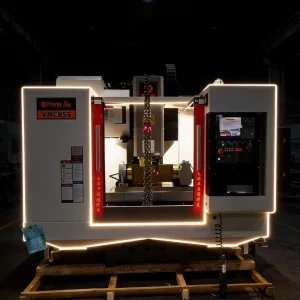
Engineered CNC cutting systems, carbide tooling inserts, and precision controllers designed for maximum material removal rate and micro-level tolerances.
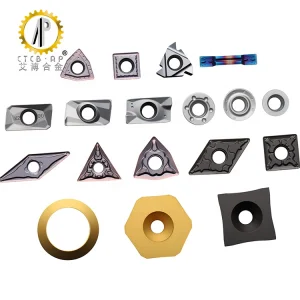
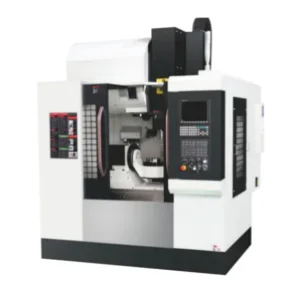
Understanding the engineering mechanics, kinematic stability, and metallurgical innovations of custom industrial milling and cutting assemblies.
Modern industrial scaling relies heavily on the performance predictability and raw material efficiency of vertical cutting systems. In high-speed machining environments, the dynamics of vertical force application demand sophisticated structural design. By focusing on customized original equipment manufacturer (OEM) solutions, manufacturers can match specific material behaviors (from ultra-hard titanium alloys to high-ductility composites) with custom tool profiles, specialized substrate coatings, and tailored CNC integration controllers. The primary goal is reducing tool runout, maintaining thermal equilibrium during operation, and ensuring high-efficiency chip evacuation.
Information Gain Concept: Traditional vertical cutting units suffer from dynamic deflection and harmonic amplification at high rotational velocities. Custom OEM vertical cutting system manufacturers now counteract this through advanced structural damping, Finite Element Analysis (FEA) optimization of cutting geometries, and integrated coolant systems that deliver heat mitigation directly to the tool-tip contact zone.
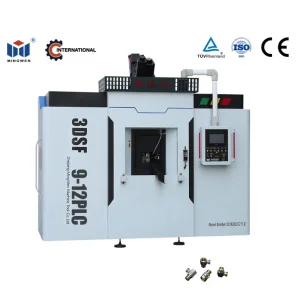
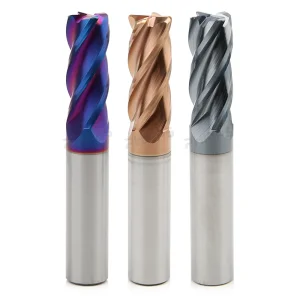
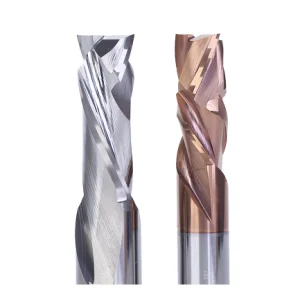
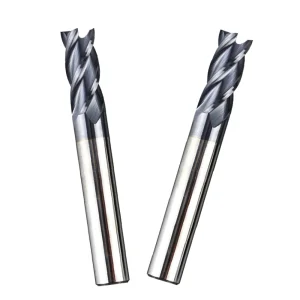
The core structural stability of a vertical machining process is governed by the rigidity of both the holding tool system and the cutting head. Unlike horizontal machining, vertical cutting processes must continuously combat gravity-induced tool deflection and axial vibration. High-precision solid tungsten carbide end mills and specialized single-crystal diamond (MCD) tools require a controller system capable of micro-compensation. By integrating multi-axis CNC systems that incorporate real-time screw compensation and tool path correction, manufacturers achieve a degree of repeat accuracy previously thought impossible in heavy-duty vertical operations.
The technological trajectory of vertical material removal: Smart automation, adaptive feeds, and nanocomposite metallurgy.
Real-time edge processing and sensor integration within the cutting head allow tomorrow's vertical mills to adjust spindle speeds and feed rates autonomously, mitigating thermal overload and preventing tool breakages before they happen.
Deposition technologies like PVD and CVD are advancing towards multi-layer TiAlN and AlCrN nanocomposites. These coatings create ultra-dense thermal barriers, allowing dry machining of high-temperature alloys at speeds exceeding 1,200 m/min.
The blurring of boundaries between laser-cladding and vertical profile cutting. Future machining complexes will deposit raw material layers and perform immediate vertical surface micro-finish cutting in a single synchronized processing chamber.
How bespoke vertical cutting technologies overcome the distinct metallurgical and design challenges of global industrial sectors.
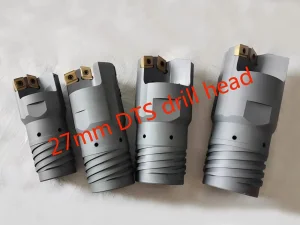
Aerospace components demand the highest strength-to-weight ratios, requiring materials like Inconel, Titanium Ti-6Al-4V, and high-performance carbon-fiber composites. Traditional milling solutions fail under the extreme heat generated during cutting. Our custom OEM carbide end mills and drilling systems utilize customized flute geometries and deep-channel interior coolant systems. By matching the thermal expansion coefficients of the carbide substrates with specialized AlTiN coatings, tool life is extended by up to 350% during vertical pocket milling of aero-structural ribs.
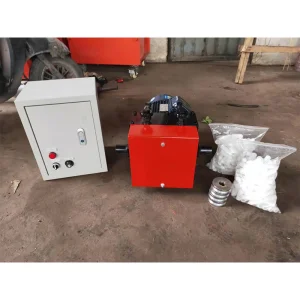
In high-volume automotive production, cycle times dictate total operational profitability. With the rise of electric vehicles, battery housing assemblies and drive-motor covers require large-scale, high-speed vertical surface face-milling on aluminum alloys. By implementing custom single-crystal diamond (MCD) tools and rotary transfer systems, manufacturers can eliminate multi-step grinding and achieve high-gloss, mirror-like finishes in a single pass. Our custom hydraulic rotary systems assure fast and secure loading cycles, keeping tool uptime maximum.
Mold manufacturing requires cutting through tool steel hardened to over HRC 45, and in some cases up to HRC 65. The cutting tools must endure high shear stresses without chipping or losing dimensional accuracy. The combination of Carto Tool's HRC 45 and HRC 55 series solid tungsten carbide end mills with advanced CNC systems ensures stable helical milling, precise pocketing, and sharp corner definition without manual secondary polishing. This eliminates human error and saves up to 40% of standard production times.
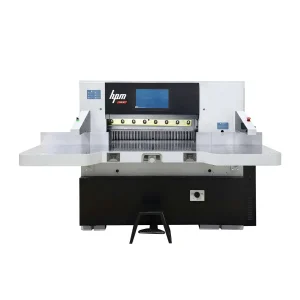
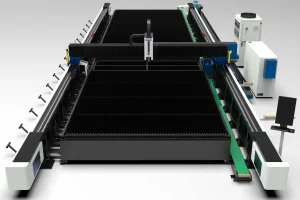
Heavy fabrication plants handling thick-gauge structural metals need ruggedized cutting systems that endure intense vibrations. For these demanding duties, automatic computerized paper-cutting systems and industrial ground rail laser cutters with capacities ranging from 12,000W to 60,000W provide clean, vertical edge results on thick plate steels, ensuring excellent pre-weld preparation and minimize subsequent surface preparation.
Harnessing advanced automation, localized metallurgical integration, and optimized logistics to ensure continuous supply chain predictability.
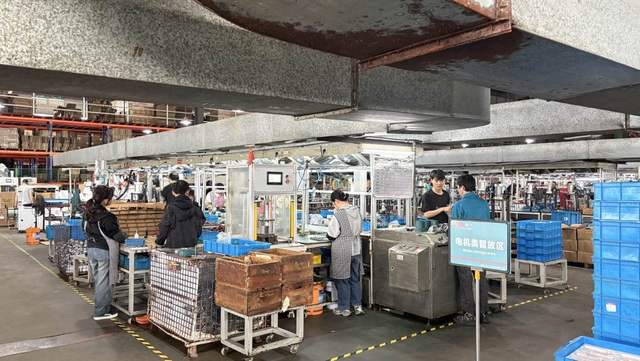
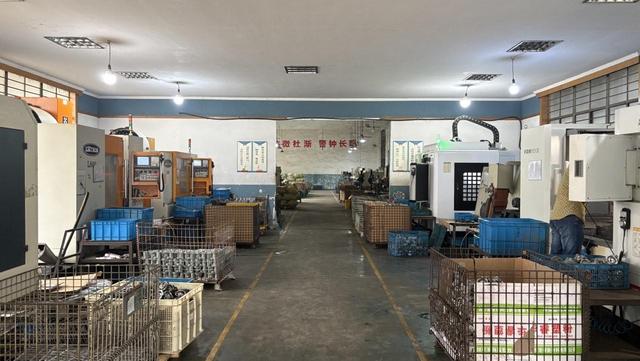
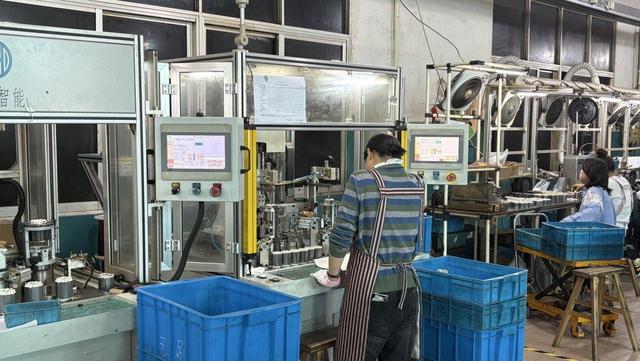
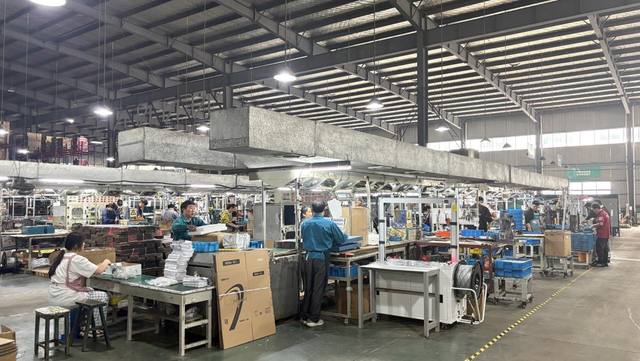
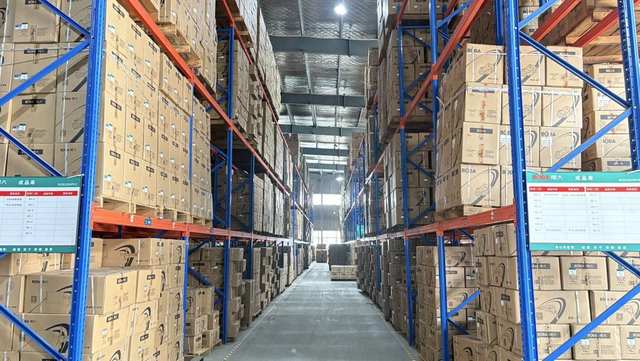
China's industrial landscape has transitioned from high-volume assembly lines to highly integrated, digitally managed smart factories. As a key player in this evolution, Dongguan Carto Tool Co., Ltd. leverages a highly developed local ecosystem of raw material sourcing, automated precision grinding, and smart logistics. This unique positioning allows us to respond to global design and tooling demands at speeds that traditional manufacturing hubs cannot match.
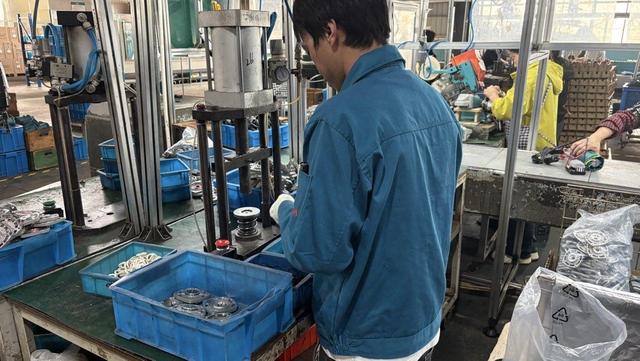
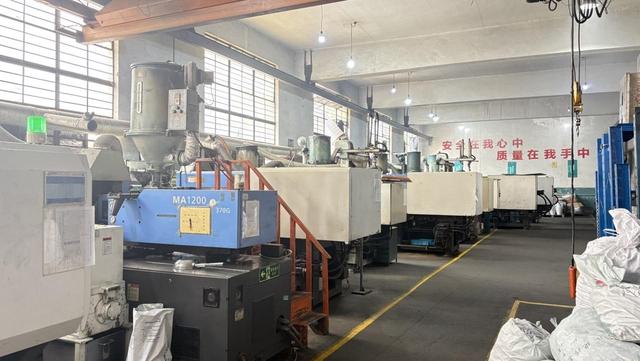
Our manufacturing centers employ multi-axis CNC grinding units running under integrated MES software, ensuring that each solid carbide tooling batch maintains identical geometries. By sourcing raw tungsten carbide powder locally and processing it in-house with advanced sintering and profiling machines, we avoid global raw material bottlenecks and keep lead times highly predictable. Through real-time tracking systems and integrated quality assurance gates, we deliver complete repeatability across both small-batch custom tooling and high-volume OEM manufacturing campaigns.
| Factor | Traditional Supply Chain | Carto Tool Factory 4.0 Integration |
|---|---|---|
| Custom Prototype Turnaround | 3 - 5 Weeks | 5 - 7 Business Days |
| Batch-to-Batch Tolerance | ± 0.015 mm | ± 0.002 mm (Micro-tested) |
| Raw Material Control | Outsourced Substrates | In-House Carbide Sintering Control |
| Production Visibility | Manual Stage Auditing | Real-Time MES Digital Tracking |
Simplifying cross-border trade, managing technical documentation, and delivering international engineering service SLAs.
Securing a steady supply of tooling and machine controllers across international borders requires more than just high-quality manufacturing; it demands strict adherence to global regulatory frameworks, transparent quality control systems, and comprehensive logistics support. At Dongguan Carto Tool Co., Ltd., we support our global distributors, OEM partners, and industrial plants through established procurement processes that minimize customs risk, guarantee tool tracking, and ensure mechanical compatibility with all major CNC machine tool configurations (including Siemens, Fanuc, and Taiwan Syntec control architectures).
All carbide tooling, CNC controllers, and rotary systems are engineered and tested in accordance with ISO 9001:2015 quality management standards. Electric and electronic units, including our multi-axis lathe controllers, comply with CE regulations and come with complete electromagnetic compatibility (EMC) certifications to ensure effortless integration into Western European and North American industrial settings.
Through partnerships with Tier-1 international freight forwarders, we provide flexible delivery terms including FOB, CIF, DDP, and DAP. We provide detailed HS code classifications, material composition analyses, and country-of-origin certificates. This prevents delays at global import customs terminals, ensuring that replacement tooling reaches your factory floor on time.
Every custom OEM contract is backed by a dedicated engineering service level agreement (SLA). Our technical application engineers are available via video conference to troubleshoot tool runout, advise on cutting speeds and feeds, optimize CAM post-processors, and customize CNC macro-instructions for specialized manufacturing tasks.
A professional leader in high-performance CNC tooling, milling systems, and custom OEM manufacturing.
Dongguan Carto Tool Co., Ltd. is a professional manufacturer specializing in industrial cutting tools, CNC machining tools, milling systems, turning solutions, and precision metal cutting technologies. The company is dedicated to providing high-performance tooling solutions for modern manufacturing industries, including automotive, aerospace, mold processing, machinery production, and general metal fabrication.
Since its establishment, Carto Tool has developed from a small-scale cutting tool workshop into a specialized industrial tooling supplier with integrated R&D, production, and quality control capabilities. In its early stage, the company focused on basic turning and milling tool production for local machining workshops. With the rapid growth of China’s manufacturing sector, Carto Tool expanded its technology base and began developing more advanced CNC-compatible cutting systems to meet higher precision and efficiency requirements.
During its development phase, the company invested in carbide material research, coating technology improvements, and CNC tool geometry optimization. It introduced modern production lines and precision grinding equipment to ensure stable performance and long tool life. At the same time, Carto Tool strengthened its testing systems to improve cutting accuracy, wear resistance, and thermal stability across different machining environments.
Today, Dongguan Carto Tool Co., Ltd. serves global industrial clients with a wide range of cutting tool solutions designed for high-speed, high-precision, and heavy-duty applications. The company continues to focus on innovation in CNC machining efficiency, metal cutting performance, and cost optimization for manufacturers. With a commitment to quality and engineering excellence, Carto Tool aims to become a trusted international supplier in the industrial cutting tools industry, supporting smarter and more efficient global manufacturing systems.
Get authoritative insights on tool materials, customization capabilities, CNC integration, and operational optimization.
We utilize premium sub-micron and ultra-fine grain carbide substrates (typically containing 10% to 12% Cobalt binder). This fine grain structure provides a superior balance of hardness (up to 92 HRA) and transverse rupture strength, preventing micro-chipping along the cutting edges during heavy milling operations.
Single-crystal diamond (MCD) offers extreme hardness and heat dissipation, yielding mirror-like surface finishes (Ra < 0.05 μm) on non-ferrous metals like aluminum and acrylics. However, for machining ferrous alloys, cobalt-bonded tungsten carbide end mills remain the preferred choice because diamond suffers from chemical wear when exposed to iron at high temperatures.
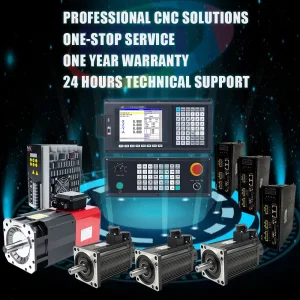
Yes. Our CNC controllers support analog and digital pulse interfaces, allowing integration with various servo drives. Featuring built-in pitch error screw compensation, electronic turrets, and standard USB support, they easily upgrade manual machines into high-precision, CNC-controlled units.
Our OEM process starts with analyzing your part drawings or component CAD files. Our engineers use advanced CAM simulation software to design customized tool profiles, select the ideal carbide grade, and apply the most effective coatings. Once the 3D designs are approved, we grind prototypes on high-precision CNC tool grinders, verify dimensions using optical scanners, and run test cuts prior to starting mass production.
Integrated coolant delivery helps regulate temperatures at the tool-tip, preventing thermal cracking of the tool and thermal expansion of the workpiece. This thermal control preserves dimensional accuracy and improves chip evacuation, which prevents recutting chips and extends tool life by up to 50% in deep pocket milling.
We support sea, air, and express delivery methods under standard Incoterms (including FOB, CIF, DDU, and DDP). We prepare all necessary shipping documentation, certificate of origin, and custom declarations to make importing as smooth and straightforward as possible.
High-capacity automated paper cutters, laser systems, and high-precision vertical lathe systems engineered for industrial environments.
 Carto Tool