Product Description
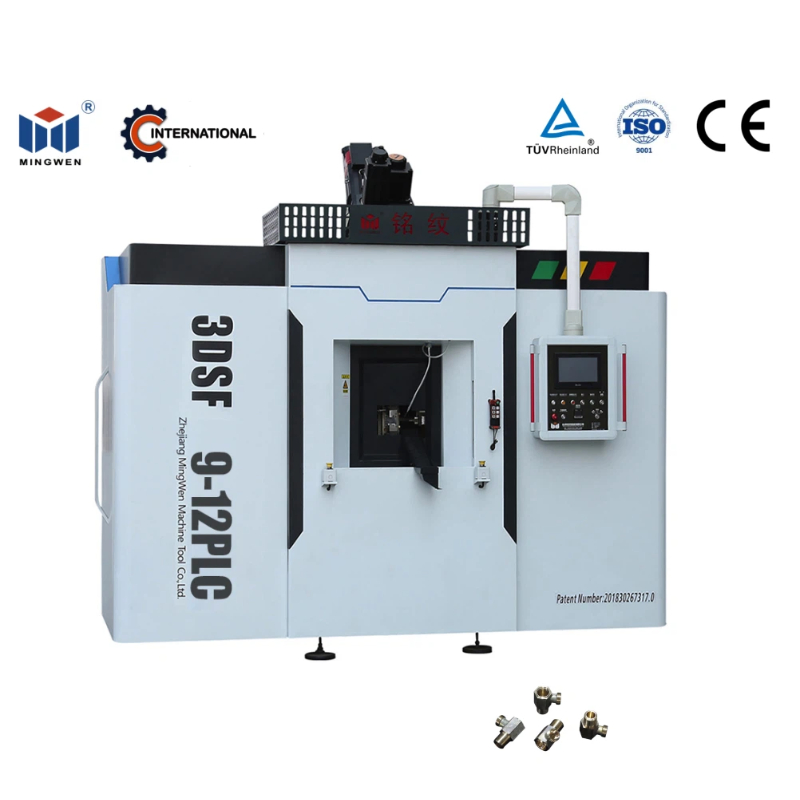
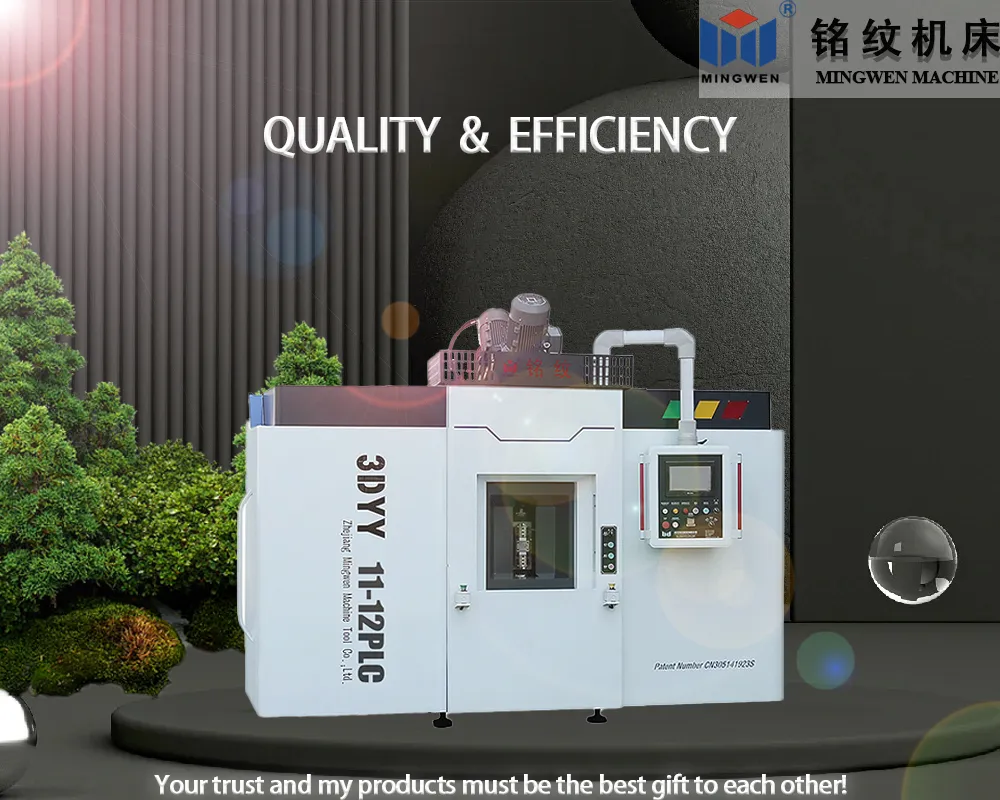
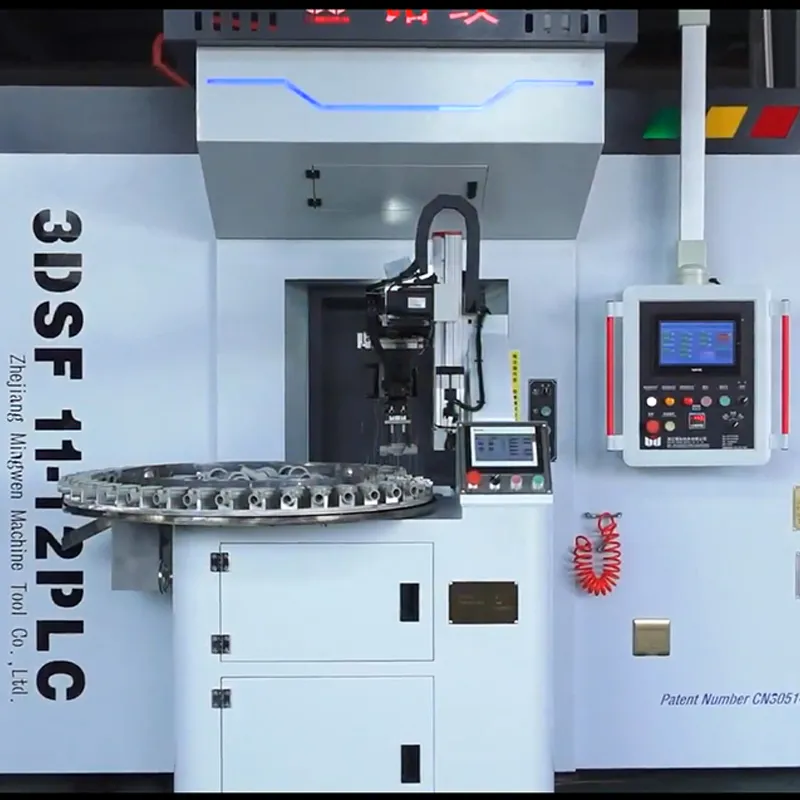
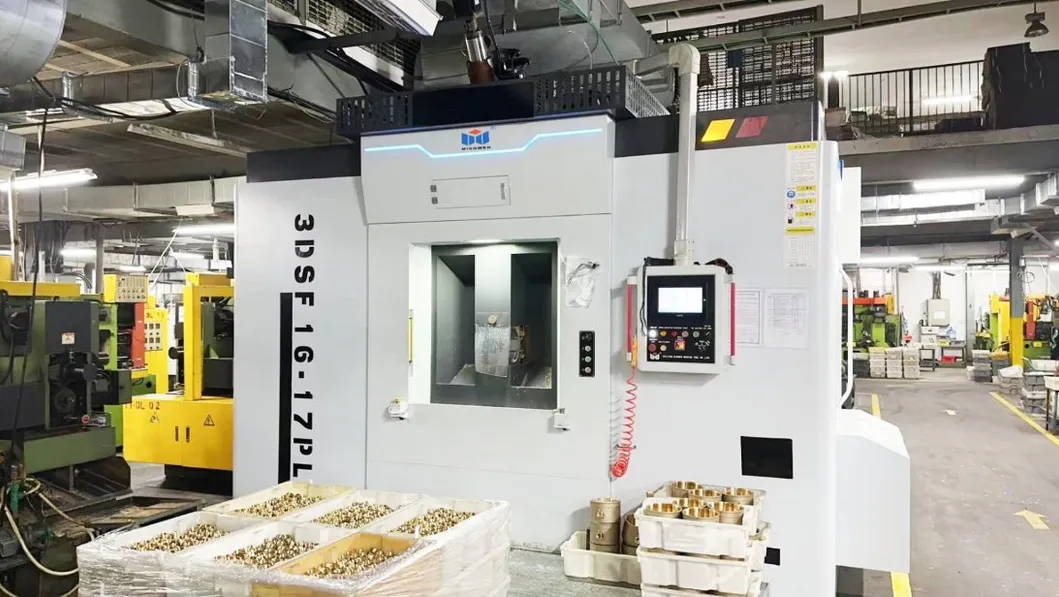
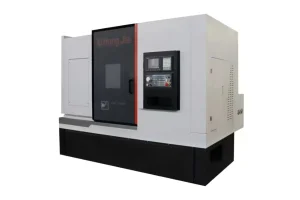
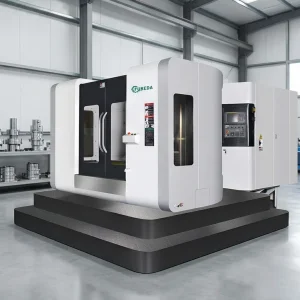
Servo-Driven Multi-Station Angle Valve Rotary Transfer Machine (3DYY 11-12PLC)
Parameters
| Machine name |
Servo-driven multi-station angle valve rotary transfer machine |
| Application |
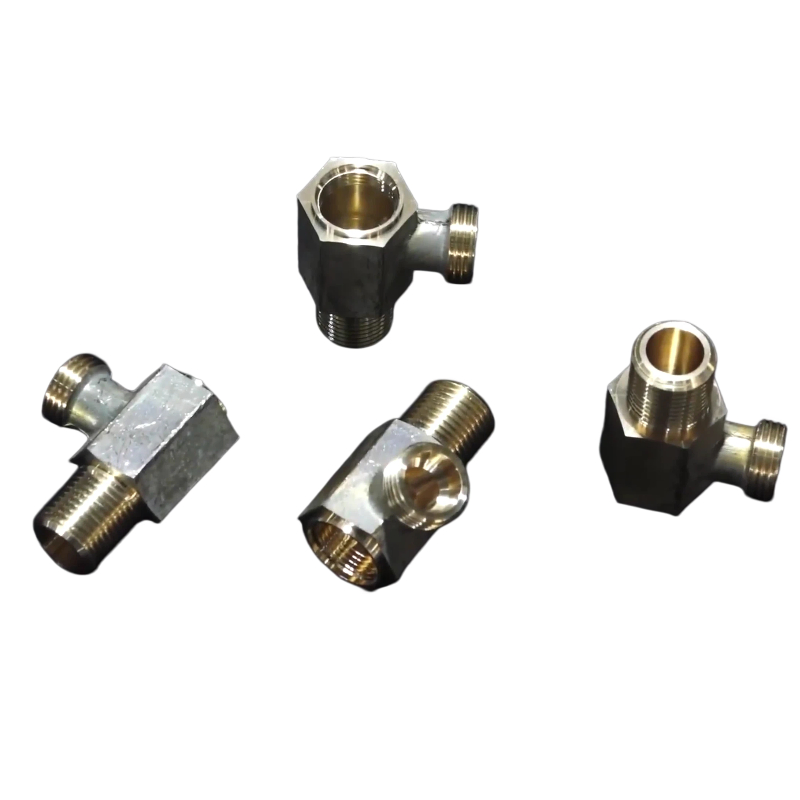
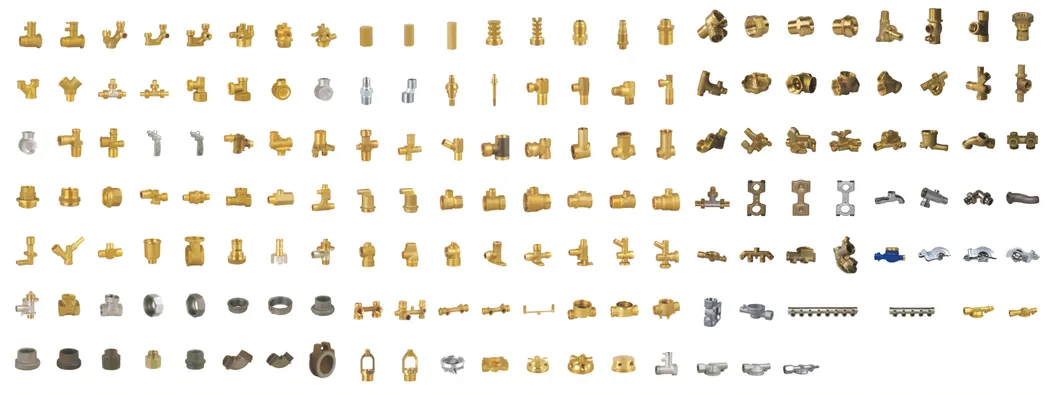
copper, aluminum, steel, cast iron and other materials |
| Structural style |
Horizontal |
| Station & Spindle |
Station and spindle - Customized according to the specific work piece machining requirements |
| Processing Precision |
0.01~0.02(mm) |
| Equipment size & weight |
Size is depends on the specific products. Weight: 6-9 Tons (For reference only) |
| Cycle time |
Based on specific work pieces (3-5 times more efficient than traditional processing methods) |
| Control system |
CNC/PLC (Option) |
| Driving unit motor |
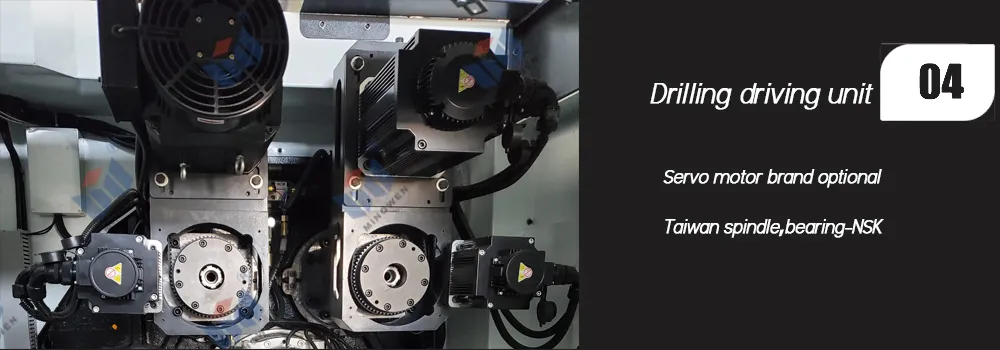
Servo motor |
| Certification |
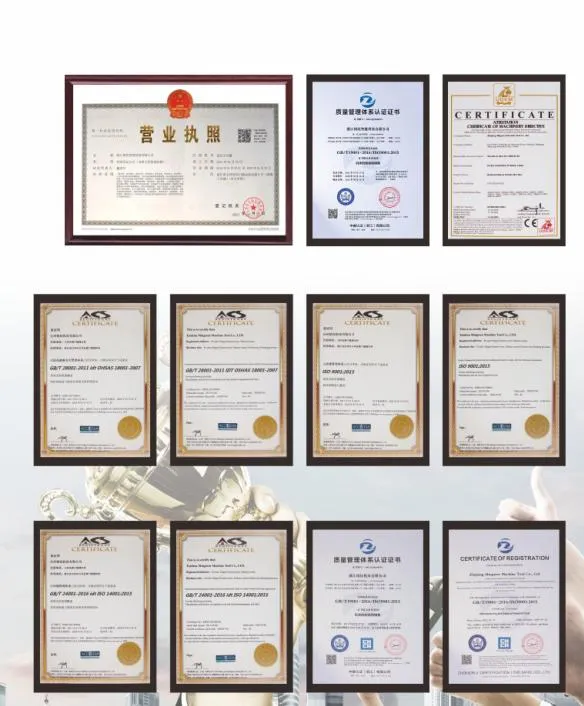
GS, CE, ISO |
Product Details
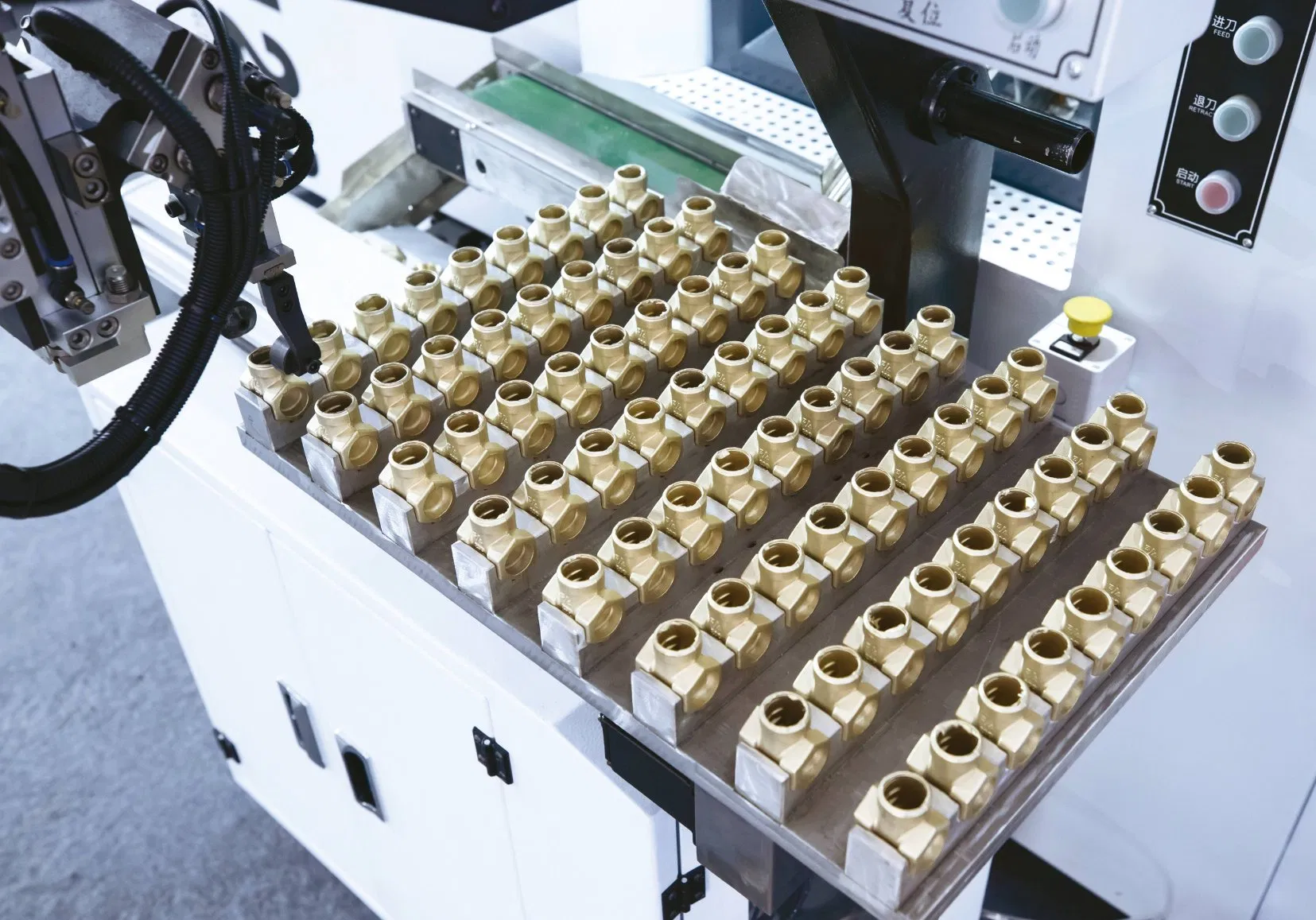
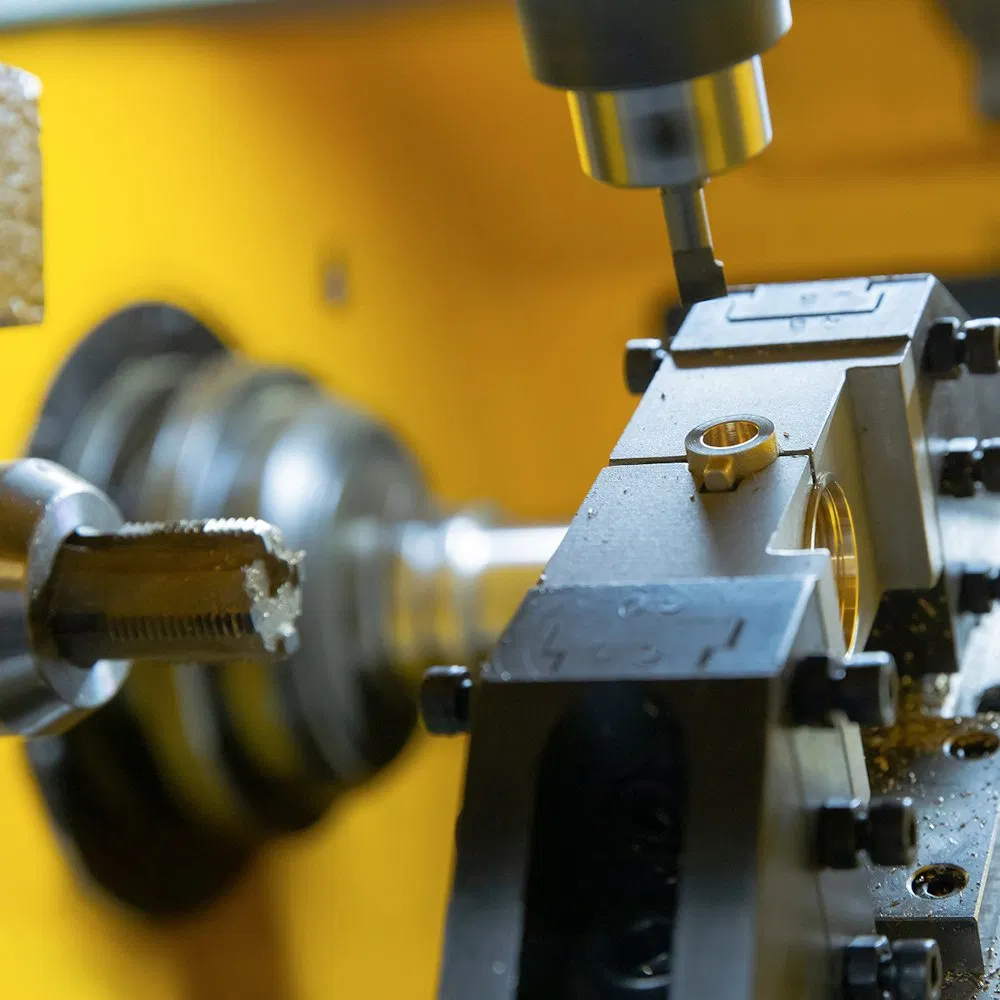
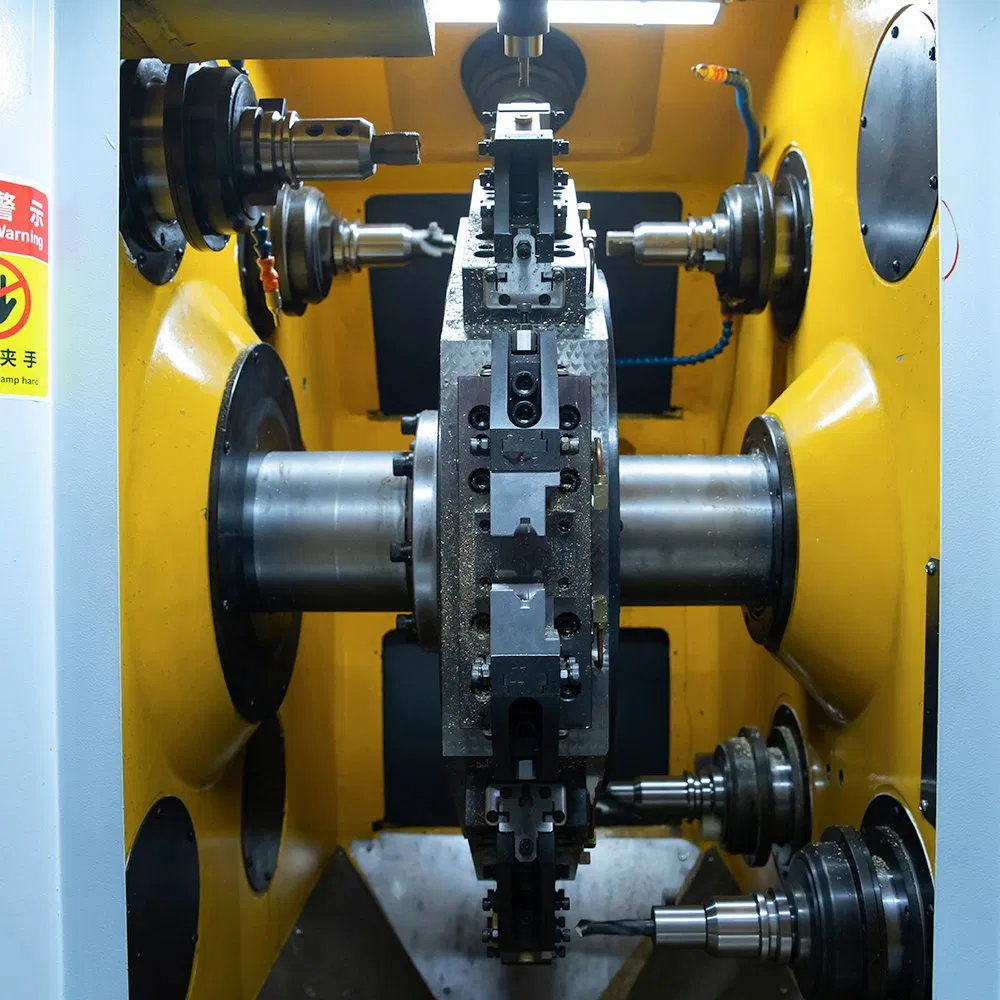
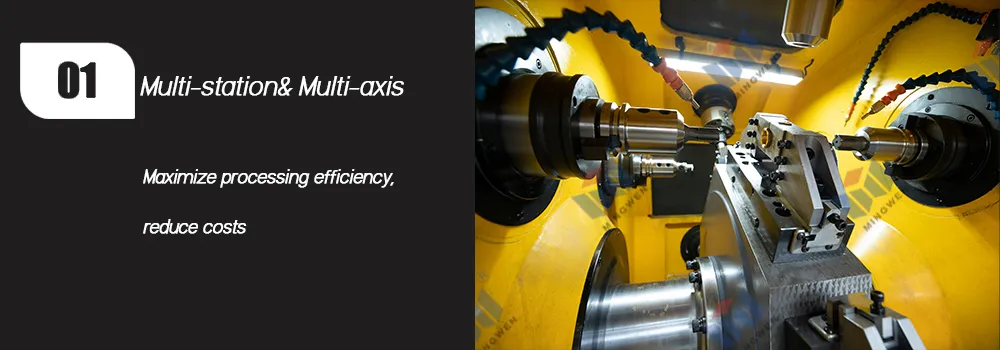
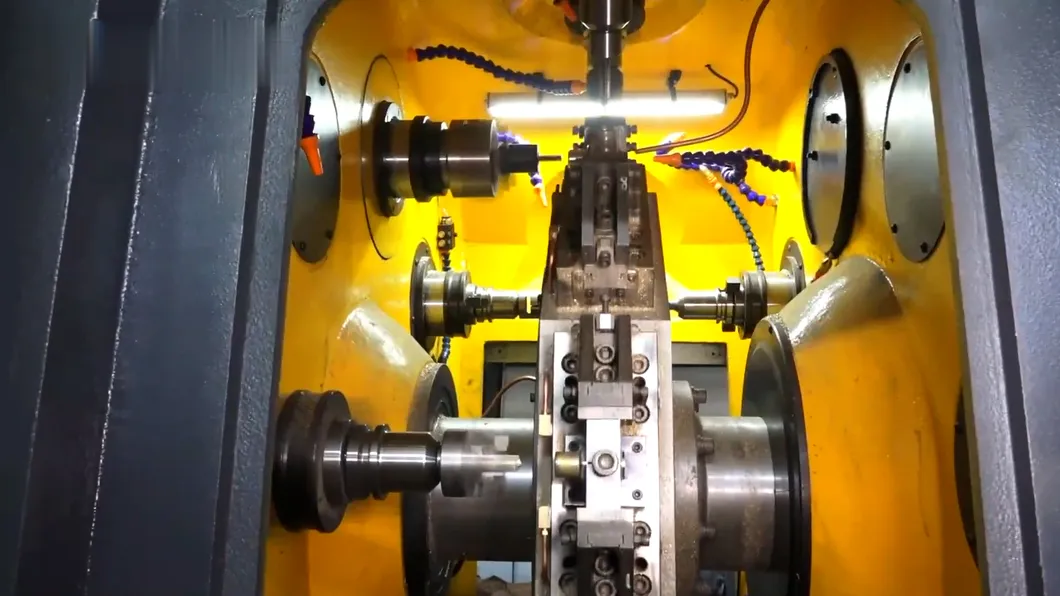
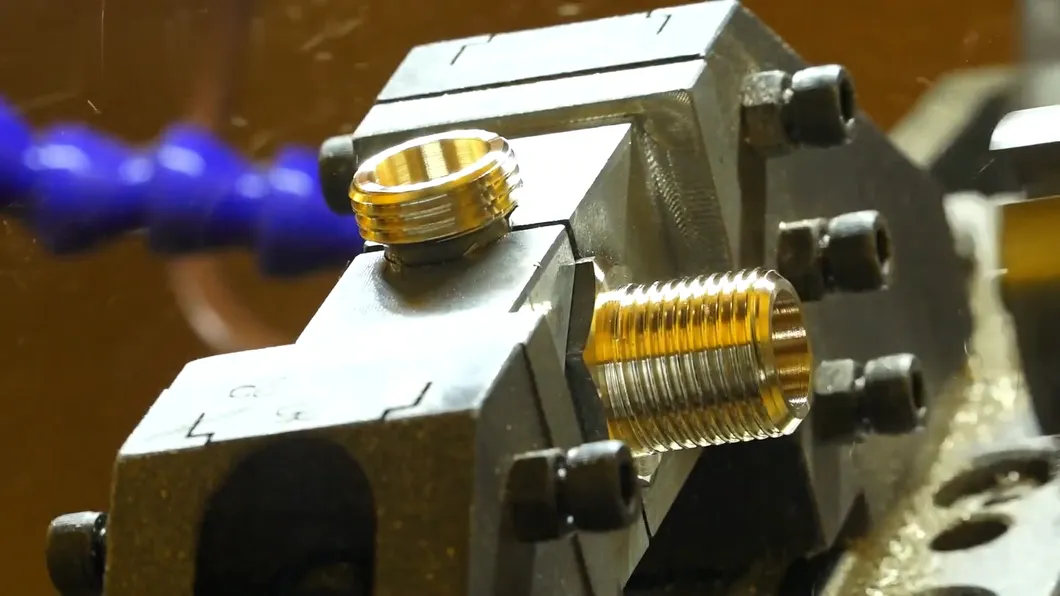
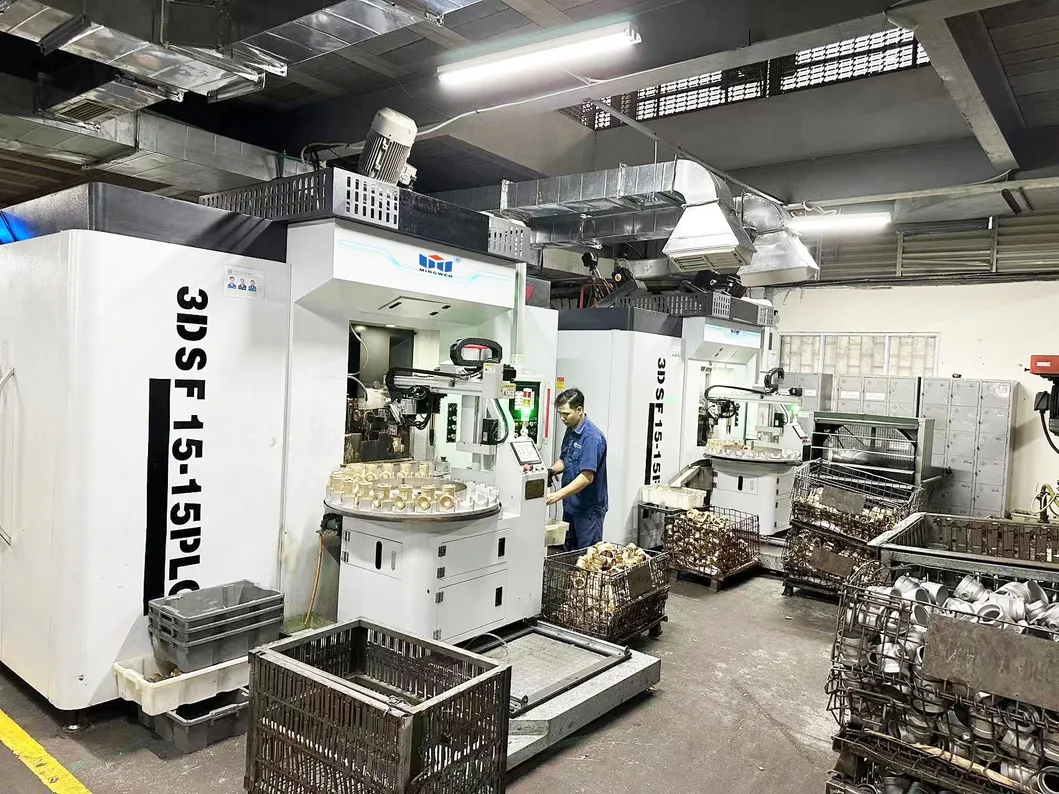
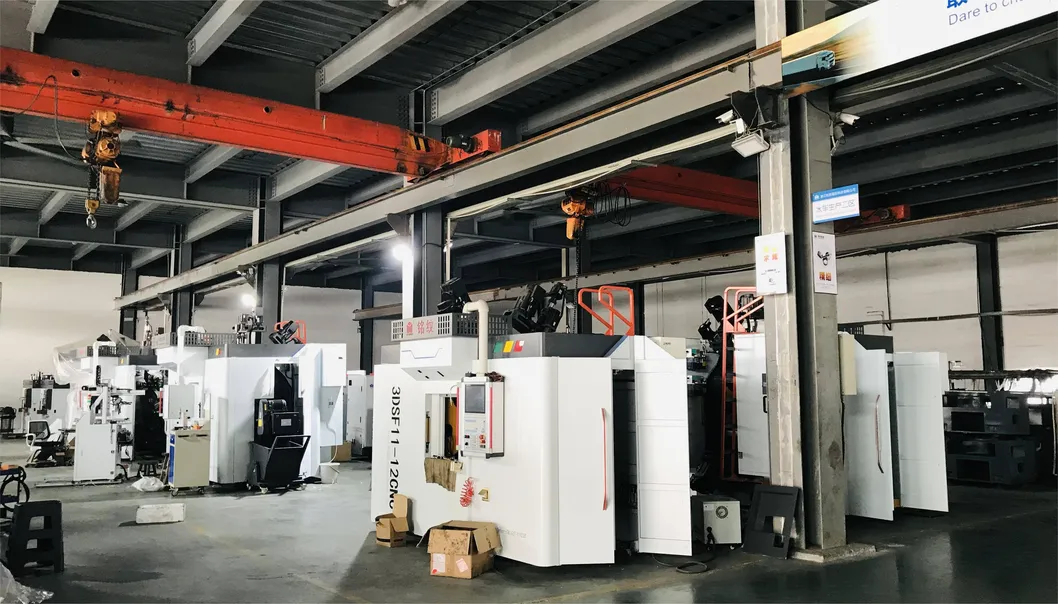
Multi-stations, multi-spindles rotary transfer machine (Customized according to specific work pieces)
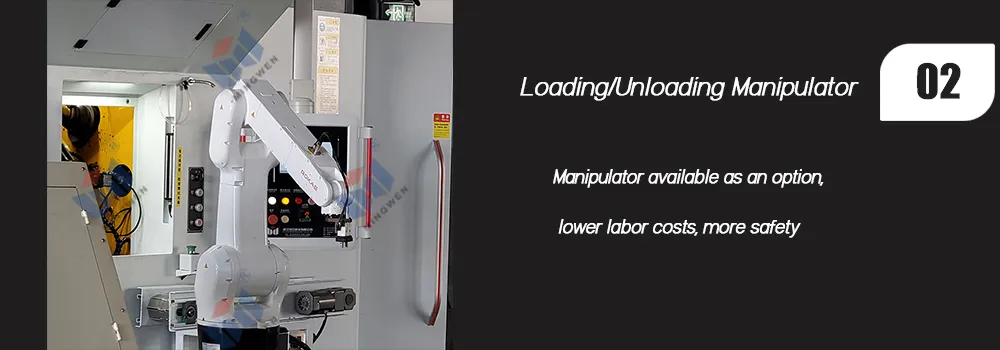
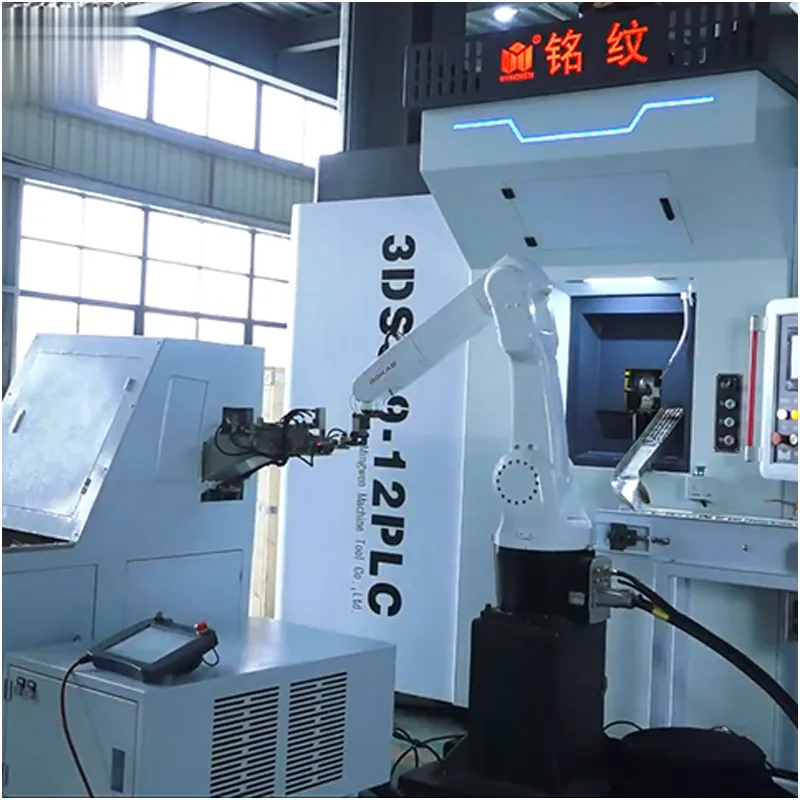
Work piece loading/unloading (Automatic or Manual - Customized according to specific work piece)
Our Advantages
Rotary transfer machines offer several advantages in the manufacturing industry due to their unique design and capabilities. Here are some of the key advantages:
- High production rates: Designed to handle multiple workstations simultaneously, allowing for the concurrent processing of multiple parts. This results in high production rates and increased throughput.
- Precision and accuracy: Built with high-quality components and advanced control systems. The rotary motion allows for consistent and repeatable positioning, leading to tight tolerances.
- Reduced setup time: Designed for quick changeovers between different production runs, reducing downtime and increasing overall efficiency.
- Flexibility: Handles a wide range of part sizes and geometries, offering versatility in manufacturing different components.
- Cost-effectiveness: High production rates and efficiency lead to substantial long-term cost savings, lowering the cost per part.
- Operator safety: Often fully enclosed to protect operators from machining hazards and contain chips and coolant.
- Minimized cycle times: Simultaneous processing of multiple parts significantly reduces cycle times.
- Automation integration: Easily integrates into automated production lines, enabling lights-out autonomous operations.
- Space-efficient: Designed to occupy a relatively small footprint compared to multiple traditional standalone machines.
- Consistency and reliability: Delivers consistent operation, minimizing variations in part quality and reducing defects.
Successful Business Case
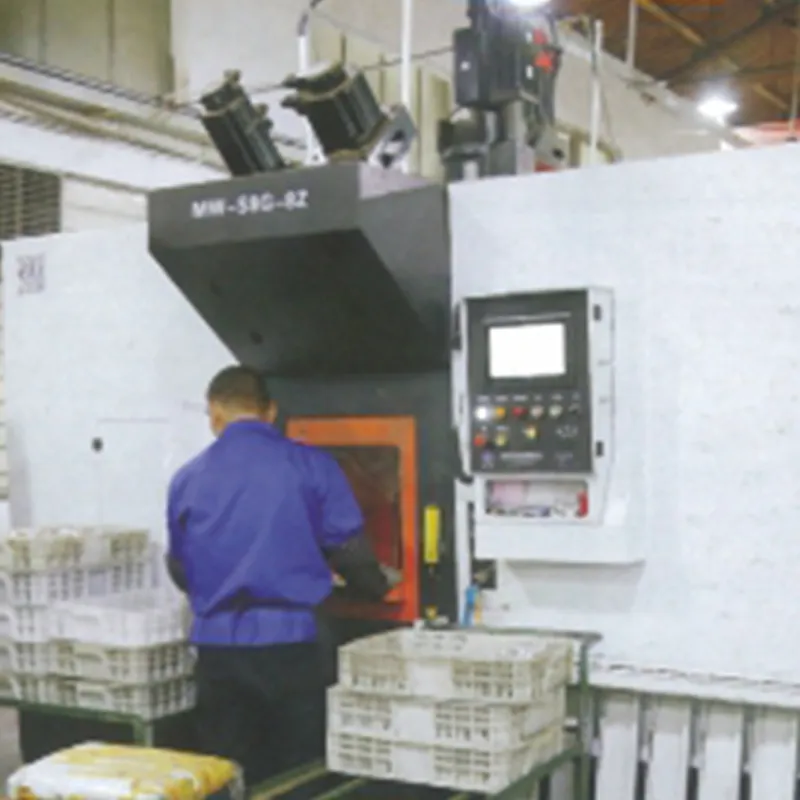
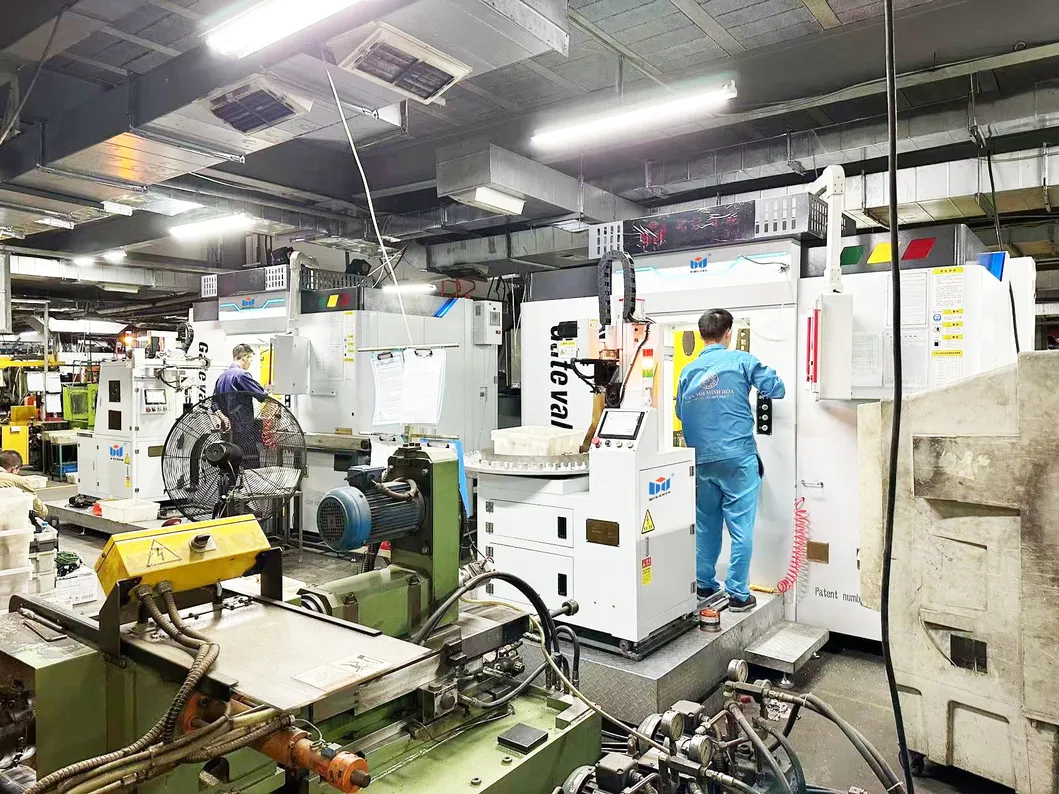
A large valve factory in Vietnam was renovated and has introduced 23 rotary transfer machines since 2019.
Through close collaboration, we developed and manufactured a customized rotary transfer machine suitable for high-precision processing of 4" ball valves. This machine weighs more than 17 tons, stands 3.6 meters high, and has a width of over 4.5 meters, representing one of the largest classes of rotary transfer machines built for these specific requirements.
OEM/ODM & R&D Capabilities
OEM/ODM Services
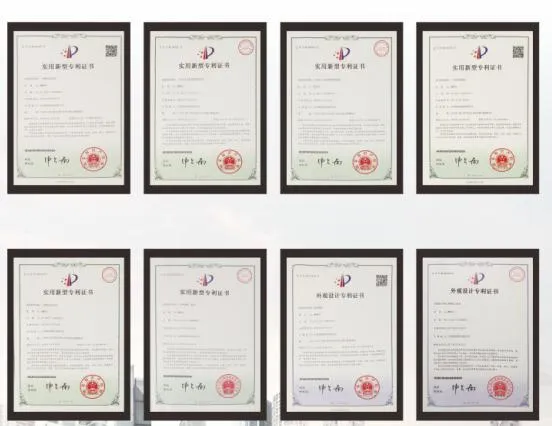
We have a unique design team capable of fulfilling diverse requirements for OEM & ODM customers. With over 10 years of experience, our capabilities include customized product functional development, specialized packaging design, and rapid sample development.
Research & Development (R&D)
Our structure includes dedicated R&D software and machinery departments. Leveraging technical expertise, we design custom machinery with proprietary software tailored specifically to your unique requirements.
Frequently Asked Questions
Who is responsible for the maintenance and upkeep of the equipment?
Operators are directly responsible for the daily use, basic upkeep, and general maintenance of the equipment. Dedicated equipment maintenance personnel are responsible for repairs and major technical maintenance procedures.
What are the environmental requirements for installing and operating this CNC equipment?
The equipment should be installed away from environments with high humidity, excessive dust, and corrosive gases. It must also be kept away from direct sunlight, thermal radiation, and heavy vibration sources like punching or forging machines. The operating temperature should be maintained between 15°C and 35°C (ideally around 20°C for precision machining).
How should the electrical power supply be managed to protect the machine?
To prevent large voltage fluctuations (beyond ±10%) and electrical interference, the machine should ideally connect to a dedicated power line (such as a direct line from the low-voltage distribution room) and use voltage regulators to guarantee consistent power quality.
What are the daily machining accuracy maintenance steps before starting work?
After turning on the machine, preheat it for approximately 10 minutes before starting operations (extend this preheating time if the machine has been inactive for a long period). Always verify that the oil circuit is completely clear and keep the machine clean and dry.
What does the daily and weekly maintenance checklist include?
Daily maintenance includes cleaning dust and chips (control panel, spindle taper hole, tool arm, turret, etc.), checking lubrication/coolant levels, verifying air pressure, checking safety signals/alarms, and monitoring the oil pressure tubes for leaks. Weekly maintenance involves dismantling the shaft chip guard to clean joint areas, verifying servo motor operation, checking mechanical levels, cleaning the water tank, and replacing the cutting fluids.
How are monthly and annual professional services handled?
Monthly maintenance includes checking shaft track lubrication to ensure smooth movement, cleaning limit switches, and checking warning plates. Major annual professional maintenance or repairs must be conducted by certified professional engineers.
 Carto Tool