Explore our premium range of industrial machinery, CNC tooling, and heavy manufacturing components engineered for peak performance.

A comprehensive overview of global trade movements, technical specifications, and mechanical developments transforming modern manufacturing.
In the highly precise arena of subtractive manufacturing, the turning tool holder is far more than a simple structural clamp. It represents the critical mechanical bridge between the CNC lathe's dynamic turret spindle and the cutting edge of the carbide insert. As global manufacturing marches toward Industry 4.0, high-speed dry machining, and ultra-tough superalloy processing, the requirements placed on turning tool holders have evolved exponentially.
Geopolitically and commercially, China has transitioned from a manufacturer of high-volume basic tooling to a primary design innovator in high-precision holding configurations. Chinese exporters now compete on equal footing with European and Japanese tooling companies by integrating advanced metallurgy, precise CAD/CAM optimization, and strict ISO manufacturing standards. From standard cylindrical shanks to advanced indexable tool holders (such as MCLNR, MWLNR, or MTJNR systems), Chinese production facilities leverage automated manufacturing lines to deliver consistent, sub-micron tolerances required for aerospace, automotive, and medical industries.
The global demand is heavily driven by the need to minimize tool deflection, enhance surface finish quality, and maximize insert life. High-feed turning operations and interrupted cut cycles impose severe dynamic stresses. If a tool holder lacks sufficient torsional rigidity or dampening capacity, microscopic chatter occurs. This chatter results in premature micro-chipping of expensive tungsten carbide or ceramic inserts, degraded dimensional accuracy on workpiece diameters, and eventual spindle bearing fatigue. Consequently, global procurement teams are focusing on structural materials such as pre-hardened H13 hot-working tool steel, advanced thermal treatment technologies, and integrated cooling channels that project fluid directly at the cutting interface.
Explore the physical materials, coating parameters, and structural design mechanisms defining next-generation CNC tool holding systems.
Utilizing vacuum gas-quenched chrome-molybdenum-vanadium alloy steels to achieve structural tensile strength with superior fracture toughness. This prevents deformation under high clamping force and extreme lateral loads.
Integration of internal coolant channels delivering targeted fluids up to 150 bar. Directing coolant to the exact contact point between the chip and rake face ensures rapid heat extraction and optimal chip breaking.
Electro-less nickel plating and black oxide conversion coatings are applied to prevent premature corrosion from synthetic lubricants. They also resist scale buildup and galling during intensive machining cycles.
The cutting-edge frontier of turning technology lies in the incorporation of sensory networks directly inside the tool shank. Smart tool holders embedded with piezoceramic sensors can monitor radial and tangential forces in real-time. By feeding this telemetry back to the CNC controller, the machine can automatically adjust feed rates or detect insert breakage before a catastrophic crash occurs. Furthermore, advanced vibration-damping shanks (utilizing internal tuned mass damper systems filled with heavy metal alloys and oil dampers) allow for overhang ratios exceeding 10xD. This enables deep internal boring operations that were previously impossible with conventional steel or solid carbide bars.
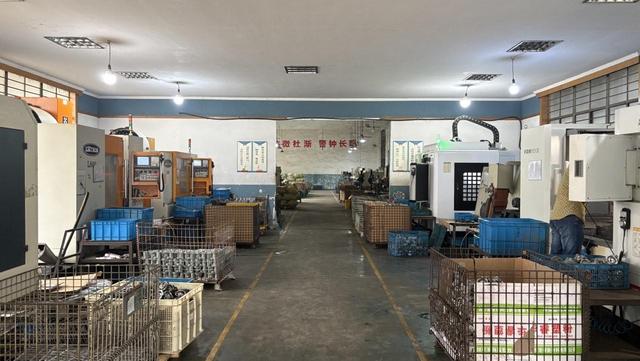
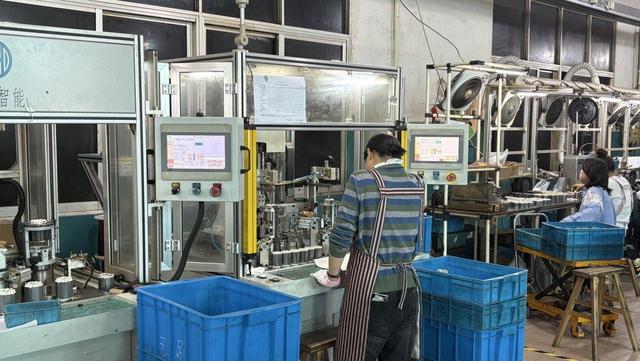
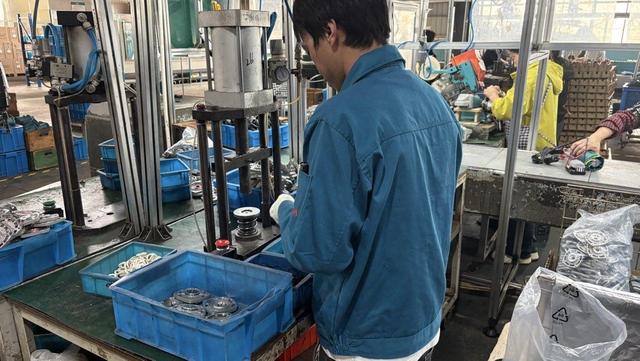
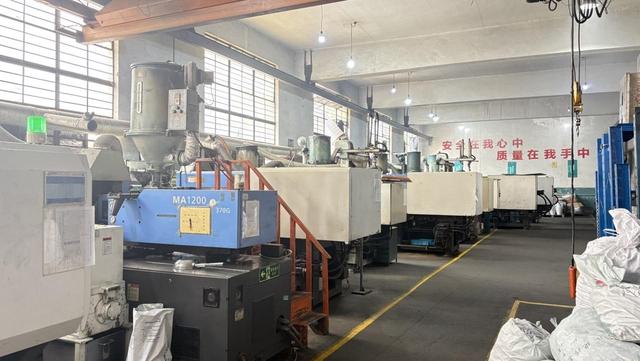
Dongguan Carto Tool Co., Ltd. is a professional manufacturer specializing in industrial cutting tools, CNC machining tools, milling systems, turning solutions, and precision metal cutting technologies. The company is dedicated to providing high-performance tooling solutions for modern manufacturing industries, including automotive, aerospace, mold processing, machinery production, and general metal fabrication.
Since its establishment, Carto Tool has developed from a small-scale cutting tool workshop into a specialized industrial tooling supplier with integrated R&D, production, and quality control capabilities. In its early stage, the company focused on basic turning and milling tool production for local machining workshops. With the rapid growth of China’s manufacturing sector, Carto Tool expanded its technology base and began developing more advanced CNC-compatible cutting systems to meet higher precision and efficiency requirements.
During its development phase, the company invested in carbide material research, coating technology improvements, and CNC tool geometry optimization. It introduced modern production lines and precision grinding equipment to ensure stable performance and long tool life. At the same time, Carto Tool strengthened its testing systems to improve cutting accuracy, wear resistance, and thermal stability across different machining environments.
Today, Dongguan Carto Tool Co., Ltd. serves global industrial clients with a wide range of cutting tool solutions designed for high-speed, high-precision, and heavy-duty applications. The company continues to focus on innovation in CNC machining efficiency, metal cutting performance, and cost optimization for manufacturers. With a commitment to quality and engineering excellence, Carto Tool aims to become a trusted international supplier in the industrial cutting tools industry, supporting smarter and more efficient global manufacturing systems.
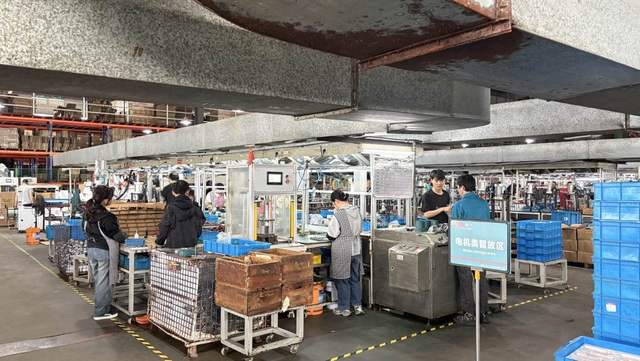

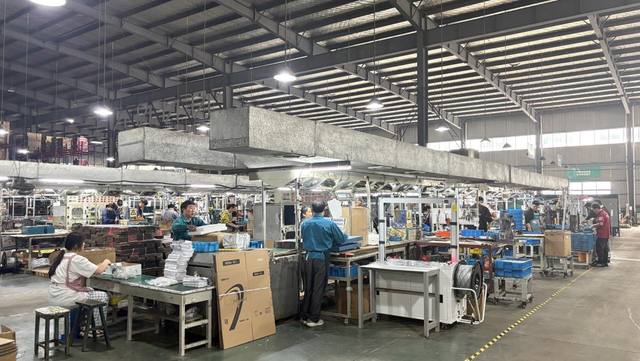
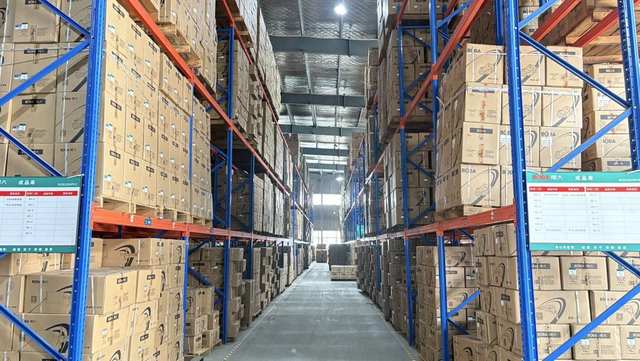
How tool holder design direct impacts key parameters across critical industrial sectors worldwide.
In the automotive manufacturing sector, productivity is determined by cycle times and tool reliability. The turning of forged steel crankshafts, hardened transmission shafts, and cast iron brake discs demands extreme stability. Tool holders optimized with rigid clamping configurations (like double-clamp D-type or wedge-clamp M-type) ensure that indexable inserts remain firmly anchored under heavy, interrupted cutting forces. Carto Tool's advanced turning solutions allow automotive clients to push cutting feeds while maintaining tight dimensional tolerances across millions of parts.
Aerospace superalloys are notorious for low thermal conductivity and rapid work hardening. High temperatures are generated right at the shear zone, causing rapid tool wear. Using a turning tool holder with an integrated, high-pressure through-coolant channel is essential. These holders route coolant directly to the rake and flank faces of the cutting insert. This suppresses thermal shock, prevents built-up edges (BUE), and sweeps chips out of deep bores, guaranteeing structural safety for critical flight hardware.
Large-scale components like wind turbine main shafts, industrial gears, and railway axles require large depth-of-cut (DOC) roughing operations. Conventional tool shanks are prone to severe deflection under these radial loads. Our heavy-duty turning tool holders feature reinforced cross-sections, vibration-absorbing steel alloys, and optimized pocket dimensions. This allows operators to achieve aggressive metal removal rates (MRR) without risking workpiece scrap or spindle damage.
Expert engineering insights answering the most critical user queries regarding CNC turning tool holders.
Discover our extended line of premium fabrication components, heavy-duty machinery systems, and precise custom manufacturing solutions.
 Carto Tool