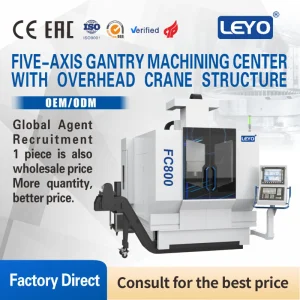
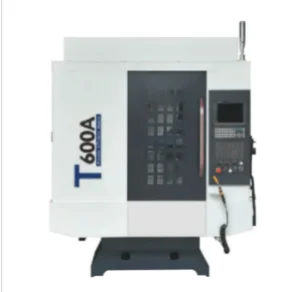
High Strength Servo Motor Control Precision Numerical Control System for Prototype Production

Still deciding? Get samples of $ !
Order Sample

Product Description

Basic Info.
Process Usage
Metal-Cutting CNC Machine Tools, CNC Non-Conventional Machine Tools, Metal-Forming CNC Machine Tools
Movement Method
Point to Point Control
Control Method
Semi-Closed Loop Control
Numerical Control
CNC/MNC
Processing Precision
0.01~0.02(mm)
Performance Classification
High-End CNC Machine Tools
Certification
CE, ISO 9001
Condition
New
Product Name
Lathe Milling Centre Machine
Delivery Time
30days
Motor
Taiwan Syntec Control System
Applications
Automotive, Aerospace, and Manufacturing
MOQ
1
Transport Package
Shipping in Wooden Cases
Specification
Customized
Origin
China
Product Description
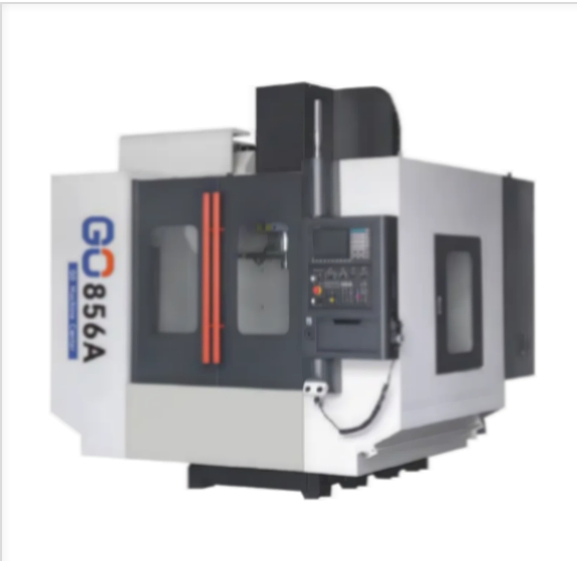
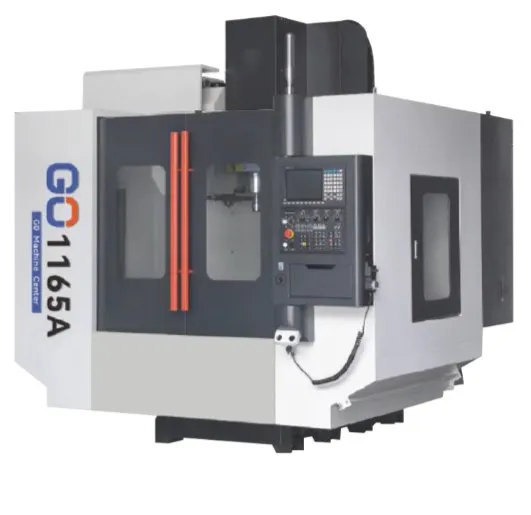
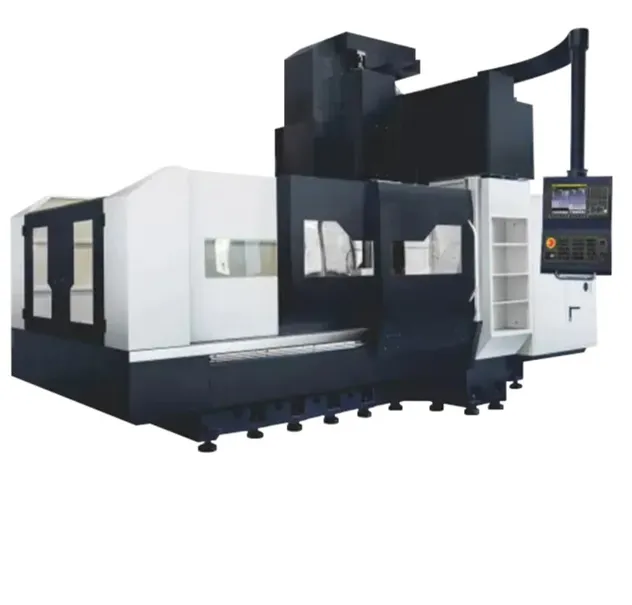
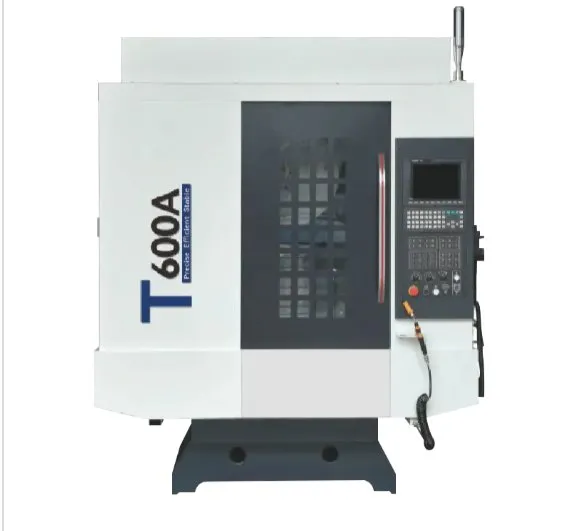
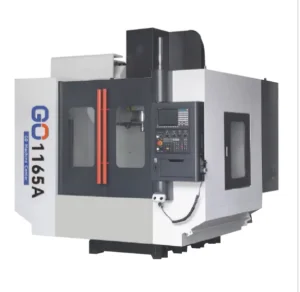
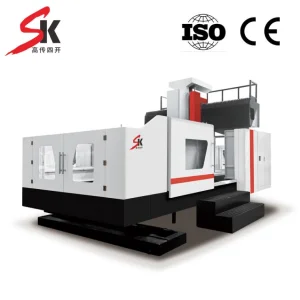
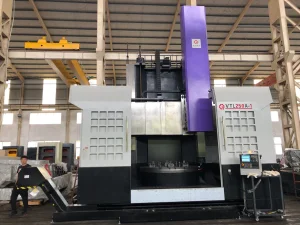
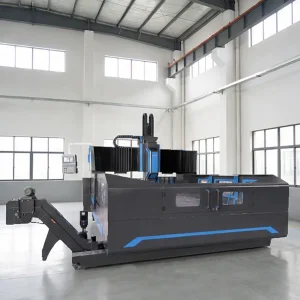
Lathe Milling Centre Machine
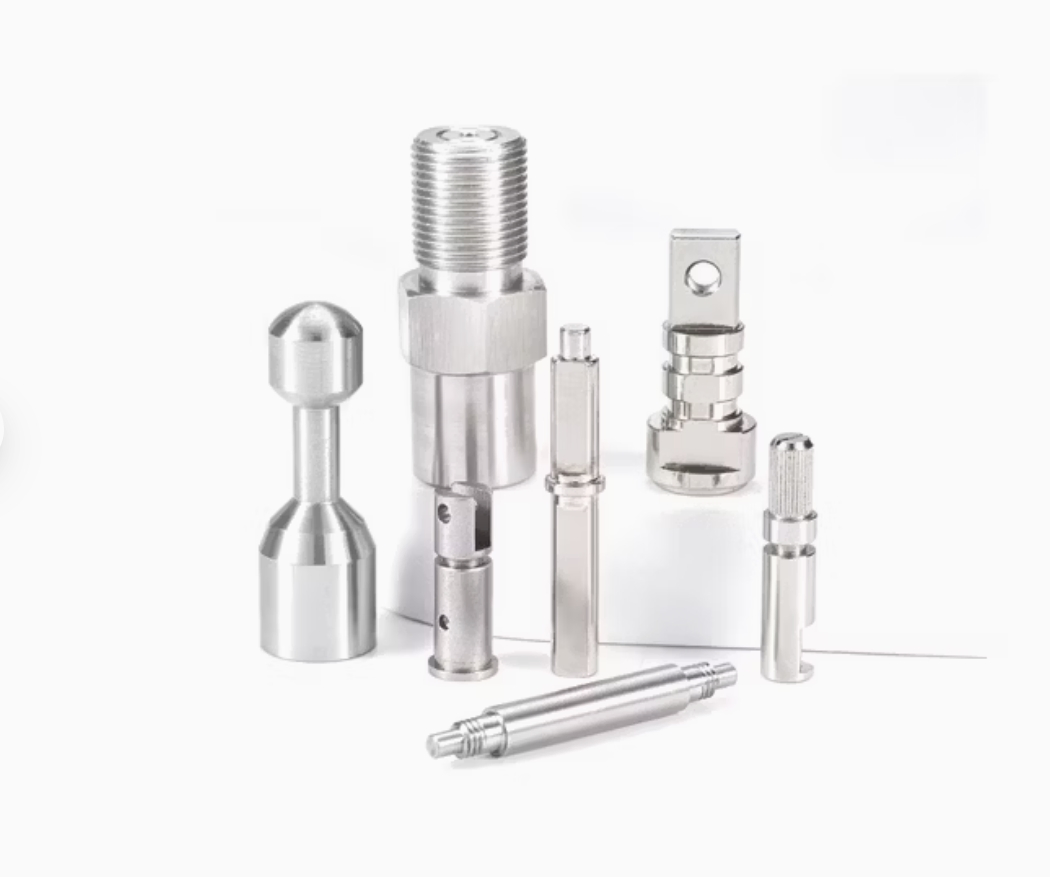
The core of a milling centre machine is an automatic tool changer integrated into a CNC milling machine. This system enables continuous multi-process machining, specializing in high-precision and efficient processing of complex flat and three-dimensional parts. It is a key piece of equipment for flexible manufacturing in machining.
I. Core Product Features:
  • Highly Integrated Configuration: Standard automatic tool changer (typically with a tool magazine capacity of 16-60 tools) automatically switches between milling cutters, drills, taps, and other tools without manual intervention.
  • Multi-Axis Mobility: Mainstream models offer 3 axes (X/Y/Z), while mid-range and high-end models support 4 axes (with additional A/C axis indexing) or 5 axes (fully linked), enabling machining of complex curved and inclined surfaces.
  • High-Precision Structural Design: Utilizing a rigid bed, high-precision ball screws and linear guides, driven by servo motors, achieves positioning accuracy of up to 0.001mm, meeting precision machining requirements. Intelligent Adaptation: Equipped with mainstream CNC systems (such as FANUC, Siemens, and Mitsubishi), it supports program pre-reading, tool life management, and machining error compensation. Some models can be integrated with MES systems for intelligent production.
II. Main Functions:
  • Basic Milling: Performs core operations such as plane milling (rough and fine milling), contour milling (external and internal contours), groove milling (right-angle slots, T-slots, dovetail slots), and step milling.
  • Holemaking: Through automatic tool change, it performs various hole types, including drilling, reaming, tapping (internal and external threads), and countersinking, without changing equipment.
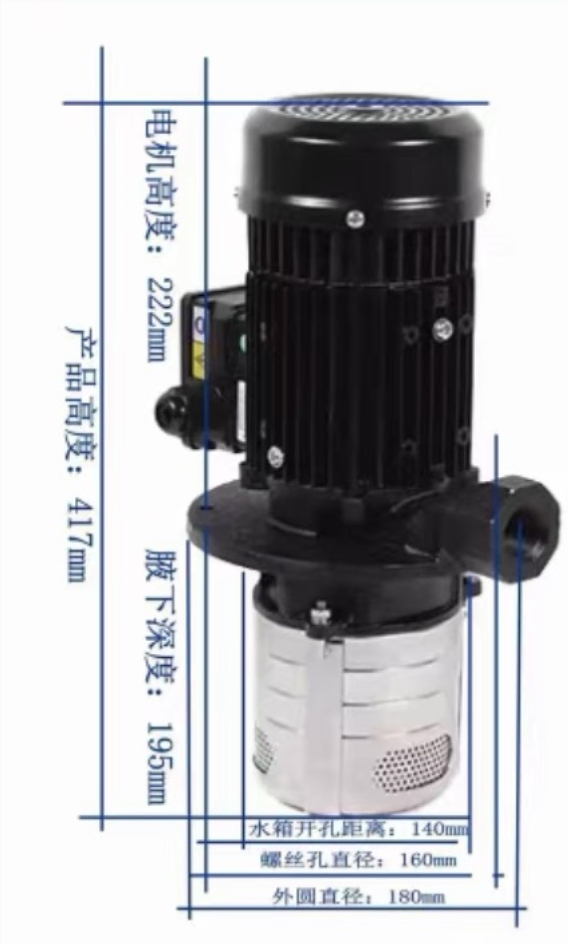
  • Complex Feature Machining: 4/5-axis models can machine curved surfaces (such as mold cavities and impeller blades), inclined surfaces, and spatial hole systems, meeting the machining needs of irregular parts. Auxiliary Features: Equipped with a coolant (cutting fluid) system for cooling and chip removal, some models feature a spindle center water outlet function; support for automatic workpiece coordinate setting (e.g., probe measurement), reducing manual tool setting time.
High Strength Servo Motor Control Precision Numerical Control System for Prototype Production High Strength Servo Motor Control Precision Numerical Control System for Prototype Production High Strength Servo Motor Control Precision Numerical Control System for Prototype Production
III. Typical Applications:
This machine is widely used in industries requiring multi-process, high-precision machining, particularly for complex structural parts:
  • Mold Manufacturing: Machining precision components such as cavities, cores, and mold bases for plastic and stamping molds, as well as electrodes.
  • Automotive Parts: Machining complex structural parts such as engine cylinder heads, transmission housings, chassis brackets, and steering knuckles.
  • Aerospace: Machining parts made of difficult-to-machine materials such as aluminum and titanium alloys, such as aircraft frames, engine blades, and sensor housings.
  • Electronics and Medical Devices: Machining small, high-precision parts such as precision connectors, mobile phone midframes, and surgical instruments.
IV. Core Advantages:
  • Significantly Improved Production Efficiency: The automatic tool changer reduces tool change time. Multiple processes can be completed on the same machine, eliminating workpiece transfer between multiple machines. This reduces machining cycle times by 30%-50% compared to conventional milling machines. Ensure consistent machining accuracy: Reduce workpiece clamping times (typically, all steps are completed in a single clamping), minimize positioning errors, and minimize part precision fluctuations during mass production.
  • Reduced labor reliance and costs: The CNC system enables automated machining, with operators only responsible for loading, unloading, and equipment monitoring, allowing one person to manage multiple machines.
  • High machining flexibility: Quickly switch between machining part models by modifying the CNC program, eliminating the need for extensive fixture replacement or equipment configuration adjustments, accommodating high-variety, small-batch production needs.
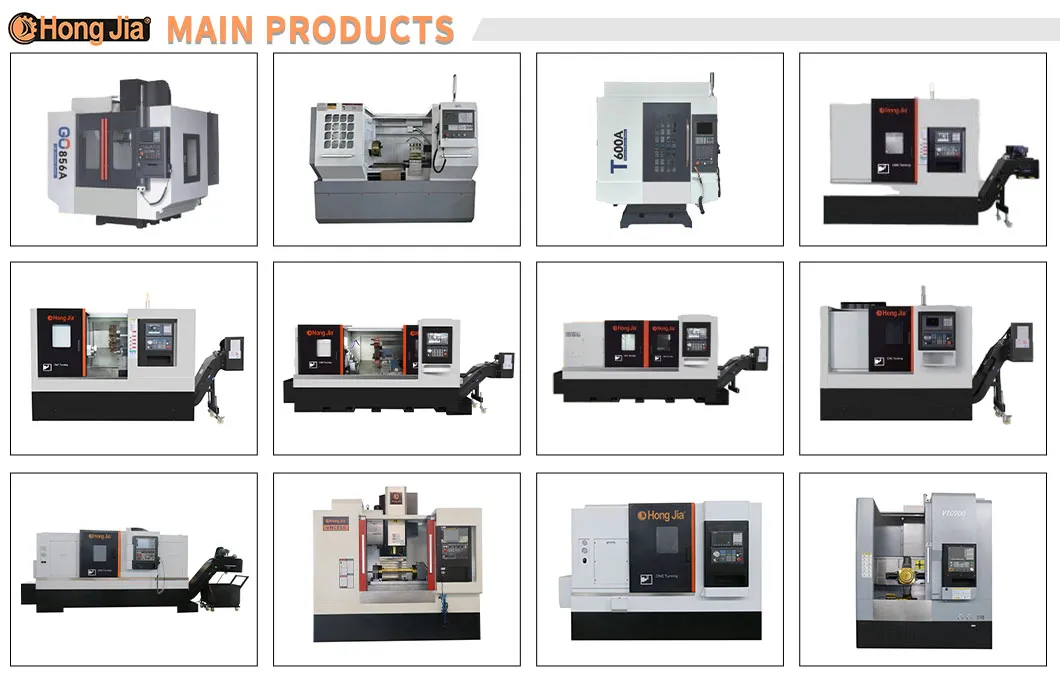
Main Products
High Strength Servo Motor Control Precision Numerical Control System for Prototype Production
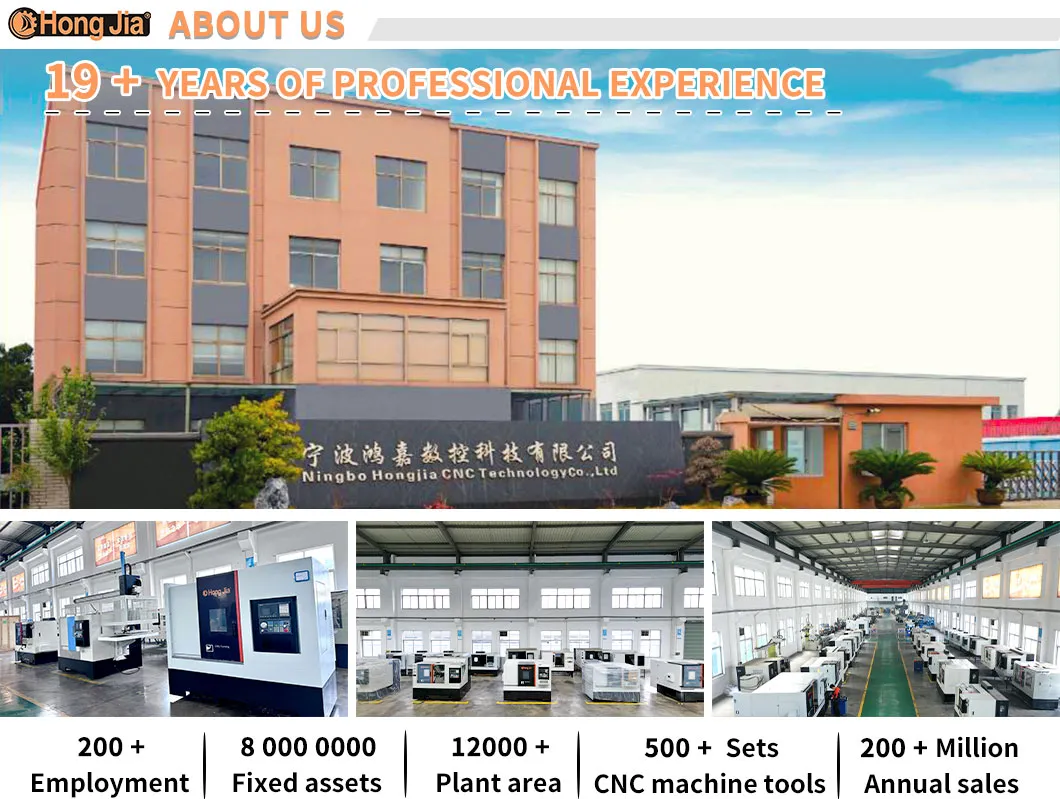
Company Profile
High Strength Servo Motor Control Precision Numerical Control System for Prototype Production
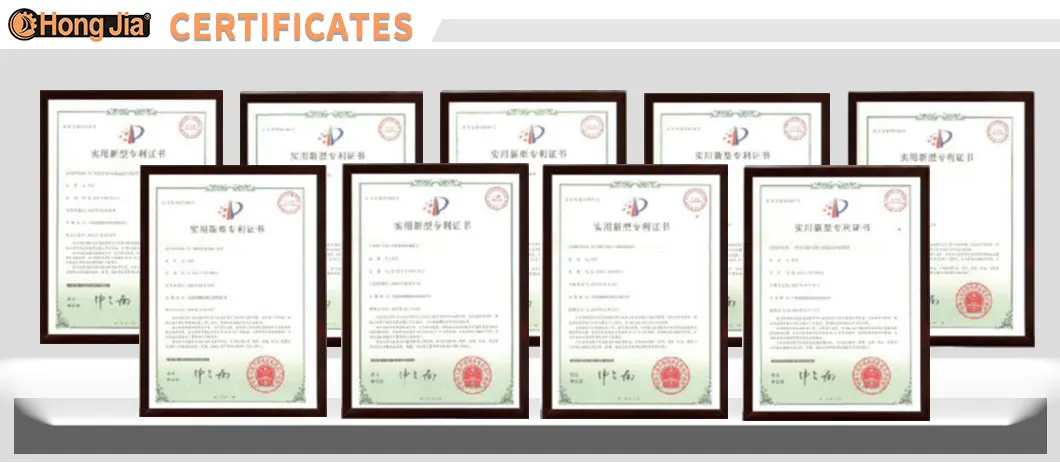
Certifications
High Strength Servo Motor Control Precision Numerical Control System for Prototype Production
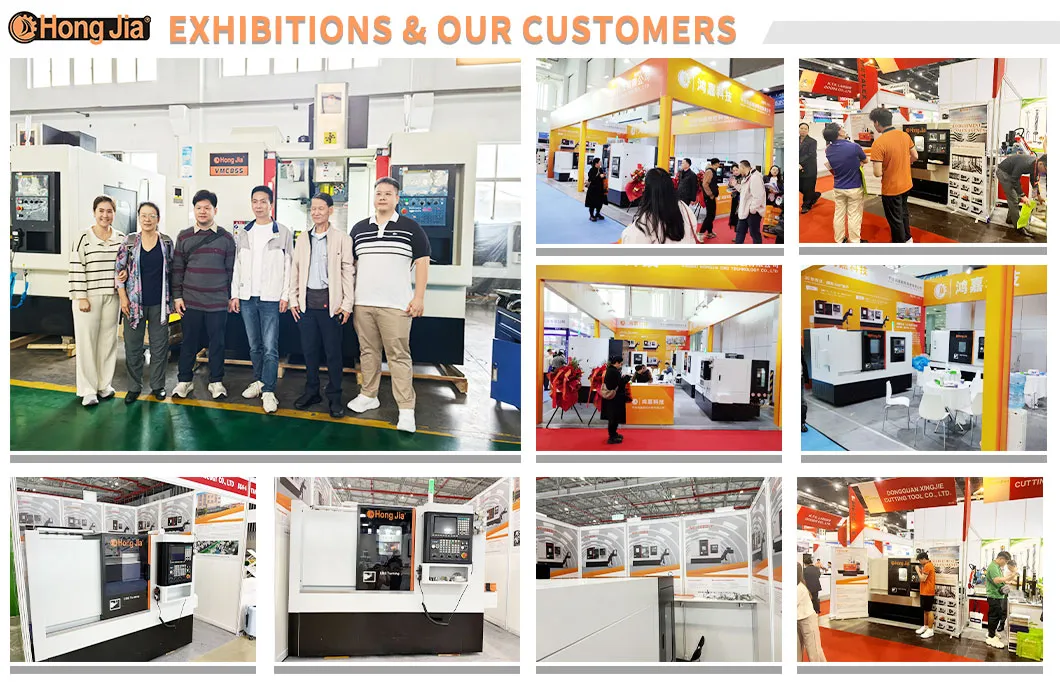
Exhibitions & Our Customers
High Strength Servo Motor Control Precision Numerical Control System for Prototype Production
Packaging & Shipping
High Strength Servo Motor Control Precision Numerical Control System for Prototype Production
FAQ
Q1: How can I choose the most suitable machines?
A: Please provide your requirements and specifications, and we will help you select the best model, or you can choose the exact model based on your process needs. Alternatively, you can send us the drawings of your parts, and we will recommend the most suitable machine configuration for you.
Q2: What are the primary products available?
A: We specialize in various types of precision machinery, including CNC Lathe Machines, CNC Milling Machines, CNC Turning Machines, Vertical Machining Centers, Horizontal Machining Centers, and Turning-Milling Composite Processing equipment.
Q3: What industries are lathe milling centre machines primarily applied in?
A: These machines are widely applied in mold manufacturing, automotive parts production, aerospace (for processing complex aluminum/titanium alloy structural parts), and high-precision fields like electronics and medical devices.
Q4: What level of precision does this equipment achieve?
A: Utilizing a rigid bed structure, high-precision ball screws, linear guides, and responsive servo motor drives, the machines can achieve positioning accuracy up to 0.001mm to ensure highly precise component production.
Q5: Which control systems are compatible with these machines?
A: The machines are equipped with industry-standard CNC control systems such as FANUC, Siemens, Mitsubishi, and Taiwan Syntec Control System, supporting program pre-reading and intelligent machining compensation.
Q6: How does the integrated tool changer improve efficiency?
A: By automatic switching between milling, drilling, and tapping tools in a single clamping setup, the changer eliminates manual tool changes and part transfers. This minimizes alignment errors and reduces overall cycle times by 30% to 50%.

Related Products