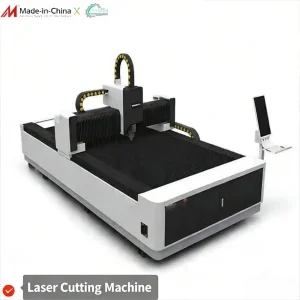
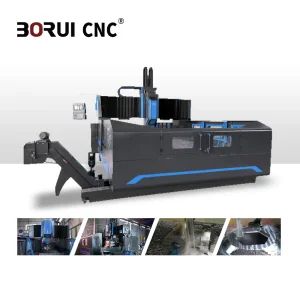
Explore our advanced manufacturing systems, heavy-duty components, and high-performance tungsten carbide cutting tools optimized for the most demanding milling and turning operations.
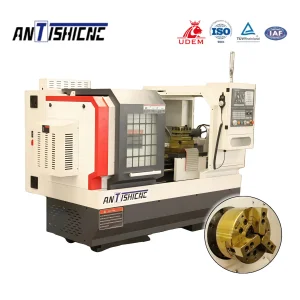
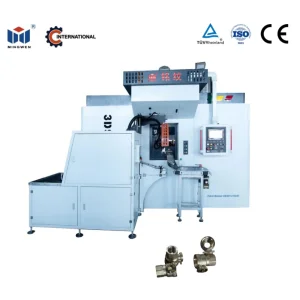
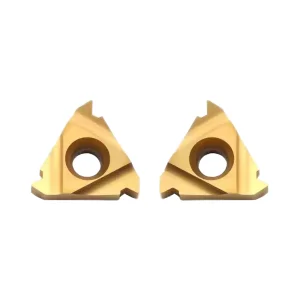

A comprehensive analysis of contemporary tooling advancements, CAM trajectory strategies, and the metallurgical breakthroughs driving manufacturing efficiency.
In modern high-precision subtractive manufacturing, the efficiency of metal removal is no longer solely dependent on the spindle speed or the raw hardness of the cutting tool. Instead, the focus has shifted toward the orchestration of the tool's movement trajectory, widely classified as Tool Path Optimization. By definition, tool path optimization encompasses the mathematical, physical, and computational adjustment of cutting trajectories to maintain a constant tool engagement angle, limit vibration harmonics, prevent excessive thermal spikes, and prolong the overall tool life cycle.
Historically, traditional machining relied on constant-offset parallel cuts or simple zigzag passes, resulting in extreme fluctuations in the tool engagement angle (the radial step-over). In tight corners, this led to sudden spikes in tool loading, causing deflection, dimensional inaccuracies, and premature chipping of the carbide substrate. Today, advanced CAM strategies like trochoidal milling, adaptive clearing, and high-speed dynamic milling rely heavily on optimized calculations that continuously regulate the Chip Load per Tooth ($f_z$) and the thermal dissipation rate, securing maximum material removal rate (MRR) without sacrificing predictability.
By balancing cutting forces, optimized toolpaths reduce spindle strain and cut electricity usage while decreasing tooling changeover frequencies.
Maximizes feed rates during non-linear interpolation and corners, translating to cycle time reductions of up to 45% in complex geometries.
Maintains consistent radial depth of cut, preventing deflection chatter and eliminating the need for subsequent grinding or hand-polishing stages.
The manufacturing sector is standing at the intersection of material science and digital technology. As we peer into the future of global supply chains, several pivotal trends are defining tool path optimization:
For procurement officers in multinational enterprises (MNEs) across Europe, North America, and APAC, sourcing CNC cutting systems requires evaluating strict KPIs that extend beyond initial purchase prices. Reliable procurement matrices focus heavily on the Total Cost of Ownership (TCO), which factors in tool life, machine uptime, scrap rates, and part consistency.
Key technical specifications demanded by global buyers include:
| Evaluation Parameter | Industry Standard Requirement | Optimized Performance Index (Carto Tool Target) |
|---|---|---|
| Dimensional Repeatability | ± 0.010 mm | ± 0.002 mm (High-end Aerospace Grade) |
| Substrate Hardness Consistency | HRC 55 max | Up to HRC 68 (Specially coated ball nose/end mills) |
| Coating Thickness | 1.5 - 3.0 microns | Customized 2.0 - 4.5 μm TiAlN / CrAlN multi-layer coatings |
| Dynamic Runout Tolerances | ≤ 0.008 mm | ≤ 0.003 mm (High-speed balance class G2.5) |
| Toughness (Coercive Force) | 160-180 HRA | Enhanced grain size consistency, 10-12% Cobalt binder content |
Furthermore, standardizing on tools that support complex geometries ensures compatibility with high-end machinery such as DMG Mori, Mazak, and Hermle systems. Enterprise buyers demand verification of substrate grain sizes (preferably ultra-fine or micro-grain sub-micron substrates < 0.6 μm) to guarantee consistent wear behavior under high thermal loads.
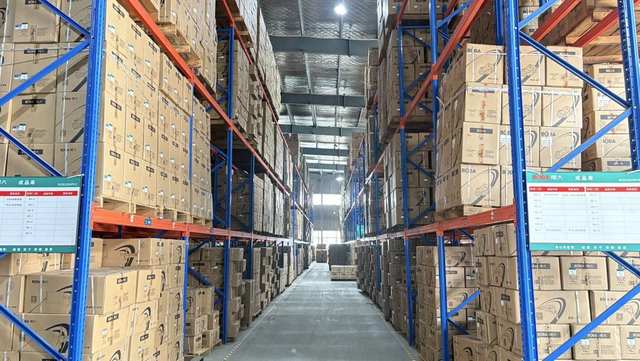
The manufacturing environment in China has undergone a massive transformation, shifting from raw volume output to quality-driven Smart Manufacturing (Factory 4.0). Located in the heart of this industrial hub, Dongguan has emerged as a global cluster for precision mold-making, consumer electronics hardware, and advanced machinery component fabrication. This geographical clustering offers substantial supply chain advantages:
First, vertical integration of the tooling ecosystem allows for rapid prototyping and raw material procurement. High-grade tungsten carbide powder, customized tool coating facilities, and advanced precision grinding machines (such as Swiss Rollomatic and German Walter machines) are located within a small geographic area, reducing logistical delays. Second, automated production lines operate around the clock with minimal human intervention. Industrial IoT (IIoT) platforms monitor the wear of grinding wheels, adjusting parameters in real-time to preserve batch uniformity. This ensures that whether a customer orders 100 units or 10,000 units, the tool geometries remain identical.
Finally, resilience to macro-economic disruptions is maintained through robust local raw material stocks. With complete control over the production supply chain, Dongguan manufacturers can adapt tool design configurations to customer-specific demands at a fraction of the cost and lead time of Western competitors, ensuring uninterrupted supply chains for global assembly plants.
A Legacy of Precision, Material Science Innovation, and High-Performance Machining Solutions
Dongguan Carto Tool Co., Ltd. is a professional manufacturer specializing in industrial cutting tools, CNC machining tools, milling systems, turning solutions, and precision metal cutting technologies. The company is dedicated to providing high-performance tooling solutions for modern manufacturing industries, including automotive, aerospace, mold processing, machinery production, and general metal fabrication.
Since its establishment, Carto Tool has developed from a small-scale cutting tool workshop into a specialized industrial tooling supplier with integrated R&D, production, and quality control capabilities. In its early stage, the company focused on basic turning and milling tool production for local machining workshops. With the rapid growth of China’s manufacturing sector, Carto Tool expanded its technology base and began developing more advanced CNC-compatible cutting systems to meet higher precision and efficiency requirements.
During its development phase, the company invested heavily in carbide material research, coating technology improvements, and CNC tool geometry optimization. It introduced modern production lines and precision grinding equipment to ensure stable performance and long tool life. At the same time, Carto Tool strengthened its testing systems to improve cutting accuracy, wear resistance, and thermal stability across different machining environments.
Today, Dongguan Carto Tool Co., Ltd. serves global industrial clients with a wide range of cutting tool solutions designed for high-speed, high-precision, and heavy-duty applications. The company continues to focus on innovation in CNC machining efficiency, metal cutting performance, and cost optimization for manufacturers. With a commitment to quality and engineering excellence, Carto Tool aims to become a trusted international supplier in the industrial cutting tools industry, supporting smarter and more efficient global manufacturing systems.

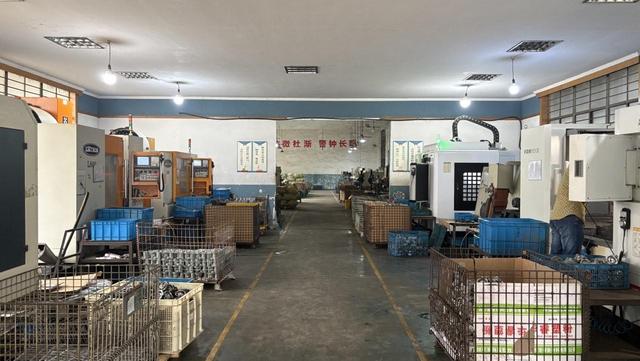
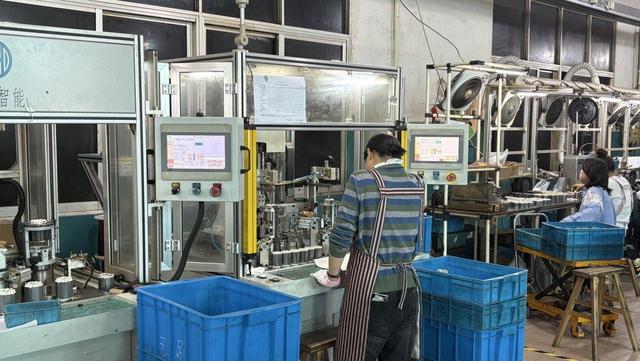
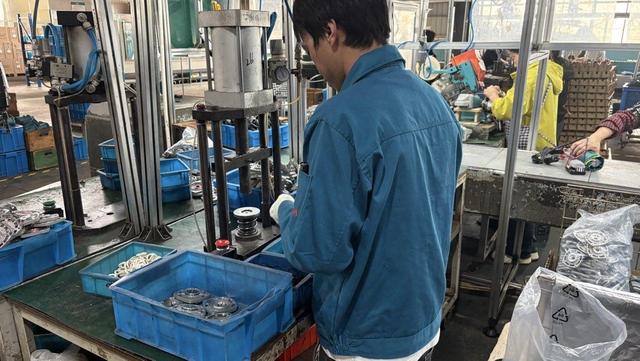
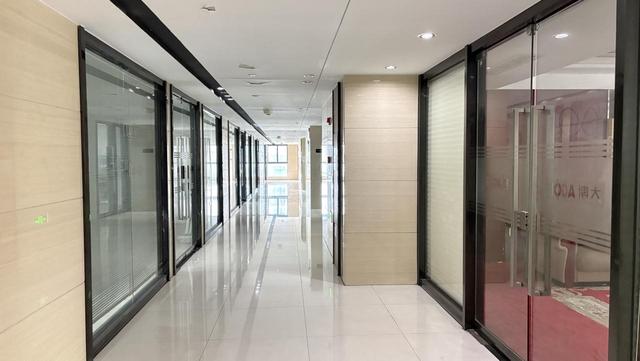
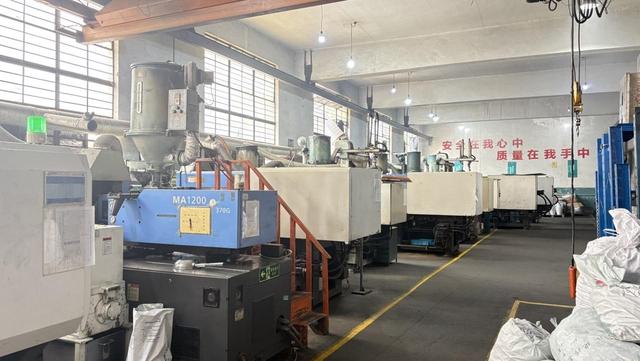
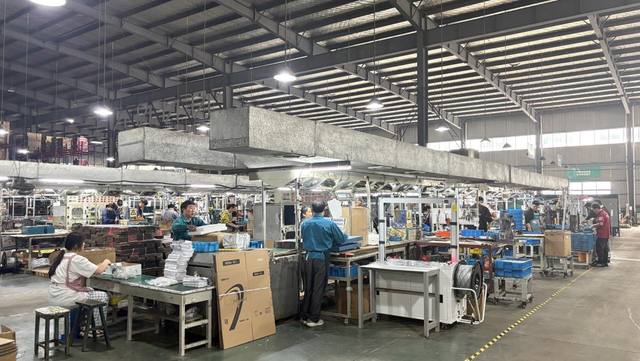
Precision-engineered tools and optimized trajectories must be tailored for specific materials and industries. Below are localized scenarios where Carto Tool systems provide measurable improvements:
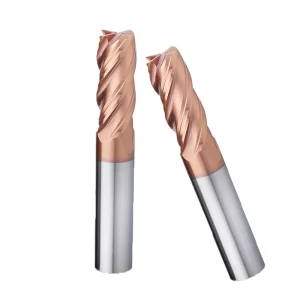
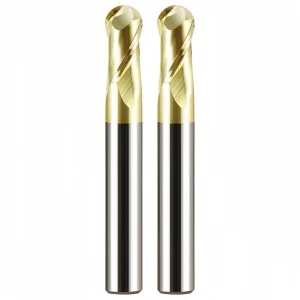
When machining Aerospace-grade Titanium alloys (such as Ti-6Al-4V), tools face low thermal conductivity and rapid work-hardening tendencies. Carto Tool's HRC68 Solid Carbide Ball Nose End Mill is designed with a variable helix angle that breaks up chip-frequency harmonics. In a localized setup using trochoidal tool paths, axial depth of cut ($a_p$) is maximized while radial width ($a_e$) is held at 8-10% of tool diameter. The high-lubricity gold coating blocks heat transfers into the tool substrate, extending cutting tool longevity by 180% compared to generic uncoated carbide tools.
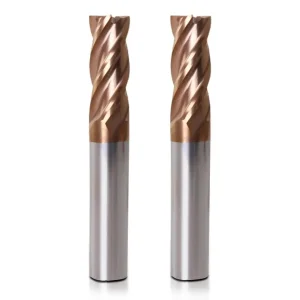
In high-volume engine block lines, minimizing cycle time is key. Carto Tool's Dohre 4-edge Tungsten Carbide Square End Mills handle high-temperature alloy machining. In this application, dynamic toolpath entry strategies (like spiral ramping rather than direct plunging) minimize shock loading, maintaining spindle uptime and protecting the machine's spindle bearings.
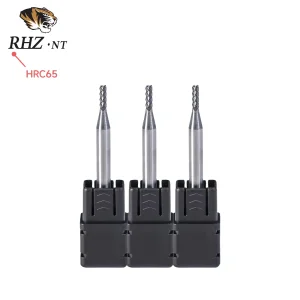
For precision copper electrodes and hardened tool-steel mold cavities (HRC 55-65), tool deflection causes immediate defects. Utilizing high-frequency CNC setups with Carto Tool's High Precision Hardness 65 4-Flute Carbide Milling Cutters with TiAlN/CrAlN coatings, mold makers achieve mirror-like finishes (Ra < 0.2 μm). By adjusting the stepover values according to the tool curvature, subsequent manual finishing steps are minimized.
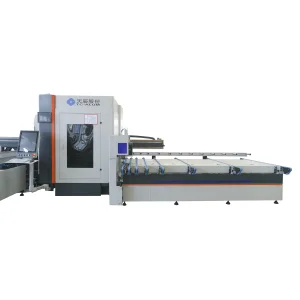
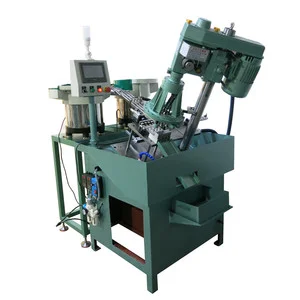
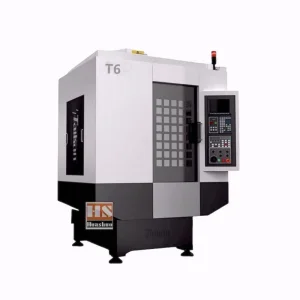
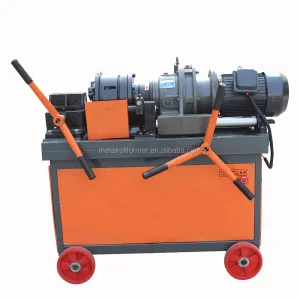
Maximize your machine shop capabilities with our performance-verified CNC milling centers, lathe configurations, specialized threading tools, and carbide cutters.
 Carto Tool