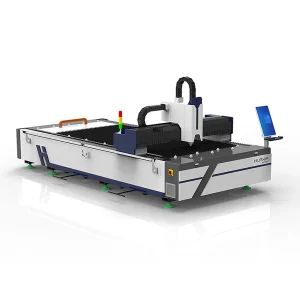
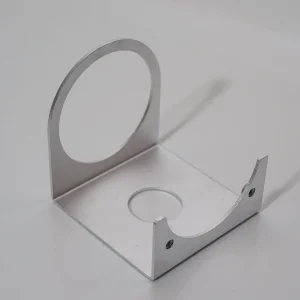
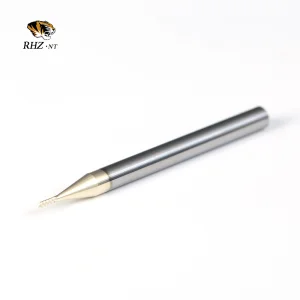
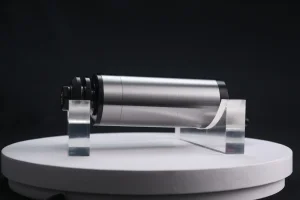
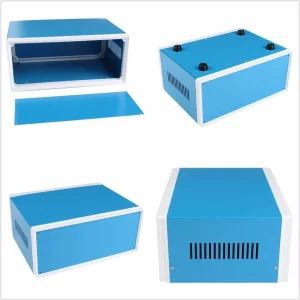
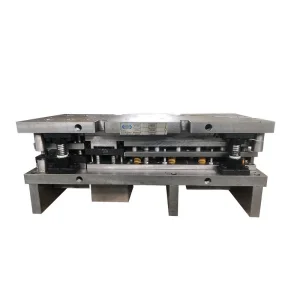
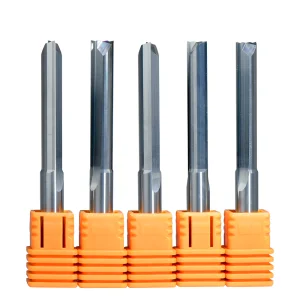
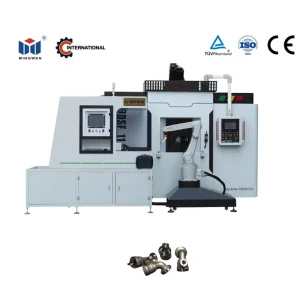
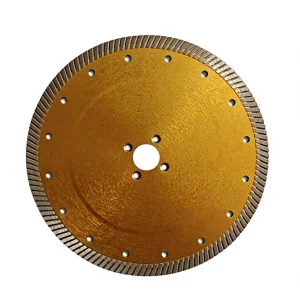
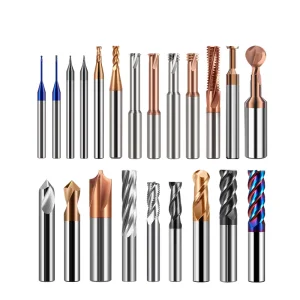
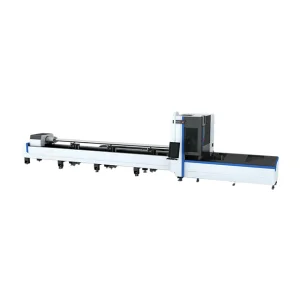
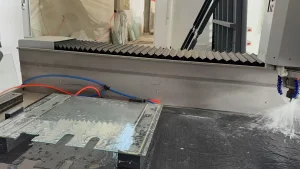
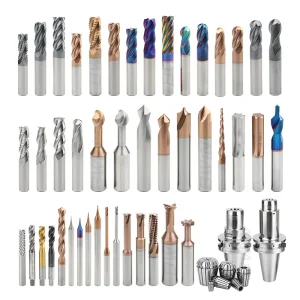
Premium selection of industrial CNC systems, carbide milling tools, sheet metal fabrication units, and engineering accessories.
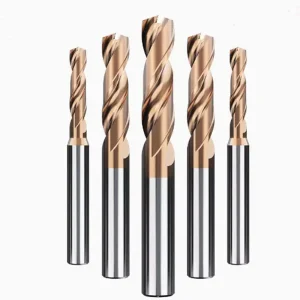
Dongguan Carto Tool Co., Ltd. is a leading industrial enterprise specializing in high-performance CNC cutting tools, milling systems, indexing systems, and high-precision metal processing components. With decades of manufacturing expertise in the industrial heart of China, we provide state-of-the-art tooling solutions for modern manufacturing industries, including automotive, aerospace, mold processing, machinery production, and general metal fabrication.
Since its establishment, Carto Tool has developed from a small-scale cutting tool workshop into a specialized industrial tooling supplier with integrated R&D, production, and quality control capabilities. In its early stage, the company focused on basic turning and milling tool production for local machining workshops. With the rapid growth of China’s manufacturing sector, Carto Tool expanded its technology base and began developing more advanced CNC-compatible cutting systems to meet higher precision and efficiency requirements.
During its development phase, the company invested heavily in tungsten carbide material research, coating technology improvements, and CNC tool geometry optimization. We introduced modern production lines and precision grinding equipment to ensure stable performance and long tool life. At the same time, Carto Tool strengthened its testing systems to improve cutting accuracy, wear resistance, and thermal stability across different machining environments.
Modern global manufacturing relies heavily on the efficiency, adaptability, and cost-effectiveness of indexable insert tools. Procurement executives in North America, Europe, and the APAC region look to reliable partner manufacturers to secure their supply chains. The demand for these tools is driven by several key factors:
Indexable insert tools enable operators to replace only the cutting edge rather than the entire tool body, reducing tool expenditure by up to 60% over time compared to solid tooling.
Rapid indexability means inserts can be rotated or replaced in seconds, maintaining high machine tool utilization rates and preventing bottlenecking in high-volume production lines.
From ductile aluminum alloys to hardened die steels and nickel-based superalloys, changing carbide grades and geometries dynamically adapts the tool to diverse target metals.
The performance of indexable insert tools is heavily dependent on the metallurgical formulation of the carbide substrate and the micro-engineering of physical/chemical vapor deposition (PVD/CVD) coatings. Carto Tool operates at the forefront of these technological advancements, continuously evolving its material science capabilities.
| Substrate Material | Grain Size (μm) | Common Coating | Primary Industrial Application | Key Performance Attribute |
|---|---|---|---|---|
| Ultra-fine Micrograin Carbide | 0.4 - 0.6 | PVD TiAlN / AlTiN | Titanium & Nickel Alloys (Aerospace) | High thermal shock resistance, excellent edge sharpness |
| Submicron Cobalt-rich Carbide | 0.7 - 0.9 | CVD TiN-Al2O3-TiCN | Heavy Cast Iron, Steel Turning | Maximum resistance to crater wear and plastic deformation |
| Nano-structured WC-Co | < 0.3 | Diamond/DLC Coating | Carbon Fiber, CFRP, Non-Ferrous Alloys | Extreme hardness, low coefficient of friction |
| Cermet (TiCN-based) | 1.0 - 1.2 | Uncoated / TiN PVD | High-Speed Steel Finishing | Exceptional surface finish stability, built-up edge prevention |
Carto Tool uses high-grade tungsten carbide powder blended with precisely metered cobalt binders. The powder is compacted using multi-axial press systems to achieve uniform green density. Sintering is conducted in specialized sinter-HIP (Hot Isostatic Pressing) furnaces at temperatures up to 1450°C under high pressure. This eliminates residual micro-porosity, yielding a substrate with maximum transverse rupture strength (TRS) and fracture toughness.
Our coatings protect the cutting edge from the extreme heat (exceeding 1000°C) generated during metal cutting:
Our catalog of indexable insert tools and custom precision accessories supports key sectors of the global manufacturing economy, ensuring high-speed processing and minimal scrap rates.
Aerospace structural components require the machining of heat-resistant superalloys (HRSA) such as Inconel, Titanium, and high-strength stainless steel. Carto Tool's positive geometry inserts offer clean cutting forces and excellent heat dissipation, preventing work hardening of the component surface.
High-volume production lines for engine blocks, transmission gears, and EV battery housings require highly durable tooling. Our indexable milling cutters and customized indexable boring tools maintain tight tolerances over long production runs, keeping tool change intervals to a minimum.
Mold cores and cavities are made from pre-hardened steels (up to HRC60+). Our specialized ball-nose milling inserts and high-feed cutters feature advanced AlCrN coatings. This design allows for high metal removal rates, even when machining hardened tool steels.
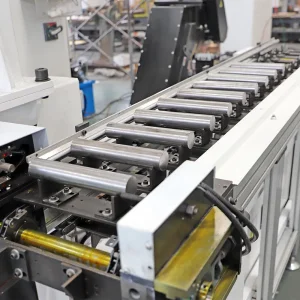
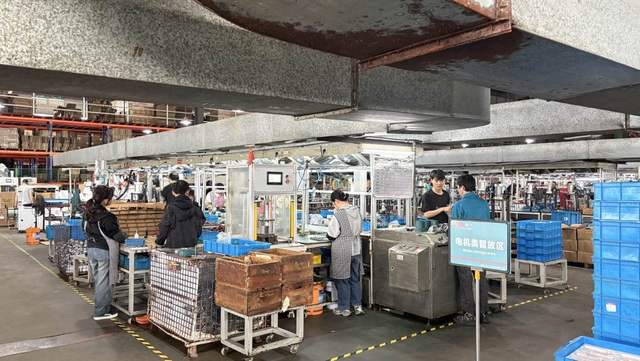
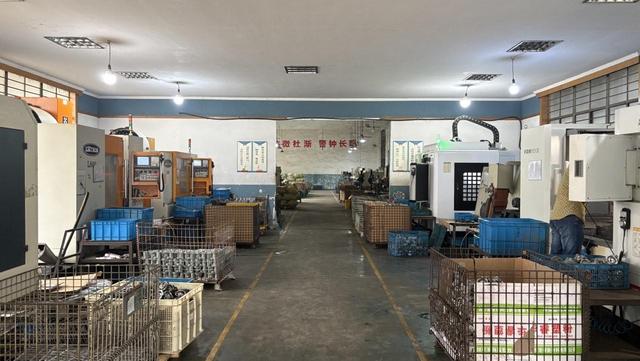
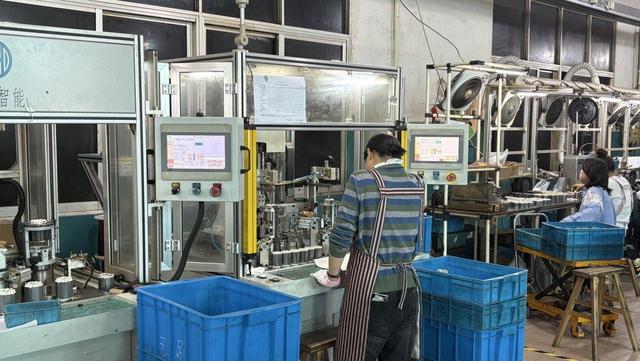
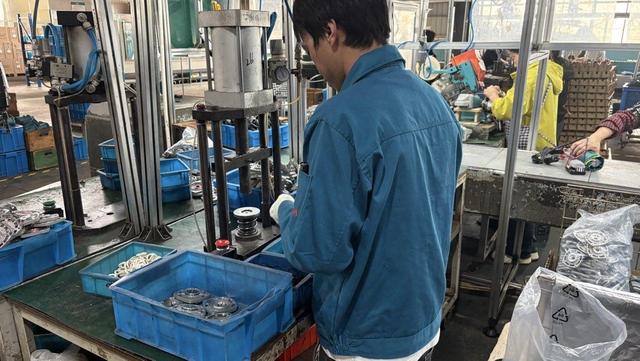
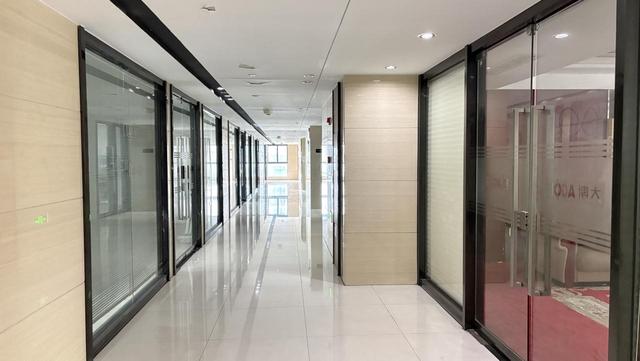
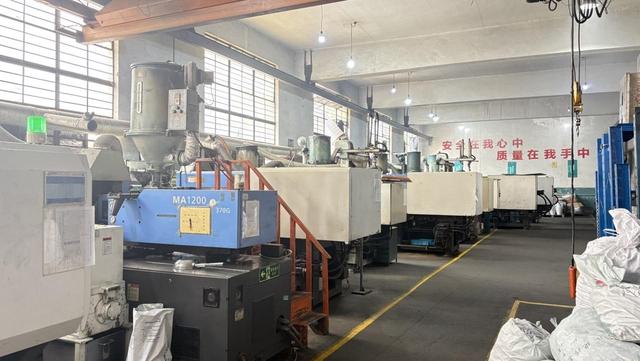
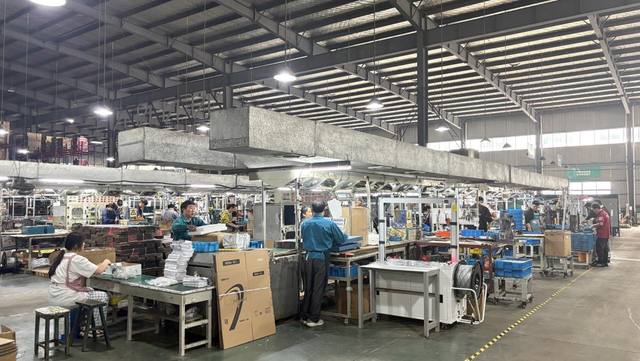
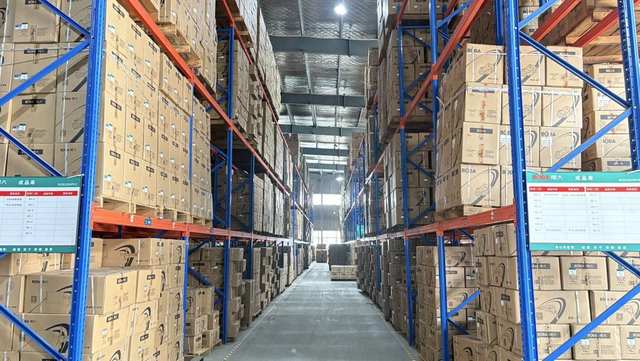
Dongguan Carto Tool Co., Ltd. combines advanced processing technologies with strict quality control systems. View our production floor, testing areas, and processing machinery below.
As a global supplier, Carto Tool ensures all shipments comply with international trade laws, environmental regulations, and quality standards. Our export framework is designed to integrate into global supply chains:
Expert answers to common engineering questions regarding the application, wear optimization, and design of indexable carbide inserts.
Explore our extended range of rotary transfer systems, specialized cutting blades, multi-axis turret systems, and high-feed endmills.
 Carto Tool