Direct supply from state-of-the-art Chinese manufacturing facilities, optimized for performance and global delivery.
An in-depth analysis of engineering capability, technological advancement, and procurement metrics for global industrial applications.
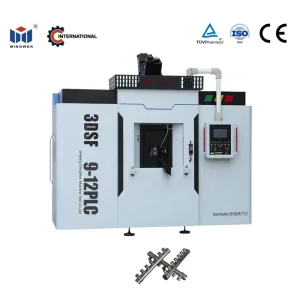
Deep hole drilling represents a specialized subset of subtractive manufacturing where the depth-to-diameter ratio (L/D ratio) exceeds 10:1, often reaching up to 100:1 or more. Standard drilling methods fail under these extreme conditions due to chip accumulation, thermal buildup, and structural deflection. To counter these challenges, two primary industrial systems are deployed: Gundrilling and the BTA (Boring and Trepanning Association) system.
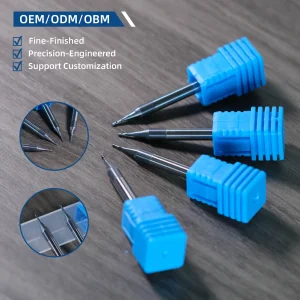
Gundrilling tools feature an asymmetrical cutting edge and an internal channel for high-pressure coolant delivery. The coolant flushes chips out through an external V-shaped groove (flute). This technique is highly effective for smaller diameters (typically 1.0 mm to 50 mm). The BTA system, conversely, uses internal chip removal. Coolant is pumped under high pressure around the outside of the drill tube, and the chips are forced back through the center of the tool. This is preferred for larger diameters and heavy-duty industrial components where speed and surface finish are paramount.
Ideal for deep holes with smaller diameters. Utilizes external V-groove chip evacuation. Highly accurate and provides exceptional dimensional tolerance for aerospace components.
Optimized for larger bore diameters. Features internal chip evacuation via the drill tube, allowing for higher penetration rates and robust performance in tough steel alloys.
A post-drilling process that combines cutting and cold working. Reaches extremely low surface roughness (Ra < 0.1 μm) for hydraulic and cylinder tubes.
The global precision machining landscape is undergoing rapid digitization, and deep hole drilling is no exception. Today's systems integrate advanced monitoring tools to prevent tool breakage and ensure structural integrity. Three major trends define the future of this sector:
A. AI-Driven Sensor Integration: Modern CNC deep hole drilling machines are equipped with acoustic emission sensors and real-time spindle load monitors. By analyzing vibration and torque fluctuations, the system detects micro-cracks or chip clogging before catastrophic tool failure occurs. This predictive maintenance decreases downtime and optimizes tool life.
B. Transition to Minimum Quantity Lubrication (MQL): High-pressure coolant pumps consume significant energy and present environmental disposal challenges. Modern Chinese factories are increasingly implementing MQL systems. MQL delivers an extremely fine mist of lubricant directly to the cutting edge, reducing liquid consumption by up to 95% while keeping cutting temperatures controlled.
C. Advanced Coating Technologies: High-performance drilling relies heavily on coating chemistry. Physical Vapor Deposition (PVD) coatings such as Titanium Aluminum Nitride (TiAlN), Silicon-doped nanocomposite coatings, and Diamond-like Carbon (DLC) are widely used to maintain edge sharpness under high-thermal stress. These coatings dramatically reduce friction coefficient, facilitating efficient chip sliding and reducing heat transfer to the workpiece.
From an E-E-A-T perspective, sourcing industrial deep hole drilling systems from China offers concrete technical advantages. The region of Guangdong, particularly Dongguan, serves as a global epicentre for manufacturing excellence. The core advantages include:
Deep hole drilling equipment is essential across heavy industries, requiring specialized configurations for distinct material behaviors and geometries:
In aerospace, deep hole drilling is utilized for landing gear components, engine shafts, and hydraulic actuators. Sourcing tools for these applications requires rigorous material tracking and low mechanical stress during cutting. The tooling must achieve straightness without inducing heat-induced microstructural alterations in sensitive titanium or high-strength steel alloys.
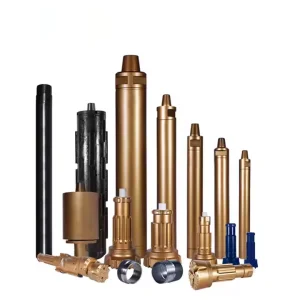
For down-the-hole drilling tools, drill collars, and offshore exploration pipes, equipment must handle extremely long steel bars. The challenge is ensuring axial alignment and consistent internal diameters over lengths exceeding 10 meters. Heavy-duty BTA drilling systems, optimized for thick-walled pipes, provide high penetration rates and exceptional reliability in tough operating conditions.
For engine blocks, transmission shafts, and injection mold cooling channels, cycle time and precision are critical. High-speed gundrilling tools with specialized chip breakers are engineered to run at elevated feed rates while maintaining clean surfaces, minimizing the need for subsequent honing operations.
Procuring industrial tooling globally requires structured validation. Quality assurance managers should evaluate potential partners using this key checklist:
A Professional Manufacturer of Precision Industrial Cutting & CNC Machining Tools
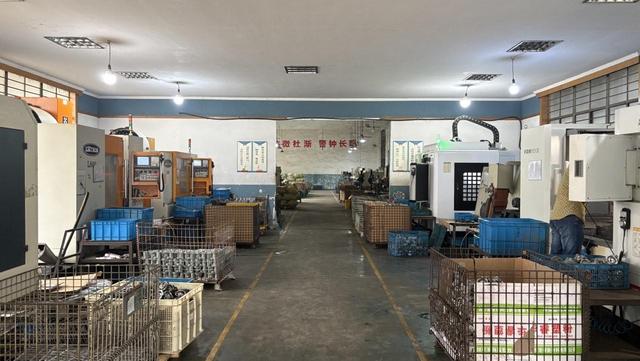
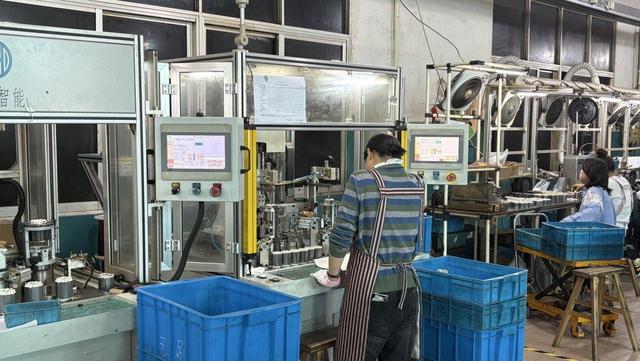
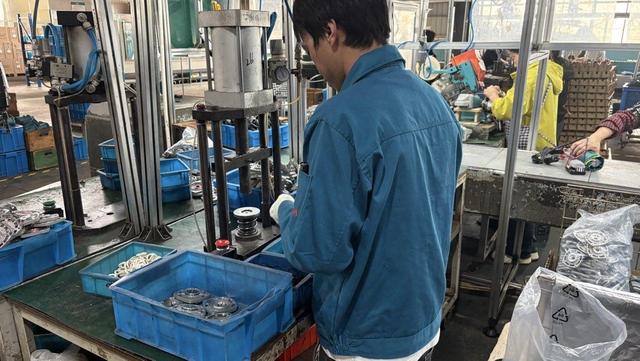
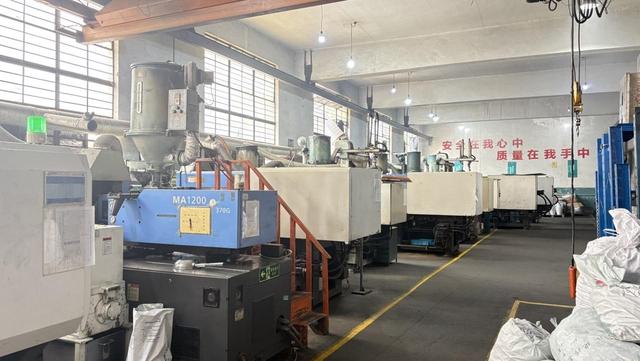
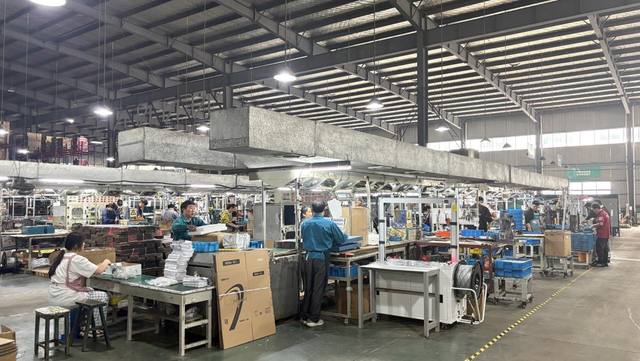
Dongguan Carto Tool Co., Ltd. is a professional manufacturer specializing in industrial cutting tools, CNC machining tools, milling systems, turning solutions, and precision metal cutting technologies. The company is dedicated to providing high-performance tooling solutions for modern manufacturing industries, including automotive, aerospace, mold processing, machinery production, and general metal fabrication.
Since its establishment, Carto Tool has developed from a small-scale cutting tool workshop into a specialized industrial tooling supplier with integrated R&D, production, and quality control capabilities. In its early stage, the company focused on basic turning and milling tool production for local machining workshops. With the rapid growth of China’s manufacturing sector, Carto Tool expanded its technology base and began developing more advanced CNC-compatible cutting systems to meet higher precision and efficiency requirements.
During its development phase, the company introduced modern production lines and precision grinding equipment to ensure stable performance and long tool life. At the same time, Carto Tool strengthened its testing systems to improve cutting accuracy, wear resistance, and thermal stability across different machining environments.
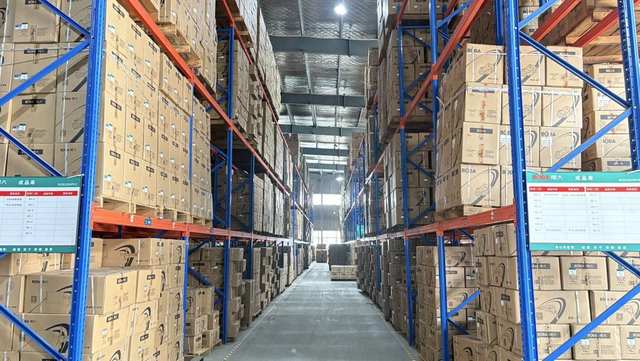
Today, Dongguan Carto Tool Co., Ltd. serves global industrial clients with a wide range of cutting tool solutions designed for high-speed, high-precision, and heavy-duty applications. The company continues to focus on innovation in CNC machining efficiency, metal cutting performance, and cost optimization for manufacturers. With a commitment to quality and engineering excellence, Carto Tool aims to become a trusted international supplier in the industrial cutting tools industry, supporting smarter and more efficient global manufacturing systems.


Direct technical answers from our engineering team to common queries regarding deep hole drilling and cutting tools.
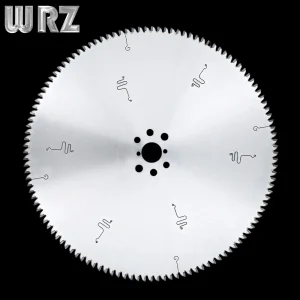
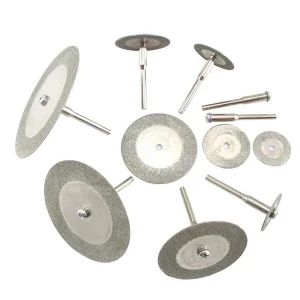
Explore our extensive range of industrial cutting saws, diamond abrasives, and computerized machining systems.
 Carto Tool