Discover our core line of premium precision manufacturing equipment and tooling kits designed for high-performance fabrication. Integrated with advanced geometries, hard-coat finishes, and superior wear resistance, these products serve major global engineering applications.
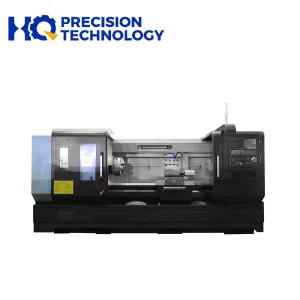
Aerospace-Grade CNC Flat Bed Lathe for Precision Component Production
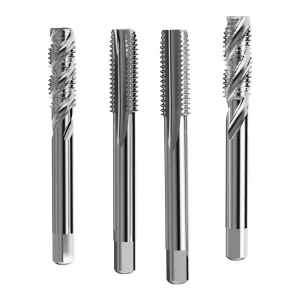
Thread Tap and Die Set Screw Thread Cutting Tool With Case Hand Tools Tapping ToolM3 M4 M5 M6 M8 M10
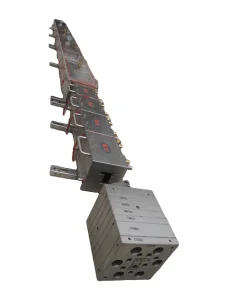
Extrusion Mold New Die PVC UPVC Molds Extrusion Tooling Window Profile Made in China
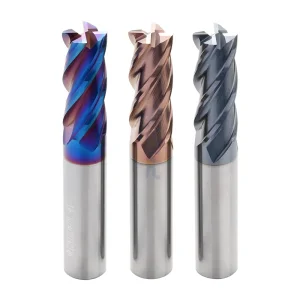
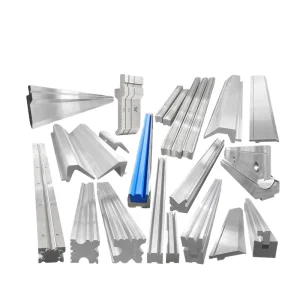
Custom 90 Degree Bending Machine Tools and Dies CNC Bending Machine Tools

Industrial Fume Extraction System for Plasma Cutting Machine for Heavy Duty Metal Fabrication
Modern industrial manufacturing stands at the crossroads of digitalization and extreme mechanical efficiency. In the domain of precision machining, Precision Filament Tools, advanced milling inserts, and micro-grain carbide substrates have evolved to satisfy the tolerances dictated by aerospace engineering, defense manufacturing, and medical technology. Filament tools—which encompass complex high-hardness extruders, specialized profile micro-cutters, wire drawing dies, and precision thread systems—require unparalleled thermal stability and wear opposition.
Globally, manufacturers are transitioning from general carbon-steel cutters to highly specialized, multi-layered nanocomposite-coated solid carbide systems. The demand for tighter dimensional tolerances (down to sub-micron levels) has driven massive integration between material science research labs and tooling manufacturers. As a consequence, selecting the right OEM/ODM partner is no longer just a purchasing decision but a vital technical alliance.
Transitioning to sub-micron and ultra-fine grain tungsten carbide powders (down to 0.2μm) to enhance edge retention and mechanical toughness under heavy intermittent cuts.
Widespread deployment of AlTiN, TiAlN, CVD Diamond, and DLC (Diamond-like Carbon) coatings to withstand process temperatures exceeding 900°C.
Incorporating smart CNC machining feedback loops and thermal sensors to capture tool lifespan metrics, drastically optimizing factory OEE calculations.
Procurement heads from tier-one automotive giants, aerospace system integrators, and medical device manufacturers do not merely compare price points; they assess integrated value structures. The key priorities in sourcing precision cutting tools, inserts, and customized profile dies center around consistent metallurgical purity, supply chain visibility, and rapid ODM-to-market cycles.
| Procurement Indicator | Technical Benchmark Range | Impact on Assembly Lines | Critical Sourcing Requirements |
|---|---|---|---|
| Dimensional Consistency | ±0.002 mm (sub-micron options) | Mitigates robotic calibration failures | Zoller Genius tool measurement reports |
| Coating Thickness & Adhesion | 2.0μm - 4.5μm (PVD / CVD) | Prevents micro-chipping under high shear | Scratch-testing and adhesion verification |
| Batch-to-Batch Homogeneity | 99.98% metallurgical repeatability | Standardizes unmanned machining speeds | Spectroscopy and raw material traceability certificates |
| Thermal Shock Performance | Up to 1100°C operating threshold | Supports high-velocity dry machining | Application of TiAlN or CVD Diamond layers |
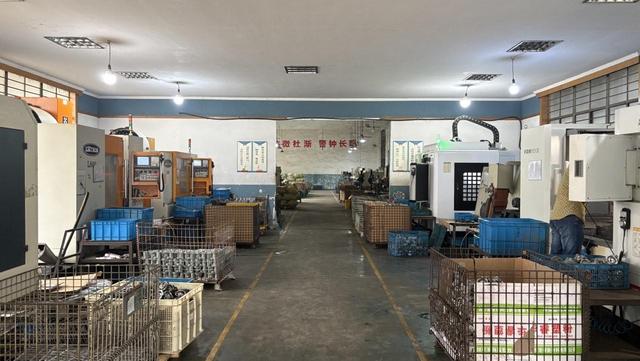
The core strength of the Chinese precision tooling ecosystem, centered in manufacturing hubs like Dongguan, lies in the convergence of upstream raw material refine-ability and downstream automated CNC processing. Factory 4.0 upgrades have integrated multi-axis grinding cells, laser edge-preparation stations, and inline automated sorting machines.
This transformation guarantees massive manufacturing capacity, reducing delivery lead times from weeks to days. By linking computerized logistics pipelines directly to raw tungsten ore suppliers, manufacturers can bypass geopolitical supply chain vulnerabilities, maintaining stable cost margins even under shifting global trade conditions.
Moreover, advanced simulation tools let Chinese engineers run finite element analysis (FEA) on cutting geometries prior to sintering or milling. This drastically lowers ODM prototyping costs and guarantees that custom blueprints translate into high-yield, production-ready industrial assets instantly.
Every tool has a specific structural role depending on the material hardness, cutting speed, and chip evac needs. Our precision filament tools and milling assemblies are engineered to perform in these rigorous industrial environments:
High-temperature superalloys, titanium structural components, and carbon-fiber composites (CFRP) require tools with optimal rake angles and high thermal threshold coatings to prevent thermal degradation of workpieces.
Continuous high-volume milling of engine block castings and transmission housings requires indexable milling inserts and face mills with high wear resistance, offering reliable cutting life through thousands of cycles.
PVC/UPVC window profile extrusion molds and intricate micro-dies rely on extremely fine surface finishes (Ra < 0.2μm) to prevent material adhesion and maintain structural integrity during thermal shaping processes.
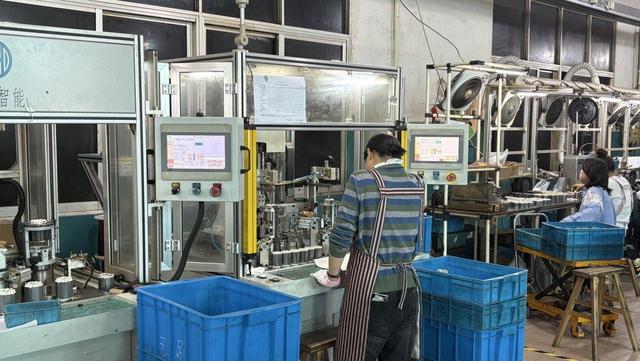
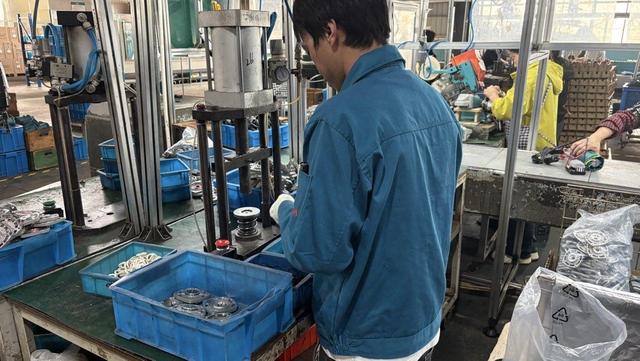
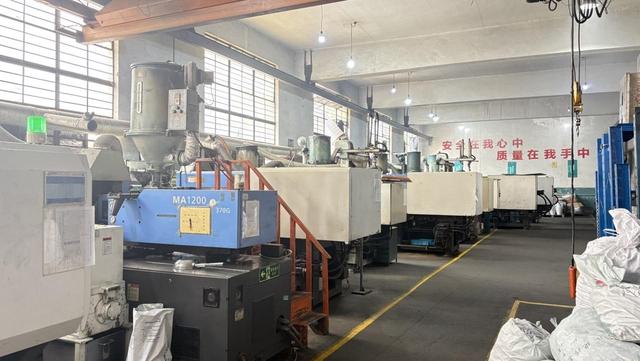
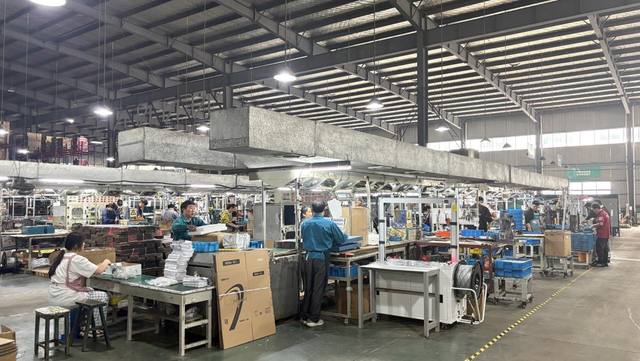
Dongguan Carto Tool Co., Ltd. is a professional manufacturer specializing in industrial cutting tools, CNC machining tools, milling systems, turning solutions, and precision metal cutting technologies. The company is dedicated to providing high-performance tooling solutions for modern manufacturing industries, including automotive, aerospace, mold processing, machinery production, and general metal fabrication.
Since its establishment, Carto Tool has developed from a small-scale cutting tool workshop into a specialized industrial tooling supplier with integrated R&D, production, and quality control capabilities. In its early stage, the company focused on basic turning and milling tool production for local machining workshops. With the rapid growth of China’s manufacturing sector, Carto Tool expanded its technology base and began developing more advanced CNC-compatible cutting systems to meet higher precision and efficiency requirements.
During its development phase, the company invested in carbide material research, coating technology improvements, and CNC tool geometry optimization. It introduced modern production lines and precision grinding equipment to ensure stable performance and long tool life. At the same time, Carto Tool strengthened its testing systems to improve cutting accuracy, wear resistance, and thermal stability across different machining environments.
Today, Dongguan Carto Tool Co., Ltd. serves global industrial clients with a wide range of cutting tool solutions designed for high-speed, high-precision, and heavy-duty applications. The company continues to focus on innovation in CNC machining efficiency, metal cutting performance, and cost optimization for manufacturers. With a commitment to quality and engineering excellence, Carto Tool aims to become a trusted international supplier in the industrial cutting tools industry, supporting smarter and more efficient global manufacturing systems.



To understand the longevity of precision filament and milling tools, one must look closely at the interaction of cutting force dynamics, mechanical heat generation, and coating technology. Solid carbide tooling substrates are typically composed of tungsten carbide (WC) grain structures bonded with cobalt (Co). Higher cobalt content increases shock resistance but lowers overall hardness.
Through rigorous OEM custom designs, we fine-tune this grain structure. By utilizing ultra-fine micro-grains (below 0.5 microns), we maximize the density of the grain boundaries, which prevents crack propagation. Furthermore, we matching specialized CVD/PVD coatings based on the localized stress dynamics of the target application:
When subjected to temperatures above 800°C, these coatings form a protective, micro-thin aluminum-oxide layer on the tool surface. This thermal barrier prevents heat transfer to the carbide core, preserving cutting edge hardness during high HRC steel machining.
Specially adapted for non-ferrous applications like high-silicon aluminum alloys and graphite milling. With hardness values approaching natural diamond, CVD coating significantly reduces surface coefficient of friction, optimizing chip flow.
Ideal for micro-tooling applications where tolerances must remain highly stable. It provides high wear resistance and low thermal expansion, protecting micro-flutes from structural breakdown during deep pocketing.
These tools offer industry-proven edge retention, high-temperature tolerance, and advanced chip evacuation. They are engineered to maximize productivity on your assembly lines, serving diverse CNC configurations.
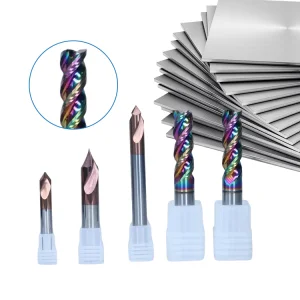
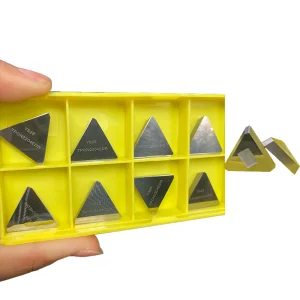
High Temperature Resistance Turning Insert Ys25 Tools Cutting Tool Triangle Inserts Milling
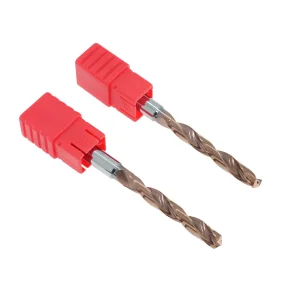
Wholesale Price CNC Tungsten Carbide Drill Bits Solid Carbide Drill Bit-D8.1-D10
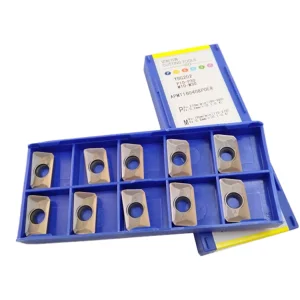
Diamond Milling Cutter APMT160408 AlTin Coated Carbide Insert HRC65 For CNC Machining Center
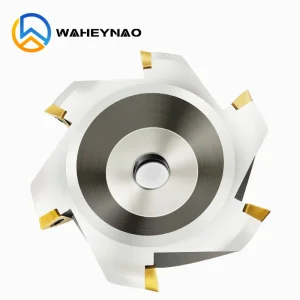
Bap400r100-6t32 Versatile 6-Flute Indexable Face Milling Cutter with Apmt Inserts
Browse our frequently asked technical questions to optimize your procurement decisions and tool selection processes.
 Carto Tool