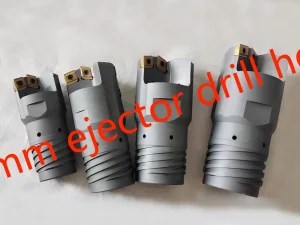
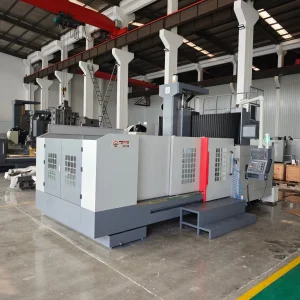
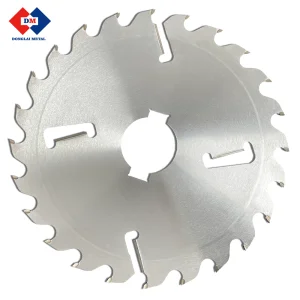
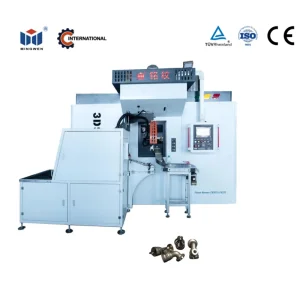
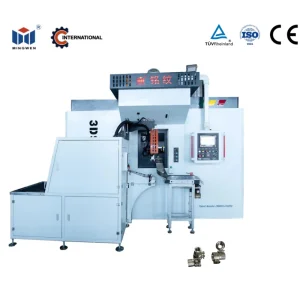
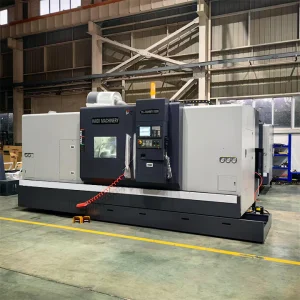
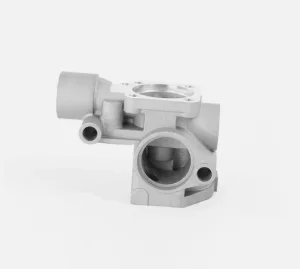
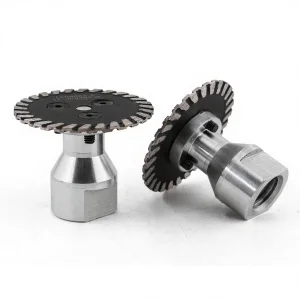
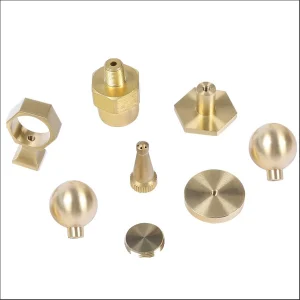
Explore our advanced catalog of industrial machinery, precision transfer systems, and heavy-duty milling tools designed to optimize production throughput and operational safety.
In high-velocity CNC machining, manufacturing productivity is directly linked to the mechanical interface between the tool, the holder, and the workstation. True ergonomic cutting tools are engineered to mitigate mechanical stress, damp structural vibrations, reduce operator fatigue during manual changes, and maintain thermal stability under high load. This whitepaper analyzes the capabilities, material sciences, and manufacturing processes behind modern ergonomic tooling, focusing on Dongguan Carto Tool Co., Ltd. as a primary model for high-capacity OEM/ODM custom development.
Using asymmetric variable helix geometry and tuned mass damper cores in tooling bodies to suppress regenerative chatter during high-speed milling operations.
Formulated with cobalt binders ranging from 6% to 12% to secure optimal hardness-to-fracture toughness ratio, critical for dynamic tool load management.
Application of Physical Vapor Deposition (PVD) Chromium Nitride (CrN) and Titanium Aluminum Nitride (TiAlN) coatings to withstand thermal shocks up to 900°C.
Originally founded as a small-scale tooling workshop servicing regional machinery lines, Dongguan Carto Tool Co., Ltd. has evolved into a premier industrial developer integrating design, R&D, and custom production. By continuously upgrading manufacturing assets, Carto Tool delivers high-performance solutions for automotive, aerospace, and general metal fabrication sectors globally.
Historical Record: Since its establishment, Carto Tool has developed from a small-scale cutting tool workshop into a specialized industrial tooling supplier with integrated R&D, production, and quality control capabilities. In its early stage, the company focused on basic turning and milling tool production for local machining workshops. With the rapid growth of China’s manufacturing sector, Carto Tool expanded its technology base and began developing more advanced CNC-compatible cutting systems to meet higher precision and efficiency requirements.
R&D and Testing Focus: During its development phase, the company invested in carbide material research, coating technology improvements, and CNC tool geometry optimization. It introduced modern production lines and precision grinding equipment to ensure stable performance and long tool life. At the same time, Carto Tool strengthened its testing systems to improve cutting accuracy, wear resistance, and thermal stability across different machining environments.
Current Status: Today, Dongguan Carto Tool Co., Ltd. serves global industrial clients with a wide range of cutting tool solutions designed for high-speed, high-precision, and heavy-duty applications. The company continues to focus on innovation in CNC machining efficiency, metal cutting performance, and cost optimization for manufacturers. With a commitment to quality and engineering excellence, Carto Tool aims to become a trusted international supplier in the industrial cutting tools industry, supporting smarter and more efficient global manufacturing systems.
Procuring from South China (Dongguan industrial belt) yields structural, materials, and logistical advantages that help operations maintain a competitive cost structure.
China controls major portions of the global tungsten supply chain. This enables domestic factories to secure ultra-fine grade tungsten carbide powders and advanced cobalt blends with minimal supply disruptions and stable pricing.
Facilities feature high-end multi-axis CNC grinding machines (including Rollomatic and Walter setups), allowing for automated runout correction within ≤ 2 microns (0.002mm).
Localized access to coating houses enables swift testing and application of wear-resistant layers like TiAlN, AlTiN, DLC (Diamond-Like Carbon), and multilayer composite designs.
Integrated design environments go from CAD model to working sample within 7–10 working days, significantly compressing the typical lead times of Western suppliers.
Modern manufacturing demands more than standalone tooling. Advanced industries require integrated solutions that address system vibration, tool wear detection, and high-pressure coolant management.
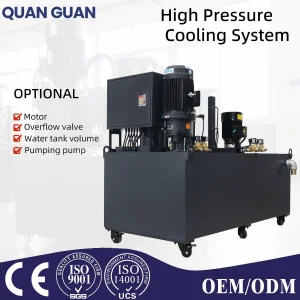
Using advanced coolant delivery configurations directly through the spindle to cool the cutting zone, optimize chip breaking, and extend tool life during hard metal milling.
Automated sensor suites track spindle load, vibration harmonics, and dimensional anomalies to detect imminent tool failure and prevent workpiece damage.
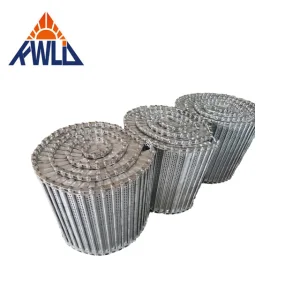
Automated scraper-drum and hinge-belt chip conveyors clear debris continuously from high-feed workspaces, minimizing downtime and maintaining clean cutting areas.
We configure custom cutting tools to meet the requirements of varied demanding production fields:
To ensure consistent tool performance across global facilities, procurement teams should evaluate potential partners using a structured verification process:
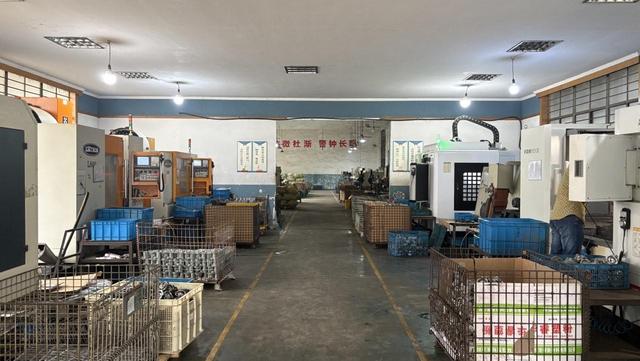
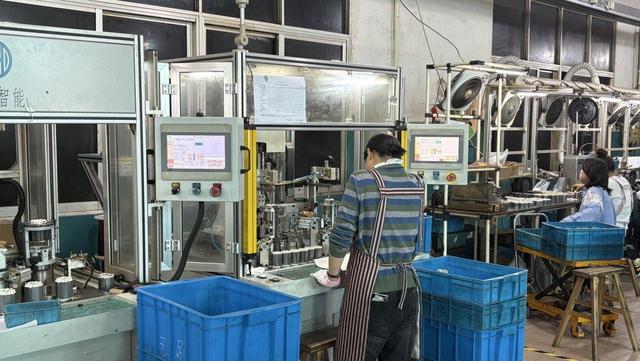
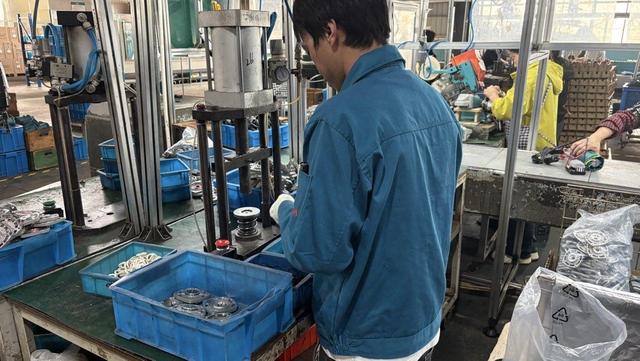
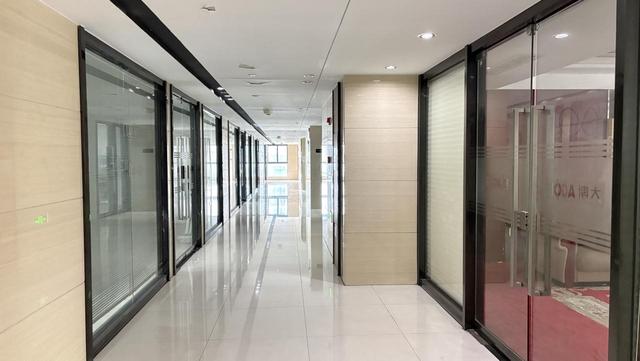
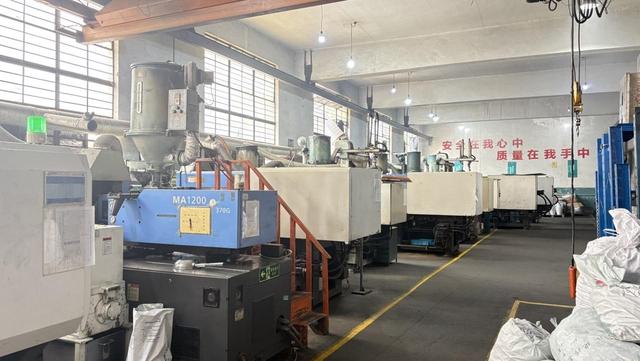
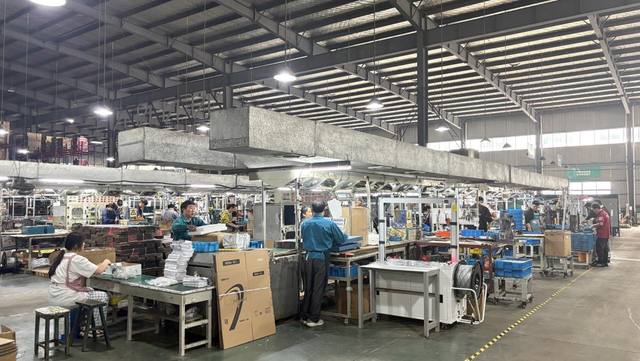
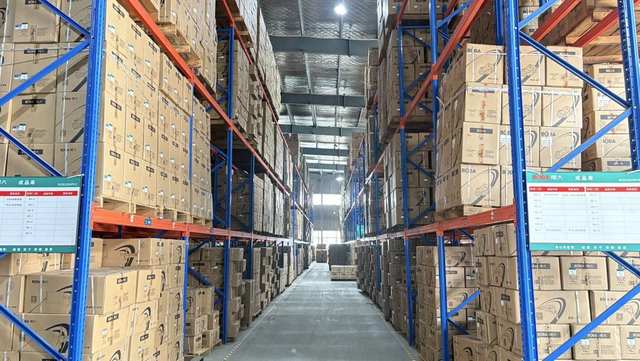
Take a virtual tour of our factory floor, showing our grinding facilities, raw material preparation areas, and final quality control operations.
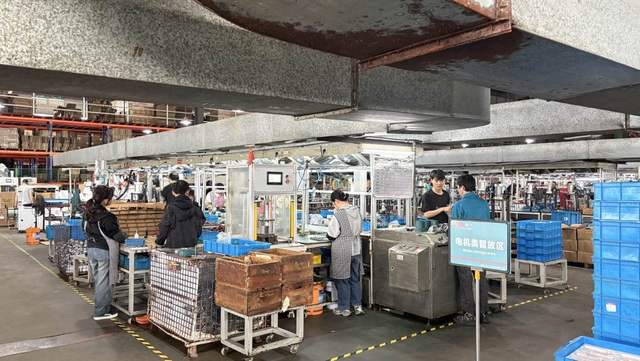
Review answers to common technical and logistical questions received from procurement agents and plant managers.
Complete your facility setups with automated rotary transfer tables, integrated coolant pumps, tool sensors, and chip conveyor solutions.
 Carto Tool