In modern subtractive manufacturing, the efficiency of metal cutting processes is fundamentally bound to the predictability and longevity of the cutting tools used. Tool Life Management (TLM) is no longer merely a maintenance protocol; it is a critical variable in the cost-efficiency equation of high-speed CNC machining, aerospace engineering, automotive manufacturing, and heavy mold production. Globally, manufacturing systems lose billions of dollars annually due to unscheduled downtime, catastrophic tool failures, and sub-optimal cycle times stemming from deficient tool monitoring and predictive replacement models.
Industrial entities are increasingly shifting from reactive tool-change strategies (waiting for a tool to break or visually degrade) to highly technical, data-driven, and predictive models of tool wear management. Tool Life Management integrates material science, precise CNC programming, coating technologies, and localized machine sensor feedback. By implementing custom OEM tool configurations, modern factories can match the specific wear characteristics of carbide and high-speed steel tools to the unique metallurgical properties of their target workpieces. This level of customization dramatically reduces thermal fatigue, flank wear, and built-up edge (BUE) formations.
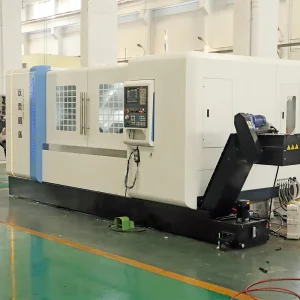
This industrial dynamic requires reliable global exporters who can deliver customized tooling options consistent with international standards. Custom OEM tool factories act as development partners, engineering tooling solutions designed to handle challenging materials (such as Inconel, Titanium alloys, hardened steel, and optical glasses) while ensuring compatibility with complex machining centers like vertical gantries, double turret lathes, and automated multi-axis systems.
Developing high-performance cutting tools is an ongoing process of optimization. Standard tooling often falls short when exposed to high temperatures, high-speed shear stresses, and cyclic loading. The technical roadmap of advanced Tool Life Management is built upon three pillars: material composition, surface treatments (coatings), and structural micro-geometry.
The foundation of tool reliability starts with the base material. Modern high-wear tools utilize sub-micron and nano-grained tungsten carbide (WC) substrates paired with cobalt binders. The grain refinement increases both hardness and transverse rupture strength, providing the structural integrity required to withstand high impact during heavy-duty turning and deep hole drilling applications.
Applying coatings like Titanium Aluminum Nitride (TiAlN), Aluminum Titanium Nitride (AlTiN), Diamond-Like Carbon (DLC), and multi-layer CVD coatings creates a high-performance thermal barrier. For instance, TiAlN coatings undergo a surface oxidation reaction under high temperatures, forming a protective aluminum oxide (Al2O3) layer. This layer prevents diffusion wear and allows tools to run at higher speeds without thermal failure.
Optimized geometries, including variable helix angles, unequal index flutes, and variable rake angles, help suppress machining chatter and optimize chip evacuation. Micro-geometry treatments, such as edge honing (erasing microscopic grinding burrs) and the integration of internal coolant passages, minimize mechanical shock and lower friction, extending tool life significantly.
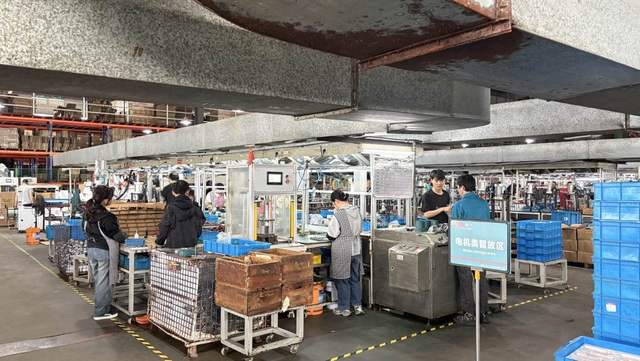
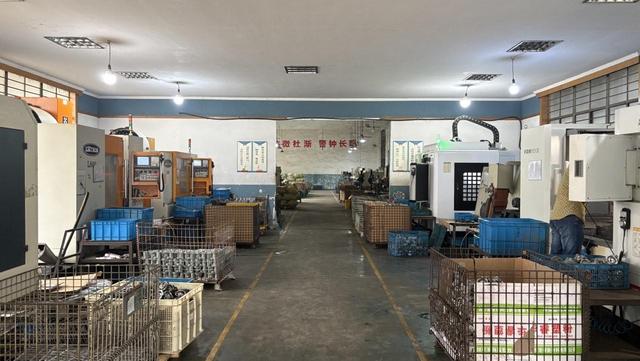
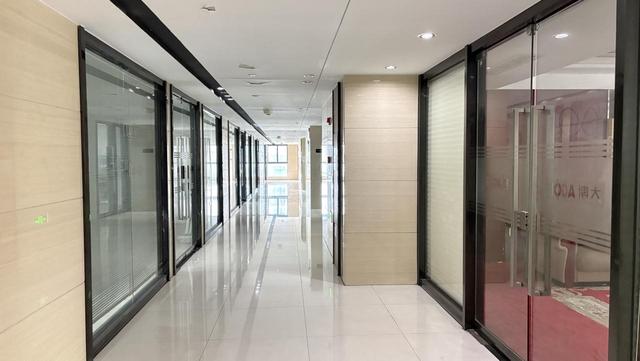
Dongguan Carto Tool Co., Ltd. is a professional manufacturer specializing in industrial cutting tools, CNC machining tools, milling systems, turning solutions, and precision metal cutting technologies. The company is dedicated to providing high-performance tooling solutions for modern manufacturing industries, including automotive, aerospace, mold processing, machinery production, and general metal fabrication.
Since its establishment, Carto Tool has developed from a small-scale cutting tool workshop into a specialized industrial tooling supplier with integrated R&D, production, and quality control capabilities. In its early stage, the company focused on basic turning and milling tool production for local machining workshops. With the rapid growth of China's manufacturing sector, Carto Tool expanded its technology base and began developing more advanced CNC-compatible cutting systems to meet higher precision and efficiency requirements.
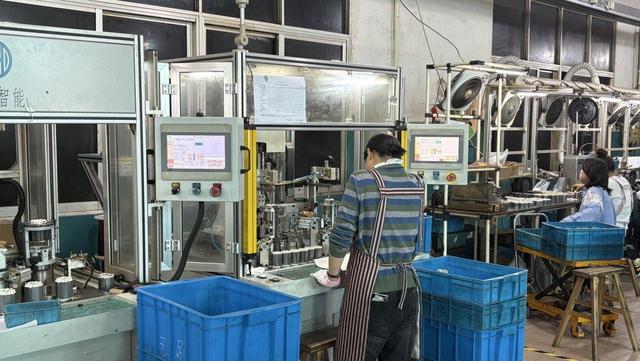
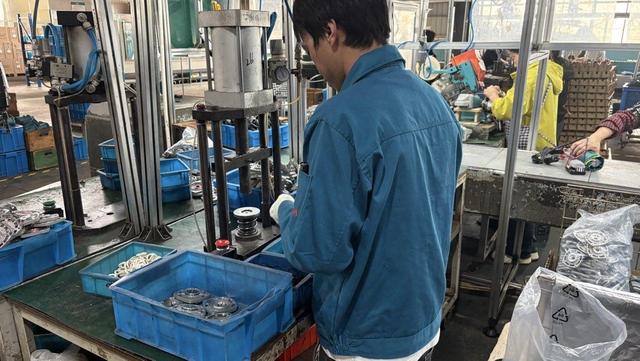
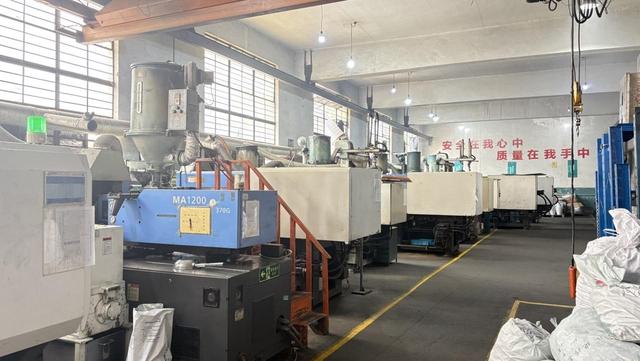
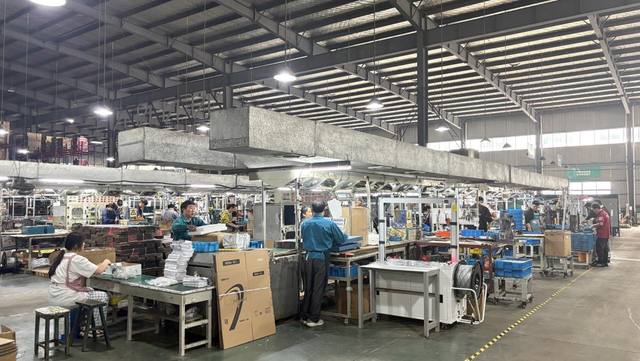
During its development phase, the company invested in carbide material research, coating technology improvements, and CNC tool geometry optimization. It introduced modern production lines and precision grinding equipment to ensure stable performance and long tool life. At the same time, Carto Tool strengthened its testing systems to improve cutting accuracy, wear resistance, and thermal stability across different machining environments.
Today, Dongguan Carto Tool Co., Ltd. serves global industrial clients with a wide range of cutting tool solutions designed for high-speed, high-precision, and heavy-duty applications. The company continues to focus on innovation in CNC machining efficiency, metal cutting performance, and cost optimization for manufacturers. With a commitment to quality and engineering excellence, Carto Tool aims to become a trusted international supplier in the industrial cutting tools industry, supporting smarter and more efficient global manufacturing systems.
Tool Life Management is highly dependent on the localized application environment. Different workpiece materials, CNC machine stiffness levels, coolant availabilities, and operational environments require custom adjustments to tooling parameters.
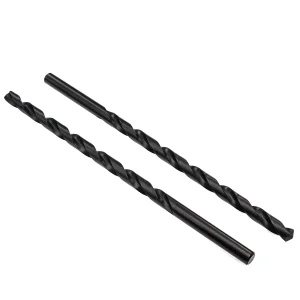
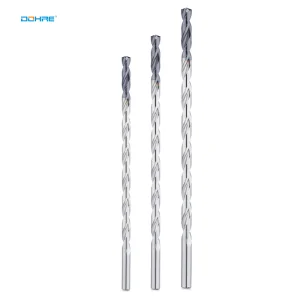
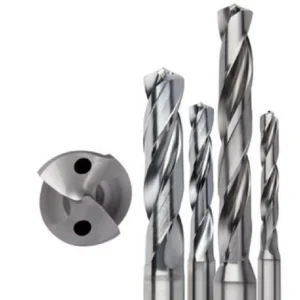
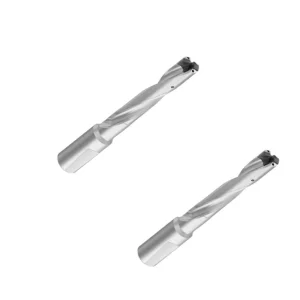
High-wear alloys like titanium (Ti-6Al-4V) generate extreme heat at the cutting edge. Custom OEM tooling utilizes solid carbide drills with through-coolant holes and custom-engineered geometries to manage heat generation, prevent work hardening, and protect the component's metallurgical structure.
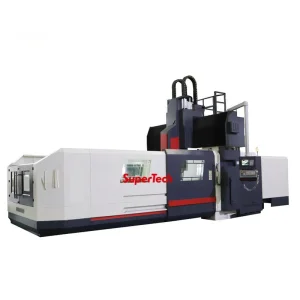
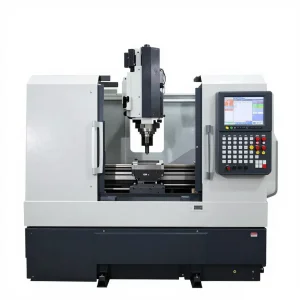
Heavy-duty mold production uses large gantry mills (e.g., BT50 spindles) processing large structural components. Tool life management here focuses on maintaining dimensional stability over prolonged periods, utilizing thick coatings and reinforced tool cores to prevent tool deflection.
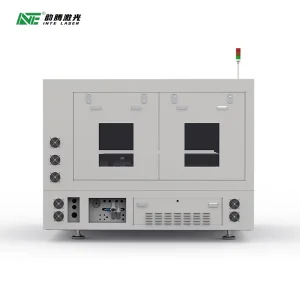
Processing microelectronics and high-clarity covers requires clean, vibration-free material separation. Combining high-speed spindle operations with laser-assisted toolpaths helps control micro-cracking and reduces chipping along cut paths.
As global industrial supply chains face logistical challenges and rising energy costs, Dongguan, China remains a key hub for high-performance tool production. Choosing a custom OEM tool manufacturer located in Dongguan offers critical advantages in operational flexibility, raw material sourcing, and rapid technological deployment:
1. Complete Industrial Ecosystem: Dongguan houses a dense network of raw tungsten chemical processors, advanced sintering plants, custom coating labs, and precision grinding machine manufacturers. This close integration allows for fast sourcing of specialty materials and rapid development of prototype tools.
2. Advanced Machining Technologies: Local tool factories use high-precision multi-axis CNC grinding machines (including ANCA, Rollomatic, and Walter systems) alongside advanced inspection equipment like Zoller measuring machines. This ensures all tooling meets precise geometrical tolerances.
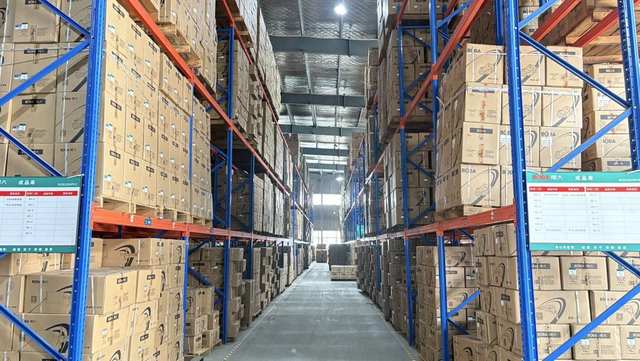
3. Agile OEM Customization & Production Scaling: The close relationships between local tool shops, test laboratories, and shipping hubs allow manufacturers to quickly design, modify, and produce custom tooling runs, delivering them to international customers with minimized lead times.
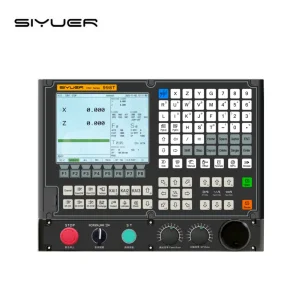
The tool life management sector is moving toward digitalization and predictive automation. Industry 4.0 integration connects tooling systems directly with CNC control panels and factory networks:
Machine spindles equipped with accelerometers and acoustic emission sensors detect the changes in frequency that occur when a tool chips or wears down, allowing for automatic cycle pauses before catastrophic failures happen.
Embedding RFID microchips within tool holders enables machine controls to automatically track usage history, feed rates, and remaining life parameters as tools move between storage carousels and active spindles.
Cloud-linked manufacturing software processes spindle load and thermal data to build wear models, automatically optimizing cutting speeds and feed rates over time to extend tool life.
 Carto Tool