Engineered for extreme reliability, wear resistance, and sub-micron repeatability across challenging modern machining operations.
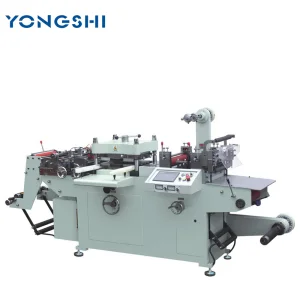
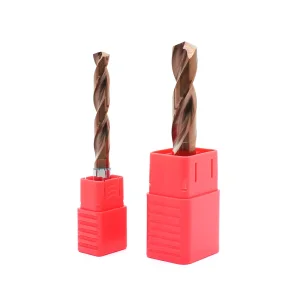
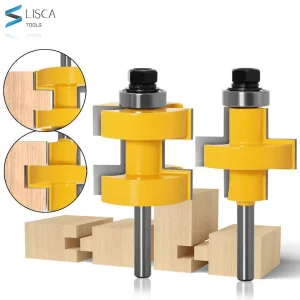
In modern high-speed CNC machining, the margin for error has shrunk from decimal points to microns. Tool Measurement Solutions (TMS) represent a pivotal class of industrial metrology systems dedicated to verifying dimensional parameters—such as tool length, radius, tool profile, runout, and wear profile—before and during the cutting cycle. For industrial operations, precise tool settings ensure that CAD/CAM programs translate flawlessly into raw materials without costly structural scrap.
Globally, manufacturers are transitioning from manual, offline tool setting procedures to automated, in-line, and non-contact laser optical presetters. This shift is driven by the demand for higher throughput and unattended production runs. China's manufacturing sector has evolved in parallel. Once focused purely on producing affordable physical cutting bits, top Chinese tool factories now build integrated ecosystems that support real-time digital closed-loop feedback. These systems sync tooling dimensional data directly with CNC controllers, adjusting axis offsets on the fly to eliminate human calibration error.
Optical and contact presetters deliver measurements with accuracy tolerances down to < 0.5 µm, vital for aerospace turbines and micro-electronics.
Detecting tool rotation eccentricity at full spindle speed prevents micro-fractures in high-speed milling operations.
Seamless data transfers via OPC UA, RFID, and industrial IoT protocols directly link presetter results to the active CNC library.
Procurement strategies in multinational manufacturing companies have moved past looking at purchase price alone to focusing on total cost of ownership (TCO) and tool life cycle optimization. Today, global supply chains depend heavily on specialized manufacturing hubs in China to supply both precision tooling components and integrated metrology systems. Modern procurement parameters require:
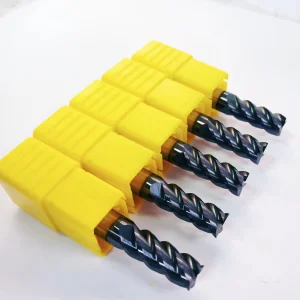
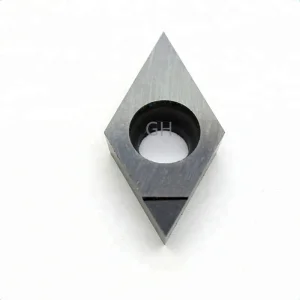
For sectors like automotive powertrain manufacturing, die and mold creation, and aerospace components, tooling managers look for complete solutions that bundle structural tools (such as HRC60 solid carbide end mills and PCD diamond inserts) with the physical probing systems designed to check them. This dual supply requirement has led manufacturers in Dongguan and throughout southern China's industrial zones to integrate tooling design with advanced measurement engineering.
The metrology roadmap for cutting tools features three primary technologies: tactile contact probing, laser-barrier scanning, and multi-axis optical image processing. Each fits specific niches on the shop floor:
Tactile sensors use high-precision micro-switches or piezo-resistive elements. When the physical tool touches the stylus, the system registers the exact machine coordinates. These units excel in harsh conditions where coolant mist, chips, and oil splashes make optical inspection difficult. They are ideal for quick Z-axis length validation and diameter checks on standard carbide drills and end mills.
Laser tool measurement systems use a focused laser beam mounted inside the machining envelope. The tool passes through the beam to determine length and diameter. By scanning the rotating tool at full cutting speed, laser barriers can measure dynamic tool runout and check individual flute wear. This approach is essential for high-speed micro-milling, where contact probes might damage fragile tool tips.
Vision presetters sit adjacent to the CNC machines, providing offline measurement. They use telecentric lenses, backlighting, and high-definition CCD cameras to capture microscopic profile images. Operator software then calculates full geometries, detects micro-chipping, and maps detailed tool profiles before the tool is loaded into the spindle changer. This reduces offline preparation bottlenecks, maximizing spindle uptime.
Dongguan Carto Tool Co., Ltd. is a professional manufacturer specializing in industrial cutting tools, CNC machining tools, milling systems, turning solutions, and precision metal cutting technologies. The company is dedicated to providing high-performance tooling solutions for modern manufacturing industries, including automotive, aerospace, mold processing, machinery production, and general metal fabrication.
Since its establishment, Carto Tool has developed from a small-scale cutting tool workshop into a specialized industrial tooling supplier with integrated R&D, production, and quality control capabilities. In its early stage, the company focused on basic turning and milling tool production for local machining workshops. With the rapid growth of China’s manufacturing sector, Carto Tool expanded its technology base and began developing more advanced CNC-compatible cutting systems to meet higher precision and efficiency requirements.
During its development phase, the company invested in carbide material research, coating technology improvements, and CNC tool geometry optimization. It introduced modern production lines and precision grinding equipment to ensure stable performance and long tool life. At the same time, Carto Tool strengthened its testing systems to improve cutting accuracy, wear resistance, and thermal stability across different machining environments.
Today, Dongguan Carto Tool Co., Ltd. serves global industrial clients with a wide range of cutting tool solutions designed for high-speed, high-precision, and heavy-duty applications. The company continues to focus on innovation in CNC machining efficiency, metal cutting performance, and cost optimization for manufacturers. With a commitment to quality and engineering excellence, Carto Tool aims to become a trusted international supplier in the industrial cutting tools industry, supporting smarter and more efficient global manufacturing systems.
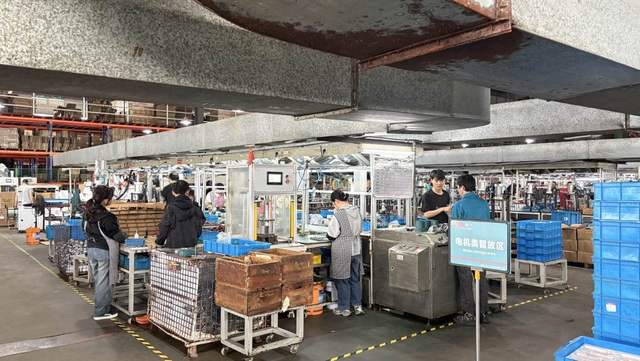
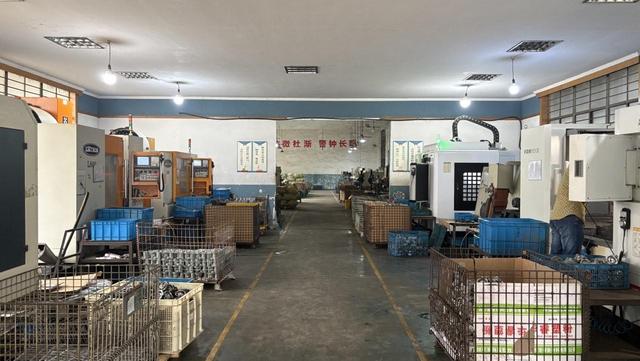
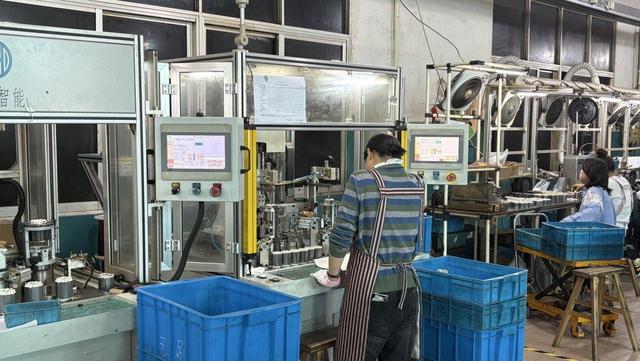
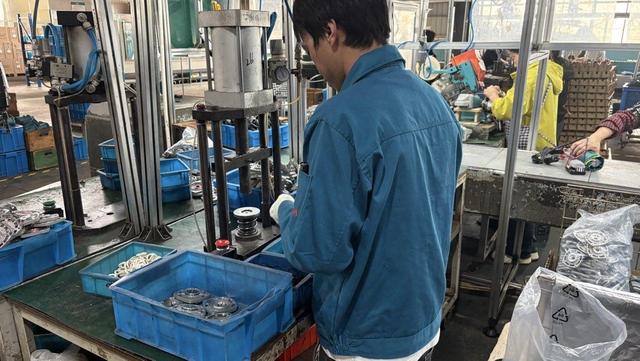
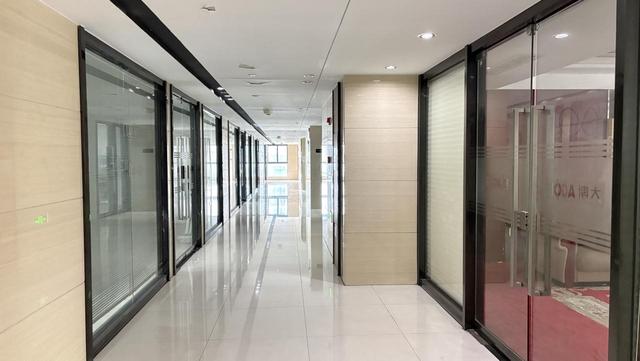
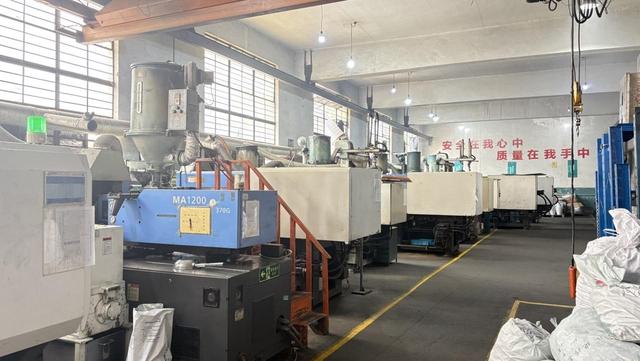
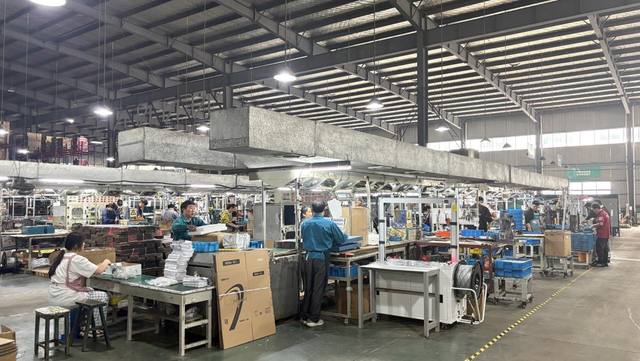
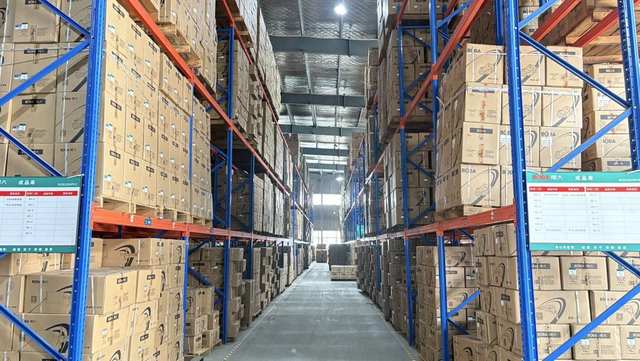
Below is an inside look at our advanced manufacturing plants, grinding centers, and quality control labs where CNC parameters are monitored to meet international manufacturing standards:
For international tier-one automotive and aerospace suppliers, purchasing equipment involves strict validation checks. China-based manufacturers have updated their processes to match global service level agreements (SLAs), offering:
Answers to complex queries regarding tool measurement, wear optimization, and mechanical alignment.
Dynamic runout measures how off-center a tool rotates at actual operating speed, rather than static rest. In high-speed setups (e.g., above 20,000 RPM), even a tiny 2-micron static runout can double under centrifugal force. Dynamic laser measurement checks each tooth to ensure balanced cutting force, preventing tool failure and maintaining smooth surface finishes.
Servo-controlled transmissions regulate cutting force by monitoring torque changes in real time. Unlike mechanical drives that apply fixed stroke pressure, the servo interface adjusts cutting depth based on material resistance. This prevents blade overloading, limits thermal wear, and extends the service life of complex die-cutting tools.
Internal coolant holes deliver high-pressure fluid directly to the drill tip, which is vital when drilling deep holes (5 times the diameter). This direct lubrication flushes out chips, reduces heat buildup at the cutting zone, and prevents chip clogging, allowing faster feeds and longer tool life in tough metals.
Polycrystalline Diamond (PCD) tools feature sharp, hard cutting edges that are prone to micro-chipping if touched by physical probes. Optical presetters use high-resolution cameras and backlight projectors to measure these tools without contact. This process prevents edge damage while mapping complex tool geometries.
As CNC machines run, heat from motors and friction expands the spindle and machine structure, causing thermal drift. If tool offsets are only measured at startup, drift can alter actual cutting depths over time. Modern systems use periodic in-cycle checking via touch probes or laser barriers to update offset data and maintain consistent dimensions.
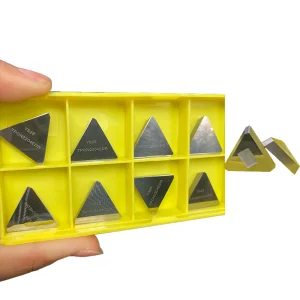
We monitor every step of production, from raw tungsten carbide powder sourcing through sintering to coating application. Using advanced hot isostatic pressing (HIP) and PVD/CVD coatings like AlTiN or DLC, we produce inserts that resist thermal deformation at high speeds, keeping tool wear predictable.
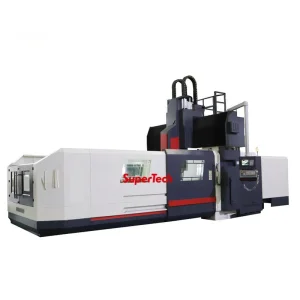
Heavy-duty hardware, machining systems, and tool holders designed to support high productivity across global manufacturing floors.
 Carto Tool