Explore our high-performance CNC solutions, carbide rotary blades, and automated machining center systems engineered for heavy-duty operational stability.
Analyzing physical metallurgy, manufacturing engineering, and macroeconomic purchasing frameworks governing advanced cutting tools.
The manufacturing landscape is undergoing a massive transformation, driven by the emergence of Industrial IoT (IIoT), high-performance computing, and modern metallurgy. Traditional mechanical milling operations have evolved into cyber-physical processes where tool life, chip geometry, feed velocities, and dynamic thermal dissipation are modeled down to the sub-micron scale. Digital cutting tool technology represents the convergence of high-grade alloy substrate metallurgy and computational machining dynamics. As a leading manufacturer and global exporter, Dongguan Carto Tool Co., Ltd. remains at the forefront of this technological shift, producing tools engineered for the stringent requirements of contemporary production lines.
Modern CNC tool manufacturing is guided by three primary performance indices: material hardness, fracture toughness, and chemical/thermal stability. Historically, tool designs required balancing hardness and fracture resistance. However, the development of ultra-fine grain tungsten carbide substrates (particle size < 0.5 µm) has mitigated these trade-offs, enabling high structural integrity alongside superior edge sharpness.
Furthermore, coating technology has transitioned from basic monolayer Physical Vapor Deposition (PVD) to highly sophisticated multi-layered and nanostructured Chemical Vapor Deposition (CVD) coatings. Diamond coatings, nano-crystalline AlTiN, and Silicon-doped TiAlN coatings act as thermal barriers, reducing coefficient of friction and heat transfer into the substrate. This allows for dry high-speed machining (MQL or Minimum Quantity Lubrication) where the thermal energy generated during cutting is carried away predominantly within the chips, preserving the structural integrity of the cutter.
Purchasing managers in the global aerospace, automotive, and heavy tooling sectors look beyond individual unit costs to evaluate the Total Cost of Ownership (TCO) of their tooling systems. Tool replacement downtime, machine utilization losses, and high component reject rates often exceed the initial purchase price of the tools themselves. Consequently, procurement strategies favor suppliers capable of delivering predictable tool life cycle metrics, consistent structural performance, and comprehensive traceability.
Modern global logistics require exporters to maintain robust supply chains capable of delivering custom geometries on demand. Global purchasing requirements are focused on three core components:
| Procurement Pillar | Critical Parameter | Operational Impact |
|---|---|---|
| Metallurgical Uniformity | Cobalt distribution & density consistency | Prevents unexpected structural micro-fractures |
| Geometric Consistency | Flute run-out tolerances within < 0.002mm | Ensures uniform chip loading and high surface finish |
| Dynamic Integrity | Rotational balance under high RPM operations | Protects machine tool spindles from radial wear |
Dongguan Carto Tool Co., Ltd. is a professional manufacturer specializing in industrial cutting tools, CNC machining tools, milling systems, turning solutions, and precision metal cutting technologies. The company is dedicated to providing high-performance tooling solutions for modern manufacturing industries, including automotive, aerospace, mold processing, machinery production, and general metal fabrication.
Since its establishment, Carto Tool has developed from a small-scale cutting tool workshop into a specialized industrial tooling supplier with integrated R&D, production, and quality control capabilities. In its early stage, the company focused on basic turning and milling tool production for local machining workshops. With the rapid growth of China’s manufacturing sector, Carto Tool expanded its technology base and began developing more advanced CNC-compatible cutting systems to meet higher precision and efficiency requirements.
During its development phase, the company invested in carbide material research, coating technology improvements, and CNC tool geometry optimization. It introduced modern production lines and precision grinding equipment to ensure stable performance and long tool life. At the same time, Carto Tool strengthened its testing systems to improve cutting accuracy, wear resistance, and thermal stability across different machining environments.
Today, Dongguan Carto Tool Co., Ltd. serves global industrial clients with a wide range of cutting tool solutions designed for high-speed, high-precision, and heavy-duty applications. The company continues to focus on innovation in CNC machining efficiency, metal cutting performance, and cost optimization for manufacturers. With a commitment to quality and engineering excellence, Carto Tool aims to become a trusted international supplier in the industrial cutting tools industry, supporting smarter and more efficient global manufacturing systems.
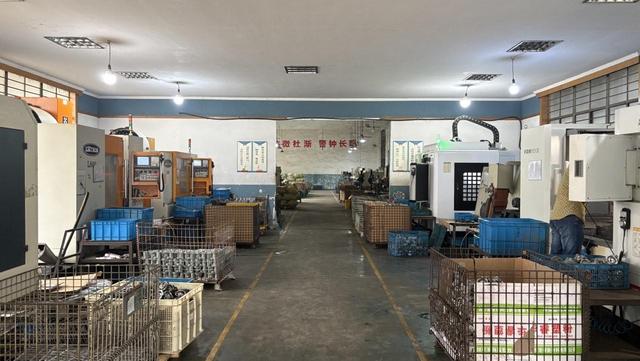
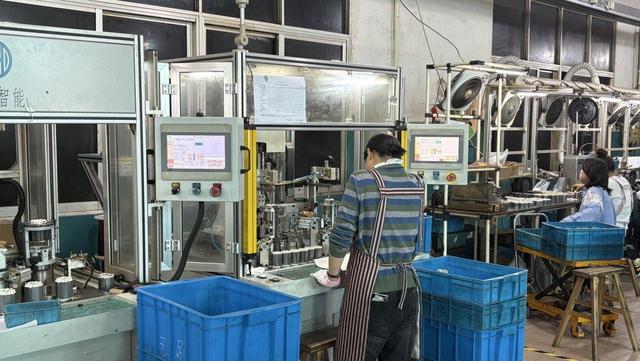
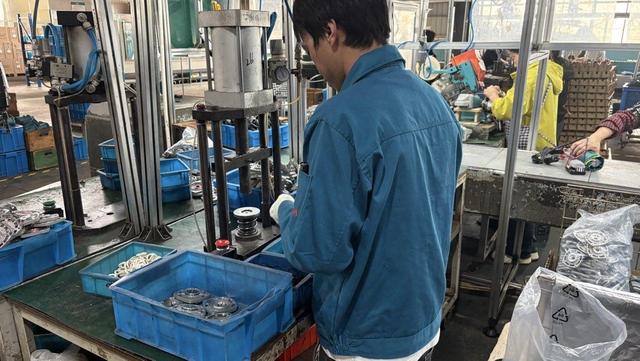
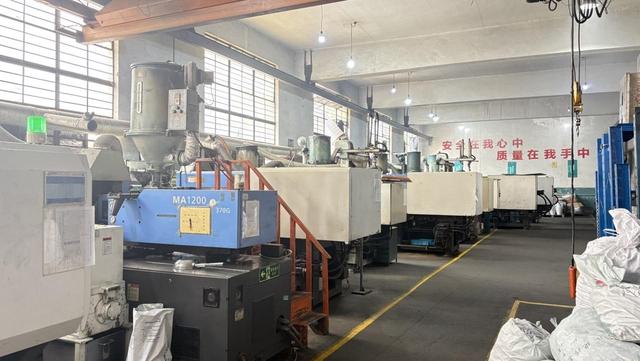
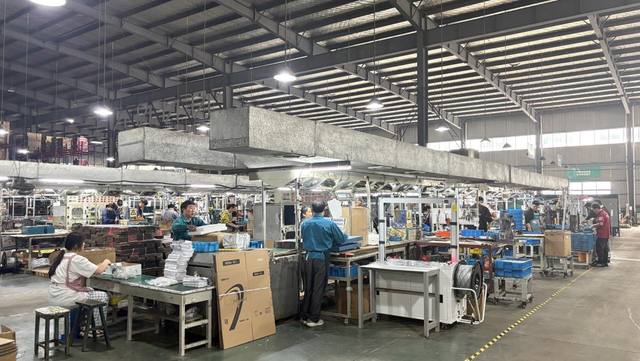
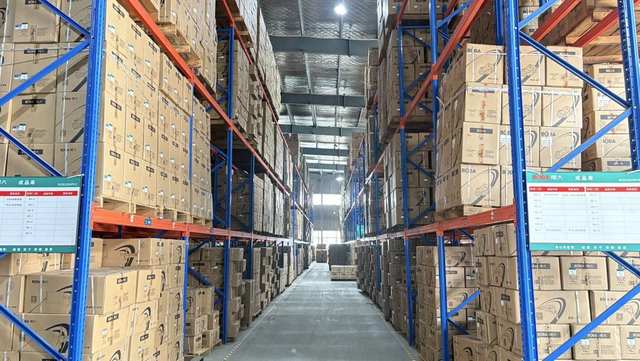
Take a look at our advanced manufacturing lines, high-precision grinding machines, and automated QC testing environments.


Different production sectors face unique challenges when processing advanced materials. Standard solutions rarely meet the demands of aerospace titanium milling, automotive powertrain turning, or micro-precision semiconductor mold stamping. Customization is necessary for high-yield operations.
Machining Inconel, Titanium, and Cobalt-Chromium superalloys generates intense localized thermal stress. This calls for milling geometries with dynamic helix angles and optimized chip breakers. Integrating high-pressure internal coolant systems directly through the spindle core reduces cutting temperatures and prevents heat build-up at the tool tip.
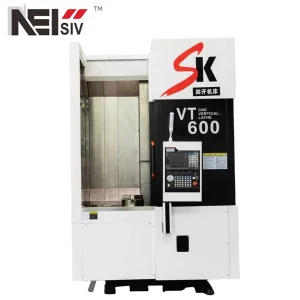
Mass production in the automotive sector requires high tool stability. Complex parts like precision clutches require vertical lathes equipped with high-torque controllers like GSK CNC systems. These setups maintain dimensional consistency within ±0.005 mm over millions of production cycles.
In progress die stamping fabrication, utilizing premium mold accessories made of SKH51, SKH61, and SKD11 materials ensures high tool durability. Selecting high-purity tool steels and applying modern vacuum heat treatments are key to achieving structural stability, preventing chipping, and extending the operational lifetime of punch matrices.
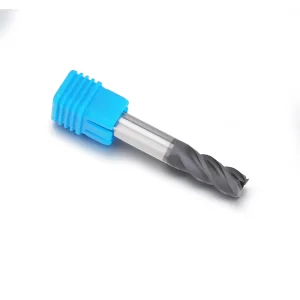
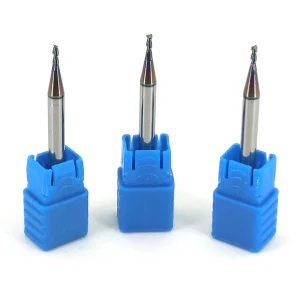
Diameter options down to 0.1 mm with mirror-like surface finishes for medical and micro-electronic molding applications.
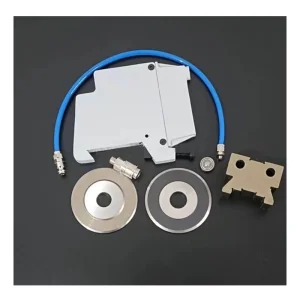
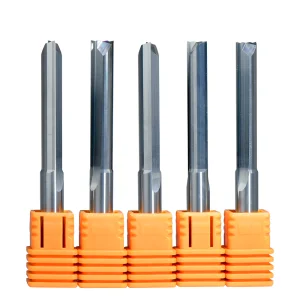
Circular carbide cutting systems designed for nonwovens, high-speed packaging papers, and polymer film slitting.
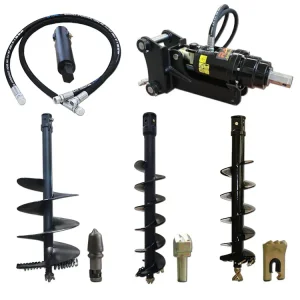
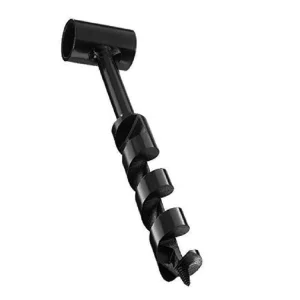
Engineered core drills, earth augers, and robust anchoring assemblies optimized for challenging geodetic profiles.
A supplier's engineering support is just as critical as the physical tooling they deliver. Our commitment to global industrial partners goes beyond supplying parts to providing comprehensive application engineering. We offer remote system optimization, FEA deformation analysis, and wear-profile investigations to help customers maximize performance.
Dongguan Carto Tool Co., Ltd. complies with major global standards, including ISO 9001:2015 quality frameworks, RoHS environmental standards, and CE machinery compliance. For large-scale manufacturing operations, we provide digital product models (STEP/IGES) and CAM tooling data libraries. This allows production teams to run offline collision checks and complete multi-axis tool path simulations before setting up the actual machines.
Looking ahead, we are focusing our R&D on smart, sensor-integrated tooling and eco-friendly manufacturing technologies. As industry standards push for reduced carbon emissions, dry machining is becoming more prevalent. In response, we are developing advanced diamond-like carbon (DLC) coatings and boron suboxide variants to enable machining without chemical lubricants.
At the same time, we are exploring hybrid tool designs that combine lightweight titanium matrix bodies with brazed ultra-hard polycrystalline diamond (PCD) cutting edges. This approach minimizes rotational inertia, reduces spindle energy consumption, and improves cutting speeds, paving the way for more sustainable and efficient production.
Get answers to key technical questions from our metallurgical labs and application engineering team.
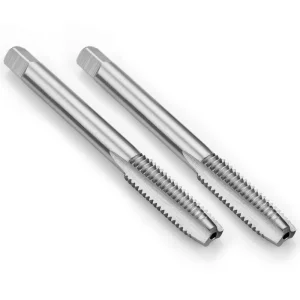
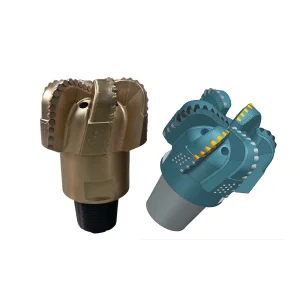
Explore our heavy-duty steel bandsaws, tapping tools, PDC bits, and advanced progressive stamping systems.
 Carto Tool