Explore our certified heavy machinery and precision tooling solutions for global manufacturing industries.
An Industrial Guide to CNC Systems, Structural Rigidity, and Processing Quality
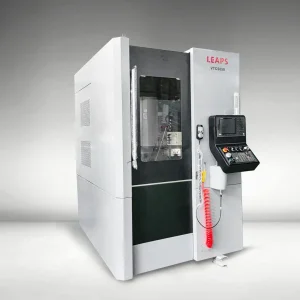
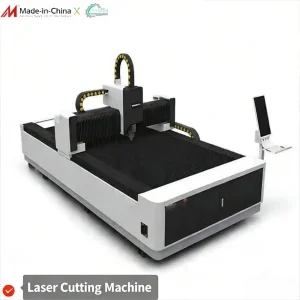
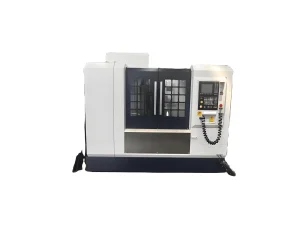
In modern manufacturing, processing components with optimum throughput and dimensional repeatability requires strict compliance with advanced physical dynamics. Horizontal cutting machines and machining centers provide a fundamental departure from traditional vertical setups. By orienting the spindle or processing plane horizontally, manufacturing plants can leverage the natural effects of gravity to ensure continuous, efficient, and clean chip evacuation.
This is particularly critical when dealing with tough alloys, structural steels, and large-format aerospace components where chip accumulation can lead to catastrophic tool breakage or severe thermal distortion. The integration of CE compliance protocols (EN ISO 12100 & Machinery Directive 2006/42/EC) guarantees that these machines maintain the highest structural and operational safety standards under heavy load conditions.
Gravity-assisted chip removal prevents recutting, extending solid carbide tool life by up to 45% and ensuring superior surface finishes on milled pockets.
Low-slung horizontal beds minimize harmonic vibrations, allowing high-speed machining (HSM) on workpieces weighing up to several tons without structural deflection.
Comprehensive protection zones, electro-magnetic shields, and dual-hand control systems fully satisfying CE safety metrics for industrial applications.
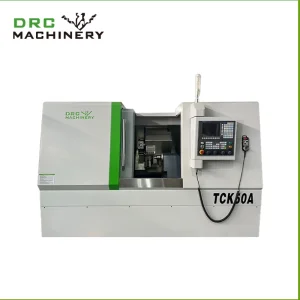
Across the automotive, aerospace, and energy infrastructure sectors, manufacturing directors face challenges related to cycle-time reduction, cost-per-part optimization, and international compliance. Procurement teams are moving away from regional standard tools in favor of integrated systems. This includes high-performance CNC lathes, specialized vertical machining centers, and high-pressure coolant systems that work in tandem with horizontal cutting machinery.
A key bottleneck in global supply chains is verifying the origin, certification, and metallurgy of the cutters. Purchasing managers demand transparent documentation proving the tool's chemical composition, heat treatment, and tolerance consistency. Having a reliable supplier with direct R&D capabilities, such as Dongguan Carto Tool Co., Ltd., is an essential competitive advantage.
Dongguan Carto Tool Co., Ltd. is a professional manufacturer specializing in industrial cutting tools, CNC machining tools, milling systems, turning solutions, and precision metal cutting technologies. The company is dedicated to providing high-performance tooling solutions for modern manufacturing industries, including automotive, aerospace, mold processing, machinery production, and general metal fabrication.
Since its establishment, Carto Tool has developed from a small-scale cutting tool workshop into a specialized industrial tooling supplier with integrated R&D, production, and quality control capabilities. In its early stage, the company focused on basic turning and milling tool production for local machining workshops. With the rapid growth of China’s manufacturing sector, Carto Tool expanded its technology base and began developing more advanced CNC-compatible cutting systems to meet higher precision and efficiency requirements.
| Parameters | CE Horizontal Machining Centers | Standard Vertical Machining Centers |
|---|---|---|
| Gravity & Chip Flow | Chips fall naturally to the flutes/bed, preventing recutting. | Chips accumulate in milled cavities, risking chip drag. |
| Structural Rigidity | Horizontally mounted column reduces stress on the spindle face. | Cantilever design can amplify high-frequency vibration. |
| Tool Interface Life | Optimized by 35% through TiAlN & W-Co material configurations. | Prone to thermal cracking without high-pressure direct flush. |
| Multi-axis Integration | Simplifies 4-axis and 5-axis pallet-pool systems. | Limited workspace volume for large swing table layouts. |
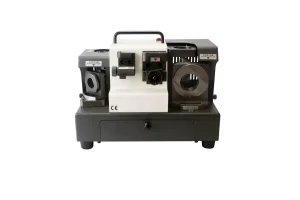
During its development phase, the company invested in carbide material research, coating technology improvements, and CNC tool geometry optimization. It introduced modern production lines and precision grinding equipment to ensure stable performance and long tool life. At the same time, Carto Tool strengthened its testing systems to improve cutting accuracy, wear resistance, and thermal stability across different machining environments.
Today, Dongguan Carto Tool Co., Ltd. serves global industrial clients with a wide range of cutting tool solutions designed for high-speed, high-precision, and heavy-duty applications. The company continues to focus on innovation in CNC machining efficiency, metal cutting performance, and cost optimization for manufacturers. With a commitment to quality and engineering excellence, Carto Tool aims to become a trusted international supplier in the industrial cutting tools industry, supporting smarter and more efficient global manufacturing systems.
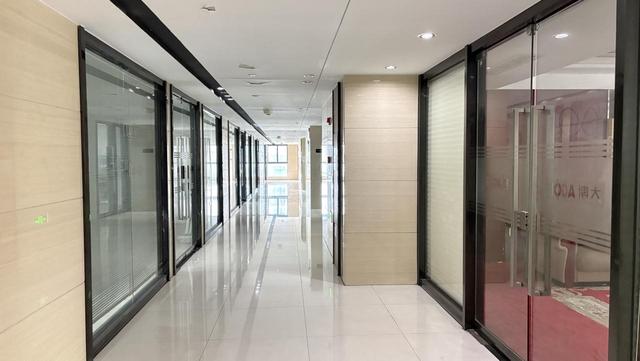
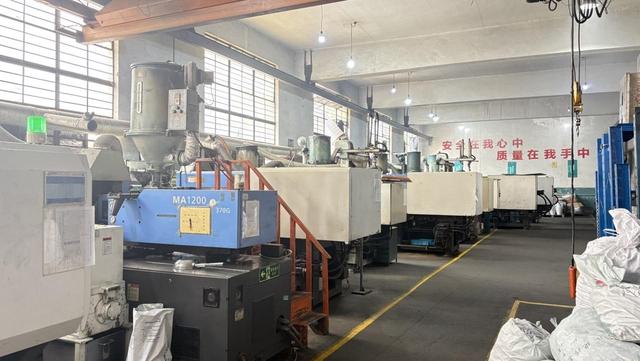
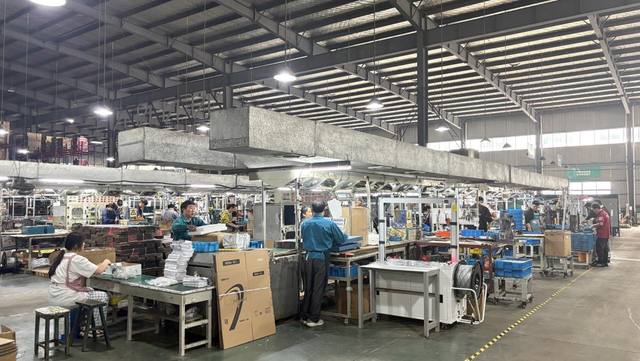
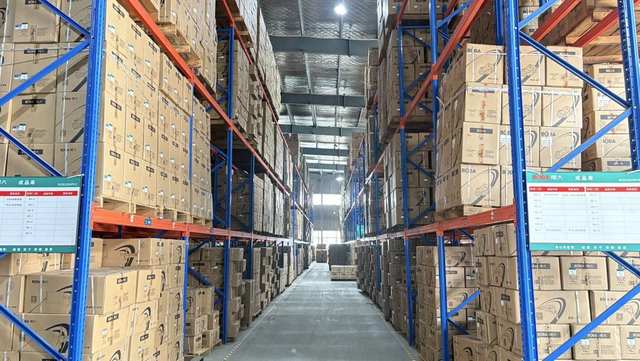
Inside our specialized manufacturing site for high-performance industrial tooling systems.
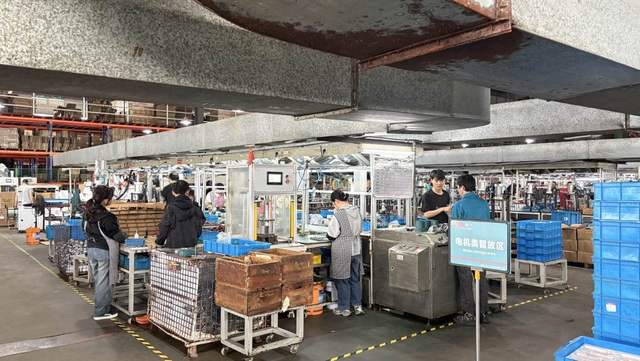
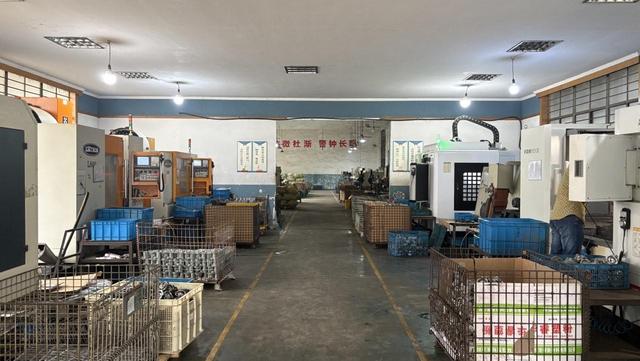
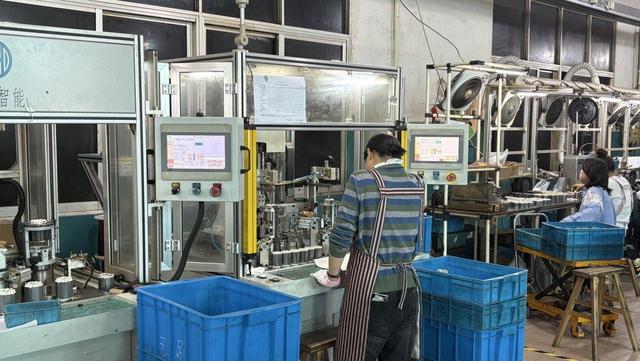
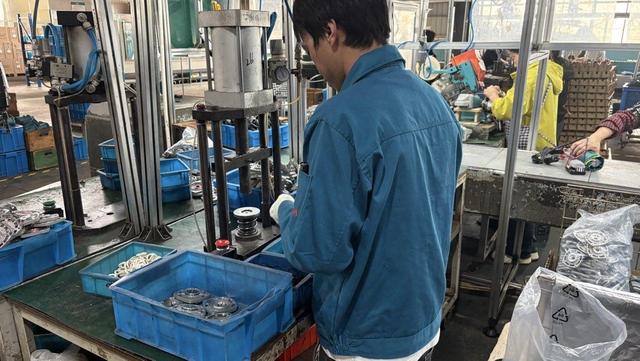
In response to global demands for sustainable and highly automated factories, the development of horizontal cutting tools is following three key vectors: material science, intelligent integration, and environmental mitigation.
Sub-micron and ultra-fine grain tungsten cobalt (WC-Co) alloys represent the pinnacle of modern substrate engineering. Decreasing grain size to below 0.5 microns significantly increases both toughness and hardness, defying the traditional metallurgical trade-off. This substrate, coupled with TiAlN or AlTiN coatings applied via Physical Vapor Deposition (PVD), protects tools from structural failure at cutting edge temperatures exceeding 900°C.
Modern CE-certified machinery is shifting towards closed-loop control systems. These systems monitor cutting forces and thermal signatures in real-time. By utilizing digital twin profiles of the end mills, drills, and indexable inserts, the machine’s CNC controller can adjust feed rates to protect tools from premature failure while maximizing metal removal rates (MRR).
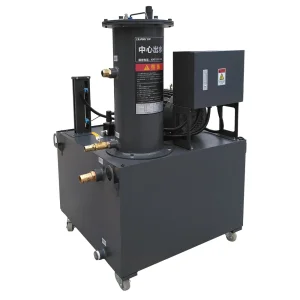
Flood coolant disposal is a major environmental cost for modern machine shops. Transitioning to Minimum Quantity Lubrication (MQL) or using advanced coolant filtration systems, such as Carto Tool's dedicated high-pressure coolant line, keeps tools running cooler with minimal fluid footprint. This system removes particulates down to 5 microns, protecting internal cooling channels from clogging.
Get professional answers from Carto Tool's Senior Application Engineers
CE certification indicates compliance with European Union directives, specifically the Machinery Directive (2006/42/EC), Low Voltage Directive (2014/35/EU), and EMC Directive (2014/30/EU). It guarantees that the horizontal cutting machine features comprehensive mechanical interlocks, emergency stop circuits, exhaust control, and electrical protection layouts that prevent hazards to the operator during setup and production.
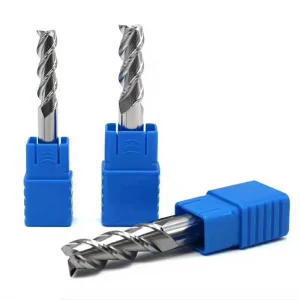
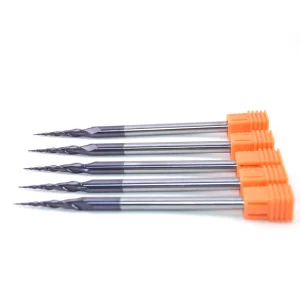
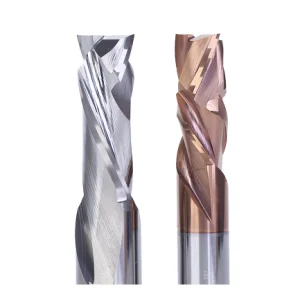
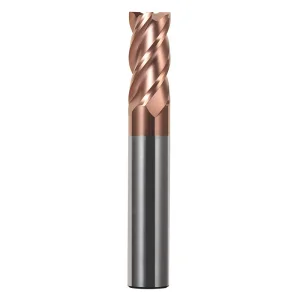
TiAlN (Titanium Aluminum Nitride) forms an aluminum oxide layer at elevated temperatures, providing extreme thermal barrier protection. The 4-flute core configuration offers structural rigidity, reducing cutter deflection while balancing the chip volume required for slotting and profiling high-tensile alloys like titanium and stainless steel.
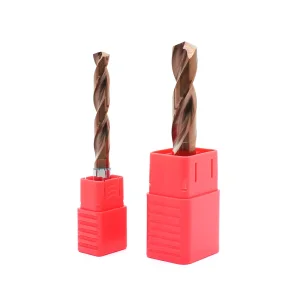
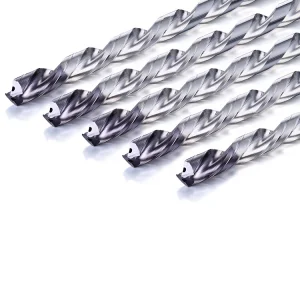
Internal cooling channels deliver pressurized fluid (up to 70 bar) directly to the drill tip. This forces chips out along the flutes, prevents thermal shock, and lubricates the cutting interface. This enables one-pass deep hole drilling up to 10xD or 15xD without the need for peck drilling cycles, reducing cycle times by over 60%.
Carto Tool provides end-to-end tooling design, geometry customization, custom coatings (TiAlN, DLC, CrN), and prototyping for aerospace and automotive clients. Our engineers optimize cutter geometry to match the buyer's material composition, spindle power, and workpiece configuration, ensuring maximum tool performance from day one.
Explore high-performance drill bits, milling cutters, lathes, and high-pressure filtration systems.
 Carto Tool