Key supply metrics relevant to aerospace-grade cutting tools across the Mulifanua and broader Pacific industrial corridor.
Mulifanua, positioned on the western tip of Upolu in Samoa, is most widely known as the site of Faleolo International Airport and a growing industrial and logistics gateway for the Pacific island region. What is less documented — and precisely what this whitepaper addresses — is the emerging demand profile for aerospace-grade precision cutting tools within Mulifanua and the wider Samoan and Pacific export base. As regional aviation maintenance, repair and overhaul (MRO) activity increases, as new light-industrial and marine fabrication facilities are established, and as government investment in infrastructure modernisation continues, Mulifanua is transitioning from a pure logistics node into a genuine precision-manufacturing catchment area.
This transition is not driven by heavy aerospace assembly — Samoa does not yet host wide-body final assembly — but by high-value maintenance, retrofit, tooling support, and marine-aerospace crossover fabrication that demand aerospace-grade tolerances. This is precisely where Dongguan Carto Tool Co., Ltd. positions itself: a professional manufacturer specializing in industrial cutting tools, CNC machining tools, milling systems, turning solutions, and precision metal cutting technologies. Carto Tool delivers high-performance tooling for automotive, aerospace, mold processing, machinery, and general metal fabrication — a portfolio directly aligned with Mulifanua's evolving industrial identity.
Mulifanua's industrial lanes are shaped by three converging forces. First, the airport and port infrastructure anchors a steady demand for MRO tooling, ground-support equipment fabrication, and precision fixture machining. Second, the broader Samoan economy's reliance on fishing, marine transport, and light manufacturing creates crossover demand for stainless and titanium-capable cutting platforms. Third, regional development programs for renewable energy and telecommunications infrastructure introduce new precision-parts requirements that local workshops must meet with imported machine tools and consumables. Suppliers who can deliver aerospace-grade machining centers with predictable lead times and after-sales support therefore hold a distinct advantage in the Mulifanua market.
Dongguan Carto Tool Co., Ltd. is a professional manufacturer specializing in industrial cutting tools, CNC machining tools, milling systems, turning solutions, and precision metal cutting technologies. The company is dedicated to providing high-performance tooling solutions for modern manufacturing industries, including automotive, aerospace, mold processing, machinery production, and general metal fabrication.
Since its establishment, Carto Tool has developed from a small-scale cutting tool workshop into a specialized industrial tooling supplier with integrated R&D, production, and quality control capabilities. In its early stage, the company focused on basic turning and milling tool production for local machining workshops. With the rapid growth of China's manufacturing sector, Carto Tool expanded its technology base and began developing more advanced CNC-compatible cutting systems to meet higher precision and efficiency requirements.
During its development phase, the company invested in carbide material research, coating technology improvements, and CNC tool geometry optimization. It introduced modern production lines and precision grinding equipment to ensure stable performance and long tool life. At the same time, Carto Tool strengthened its testing systems to improve cutting accuracy, wear resistance, and thermal stability across different machining environments.
Today, Dongguan Carto Tool Co., Ltd. serves global industrial clients with a wide range of cutting tool solutions designed for high-speed, high-precision, and heavy-duty applications. The company continues to focus on innovation in CNC machining efficiency, metal cutting performance, and cost optimization for manufacturers. With a commitment to quality and engineering excellence, Carto Tool aims to become a trusted international supplier in the industrial cutting tools industry, supporting smarter and more efficient global manufacturing systems.
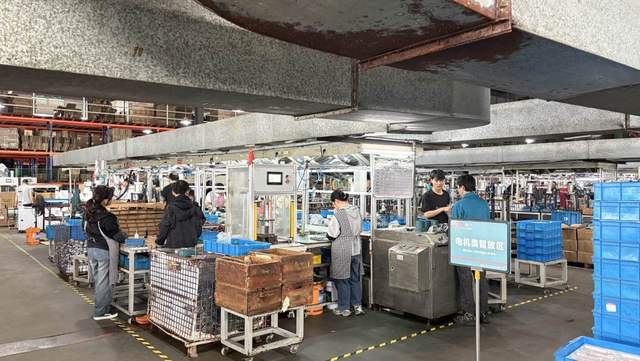
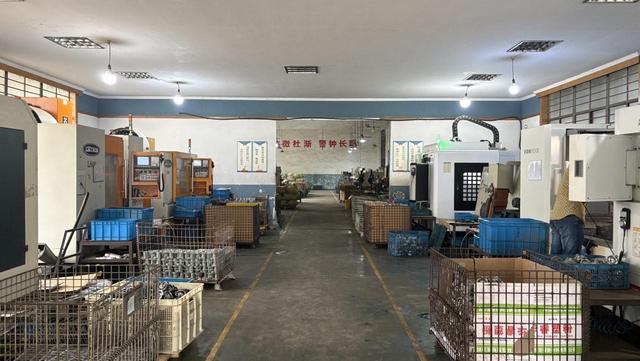
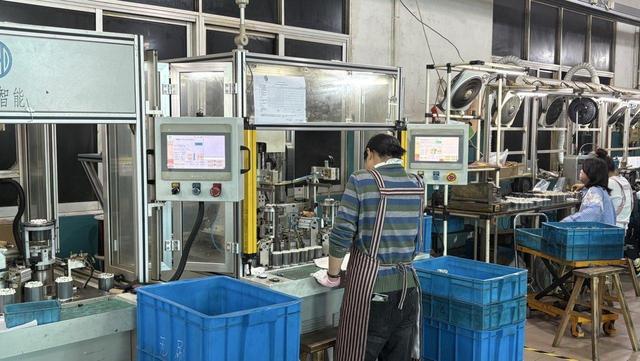
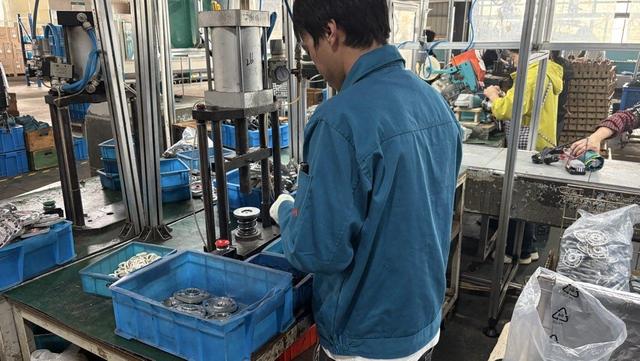

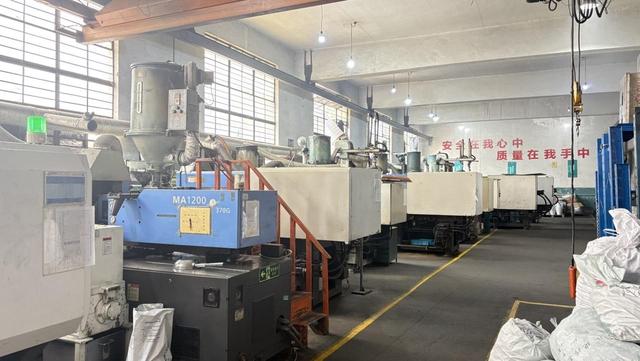
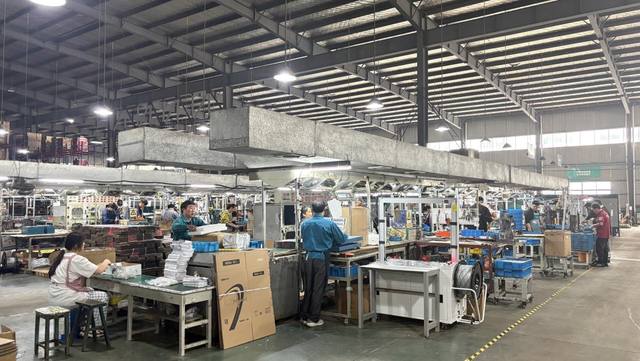
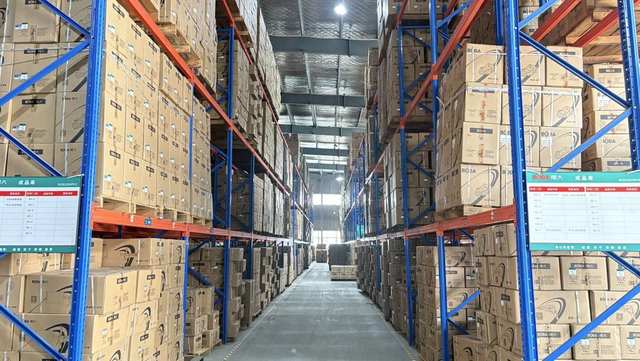
For Mulifanua buyers, the dominant competitive question is not simply what machine is available — it is whether the supplier can maintain continuity of supply, spare-part availability, and engineering responsiveness across a geographically distant, low-volume market. This is the structural advantage Chinese tooling manufacturers now hold, and it deserves explicit technical treatment.
From carbide blank production through coating and final grinding, integrated facilities in Dongguan and the Pearl River Delta reduce dependency on external subcontractors — critical when Mulifanua orders are low-volume and time-sensitive.
Modular production lines allow suppliers like Carto Tool to serve Mulifanua's mid-size orders profitably while keeping unit costs competitive against European and Japanese alternatives.
Established freight corridors from Southern China to Apia and Faleolo, combined with consolidated LCL/FCL options, shorten effective lead times and reduce landed cost volatility.
In-house R&D allows tool geometry to be adapted to Mulifanua-specific materials (titanium, duplex stainless, marine-grade alloys) within weeks rather than quarters.
Remote diagnostics, spare-part kits, and regional service partners reduce downtime risk for Mulifanua workshops without requiring on-island inventory duplication.
Carto Tool's tooling delivers aerospace-grade performance at a price structure that supports the capital constraints of emerging Pacific industrial bases.
Globally, aerospace-grade precision cutting tools are entering a phase of digital-twin-driven process design, adaptive control machining, and hard-material tooling innovation. Demand for titanium and nickel-superalloy capable tools is rising in lockstep with lighter airframes and higher-temperature engine components. For a market like Mulifanua, the practical implication is that machine tool procurement should be evaluated not only on current part geometry but on readiness for future material classes and automated workflows.
Deploy AS9100-aligned process documentation, first-article inspection protocols, and calibrated metrology. Establish reliable export channels and spare-part agreements with Mulifanua-based operators.
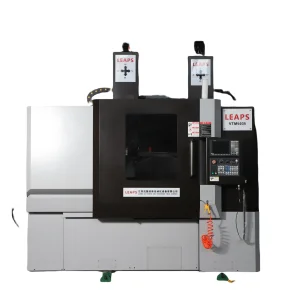
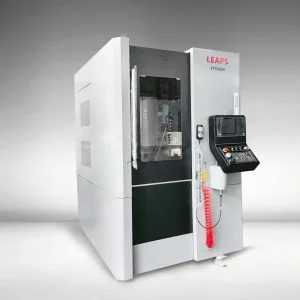
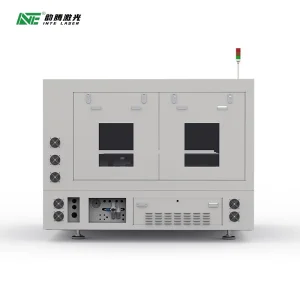
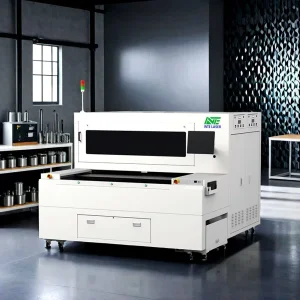
Introduce five-axis machining centers, high-precision vertical machining centers, and industrial laser glass cutters to serve avionics display, optical, and complex-geometry component demand.
Adopt adaptive control, in-process metrology, and digital-twin process simulation, positioning Mulifanua-based workshops to participate in regional MRO and precision-component supply chains.
Discuss your Mulifanua application requirements with the Carto Tool engineering team. Response within 1–2 business days.
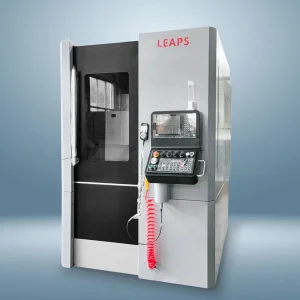
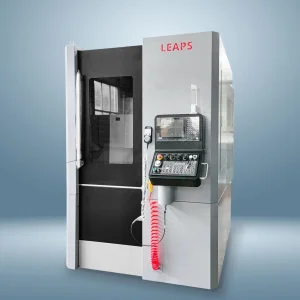
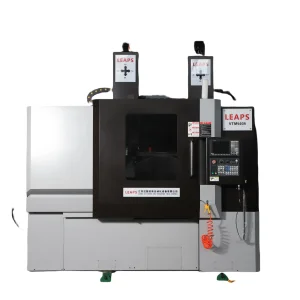
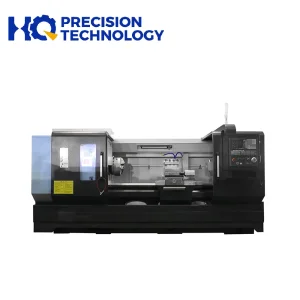
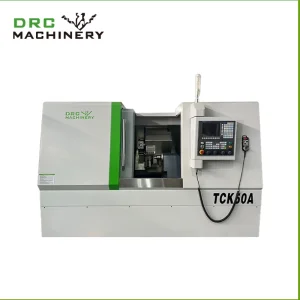
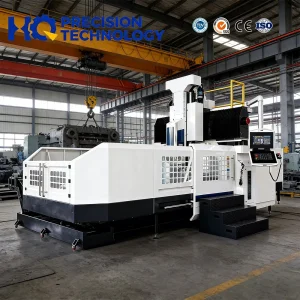
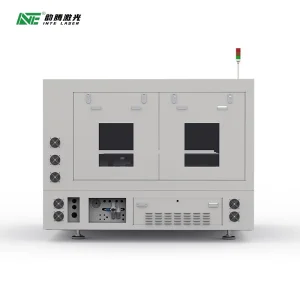
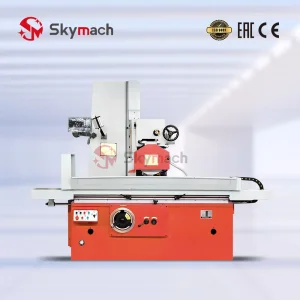
Send Inquiry NowFour additional platforms from the Carto Tool portfolio, engineered for precision, reliability, and export readiness.
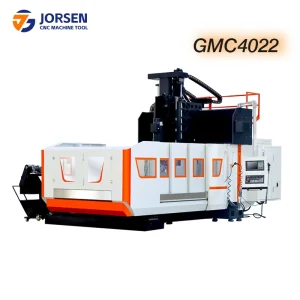
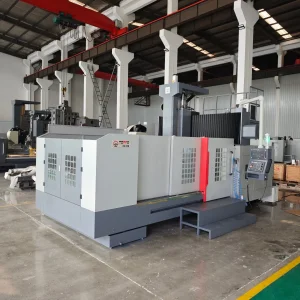
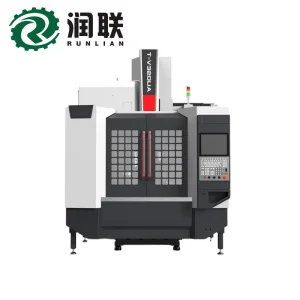
Aerospace-grade tooling is characterized by tighter geometric tolerances (typically ±0.003mm or better), documented material traceability, AS9100-aligned process controls, and validated thermal and wear performance across critical material classes such as titanium, Inconel, and 17-4PH stainless steel. Standard industrial tooling may meet these in part, but not under full documented verification.
Carto Tool's modular production structure allows flexible batch sizing, consolidated export shipping to Apia and Faleolo, and application-engineering support via remote channels. Spare-part kits and consumables are configured specifically for island operation profiles to reduce downtime and inventory burden.
The most relevant classes include titanium alloys (Ti-6Al-4V), 17-4PH and duplex stainless steels, aluminium 7075-series, and hardened tool steels used in fixture and jig production. The Carto Tool CNC Lathe Tck50A, five-axis machining center, and CNC flat-bed lathe platforms are specifically engineered for these material classes.
Yes — Carto Tool provides full export documentation including material certificates, certificates of conformity, and standard customs paperwork. Packaging is engineered for humid, salt-air environments and long ocean transit, ensuring equipment arrives within specified tolerance and cosmetic condition.
Typical lead times range from 4–8 weeks for standard configurations, with consolidated shipment routing from Southern China to Apia. Application-customized configurations may extend to 10–12 weeks depending on engineering scope. Carto Tool confirms specific timelines during the inquiry stage.
Support includes remote commissioning guidance, operator training documentation, spare-part kits, application engineering consultation, and warranty-backed replacement protocols. Service coordination is handled through regional partners and direct engineering escalation channels.
Vertical integration — from carbide blank production through coating and final grinding — removes multiple subcontractor markups. Modular production lines serve low- to mid-volume orders profitably, allowing aerospace-grade performance to be delivered at a cost structure aligned with emerging Pacific industrial bases.
 Carto Tool