Precision-engineered systems designed to meet the strict demands of South Korea's advanced aeronautical manufacturing and heavy industrial workshops.
The Seoul Metropolitan Area, encompassing Incheon and the Gyeonggi province, serves as the engineering and strategic core of South Korea’s highly sophisticated aerospace, aviation, and defense industrial cluster. Driven by high-stakes governmental programs such as the KF-21 Boramae advanced multirole fighter jet and Korea's expanding space launch vehicle projects (including Nuri), the manufacturing standards demanded of domestic tier-1 and tier-2 defense suppliers have reached unprecedented heights. Component sub-contractors located in areas like Songdo, Banwol-Sihwa Industrial Complex, and nearby Gyeonggi hubs require machining techniques that are capable of managing the thermal and structural stress of extreme milling.
To survive in the competitive South Korean manufacturing sector, local machine shops must master the execution of tight tolerance margins (often within ±1–3 μm) on tough materials such as Ti-6Al-4V titanium alloy, Inconel 718 nickel-based superalloy, and high-strength Carbon Fiber Reinforced Polymers (CFRP). These materials present massive machining challenges: high work-hardening rates, rapid thermal buildup at the tool-tip junction, and high abrasiveness. Our high-performance tools help engineers navigate these challenges by providing superior thermal stability, minimized vibration harmonics, and extended tool life.
To address the material-hardening tendencies of aerospace titanium and nickel alloys, we optimize tool geometry and utilize advanced surface treatments. The physics of modern metal cutting require specific coatings to resist diffusion wear and oxidation under extreme heat (up to 1,100°C).
By using Physical Vapor Deposition (PVD) to apply nano-laminated Aluminum Titanium Nitride (AlTiN) coatings, we form a protective aluminum oxide (Al2O3) layer under hot machining conditions. This layer prevents chemical diffusion between the workpiece and the carbide substrate.
Vibration is the enemy of tool life and surface finish. Our design integrates variable flutes and helix angles to disrupt resonance harmonics. The reinforced core diameter handles high radial forces, ensuring minimal deflection during deep slotting and contour milling.
Using carbide powders with grain sizes under 0.5 μm ensures balanced performance between toughness and hardness. This reduces micro-chipping on cutting edges when machining abrasive composites like CFRP.
For Seoul's aerospace manufacturers aiming to improve Material Removal Rates (MRR) without sacrificing surface integrity, we recommend the following process parameters for our tooling line:
| Material Group | Recommended Speed (Vc) | Feed per Tooth (fz) | Coolant Strategy |
|---|---|---|---|
| Titanium (Ti-6Al-4V) | 45 - 80 m/min | 0.04 - 0.12 mm/t | High-Pressure Emulsion (70 Bar+) |
| Inconel 718 | 20 - 45 m/min | 0.03 - 0.08 mm/t | Through-Spool Coolant / Cryogenic |
| Aerospace Aluminum (7075) | 300 - 800 m/min | 0.10 - 0.25 mm/t | Dry with Compressed Air or MQL |
Dongguan Carto Tool Co., Ltd. is a professional manufacturer specializing in industrial cutting tools, CNC machining tools, milling systems, turning solutions, and precision metal cutting technologies. The company is dedicated to providing high-performance tooling solutions for modern manufacturing industries, including automotive, aerospace, mold processing, machinery production, and general metal fabrication.
Since its establishment, Carto Tool has developed from a small-scale cutting tool workshop into a specialized industrial tooling supplier with integrated R&D, production, and quality control capabilities. In its early stage, the company focused on basic turning and milling tool production for local machining workshops. With the rapid growth of China’s manufacturing sector, Carto Tool expanded its technology base and began developing more advanced CNC-compatible cutting systems to meet higher precision and efficiency requirements.
During its development phase, the company invested in carbide material research, coating technology improvements, and CNC tool geometry optimization. It introduced modern production lines and precision grinding equipment to ensure stable performance and long tool life. At the same time, Carto Tool strengthened its testing systems to improve cutting accuracy, wear resistance, and thermal stability across different machining environments.
Today, Dongguan Carto Tool Co., Ltd. serves global industrial clients with a wide range of cutting tool solutions designed for high-speed, high-precision, and heavy-duty applications. The company continues to focus on innovation in CNC machining efficiency, metal cutting performance, and cost optimization for manufacturers. With a commitment to quality and engineering excellence, Carto Tool aims to become a trusted international supplier in the industrial cutting tools industry, supporting smarter and more efficient global manufacturing systems.
Our facility leverages automated production processes, advanced multi-axis grinding systems, and digital measuring tools to maintain consistent quality across all production batches.
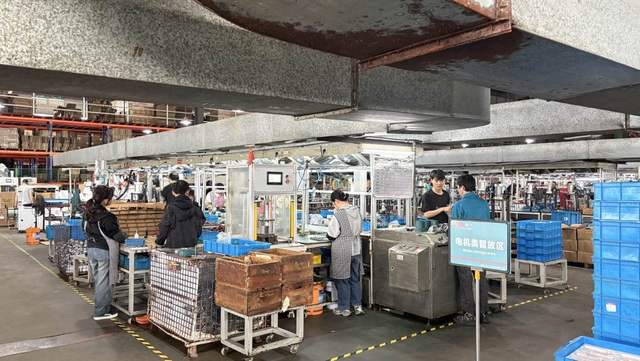
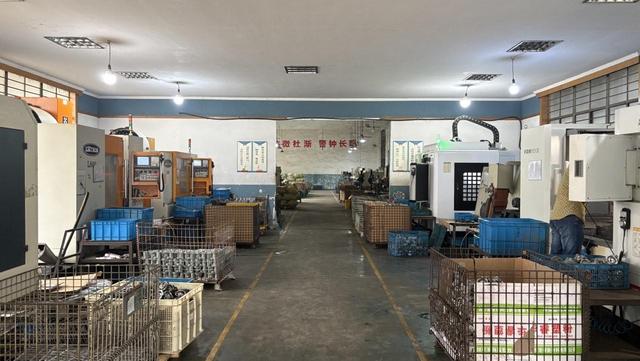
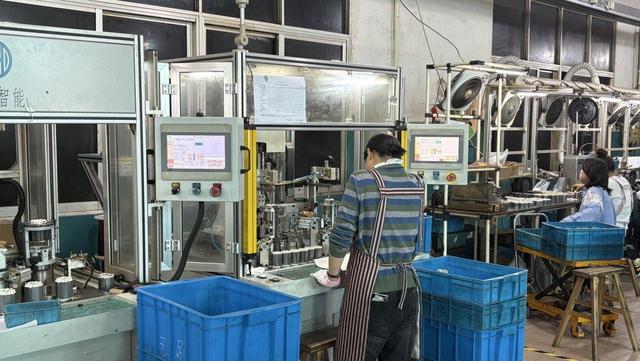
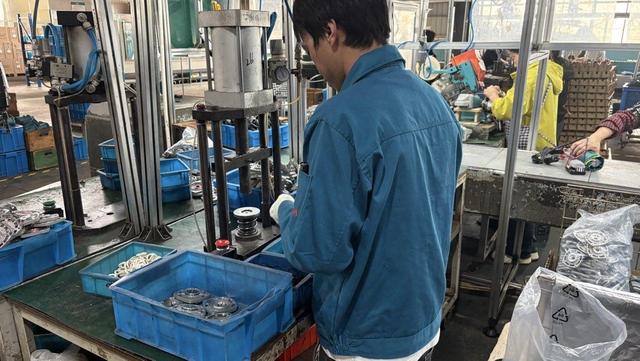
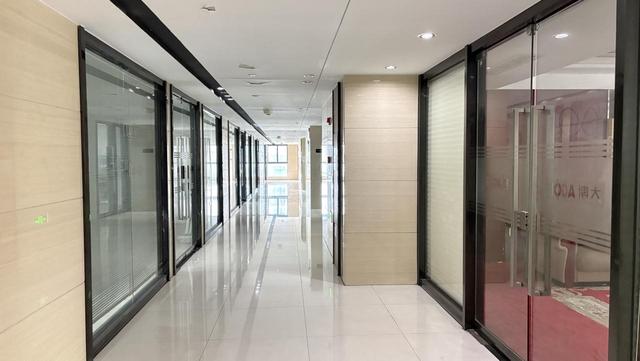
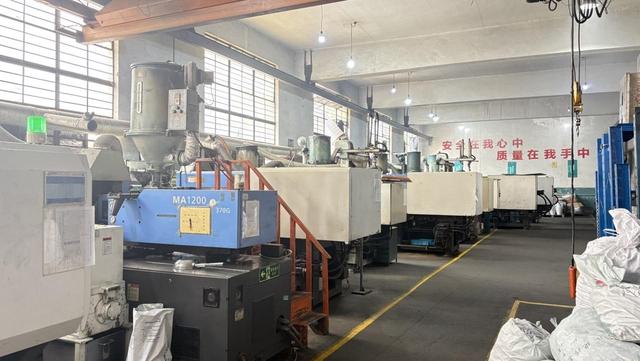
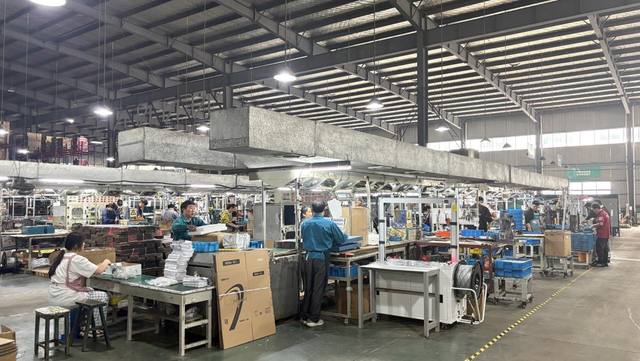
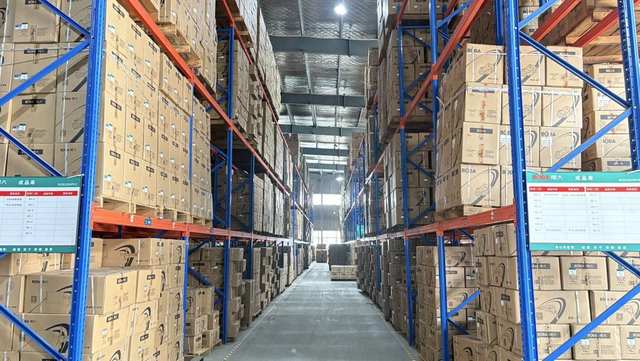
Global aerospace manufacturing requires strict supply chain consistency. Disruptions can cause idle machines and missed delivery dates. By pairing our Dongguan manufacturing hub with specialized logistics channels, Carto Tool offers a highly reliable supply chain for South Korean manufacturers.
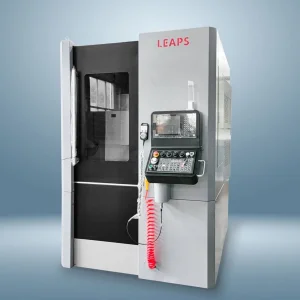
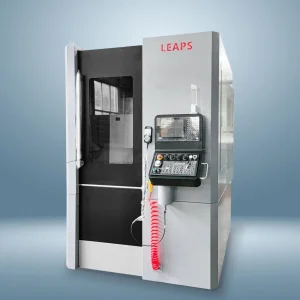
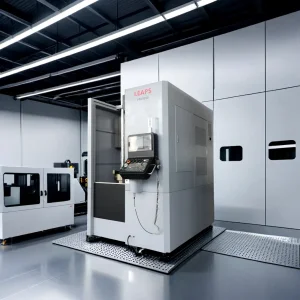
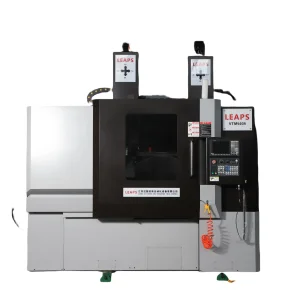
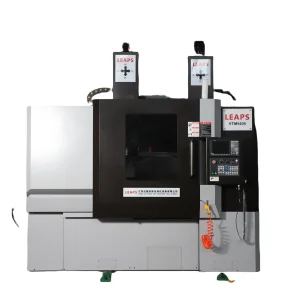
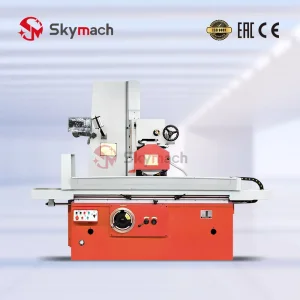
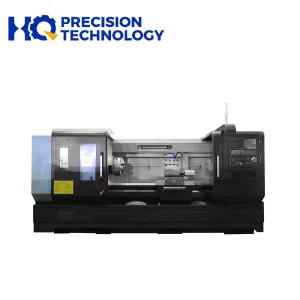
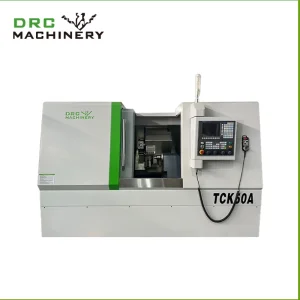
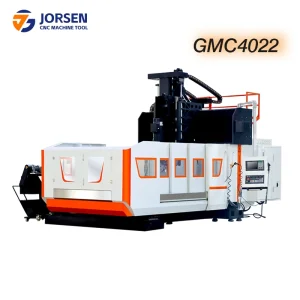
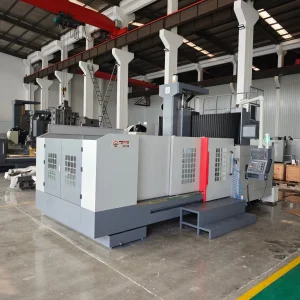
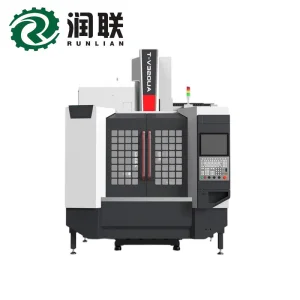
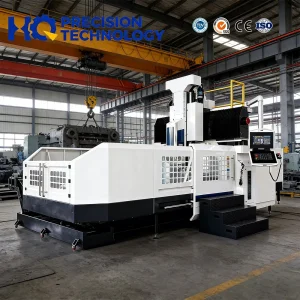
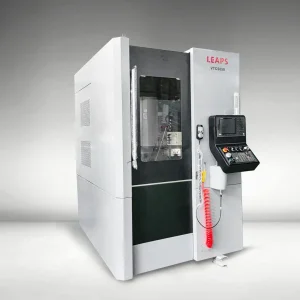
Discover our range of advanced CNC machinery, flatbed lathes, and high-frequency milling spindles tailored for heavy aerospace component manufacturing in Seoul and Gyeonggi-do.
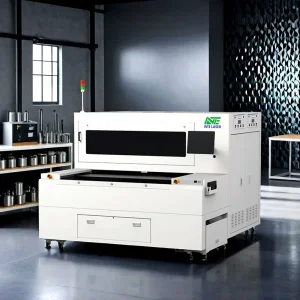
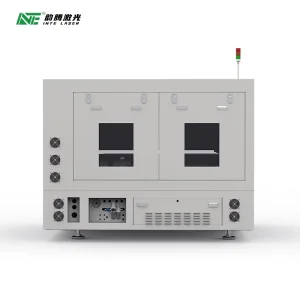
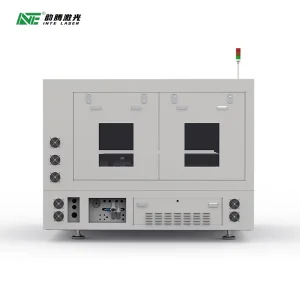
In addition to standard milling tools, Carto Tool offers larger CNC machining configurations and specialized femtosecond laser cutters to cover various high-performance manufacturing needs.
Operating in South Korea's precision manufacturing market requires compliance with local standards and import regulations. We ensure all exported tools meet the strict demands of local manufacturers.
We handle export documentation using precise HS-code classifications for solid carbide cutting tools (typically 8207.70), minimizing customs delays at Incheon port.
All larger machinery configurations comply with KCs safety guidelines and undergo rigorous testing before shipment.
Our application engineers collaborate with local operators via digital consultations, providing recommended milling speeds, feeds, and path optimization to maximize tool life.
Find technical answers on machining physics, parameters, and supply chain logistics for South Korean manufacturers.
Contact our application engineering team today to discuss your machining requirements.
Send Inquiry Now Carto Tool