High-efficiency components engineered for extreme durability, thermal stability, and complex metal removal operations.

TIANYU Carbide Drill Bit 0.04~0.73 Tungsten Metric Short Length for High Temperature Durable Stainless Steel Heat-Resistant
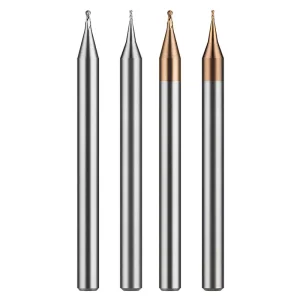
HRC55 2-Flute Carbide End Mill CNC Milling Tools Milling Tool Micro Diameter 0.1-0.9mm for Aluminum High Precision Solid Carbide
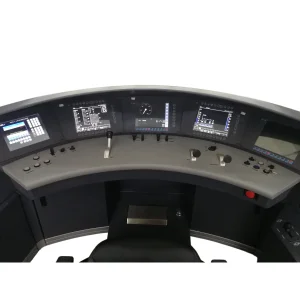
Heavy Duty Rail Transit Simulation System with Steel Structure
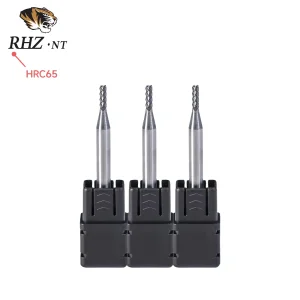
High Precision Hardness 65 4 Flute Carbide Milling Cutter TiAlN CrAlN Coating D2MM 4MM 8MM CNC Heat Resistant OEM ODM
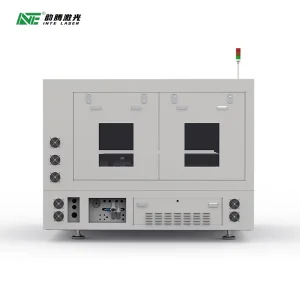
Industrial-Grade Glass Laser Cutter with High Precision Features
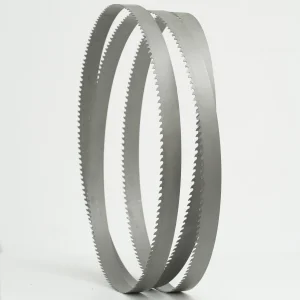
Industrial Heat-Resistant TCT Band Saw Blades-White Finishing OEM Customizable for Difficult-to-Cut Metal Materials
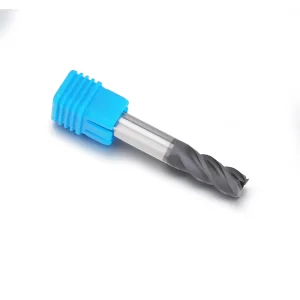
Since 2005 Dohre Manufacturer Mex Metric Carbide Diamond-coated CVD Graphite End Mill Cortadores De Carburo
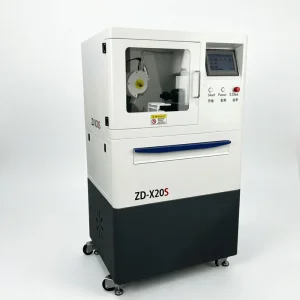
ZD-X20S CNC Tool and cutter Grinder Automatic and Precise Grinding of Milling Cutters for CNC Processing Factory
Decoding the materials science, geometrical configurations, and engineering paradigms driving next-generation subtractive manufacturing.
In modern industrial manufacturing, rotational cutting systems stand as the backbone of high-volume, high-precision subtractive machining processes. By definition, a rotational cutting system utilizes continuous rotary motions combined with defined tooling geometries to shear, shape, or slice metals, alloys, and composite materials. Over the last decade, the transition from conventional high-speed steel (HSS) to ultra-fine micro-grain tungsten carbide, CVD (Chemical Vapor Deposition) diamond, and advanced ceramic composites has reshaped cycle efficiency and production capabilities across sectors.
For procurement officers, production directors, and CNC tool engineers, selecting the ideal manufacturer or supplier requires evaluating several criteria: substrate purity, proprietary coating technology, thermal dissipation capabilities, and mechanical runout limits. The modern factory must go beyond fabricating standard shapes. It must possess the analytical capability to simulate tool life expectancy and optimize chip removal geometries for specific metallurgical structures, such as duplex stainless steels, Inconel superalloys, and carbon-fiber composites.
Optimizing tool life and cutting edges at the sub-micron scale to minimize runout, prevent thermal micro-cracking, and ensure clean material separation.
Advanced chemical and physical vapor deposition coatings (TiAlN, AlTiN, CVD Diamond, CrAlN) that act as solid lubricant and thermal barriers.
Designed for spindles exceeding 24,000 RPM, preventing destructive harmonic resonance during high-feed milling operations.
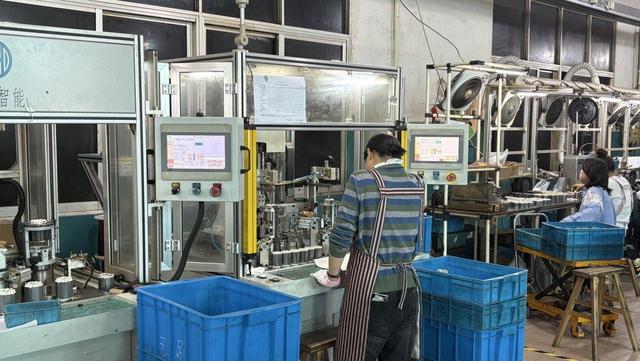
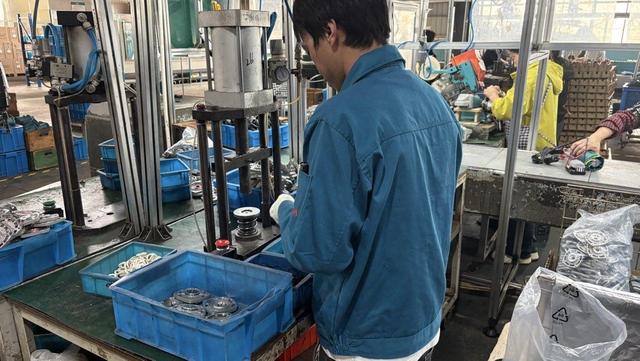
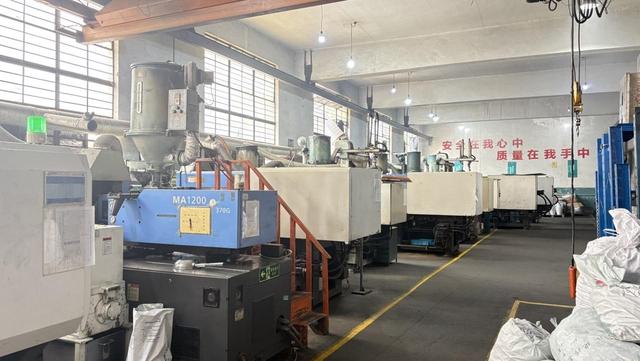
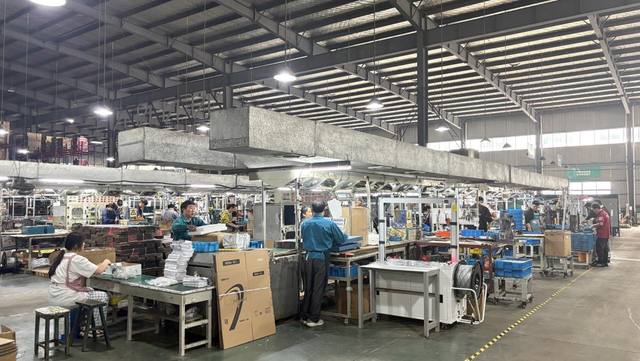
Dongguan Carto Tool Co., Ltd. is a professional manufacturer specializing in industrial cutting tools, CNC machining tools, milling systems, turning solutions, and precision metal cutting technologies. The company is dedicated to providing high-performance tooling solutions for modern manufacturing industries, including automotive, aerospace, mold processing, machinery production, and general metal fabrication.
Since its establishment, Carto Tool has developed from a small-scale cutting tool workshop into a specialized industrial tooling supplier with integrated R&D, production, and quality control capabilities. In its early stage, the company focused on basic turning and milling tool production for local machining workshops. With the rapid growth of China’s manufacturing sector, Carto Tool expanded its technology base and began developing more advanced CNC-compatible cutting systems to meet higher precision and efficiency requirements.
During its development phase, the company invested in carbide material research, coating technology improvements, and CNC tool geometry optimization. It introduced modern production lines and precision grinding equipment to ensure stable performance and long tool life. At the same time, Carto Tool strengthened its testing systems to improve cutting accuracy, wear resistance, and thermal stability across different machining environments.
Today, Dongguan Carto Tool Co., Ltd. serves global industrial clients with a wide range of cutting tool solutions designed for high-speed, high-precision, and heavy-duty applications. The company continues to focus on innovation in CNC machining efficiency, metal cutting performance, and cost optimization for manufacturers. With a commitment to quality and engineering excellence, Carto Tool aims to become a trusted international supplier in the industrial cutting tools industry, supporting smarter and more efficient global manufacturing systems.


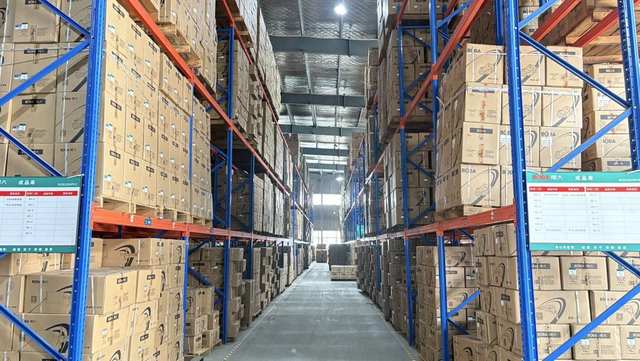
Enterprise buyers looking to upgrade their production machinery face complex supply environments. The cost of tool breakage during high-speed CNC processes exceeds the cost of the tools themselves by factor scales of ten to a hundred, particularly in automated environments where machine downtime must be avoided. Consequently, procurement strategies are shifting from simple piece-price comparisons to Total Cost of Ownership (TCO) assessments.
Reliable sourcing teams prioritize suppliers with:
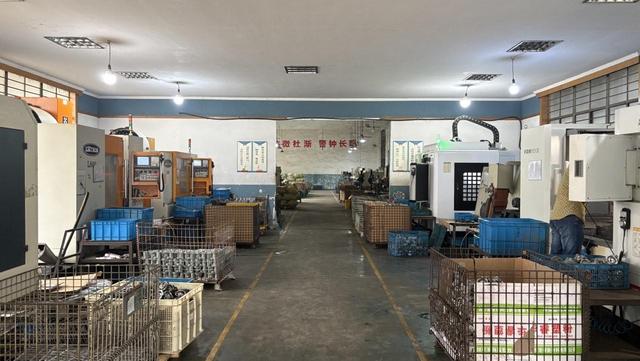
Industrial centers like Dongguan have evolved beyond low-margin production, transforming into automated "Factory 4.0" ecosystems. Through automated multi-axis grinding cells, computerized tool geometry verification, and MES (Manufacturing Execution Systems) tracking, Chinese factories now match or exceed traditional European standards at competitive operating costs.
This industrial resilience is sustained by a robust domestic raw material supply chain. For example, China holds a major share of the global tungsten supply, insulating domestic toolmakers from international mineral price spikes. This resource stability allows factories like Carto Tool to invest capital back into tooling optimization, advanced multi-layer coating chambers, and responsive logistics pipelines.
An analytical comparison designed to assist procurement directors in qualifying high-performance cutting tool manufacturers.
| Supplier Classification | Target Hardness Range | Precision Limits (Runout) | Coating Offerings | Supply Chain Strengths |
|---|---|---|---|---|
| Carto Tool (Premium CNC Tooling) | Up to 65 HRC | < 0.003 mm | TiAlN, AlTiN, CVD Diamond, CrAlN | In-house R&D, rapid custom geometry adjustments |
| Heavy-Duty Infrastructure Fab | 45 - 55 HRC | < 0.015 mm | Chrome plating, basic PVD nitriding | High steel structural integration, heavy rail builds |
| Micro-Milling Specialists | Up to 60 HRC | < 0.002 mm | Diamond coating, DLC coatings | Sourced for electronics manufacturing |
| Custom Saw Blade Producers | 48 - 58 HRC | < 0.020 mm | Thermal resistant white coatings | Tailored blade profiles for metal yard slicing |
| Threading & Indexable Tooling | 55 - 62 HRC | < 0.005 mm | Multi-layer TiCN, Al2O3 coatings | Mass production of indexable inserts |
Aligning precise geometry and material science to meet the strict production standards of diverse industrial sectors.
Machining titanium alloys and carbon fiber composite structural parts requires tools with low friction coefficients and high thermal stability. Specialty carbide end mills with CVD diamond coatings prevent delamination and material tearing at high cutting speeds.
High-volume manufacturing of engine blocks, cylinder heads, and transmission shafts demands repeatable, high-feed boring and milling. Carto Tool provides dedicated indexable systems that lower cost per component and minimize tool change downtime.
Machining wear-resistant cast iron and tempered steel railway structures requires robust tools. Systems must feature vibration-dampening structures to prevent chipping under high cutting forces and intermittent cuts.
Micro-milling tools with diameters down to 0.1mm are used to machine bone screws, artificial joint sockets, and surgical tools. Clean geometries and zero runout prevent micro-burrs and surface defects on surgical-grade titanium.
The manufacturing industry is shifting from traditional physical-only trials to virtual-first physical validation. Over the next five years, smart rotational cutting systems will transition from design concepts to active shop floor tools, driven by three key innovations:
Operating a global supply chain requires strict compliance with international manufacturing and material safety standards. Top factories verify their raw materials and production processes against rigorous third-party frameworks:
Alongside compliance, localized technical support is key to minimizing operational downtime. Leading supplier networks combine domestic cost efficiencies with regional engineering centers, providing local stock, fast tool regrinding services, and direct onsite setup help.
Insights on tool geometries, substrate selections, and international procurement best practices.
Explore heavy-duty structures, dynamic polishing, and specialized indexable inserts designed to support integrated factory operations.
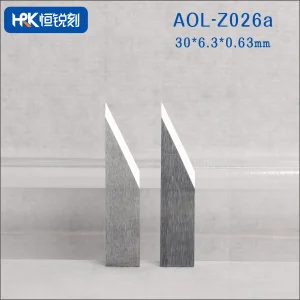
HRK AOL CNC Cutting Machine Customized Tungsten Carbide Cutting Blade Woven Fabric Cutting Vibration Knife
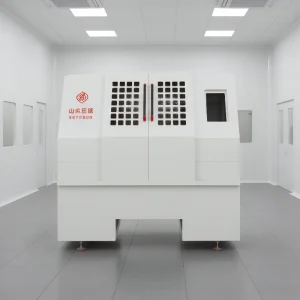
Small Gt-100 Polishing System with 60-120 R/Min Spindle Speed
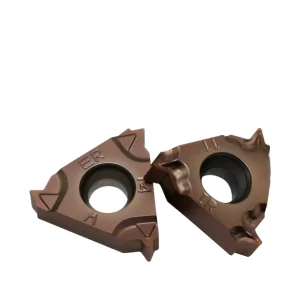
16IR 16ER AG60 AG55 HSS Insert Threading Cutting Tools OEM Tialn/Tic/Tin Coated 55HRC Carbide Lathe Machine 3-Year Warranty
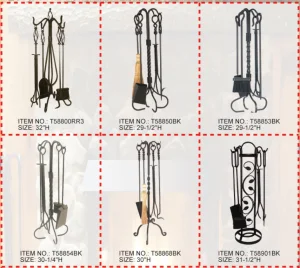
Fireplace Cleaning Tool, Iron Fire Tongs, Ash Shovel, Firewood Rack Set, Stove Accessories, Fireplace Screen
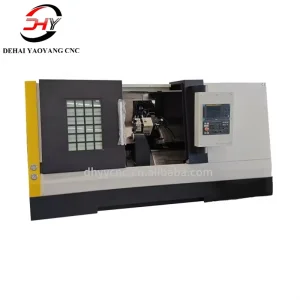
Slant Bed CNC Lathe Tck56y Fanuc GSK System with Tailstock Y Axis
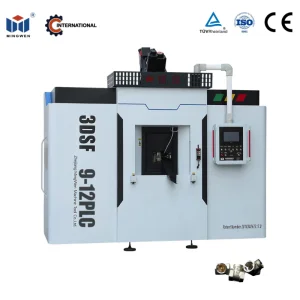
High-Efficiency Rotary Transfer System for Gate Valve Production

High Quality Laser Welded Diamond Core Drill Bits 6mm M14 Shank Straight Steel Deep Hole Drilling Customizable OEM
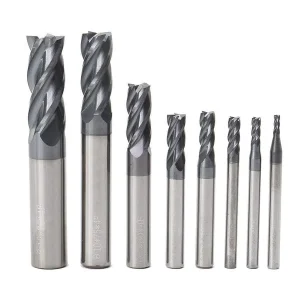
CNC End Mill Set Carbide Tungsten Steel 4-Flute Milling Cutter Titanium Coated Router Bits 2-12mm Straight Shank for CNC Router
 Carto Tool