Explore the leading mechanical cutting systems, carbide substrates, and performance-coated mills engineered to withstand high dynamic loads.
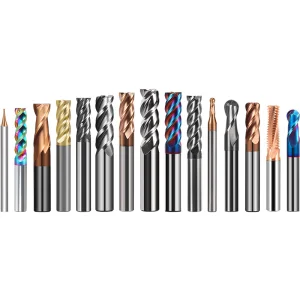
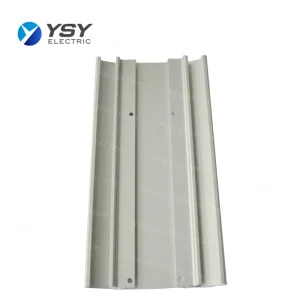
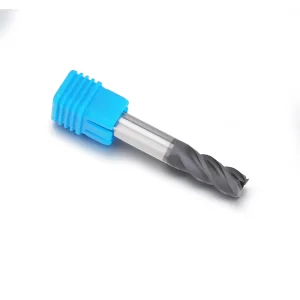
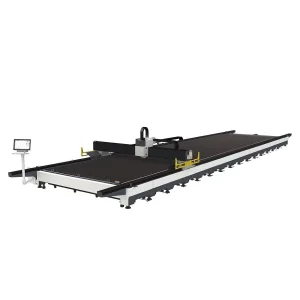
Within high-accuracy industrial manufacturing, precision milling systems act as the foundational architecture for shaping aerospace components, automotive drivetrains, medical prosthetics, and injection molds. As mechanical components shrink in size but increase in complexity, industrial demands have shifted from basic chip-removal processes to micro-machining, where tolerances are measured in sub-microns.
Modern milling systems are no longer standalone cutting tools; they represent integrated ecosystems combining machine spindles, highly tuned CNC control programs, custom geometries, and ultra-dense substrates. Optimizing this interface directly affects tool deflection, heat dissipation, and cycle time. For enterprises seeking to scale production without sacrificing uniformity, choosing the right manufacturer is a strategic decision that affects long-term operational efficiency.
From raw powder synthesis to high-end coating reactors, Chinese manufacturers offer unique system-level advantages.
China hosts complete regional clusters—such as in Dongguan—which aggregate raw material suppliers, carbide powder synthesis hubs, advanced sintering facilities, and testing centers. This geographic concentration reduces logistical lead times and facilitates prompt material optimization loops.
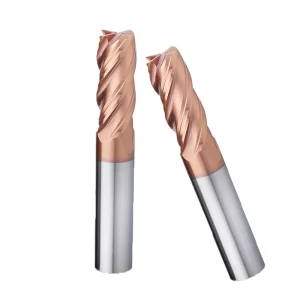
Factories leverage advanced coating techniques, including Chemical Vapor Deposition (CVD) and Physical Vapor Deposition (PVD). Innovations like diamond-like carbon (DLC) and multi-layered AlTiN/TiSiN coatings are regularly applied to resist abrasive wear in high-temperature applications.
Unlike standard suppliers, leading factories are geared for rapid tool prototyping and custom modifications. Engineers alter core geometries, rake angles, and flute profiles to adapt tools to custom composite, titanium, or graphite substrates.
How precision milling systems resolve machining challenges across key industrial sectors.
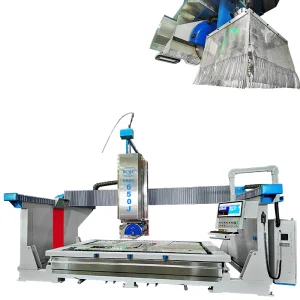
High-stress aerospace parts require the milling of difficult materials like Titanium (Ti-6Al-4V) and Inconel. Large plate systems, such as the H13032 Laser Cutting System, combined with multi-fluted solid carbide end mills, help prevent heat-induced material degradation and achieve precise dimensional control.
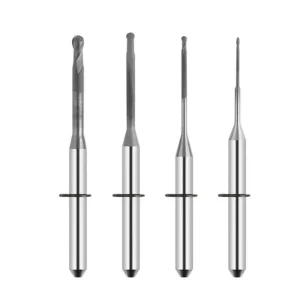
CAD/CAM milling of dental restorations demands micro-scale accuracy and smooth surfaces. Specially configured bits, like the Dental Laboratory VHF Electric Diamond-coated Zirconia CNC Milling Cutter, utilize dense diamond matrices to machine ceramic zirconia and PMMA discs with minimal chipping.
Machining hardened steel and graphite dies requires wear-resistant tooling. Multi-flute configurations ranging from HRC 55 to HRC 70 permit aggressive feed rates during high-velocity roughing, while preserving critical sharp corners during final finishing passes.
Key criteria procurement officers and manufacturing engineers evaluate when auditing milling system factories.
Substrate purity directly impacts tool reliability. Procurement programs audit sintering processes, micro-grain sizing, and cobalt content variance to ensure tools perform consistently across large manufacturing batches.
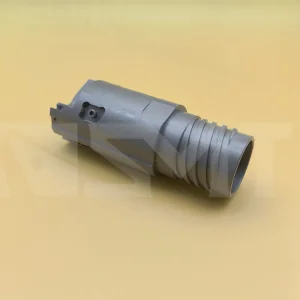
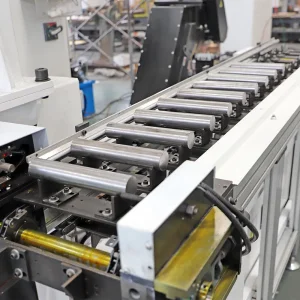
High-precision applications require tools that align with advanced toolholders and dynamic toolpaths. Integrated CNC systems, such as double-turret units and modern indexing counterbores, rely on precise tooling dimensions to operate without crash risks.
True value is determined by the total cost per machined part, rather than the initial tool price. Tools that resist thermal degradation and chipping remain operational longer, reducing down-time for tool changes.
Key technological trends shaping the design and application of precision cutting tools.
Developing sub-micron carbide grades with cobalt-free binders improves thermal-crack resistance during high-speed, dry machining processes.
Embedding chip-monitoring sensors within spindle systems enables live data collection, helping to prevent catastrophic tool failure by predicting wear limits.
Evolving ecological regulations promote dry or Minimum Quantity Lubrication (MQL) setups, requiring tool geometries designed for efficient chip evacuation without fluid assistance.
Integrating subtractive CNC milling spindles with additive metal 3D printing enables the manufacturing of internally cooled, complex components in a single setup.
Industry-vetted answers to common questions about tooling selection, material handling, and optimization.
Tungsten carbide offers high hardness and wear resistance, maintaining its physical properties at elevated temperatures. Its modulus of elasticity is double that of high-speed steel, reducing deflection under high mechanical loads and enabling close tolerances.
CVD (Chemical Vapor Deposition) produces a thick layer of crystalline diamond, offering high hardness and thermal conductivity. PVD (Physical Vapor Deposition) coatings are thinner and keep edges sharper, making CVD ideal for highly abrasive non-ferrous materials like graphite and zirconia, while PVD is suited for steels and titanium alloys.
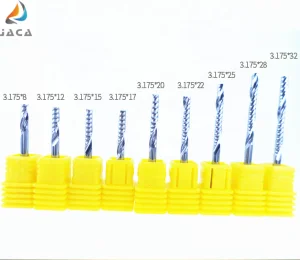
Compression bits feature opposing flute spirals: the top portion pushes chips downward, while the bottom portion pulls them upward. This dual action compresses the material toward the center, preventing surface delamination and fraying on both the top and bottom edges of the workpiece.
Flute count balances chip-carrying capacity and tool strength. Fewer flutes (1-2) provide larger pockets for chip evacuation in soft materials like aluminum and plastics. More flutes (4-6) increase tool rigidity and are used for harder materials, permitting faster feed rates at small chip loads.
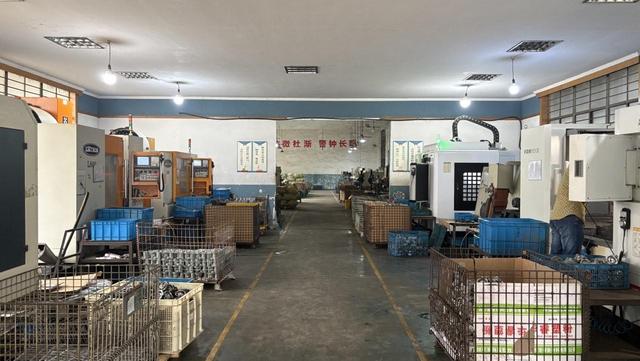
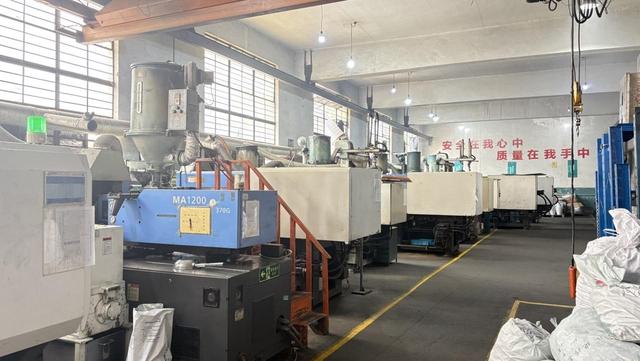
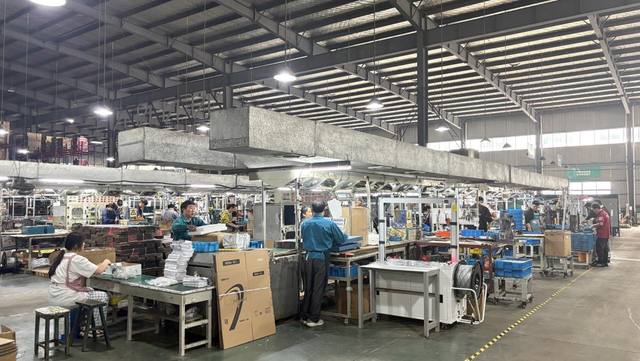
Dongguan Carto Tool Co., Ltd. is a manufacturer specializing in industrial cutting tools, CNC machining tools, milling systems, turning solutions, and precision metal cutting technologies. The company is dedicated to providing high-performance tooling solutions for modern manufacturing industries, including automotive, aerospace, mold processing, machinery production, and general metal fabrication.
Since its establishment, Carto Tool has developed from a cutting tool workshop into an industrial tooling supplier with integrated R&D, production, and quality control capabilities. In its early stage, the company focused on basic turning and milling tool production for local machining workshops. With the growth of China's manufacturing sector, Carto Tool expanded its technology base and began developing advanced CNC-compatible cutting systems to meet higher precision and efficiency requirements.
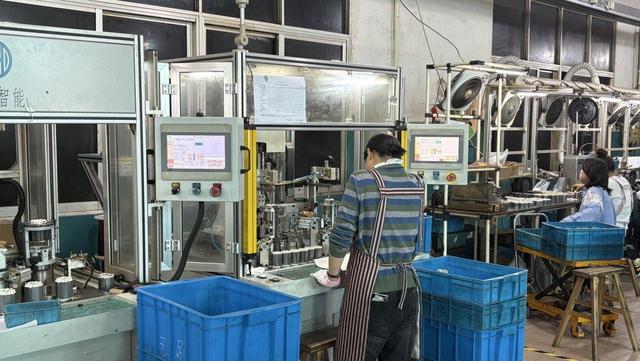
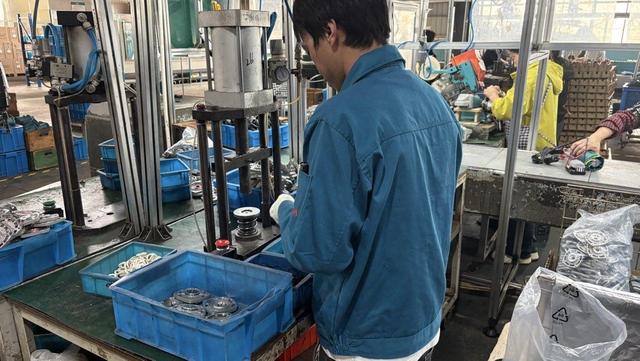
During its development phase, the company invested in carbide material research, coating technology improvements, and CNC tool geometry optimization. It introduced modern production lines and precision grinding equipment to support performance and tool life. At the same time, Carto Tool strengthened its testing systems to improve cutting accuracy, wear resistance, and thermal stability across different machining environments.
Today, Dongguan Carto Tool Co., Ltd. serves global industrial clients with a range of cutting tool solutions designed for high-speed, high-precision, and heavy-duty applications. The company continues to focus on innovation in CNC machining efficiency, metal cutting performance, and cost optimization for manufacturers. With a commitment to quality and engineering excellence, Carto Tool aims to support smarter and more efficient global manufacturing systems.


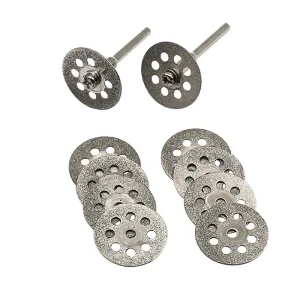
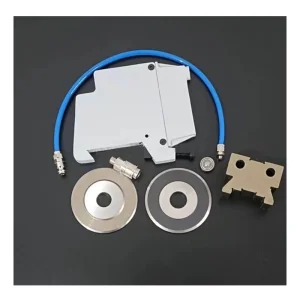
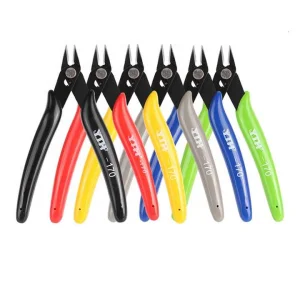
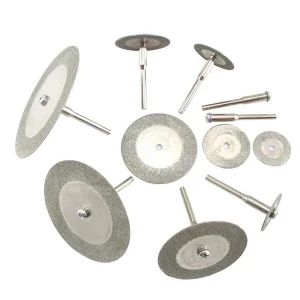
High-durability accessories, custom micro-shears, diamond abrasive wheels, and double turret systems for heavy manufacturing operations.
 Carto Tool