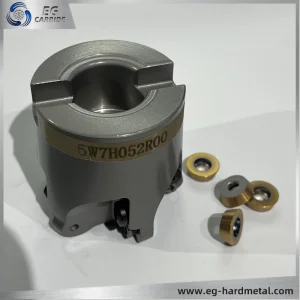
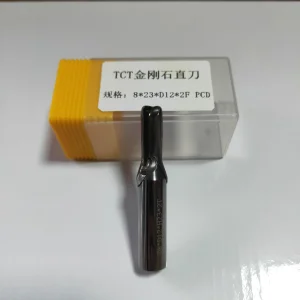
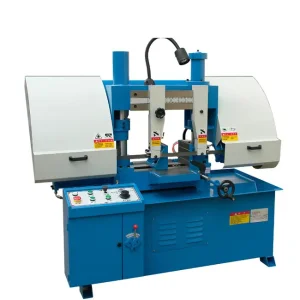
Engineered to deliver tight tolerances, extreme wear resistance, and long cycle lives across demanding industrial setups.
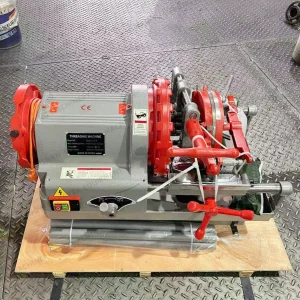

In modern industrial manufacturing, thread integrity dictates safety and operational lifespan. Standard configurations often fail to address the specific micro-structures of exotic alloys, heat-resistant superalloys (HRSA), and custom composite tubes. As an established OEM/ODM thread cutting tools factory and exporter, we close the gap between standard inventory limitations and custom engineering needs.
By leveraging custom carbide grade selection, geometry adjustments (such as unique relief angles and specialized chip breakers), and advanced PVD/CVD coatings, we produce tooling setups engineered for high repeatability. Whether tapping deep oil-well connections or processing large industrial pipelines, our customized solutions keep cycle times low and scrap rates near zero.
A look at the shifts driving automation, energy efficiency, and high-performance machining.
CVD (Chemical Vapor Deposition) and PVD (Physical Vapor Deposition) coatings, such as AlTiN and TiAlN, are vital for high-temperature resistance, shielding substrates during dry, high-speed cutting.
Real-time torque feedback and automated retract mechanisms minimize tool breakage and operator intervention, ensuring clean thread forms on line-pipe runs.
Thread milling is increasingly chosen for high-value components due to lower breakage risks and the ability to machine different thread diameters using a single tool.
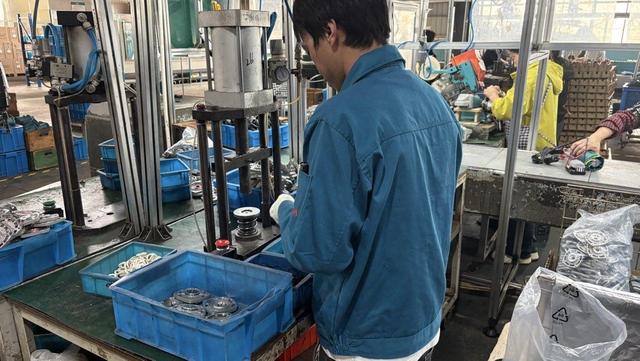
Dongguan Carto Tool Co., Ltd. is a professional manufacturer specializing in industrial cutting tools, CNC machining tools, milling systems, turning solutions, and precision metal cutting technologies. The company is dedicated to providing high-performance tooling solutions for modern manufacturing industries, including automotive, aerospace, mold processing, machinery production, and general metal fabrication.
Since its establishment, Carto Tool has developed from a small-scale cutting tool workshop into a specialized industrial tooling supplier with integrated R&D, production, and quality control capabilities. In its early stage, the company focused on basic turning and milling tool production for local machining workshops. With the rapid growth of China's manufacturing sector, Carto Tool expanded its technology base and began developing more advanced CNC-compatible cutting systems to meet higher precision and efficiency requirements.
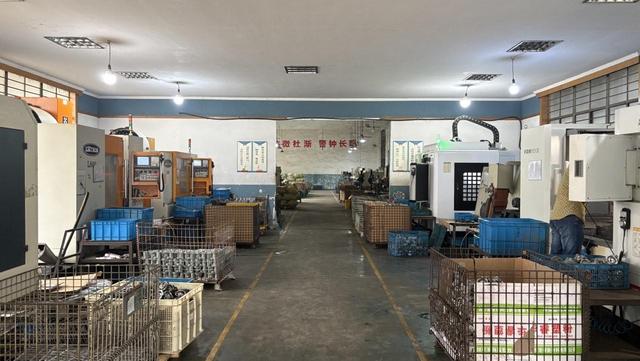
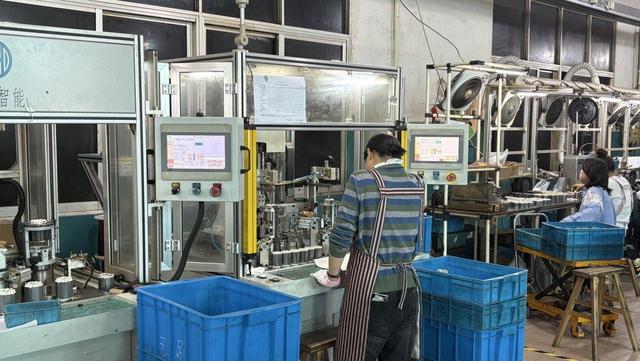
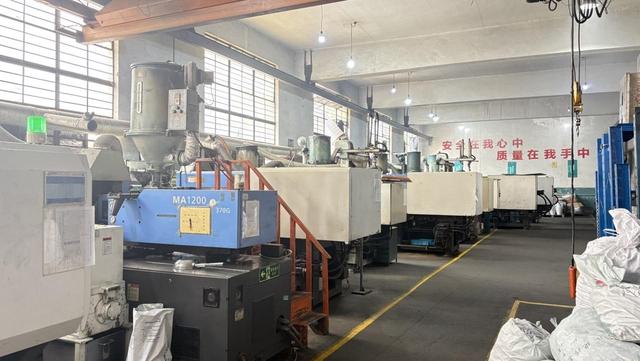
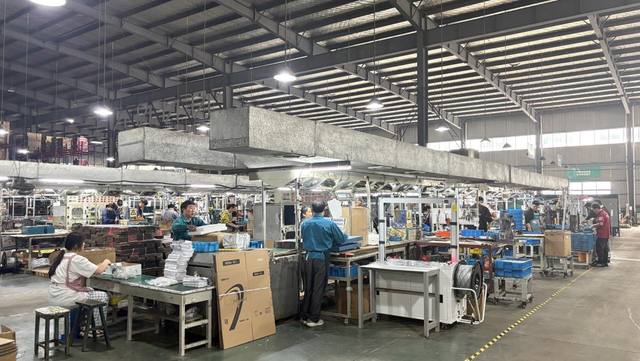
During its development phase, the company invested in carbide material research, coating technology improvements, and CNC tool geometry optimization. It introduced modern production lines and precision grinding equipment to ensure stable performance and long tool life. At the same time, Carto Tool strengthened its testing systems to improve cutting accuracy, wear resistance, and thermal stability across different machining environments.
Today, Dongguan Carto Tool Co., Ltd. serves global industrial clients with a wide range of cutting tool solutions designed for high-speed, high-precision, and heavy-duty applications. The company continues to focus on innovation in CNC machining efficiency, metal cutting performance, and cost optimization for manufacturers. With a commitment to quality and engineering excellence, Carto Tool aims to become a trusted international supplier in the industrial cutting tools industry, supporting smarter and more efficient global manufacturing systems.


How we address strict engineering standards and procurement timelines for multinational businesses.
| Procurement Parameter | Enterprise Expectations | Our Supply Capability |
|---|---|---|
| Metallurgical Purity | Ultra-micrograin tungsten carbide (grain size < 0.5 μm) for wear resistance. | 100% virgin sandvik/premium domestic carbide powders with zero recycled cobalt trace. |
| Dimensional Tolerances | Sub-micron level tolerances (TIR < 0.005mm) for high-speed CNC mill runs. | Production validated on German Walter and Swiss Rollomatic grinding stations. |
| Quality Standards | ISO 9001:2015 certified processes, complete raw material batch traceability. | Traceable material certs, digital inspection documentation, and batch recording. |
| Custom Tooling Design | Feasibility check within 48 hours; physical custom samples delivered within 10 days. | Dedicated engineering team using SolidWorks & ANSYS thermal deformation simulations. |
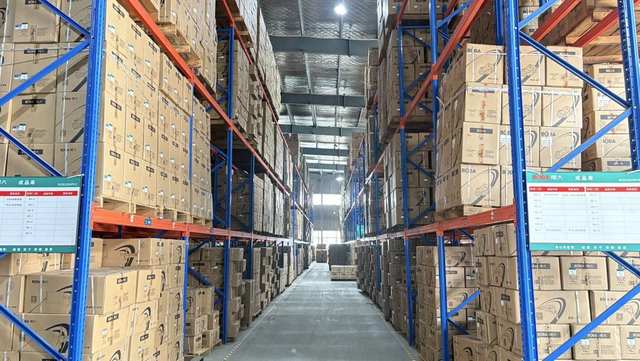
| Supply Chain Security | Buffer stocks at regional hubs to avoid production line stoppages. | Customized warehousing agreements (VMI) for repeat international partners. |
Our commitment to continuous technological development in machining and materials.
Developing multi-layered AlTiN/Si3N4 nanostructured coatings via high-power impulse magnetron sputtering (HiPIMS) to improve thermal-shock resistance during interrupted cuts.
Integrating in-line optical inspection and automated tool geometries on grinding lines to reduce variation down to +/- 2 micrometers.
Expanding carbide reclamation services, offering closed-loop recycling to export clients to help reduce material footprint and cost.
Navigating cross-border trade requires compliance with international logistics and quality standards. Our experienced export division manages custom clearances, dual-use classification codes, and preferential trade certificates (Form E, CO) to keep imports moving smoothly.
Technical answers to common questions about selecting and customizing thread cutting tools.
Complementary technologies designed for modern machining and heavy metal fabrication industries.
 Carto Tool