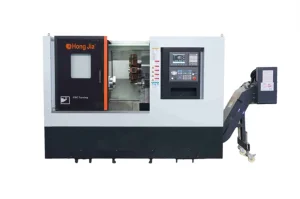
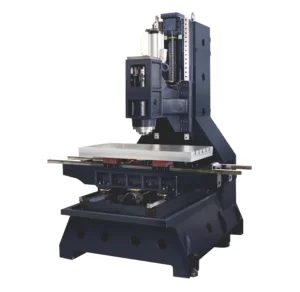
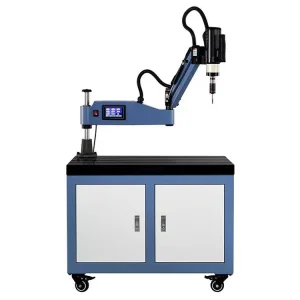
Explore our high-performance CNC cutting machinery, progressive die stamping accessories, and advanced carbide micro-milling systems engineered for modern tool calibration standards.
In modern subtractive manufacturing and high-speed CNC processes, tooling accuracy dictates final component tolerance. Precision tool calibration is the science of establishing, checking, and adjusting the dimensional coordinates, wear offsets, radial runout, and geometric configurations of cutting tools relative to the machining center's spindle axis. Without precise metrological alignment, even the highest-grade solid carbide substrates suffer from accelerated fatigue, thermal deflection, and dimensional drift.
As a premier OEM/ODM partner, our calibration systems focus on minimizing radial runout. When tools rotate at speeds exceeding 20,000 RPM, a runout of even 3 microns can decrease cutter service life by up to 50%. Our factory utilizes closed-loop laser presetting systems and non-contact optical tool setters to measure tools statically and dynamically, ensuring tolerances within ±0.001mm.
Manufacturing custom tools requires strict adherence to custom profiles, micro-geometries, and targeted coatings. Our OEM/ODM workflows use advanced software pipelines to translate application parameters into stable, repeatable cutting tools. Whether configuring a 0.2mm carbide ball nose cutter for micro-fluidic molds or custom bending press brake tooling, our processes follow strict metrological gates:
We perform mechanical stress and thermal load modeling to predict structural deflection before grinding the carbide tool substrate.
Utilizing high-end CNC grinding centers like ANCA, we machine flutes, relief angles, and land widths to micron tolerances.
Every customized tool batch undergoes 3D non-contact scanning and laser-interferometric verification for certificate issuance.
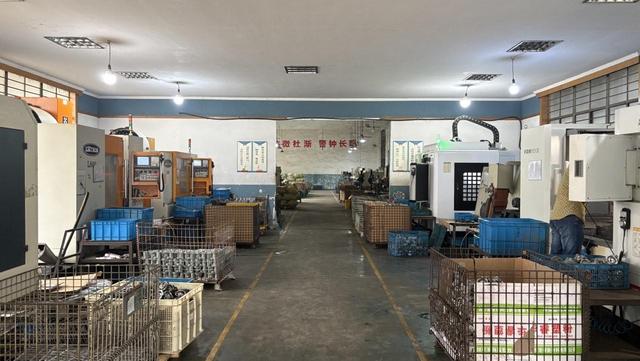
Dongguan Carto Tool Co., Ltd. is a professional manufacturer specializing in industrial cutting tools, CNC machining tools, milling systems, turning solutions, and precision metal cutting technologies. The company is dedicated to providing high-performance tooling solutions for modern manufacturing industries, including automotive, aerospace, mold processing, machinery production, and general metal fabrication.
Since its establishment, Carto Tool has developed from a small-scale cutting tool workshop into a specialized industrial tooling supplier with integrated R&D, production, and quality control capabilities. In its early stage, the company focused on basic turning and milling tool production for local machining workshops. With the rapid growth of China’s manufacturing sector, Carto Tool expanded its technology base and began developing more advanced CNC-compatible cutting systems to meet higher precision and efficiency requirements.
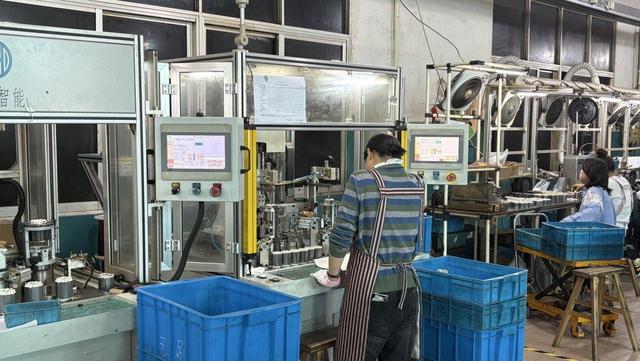
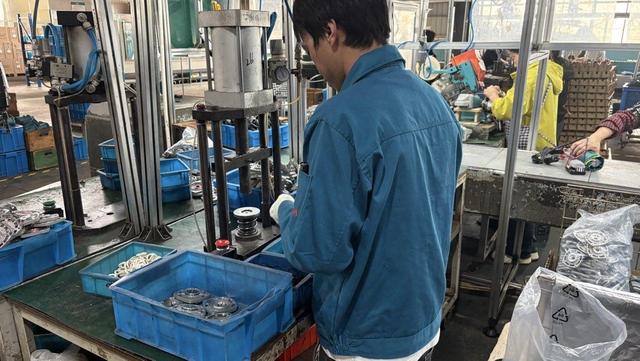
During its development phase, the company invested in carbide material research, coating technology improvements, and CNC tool geometry optimization. It introduced modern production lines and precision grinding equipment to ensure stable performance and long tool life. At the same time, Carto Tool strengthened its testing systems to improve cutting accuracy, wear resistance, and thermal stability across different machining environments.
Today, Dongguan Carto Tool Co., Ltd. serves global industrial clients with a wide range of cutting tool solutions designed for high-speed, high-precision, and heavy-duty applications. The company continues to focus on innovation in CNC machining efficiency, metal cutting performance, and cost optimization for manufacturers. With a commitment to quality and engineering excellence, Carto Tool aims to become a trusted international supplier in the industrial cutting tools industry, supporting smarter and more efficient global manufacturing systems.

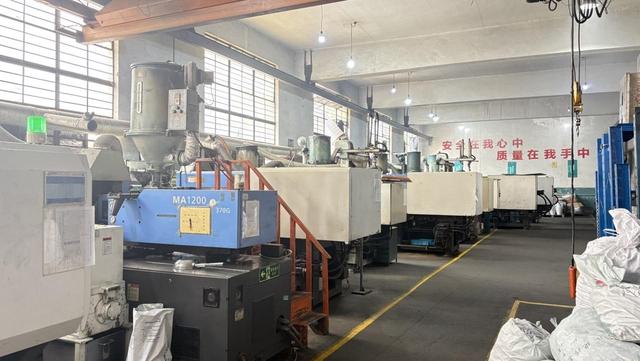
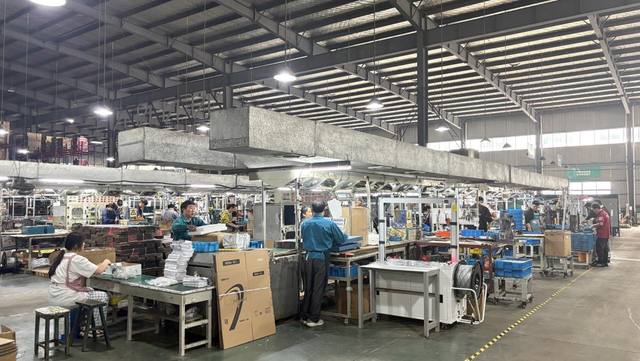
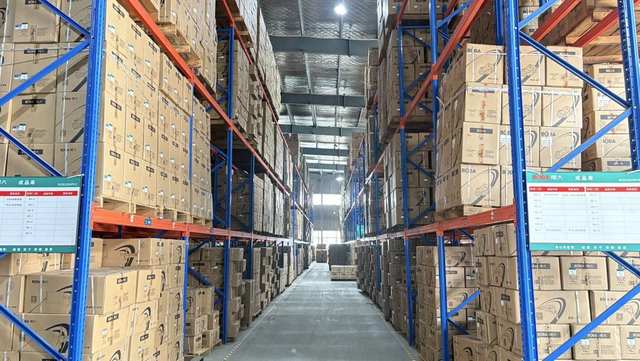
Manufacturing demands vary significantly between industries. A standard end mill cutter cannot achieve the specific finish needed for carbon fiber aerospace composites, and progressive stamping dies require different materials than precision medical molds. We design and calibrate tooling systems tailored to specific industrial sectors:
Aerospace materials like Carbon Fiber Reinforced Polymers (CFRP), Stacked Titanium, and Al-Li alloys are highly abrasive. We design CVD diamond-coated end mills featuring optimized helix angles to prevent delamination. Our tools undergo dynamic runout calibration to meet strict aerospace standards.
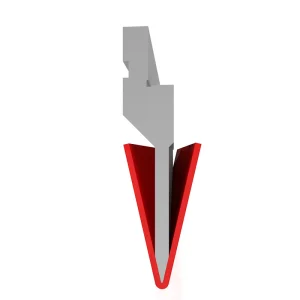
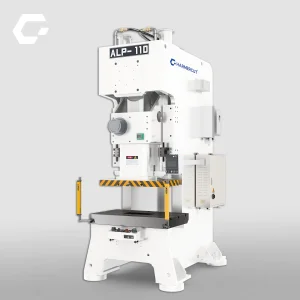
Mass production of automotive parts requires tooling systems with high throughput and predictable wear cycles. We provide progressive die stamping components, hydraulic punching parts, and press brake tools. This tooling features SKH51, SKH61, or SKD11 steel grade formulations to withstand high stress.
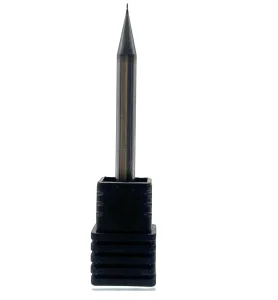
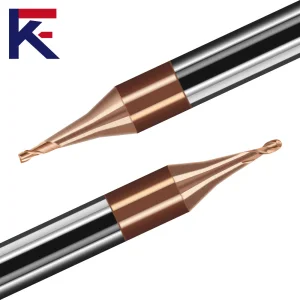
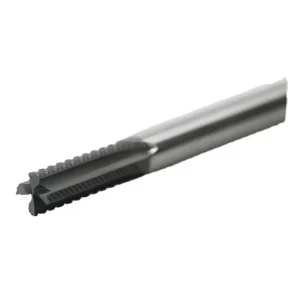
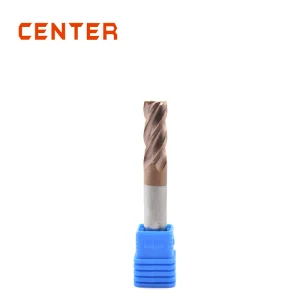
Machining components like phone casings, optical molds, and electrode inserts requires very small tool tips. Our micro end mills, with diameters down to 0.2mm, are calibrated using non-contact lasers. This process ensures micro-metric stability and maintains surface finishes below Ra 0.1.
Global industrial purchasing departments prioritize regulatory compliance, manufacturing consistency, and supply chain traceability. When choosing an OEM/ODM tool supplier, verifying these factors helps prevent unforeseen production halts and product failures:
Our Quality Management System meets international production and design standards. We utilize advanced testing and calibration tools, including:
The manufacturing sector is shifting from reactive maintenance to predictive calibration. To support this transition, we are investing in advanced technologies to improve cutting precision, durability, and cost-efficiency:
By combining real-time spindle load sensors with predictive algorithms, our systems will forecast remaining tool life. This allows manufacturers to schedule maintenance before dimensional drift occurs.
We are testing multi-layered, nanostructured CVD/PVD coatings. These barriers block heat transfer, allowing tools to maintain dry-machining speeds in hardened alloys.
We are working to connect our tools directly with CNC systems using Taiwan Syntec control. This allows for automated coordinate offset adjustments during machining runs.
Tool presetting measures the dimensions (length and diameter) of the tool in a dedicated setter before installing it in the machine spindle. Tool calibration establishes the physical offsets of the cutting edge relative to the machine's axes, compensating for spindle runout, thermal expansion, and mechanical wear under load.
Sub-micron carbide substrates feature a tighter grain distribution. This structure increases the material's toughness and hardness, preventing micro-chipping along the cutting edge when machining hard alloys like Titanium or hardened steels.
TiAlN coatings form an aluminum-oxide protective layer when exposed to high cutting temperatures. This layer insulates the carbide substrate, allowing for dry milling by directing heat away from the tool and into the discarded chips.
For small tools (like 0.2mm cutters), spindle runout shifts the load unevenly onto a single flute. Regular calibration detects and corrects this offset, preventing premature tool breakage and ensuring uniform chip loading.
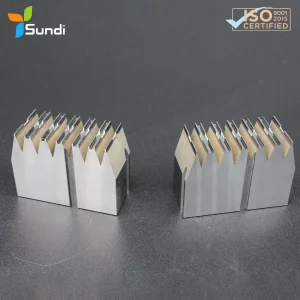
We inspect custom dies using 3D laser scanners to confirm that profiles match the original design CAD files. Optical measurement systems also verify radius transitions and surface hardness (HRC) to ensure long-term bending performance.
Buyers can check if calibration certificates follow ISO/IEC 17025 standards and include a direct link to international metrology frameworks (like NIST, PTB, or DKD). Our factory provides standard compliance reports for every custom batch.
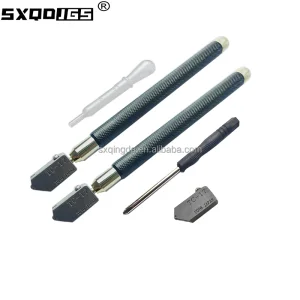
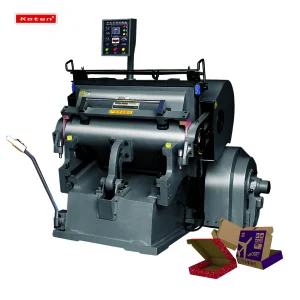
Browse our range of heavy-duty cutting inserts, manual and automatic die cutters, mirror polishing systems, and custom end mills built for demanding production runs.
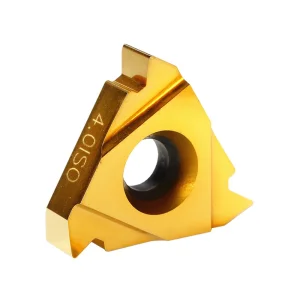
 Carto Tool