Carto Tool
1 / 5
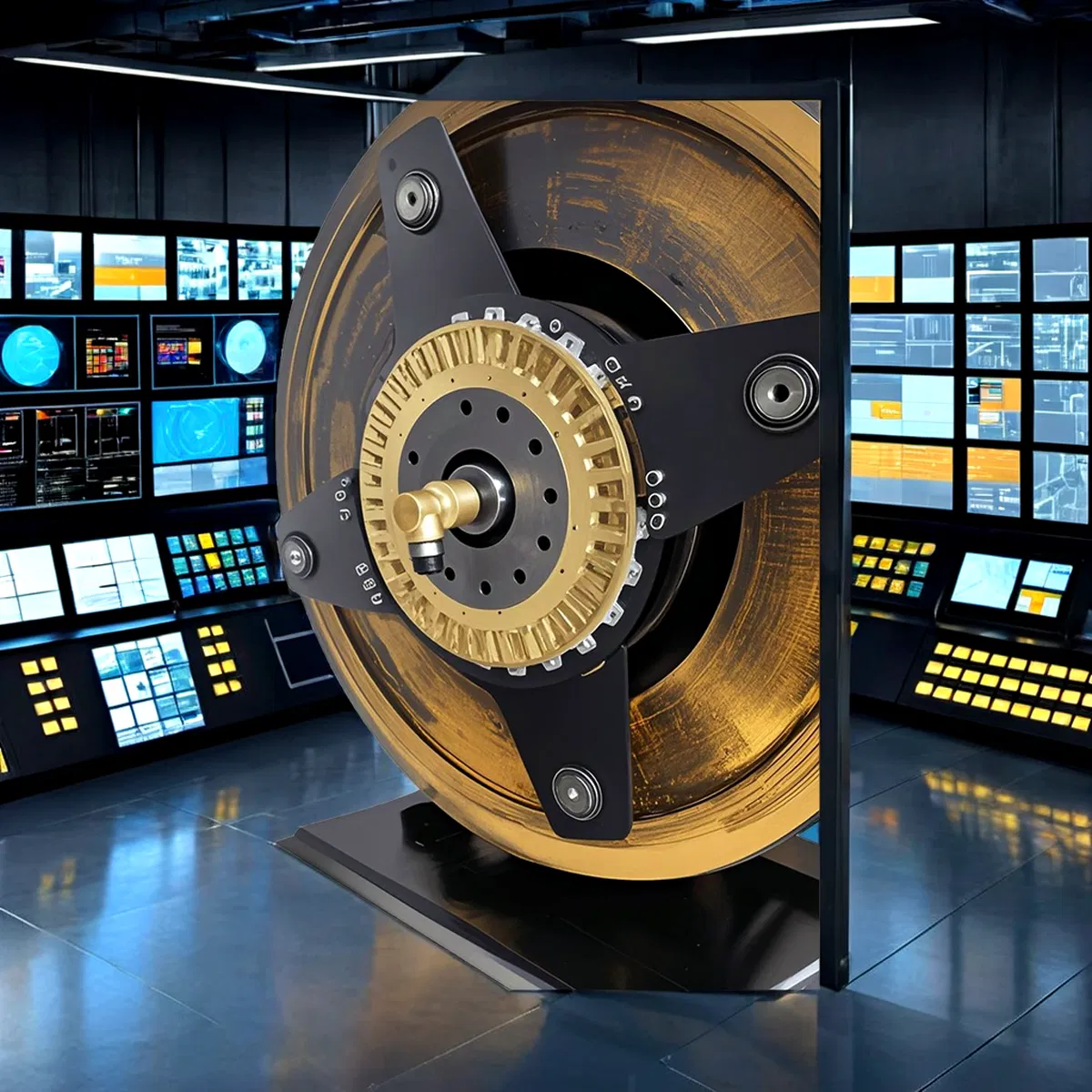
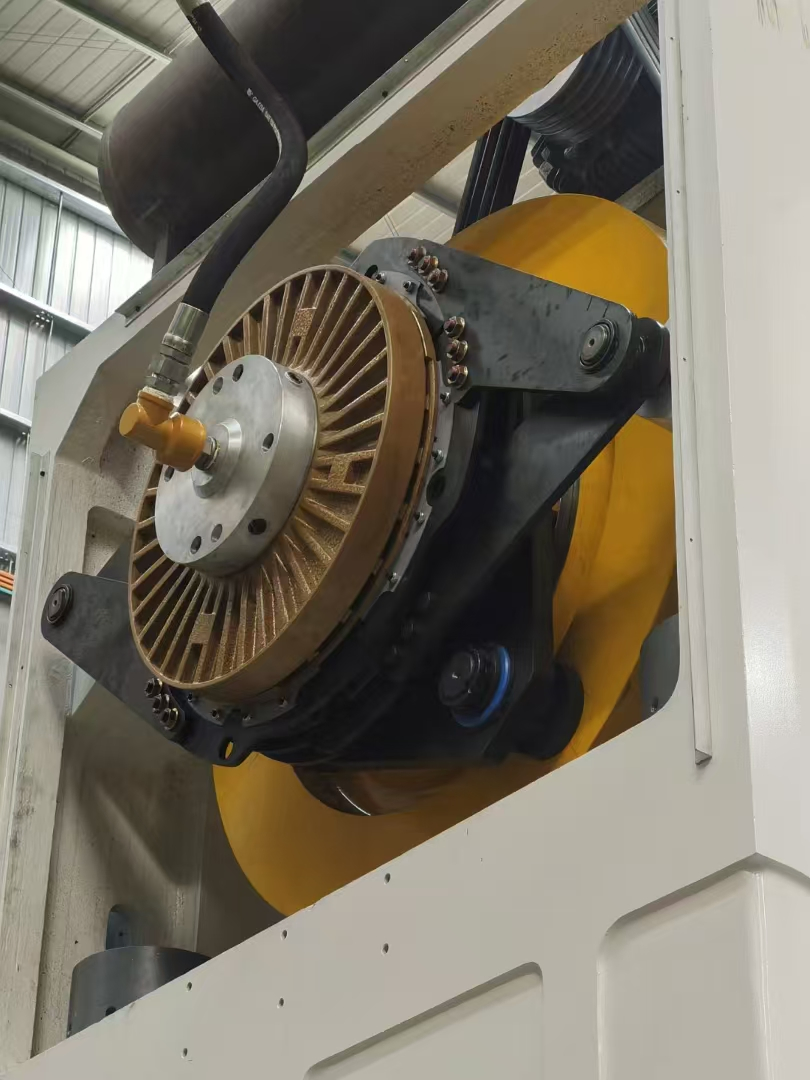
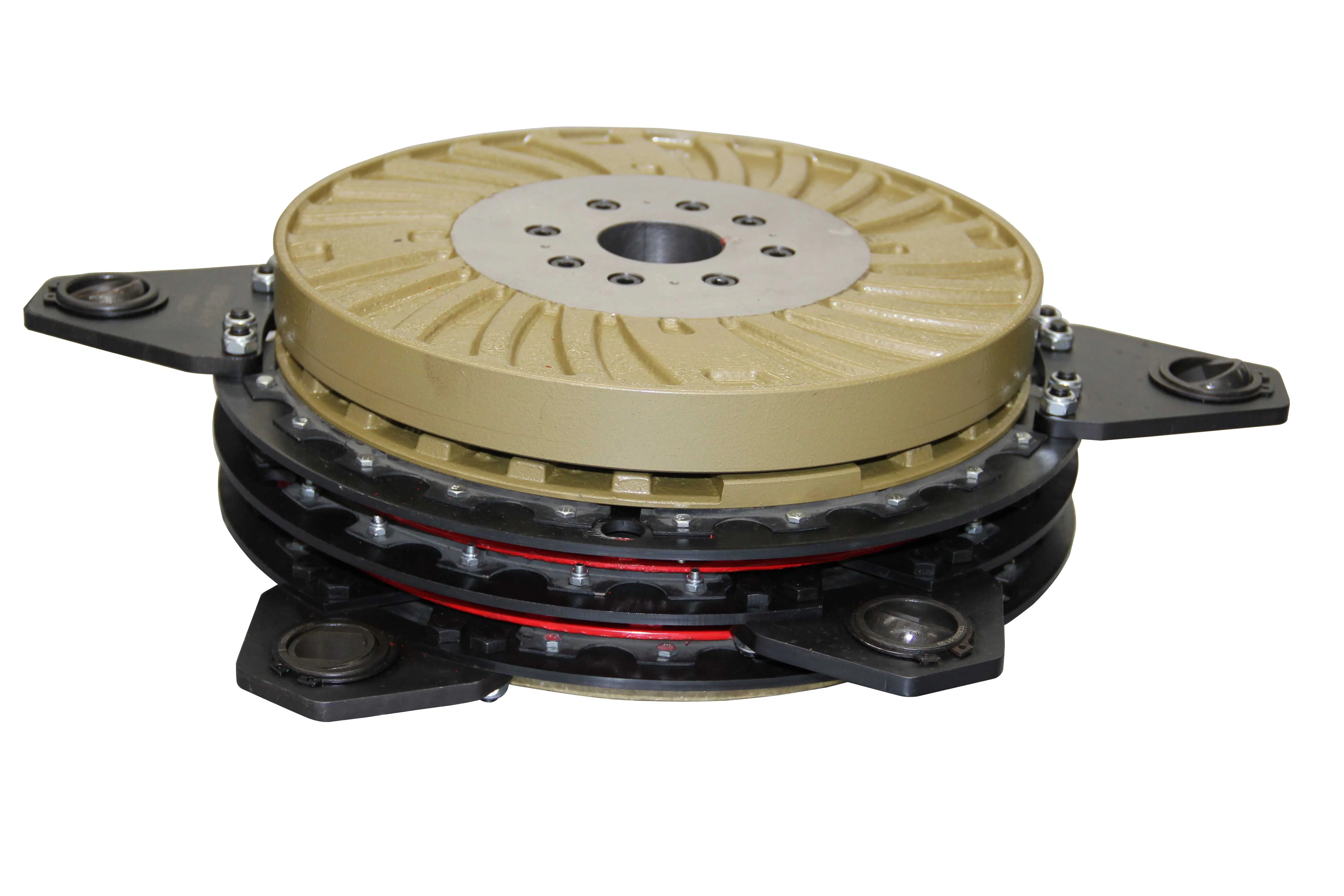
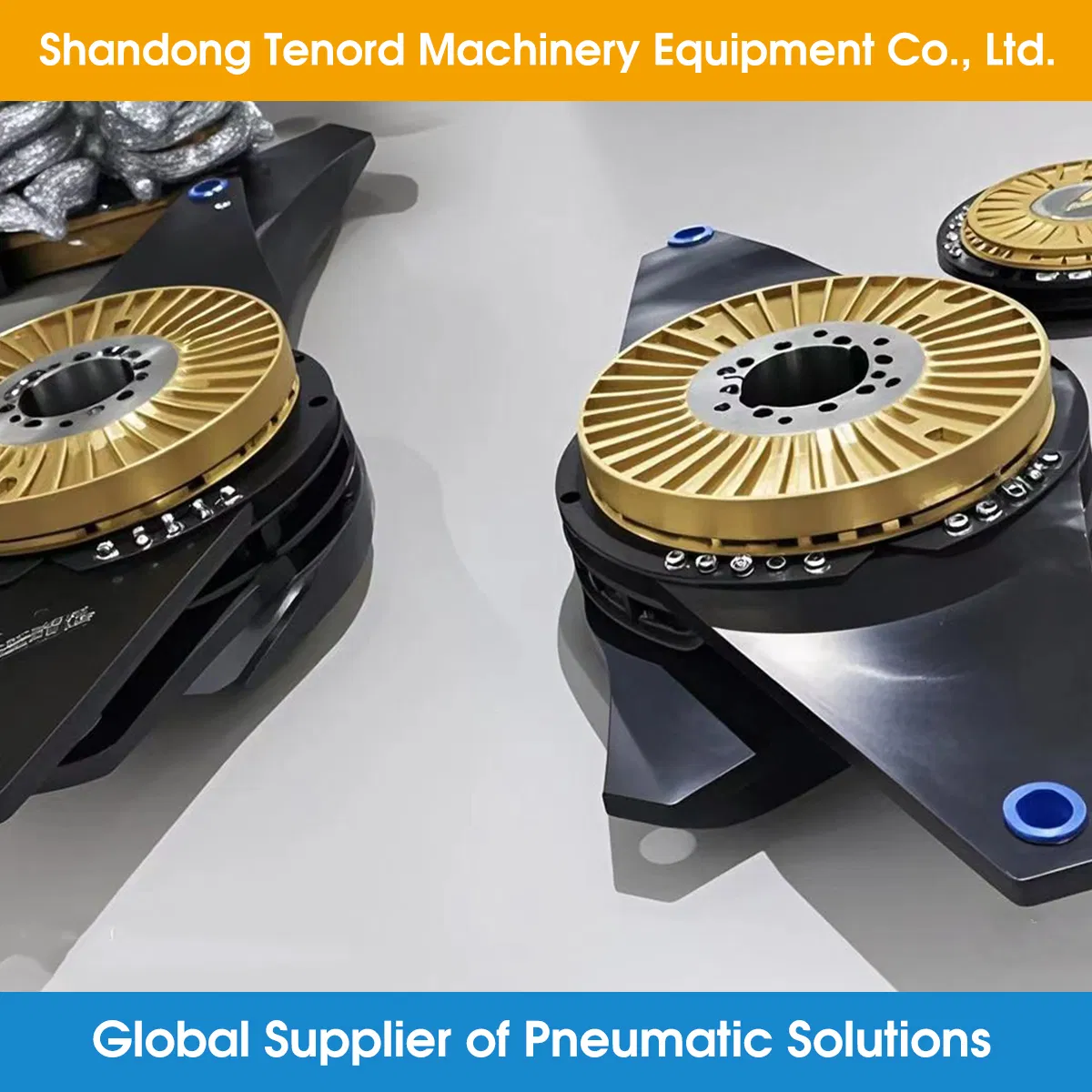
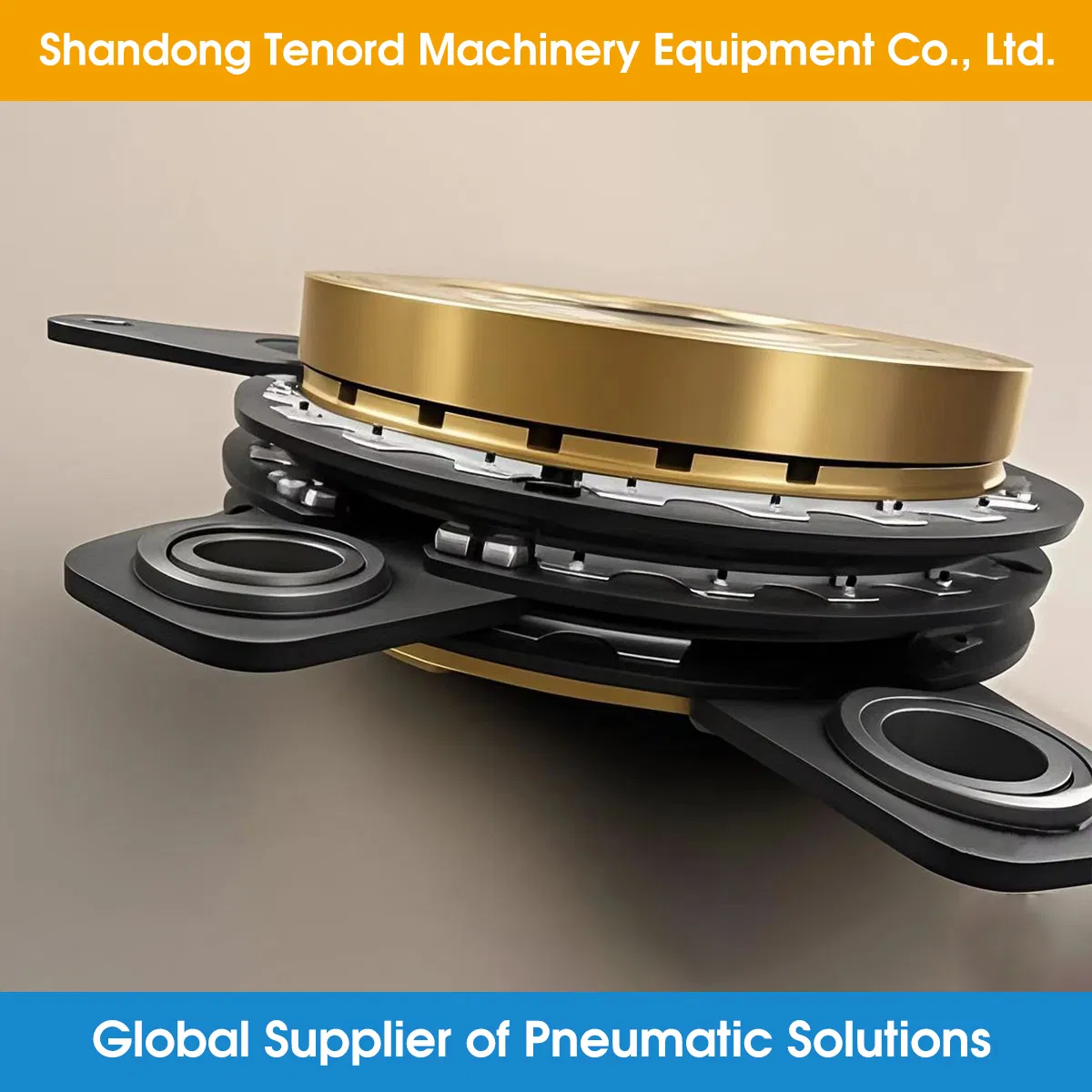
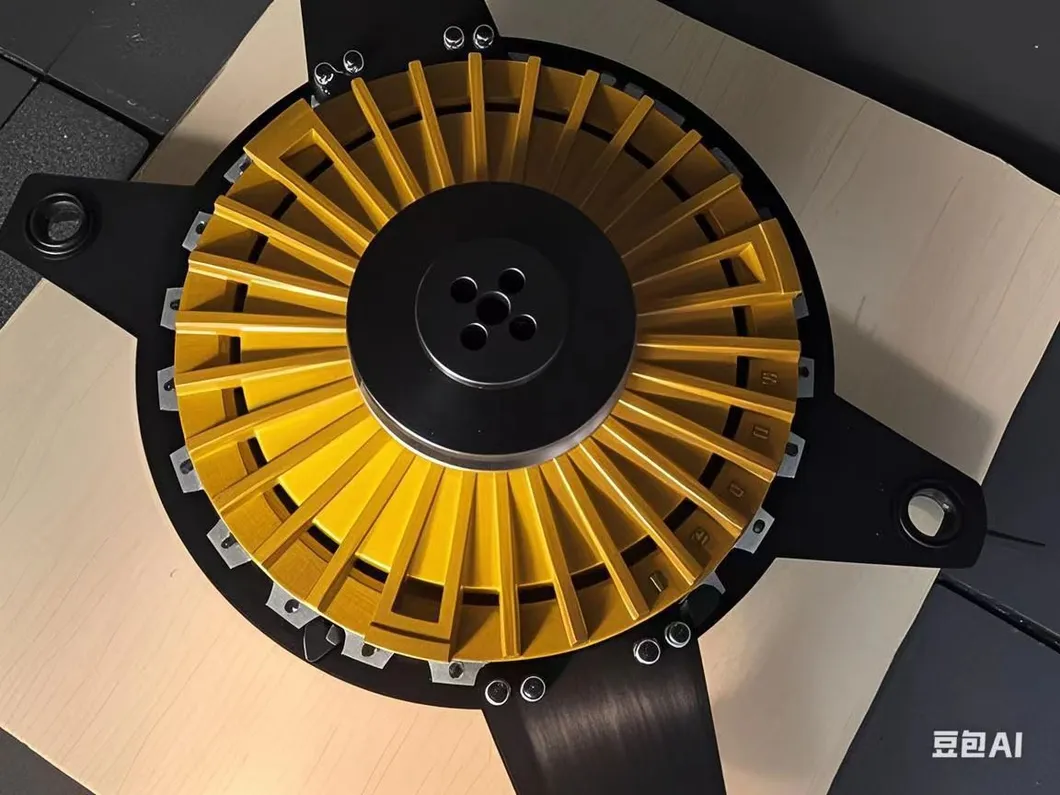
Introducing the KB Series Thin-Type Pneumatic Clutch Brake, an exceptional innovation. This masterpiece seamlessly integrates clutch and brake functionalities into a sophisticated spring-brake combination. Its outstanding performance and cutting-edge design render it a paragon of adaptability and reliability across an extensive array of industries.
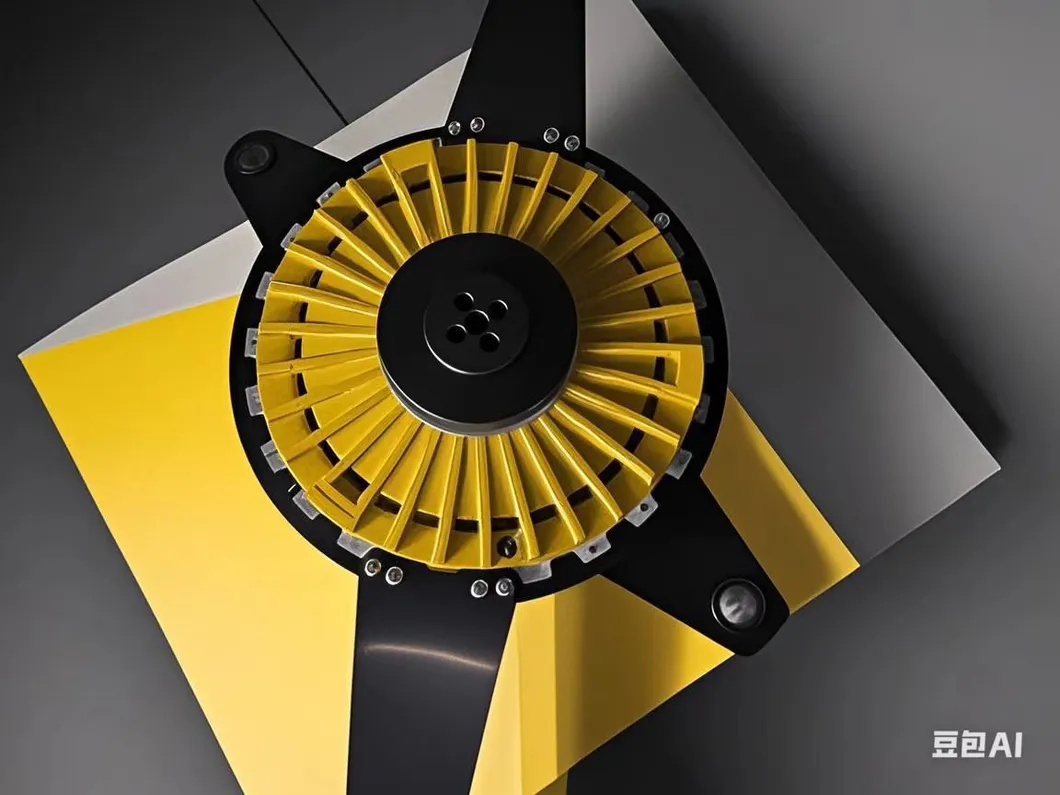
The KB500 Dry Pneumatic Clutch Brake stands as the cornerstone of our clutch brake lineup. Its streamlined design features an outer diameter of a mere 497mm, purpose-built for the rigorous demands of 110-125 ton pneumatic power presses, bench-type presses, and 120 ton powder compacting presses. It boasts a formidable 7300N·m transmission torque and 3800N·m braking torque, all under a 6.0 bar operating pressure, ensuring unrivaled performance.
The optimized design of the KB Series makes it ideally suited for applications necessitating:
For a complete set of technical documentation, including:
Reach out to our expert engineering team for OEM technical support and tailored solutions. We provide full GD&T documentation to facilitate seamless integration with your machinery.
| Model | Clutch Torque (Kgm) | Clutch Torque (Nm) | Brake Torque (Kgm) | Brake Torque (Nm) | Max RPM | Air Pressure (bar) | Weight (kg) |
|---|---|---|---|---|---|---|---|
| KB25 | 26 | 260 | 18 | 180 | 3000 | 5-7 | 15 |
| KB50 | 52 | 520 | 36 | 360 | 3000 | 5-7 | 25 |
| KB100 | 104 | 1040 | 72 | 720 | 2500 | 5-7 | 40 |
| KB200 | 208 | 2080 | 144 | 1440 | 2500 | 5-7 | 65 |
| KB400 | 416 | 4160 | 288 | 2880 | 2000 | 5-7 | 95 |
| KB500 | 520 | 5200 | 360 | 3600 | 2000 | 5-7 | 110 |
| KB600 | 624 | 6240 | 432 | 4320 | 1800 | 5-7 | 125 |
| KB800 | 832 | 8320 | 576 | 5760 | 1800 | 5-7 | 145 |
| KB1200 | 1248 | 12480 | 864 | 8640 | 1500 | 5-7 | 175 |
| HT1500 | 1560 | 15600 | 1080 | 10800 | 1200 | 5-7 | 200 |
| HT2150 | 2236 | 22360 | 1548 | 15480 | 1200 | 5-7 | 245 |
| HT2900 | 3016 | 30160 | 2088 | 20880 | 1000 | 5-7 | 300 |
Our product finds extensive application across industries such as forging, printing, textile, welding, and shipbuilding. It has garnered significant acclaim in sectors like metal processing, paper machinery, woodworking machinery, and fiber machinery.
Small Axial Size and Light Weight: With its minimized axial size and reduced weight, the design boasts low inherent rotational inertia, significantly cutting down the overall volume and weight of equipment while maintaining superior performance, thus enhancing operational efficiency.
Asbestos-Free Friction Material: Our friction material is devoid of asbestos, thereby eliminating potential health hazards and meeting contemporary environmental and safety standards, ensuring a safer, more reliable user experience.
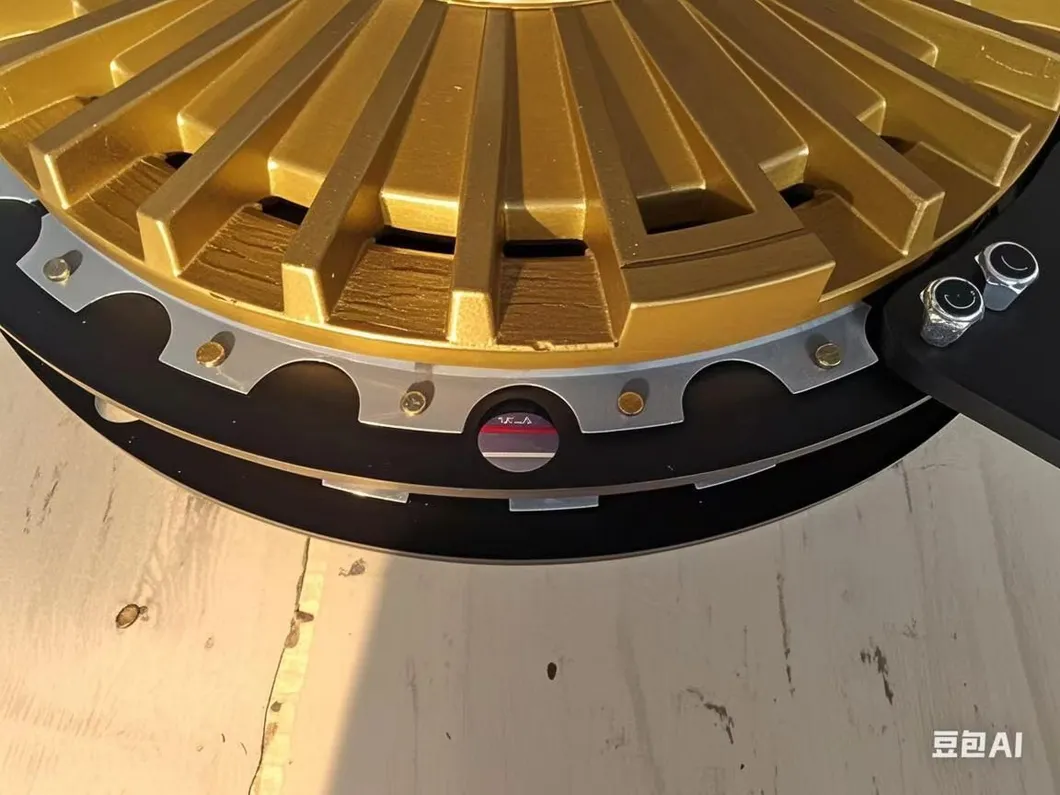
Effortless Friction Pad Replacement: The design allows for the straightforward replacement of friction pads without the need to disassemble the clutch, significantly lowering maintenance costs and time, boosting maintenance efficiency, and reducing equipment downtime.
Unique Disc Arc Design: Our innovative disc arc design greatly enhances the product's heat dissipation capabilities, effectively reducing operational temperature, prolonging product lifespan, and ensuring equipment stability during prolonged high-load operations.
Rapid Clutching and Braking: With a swift response time, it efficiently executes clutching and braking functions, meeting the quick-response needs of various mechanical equipment and enhancing production efficiency.
Flexible Connection Options: Equipped with multiple connection methods, our product can be flexibly adapted to various site requirements, offering remarkable adaptability and perfect compatibility with diverse equipment.
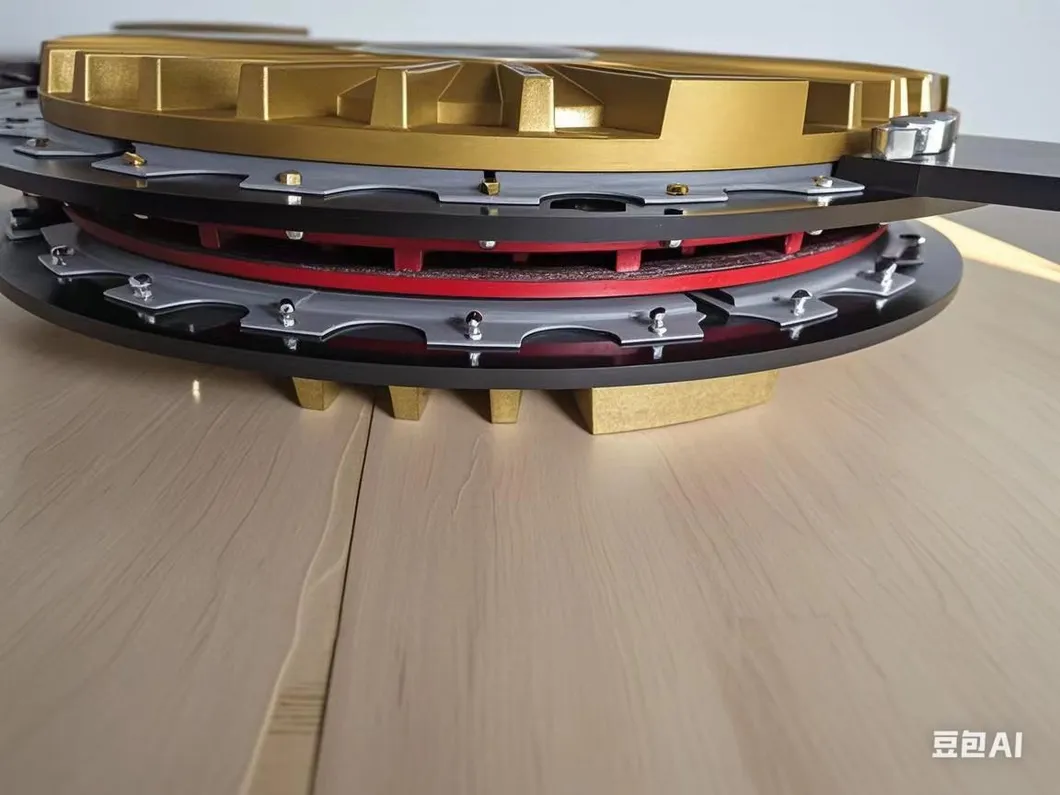
The pneumatic clutch brake is composed of the following essential components:
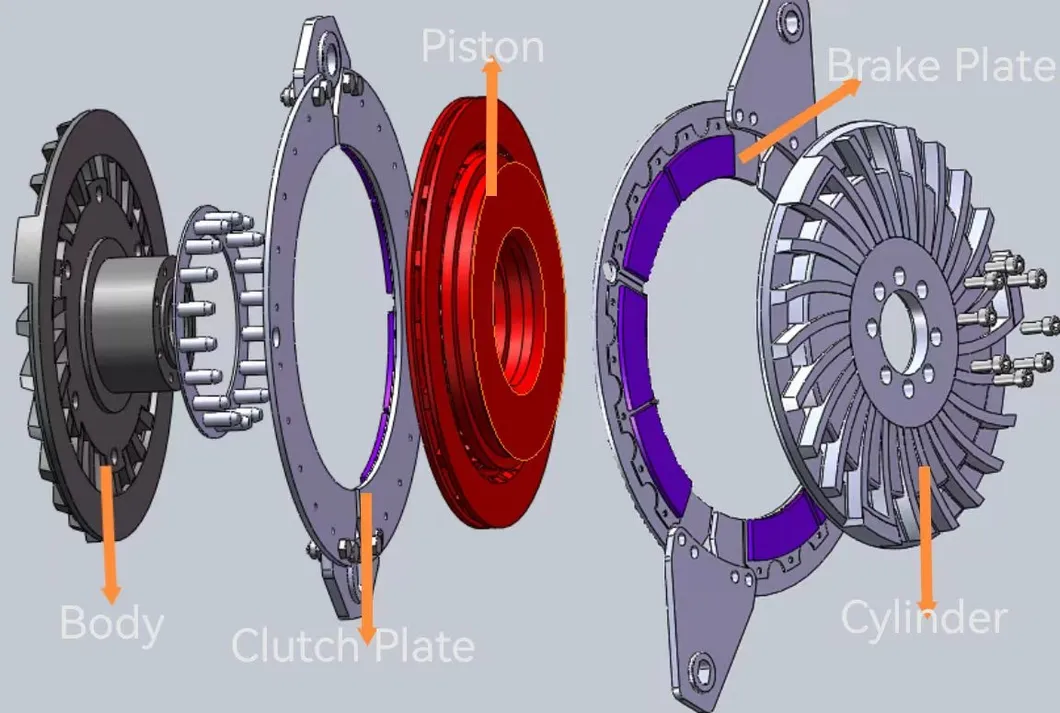
External compressed air is directed into the clutch cylinder through the intake hole, propelling the piston forward. With the assistance of friction pads, the clutch body, and flat key, this movement rotates the driven part, achieving clutch engagement and ensuring seamless power transmission.
Once the air supply is halted, the piston swiftly retreats under the force of the spring. This action, combined with the friction pads, clutch body, and flat key, rapidly brakes the driven part. The equipment achieves a swift stoppage within just 0.01 - 0.02 seconds, ensuring quick and efficient halt.
For optimal installation, the hole tolerance for the four pins should be at H7. It is vital to maintain the hole center parallel to the main shaft center, ensuring precision and stability in pin installation.
Strict adherence to national standards is required for the geometric tolerance and roughness of the center hole and keyway. Similarly, the geometric tolerance and roughness of the customer's main shaft must meet these rigorous standards to enhance product performance.
Customers have the flexibility to select the installation sequence based on specific circumstances. Typically, it is advisable to first install the clutch and brake ear plates, pins, and locking plates, followed by the clutch brake body.
Square pins are ingeniously employed to rectify installation size discrepancies between two pins and address plate thermal deformation due to clutch heating. Ensure that the two flat surfaces of the square pin are perfectly parallel to the radial direction of the ear plate.
For axial air intake systems, it is imperative to install sealing caps on both ends of the clutch to effectively prevent any gas leakage.
Post-installation, it is essential that the clutch end and brake end move freely, guaranteeing the smooth and efficient operation of the clutch and brake systems.
Each clutch undergoes rigorous quality checks. Customers should refrain from unauthorized disassembly of the clutch, as any resultant damage will void company responsibility. Should you encounter any quality issues, promptly notify us, and we commit to resolving them swiftly.
The friction pads incorporated in our Heavy-Duty Clutch Brake Punching Machine for Eccentric Press Tasks are subject to wear over time. When extensive use leads to significant wear, it's time for replacement. Our friction pad replacement process is designed for simplicity, eliminating the need to disassemble ear plates or the clutch itself. The method is detailed as follows:
Selecting the right clutch for your equipment is vital to its optimal performance. It ensures that your operations run smoothly and efficiently.
To ensure safety, never touch the clutch or come into contact with objects while it is rotating at high speeds. This precaution is essential to prevent accidents.
Avoid direct skin contact with the clutch after it has ceased rotation to prevent burns. Allow approximately thirty minutes for cooling to room temperature before undertaking any maintenance tasks.
Standing by the side of a rotating clutch is strictly prohibited due to the risk of accidents from flying debris. Always ensure a protective cover is securely in place during operation.
During the ventilation and air-stopping process, it is crucial to keep fingers clear of the friction pads to avoid injuries such as pinching.
The clutch's internal springs should never be tampered with by unauthorized personnel. Disassembly must only be performed by trained professionals to prevent risk of injury.