➢
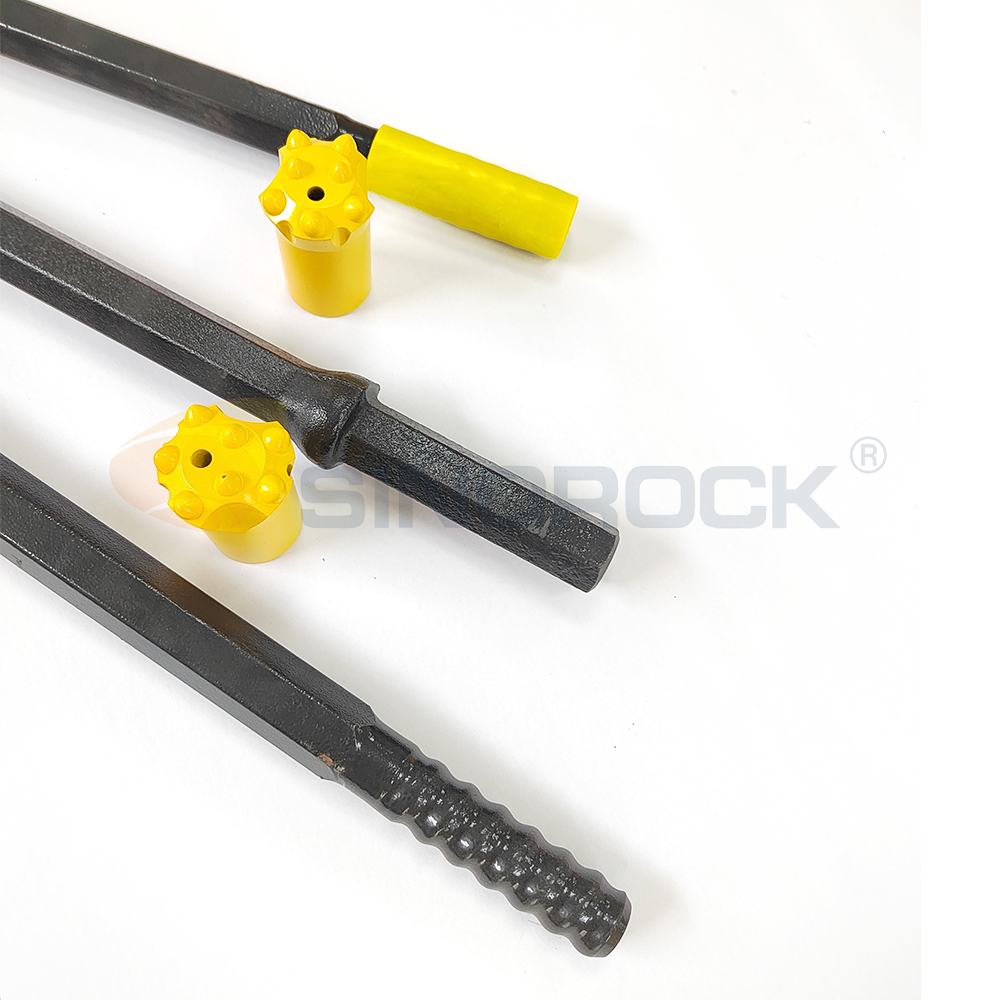
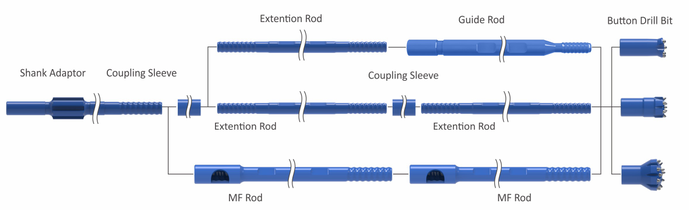
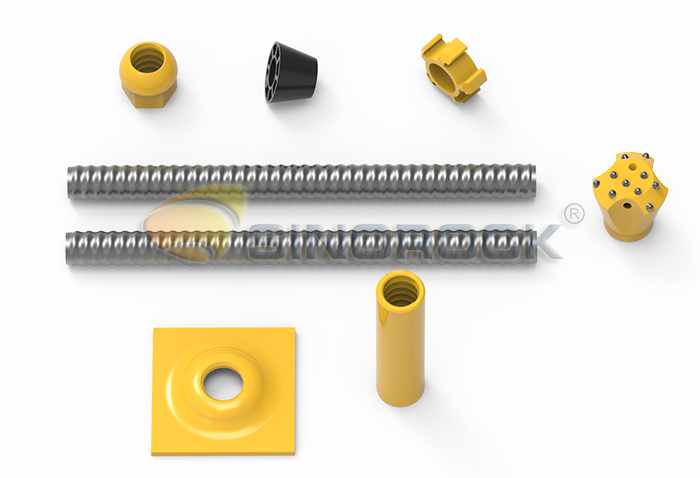
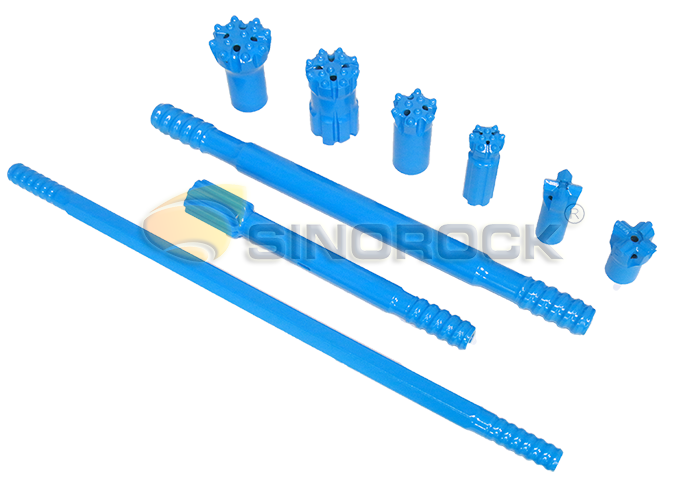
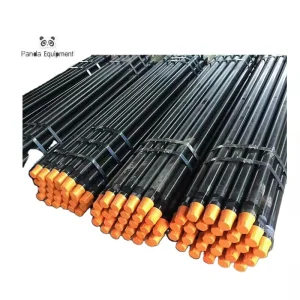
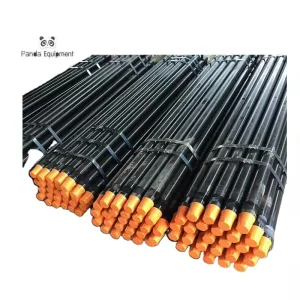
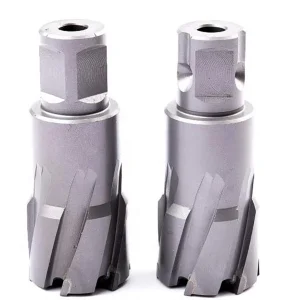
Drill rod types: extension rod, MF rod, and guide rod;
➢
Length: 3050mm, 3660mm, 4265mm, 6095mm, etc;
➢
Rod size: H32, H38, D32, D39, D46, D52, D56, D64, D76, and D87;
➢
Thread size: R32, R38, T38, T45, and T51;
➢
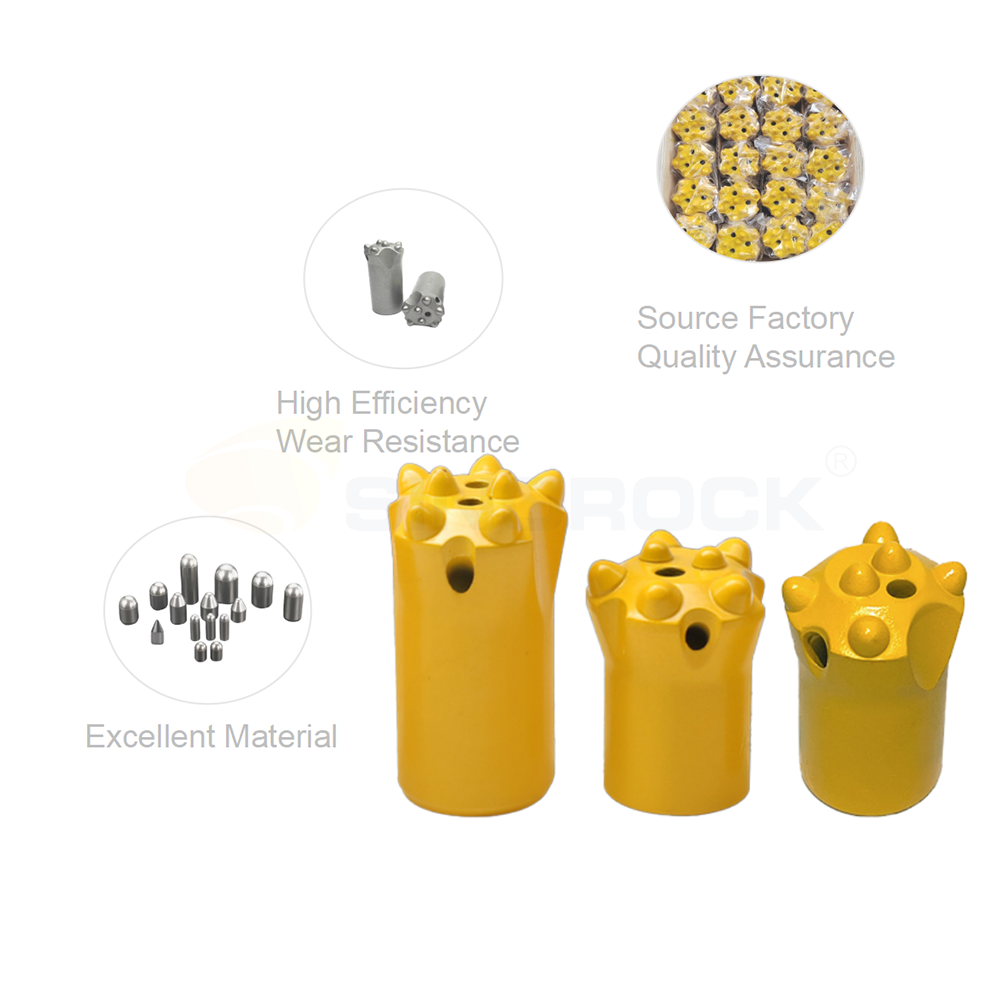
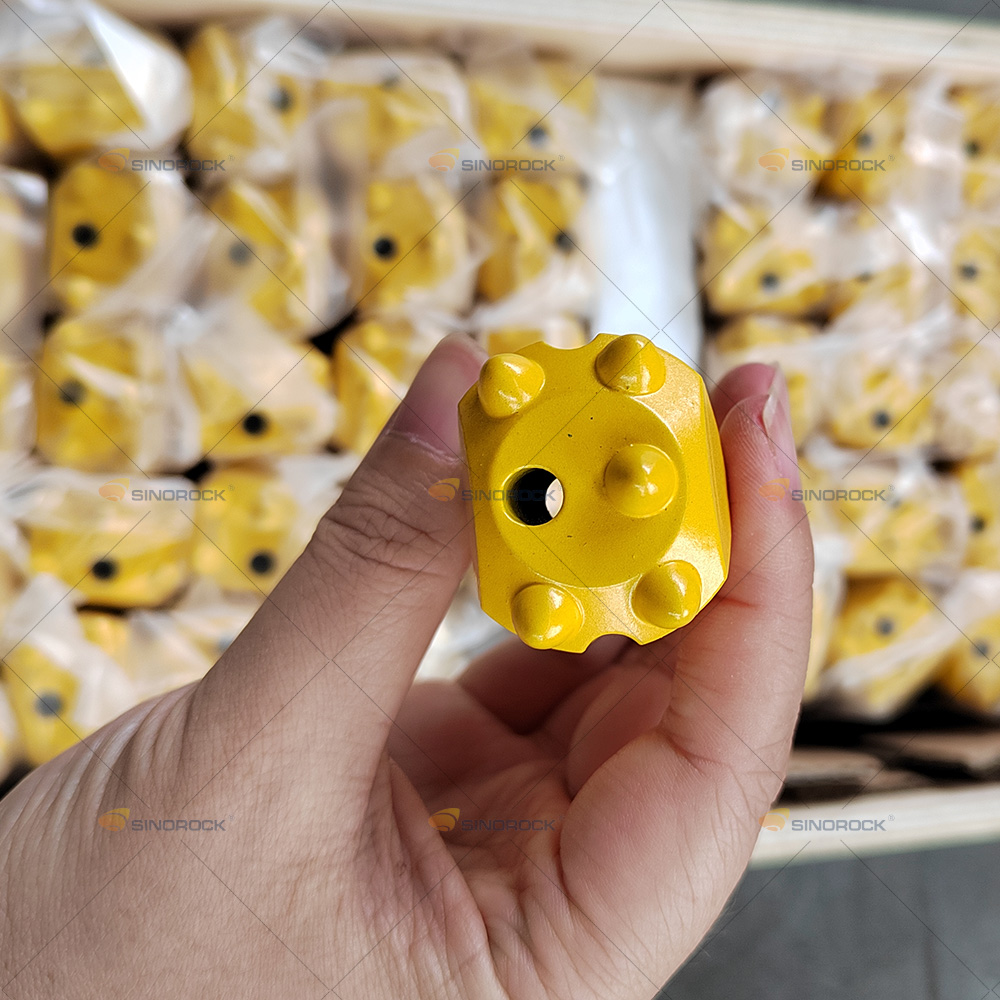
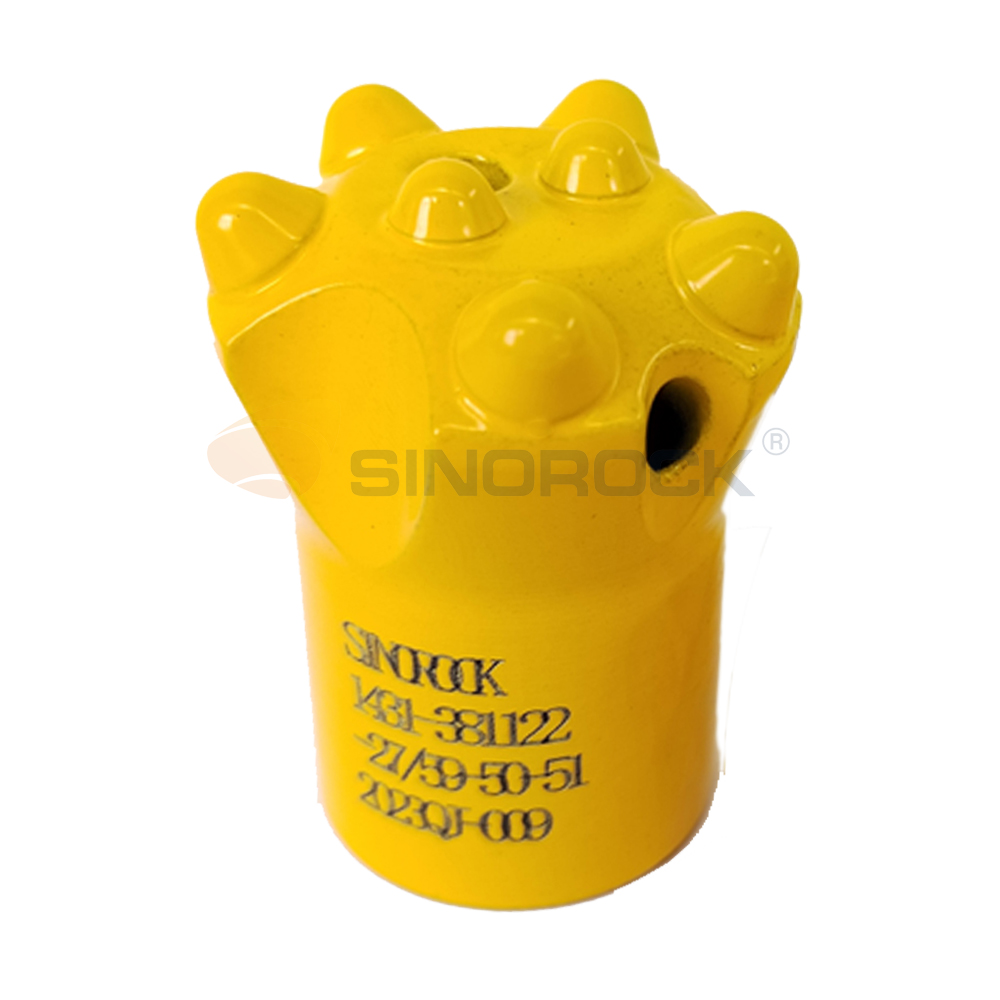
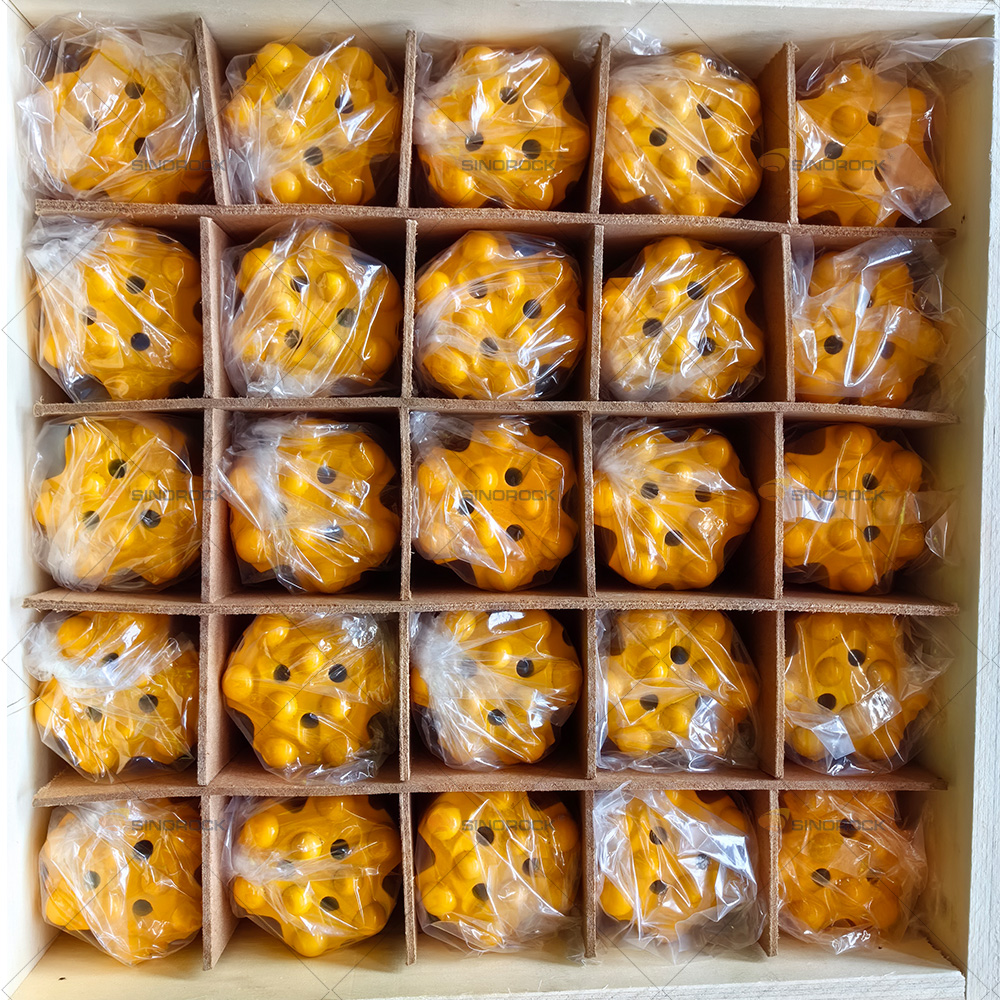
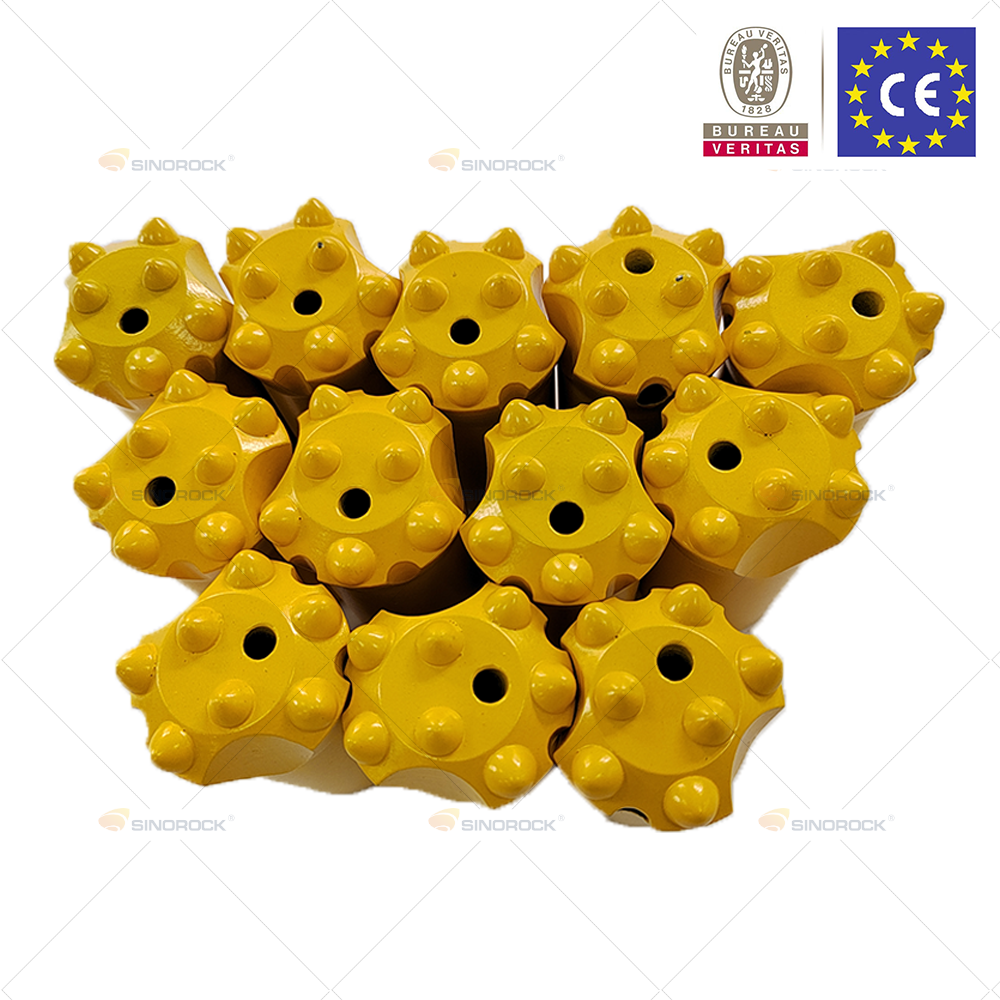
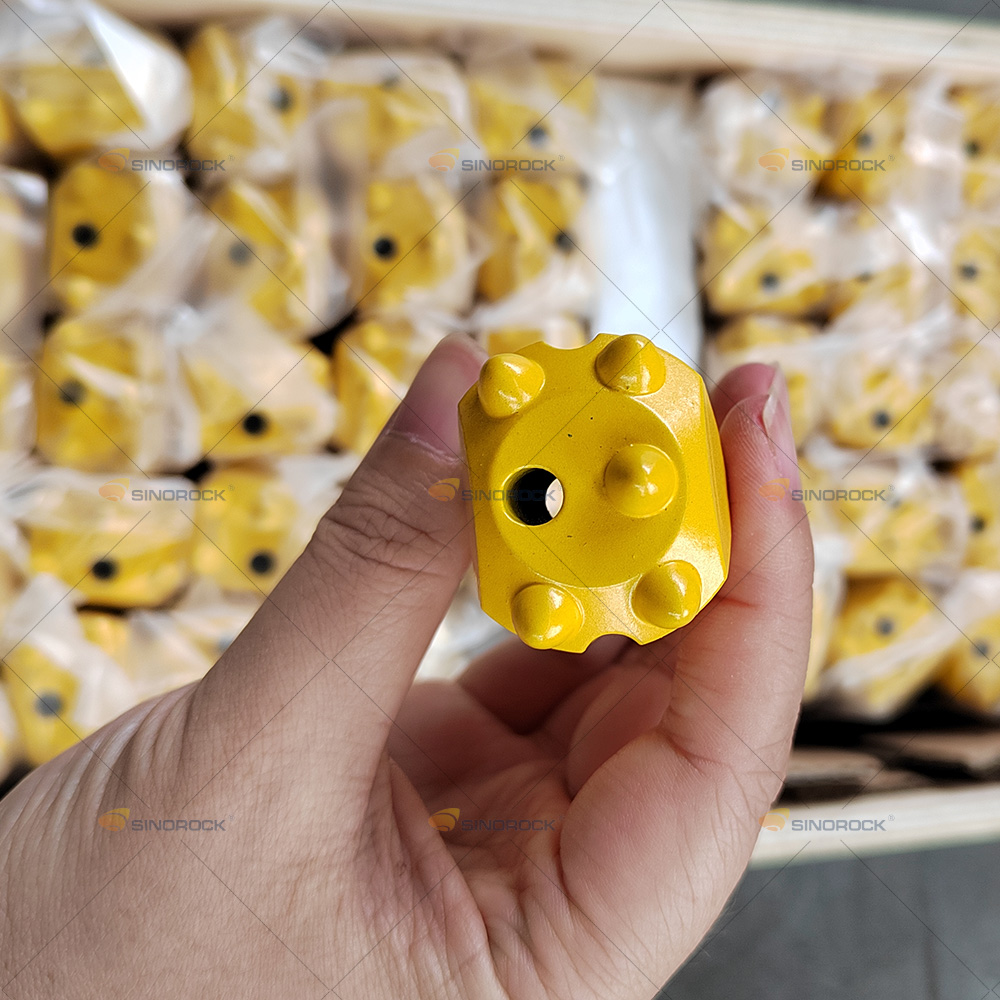
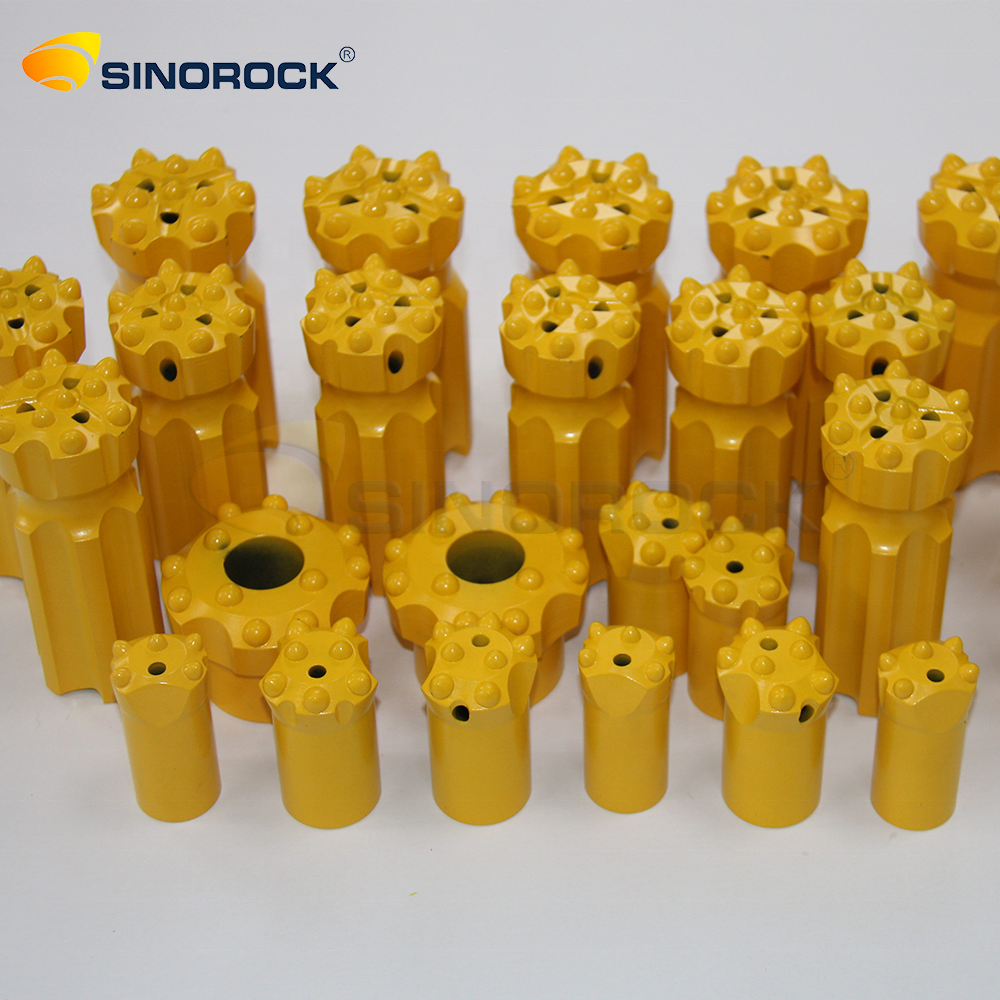
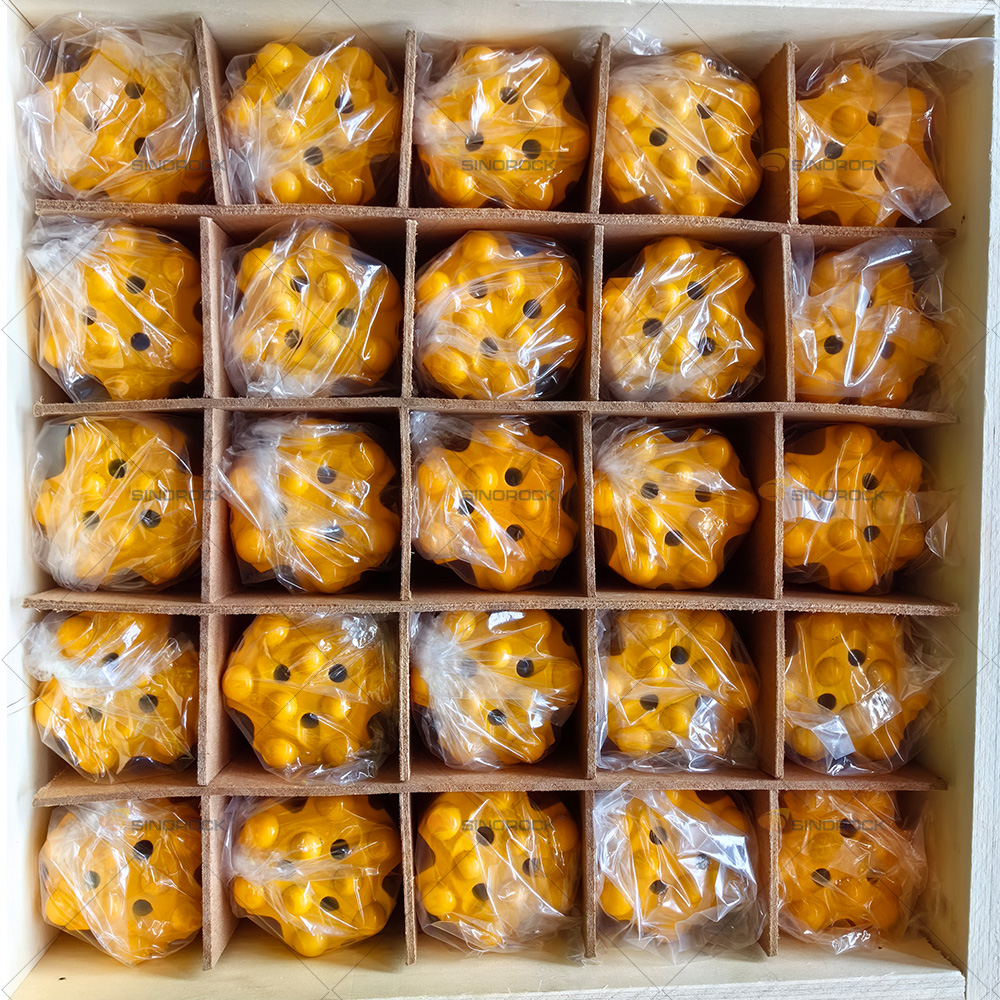
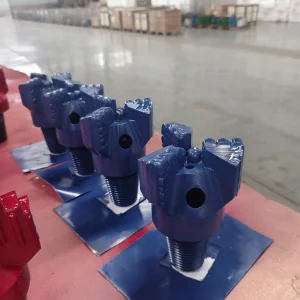
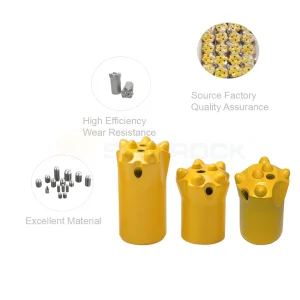
5 types of drill bits: cross bit, button bit, drop center button bit, retrac button bit, and drop center retrac button bit;
➢
Bits diameter: button bit – 51mm to 127mm; cross bit – 50mm to 65mm.
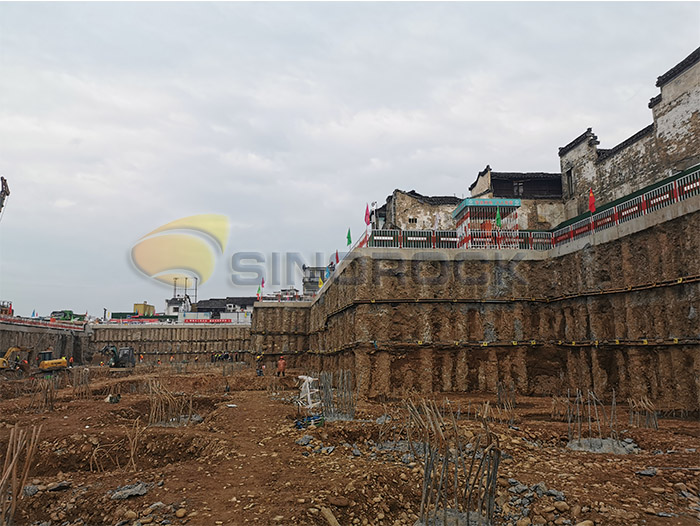
Binjiang West Road Pedestrian Mall, China
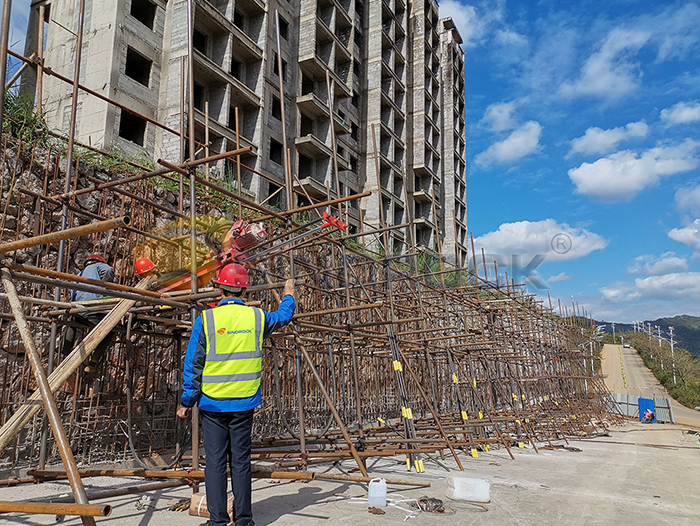
Xingyi Normal University for Nationalities Retaining Wall Reinforcement, China
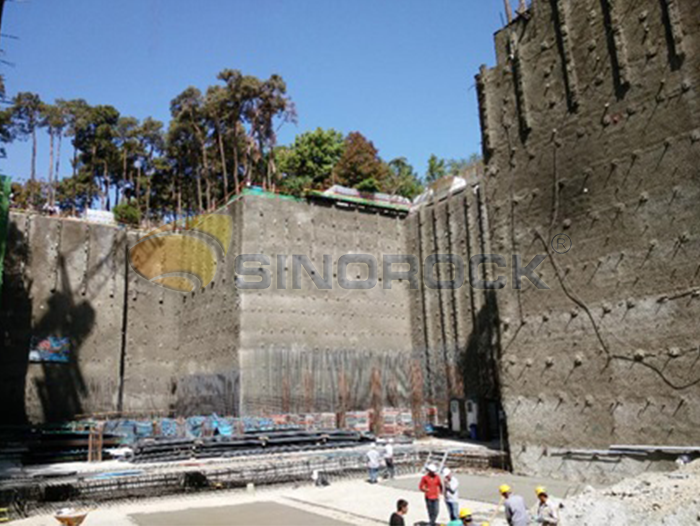
Excavation Retaining of housing construction for a commercial district in the Middle East
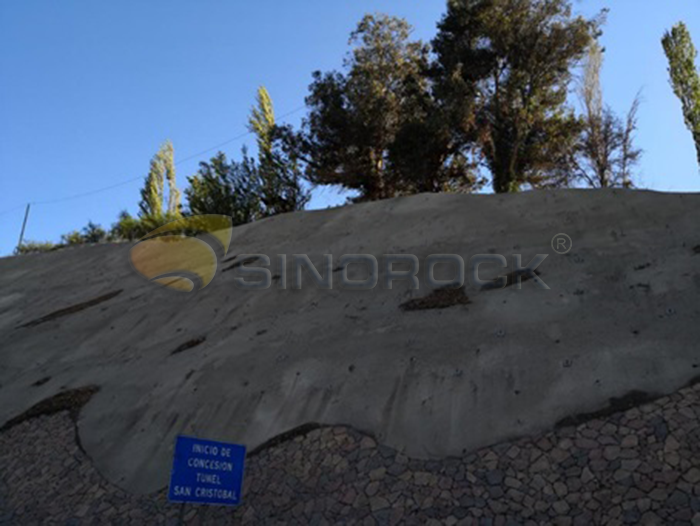
Slope Retaining for Santiago expressway project in Chile

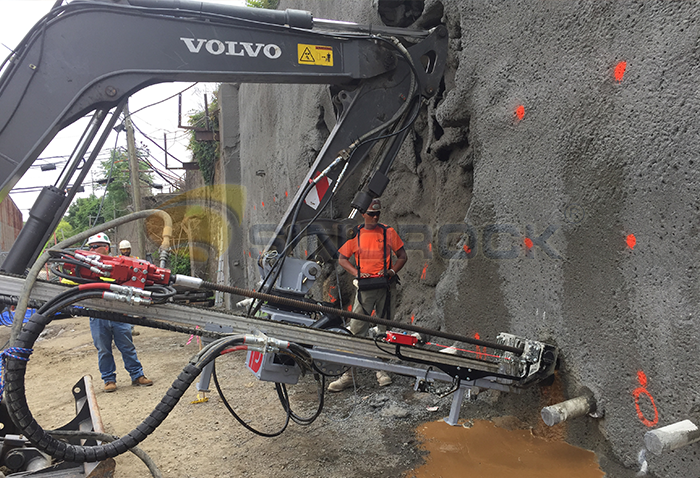
Slope Retaining for housing construction in Greenville, USA
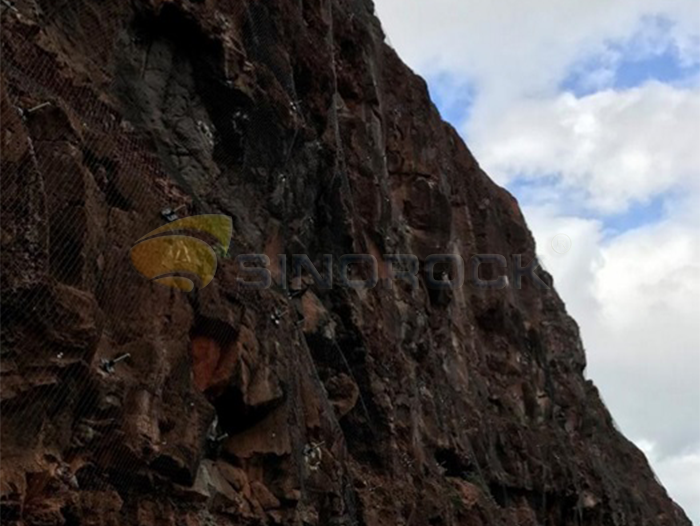
Slope Retaining of Hawaii Highway Project
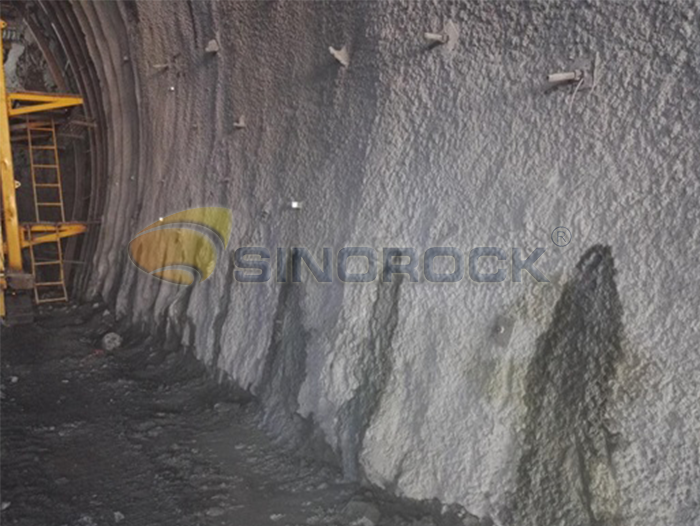
Root Piling in Zhengzhou-Wanzhou section of the Zhengzhou-Chongqing
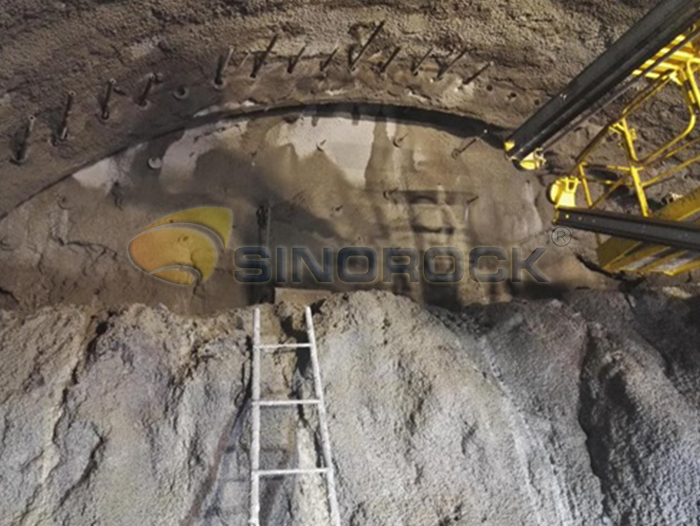
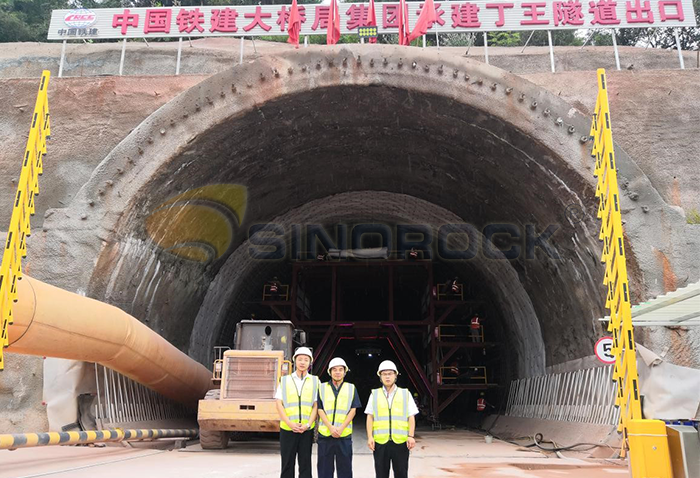
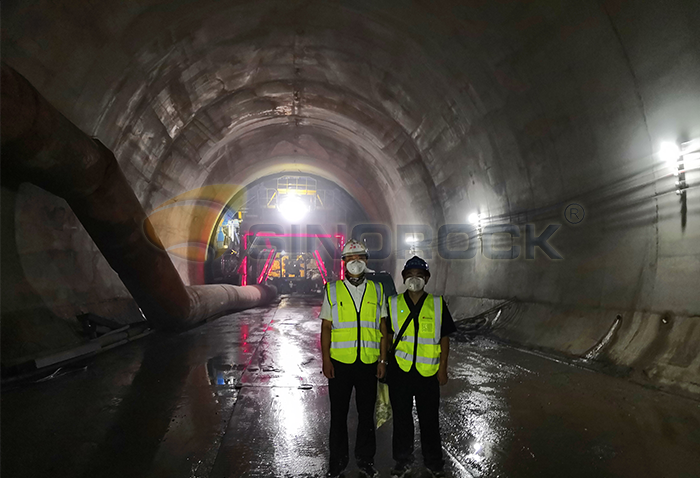
Pre-support with umbrella arch method in YuxiMohan section, China
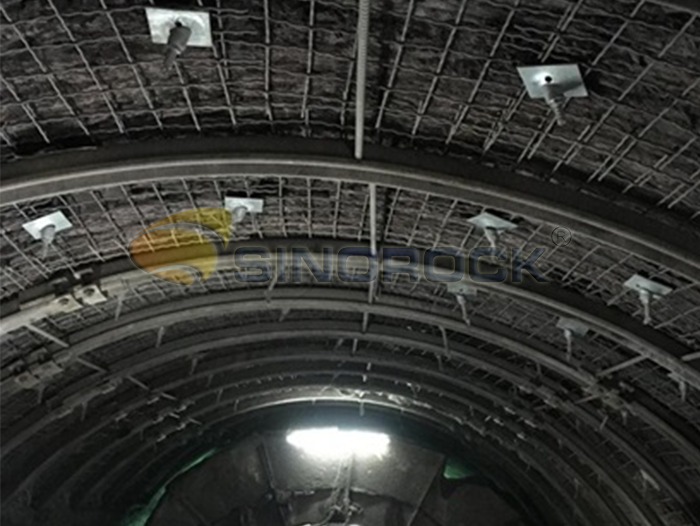
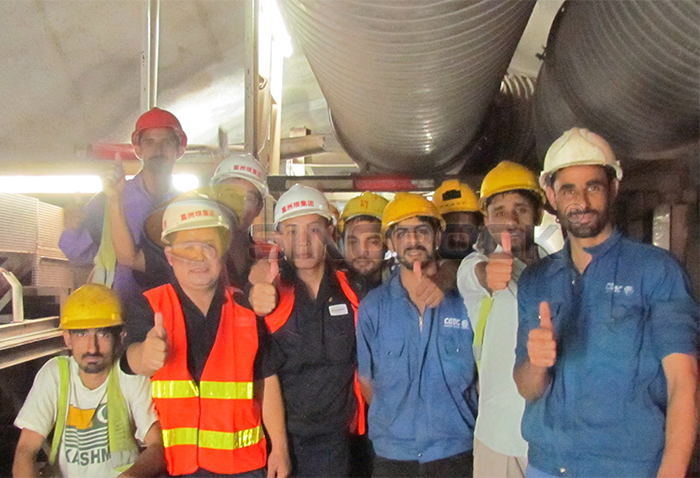
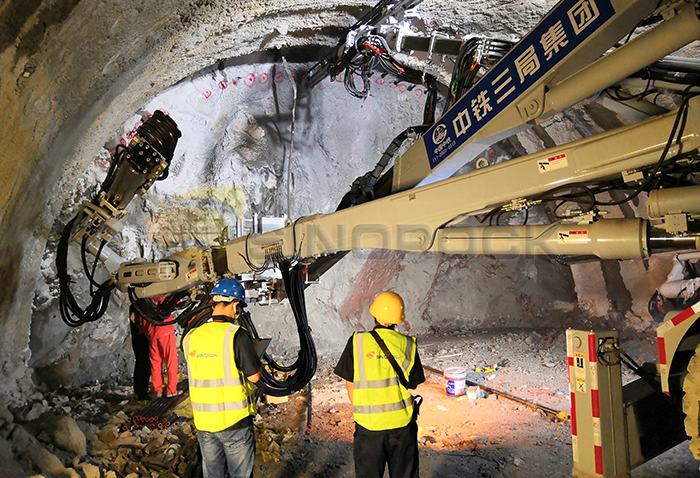
Shotcrete-bolt Support for Neelum Jhelum hydropower station in Pakistan
Frequently Asked Questions
Q1: What are the primary applications of R32 thread button bits?
A1: R32 thread button bits are widely used in drifting, tunneling, bench drilling, and production drilling in mines and quarries, particularly suitable for medium to hard rock formations.
Q2: What options are available for drill rods compatible with these bits?
A2: The compatible drill rods include extension rods, MF (male/female) rods, and guide rods, with popular sizes like H32, H38, D32, D39, and thread sizes ranging from R32 to T51.
Q3: How do standard button bits and retrac button bits differ?
A3: Standard button bits are suitable for general drilling applications, while retrac button bits have a special ribbed design that helps keep the hole straight and makes it much easier to pull the drill string back in loose or collapsing rock formations.
Q4: Where are self-drilling anchor bolts typically applied?
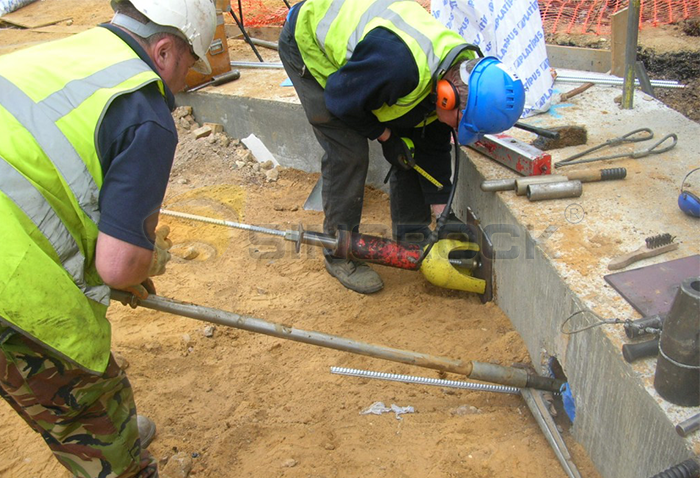
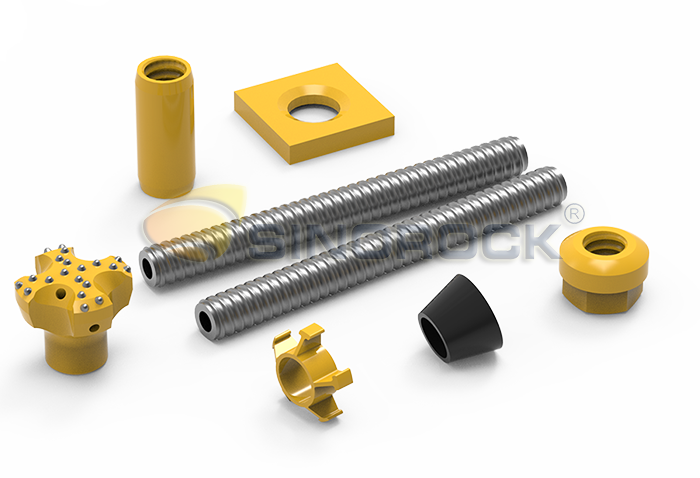
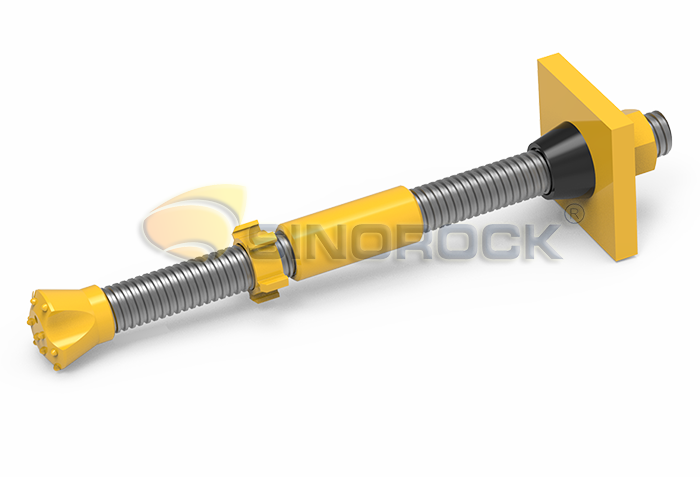
A4: Self-drilling anchor bolts are mainly applied in slope stabilization, tunnel pre-support systems, micropiles for foundations, railway construction, and metro projects. They serve to drill, anchor, and grout simultaneously.
Q5: What determines the gauge tooth angle in rock drilling bits?
A5: The gauge tooth angle (commonly 30° or 35°) is designed to optimize rock breakage efficiency and prevent diameter wear based on the abrasiveness and hardness of the rock structure being drilled.
Q6: What is the benefit of using R-thread and T-thread self-drilling anchor bolts?
A6: R-thread provides a standard rope thread connection which is very common and easy to couple, while T-thread offers a trapezoidal thread design that provides higher torque transmission and stronger connection capability in deep hole drilling.
 Carto Tool