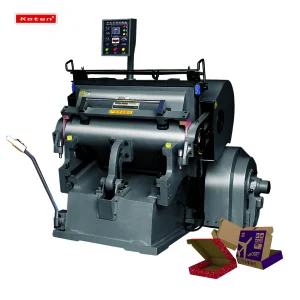
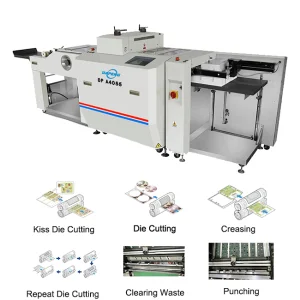
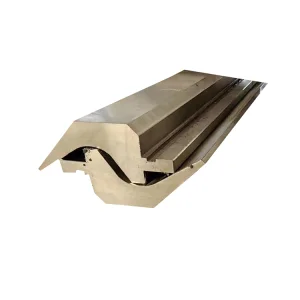
Premium packaging and metal shaping tooling optimized for Valparaíso, Concepción, and Santiago industrial hubs.
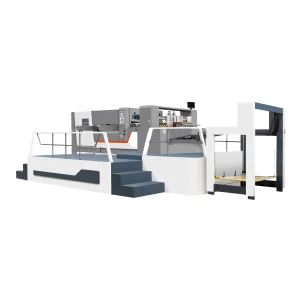
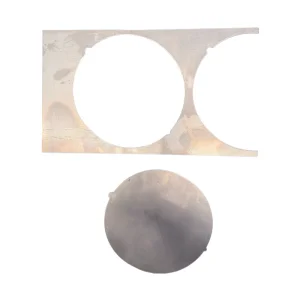
Chile represents one of South America's most open and stability-oriented industrial economies. The country's manufacturing fabric, although distinct from massive assembly hubs like Brazil or Mexico, is highly specialized, demanding capital-intensive, high-precision tool systems. Key drivers include a massive fresh fruit and agricultural export market, which commands millions of square meters of pristine, retail-ready corrugated packaging and thermoformed PET clamshells, alongside a globally dominant mining extraction sector requiring structural steel bending and heavy metal forming tools.
For packaging processors located in the Metropolitan Region of Santiago and Valparaíso, the search for high-performance die-cutting machines and custom molds is driven by the strict aesthetic and structural standards of global buyers in North America and the European Union. In parallel, heavy industries in regions like Antofagasta rely heavily on precision press brake tooling and bending dies capable of shaping high-tensile structural steel profiles for deep-pit mining conveyors and processing equipment.
With the Chile-China Free Trade Agreement (FTA) facilitating streamlined importing procedures, Chilean procurement officers look to vendors that bridge structural rigidity with micro-millimeter precision. At Dongguan Carto Tool Co., Ltd., we develop tooling solutions that directly address the specific challenges of Chilean processors: thermal stabilization of cutting components during hot summer runs in the Central Valley, reduction of waste using clean-stripping flatbed die-cutters, and extended life of bending molds used on structural steel sheets.
By bypassing multiple broker layers and working directly with a dedicated manufacturer, Chilean companies gain direct engineering control over custom designs. This ensures tool geometry matches their existing European or American-brand machinery while lowering initial capital expenditure significantly without sacrificing reliability.
Scientific metallurgy, strict heat-treatment processes, and advanced engineering profiles that define industrial grade tooling.
To establish true Experience, Expertise, Authoritativeness, and Trustworthiness (E-E-A-T), it is vital to analyze the exact metallurgical and mechanical processes behind mold and die cutting systems. Substandard cutting steel compromises edge retention, causing fiber release in corrugated paperboard and excessive micro-burrs on sheared sheet metals. This directly causes rejection of packaging lines by demanding international agricultural inspectors.
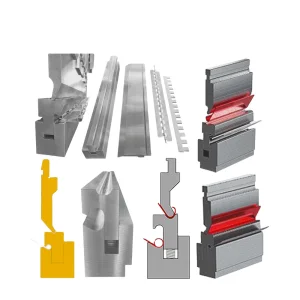
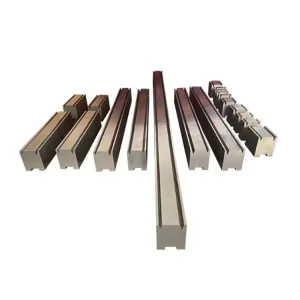
For press brake bending tools and industrial metal sheet forming dies, we rely heavily on 42CrMo (Chromium-Molybdenum steel alloy). This steel offers high hardenability, superb toughness under load, and excellent wear resistance. It undergoes a rigorous heat treatment process consisting of overall tempering followed by precise CNC induction hardening of the key working radii. This raises the working surfaces to a hardness of 48-52 HRC (Rockwell Hardness C scale), while keeping the core ductile enough to withstand high bending pressures without fracture risk.
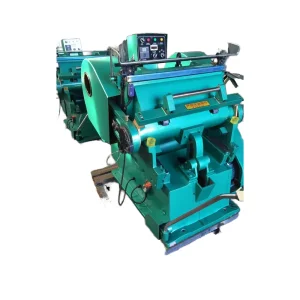
In high-speed packaging die cutters (e.g., flatbed auto-cutters operating up to 5,000 sheets/hour), the precision of creasing and blanking is managed by premium tool steels like D2 (Cr12MoV) or high-speed steel equivalents. These alloys exhibit excellent dimensional stability during heat treatment. This ensures that even after hundreds of thousands of cycles cutting dense PVC, PET, or multi-wall corrugated board, the alignment between upper and lower dies remains within a strict ±0.015mm tolerance envelope.
| Tool Class | Common Base Material | Hardness Spec (HRC) | Primary Industrial Use in Chile | Critical Engineering Metric |
|---|---|---|---|---|
| Press Brake Tooling / V-Dies | 42CrMo / C45 Carbon Steel | 47 - 53 HRC | Structural metal forming, mine equipment fab | Bending deflection ratio < 0.05% |
| Flatbed & Rotary Die Blades | SKD11 / D2 Tool Steel | 58 - 62 HRC | Agriculture fruit crates, wine boxes, PVC cut | Edge sharpness retention > 500k cycles |
| Plastic Injection / Molds | P20 / 718H Steel | 30 - 38 HRC | Household items, PVC pipes, agricultural trays | Polishability & mold cavity balance |
| Gantry Mill Spindle Components | BT50 High Rigidity Alloys | 60+ HRC (Critical parts) | Aerospace & heavy die block pre-machining | Dynamic balance G2.5 at 10,000 RPM |
The journey of Dongguan Carto Tool Co., Ltd. from a specialized workshop to a global precision partner.
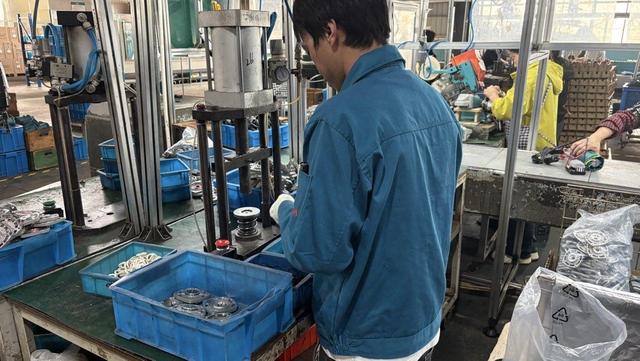
Dongguan Carto Tool Co., Ltd. is a professional manufacturer specializing in industrial cutting tools, CNC machining tools, milling systems, turning solutions, and precision metal cutting technologies. The company is dedicated to providing high-performance tooling solutions for modern manufacturing industries, including automotive, aerospace, mold processing, machinery production, and general metal fabrication.
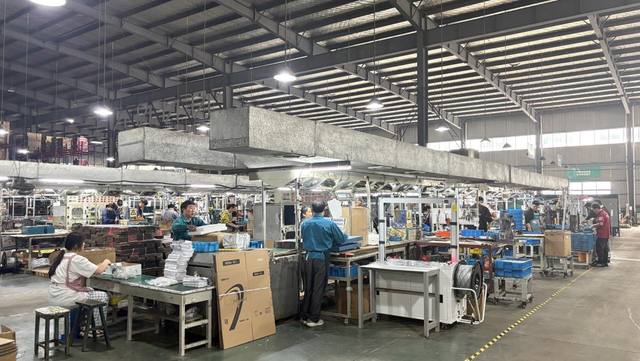
Since its establishment, Carto Tool has developed from a small-scale cutting tool workshop into a specialized industrial tooling supplier with integrated R&D, production, and quality control capabilities. In its early stage, the company focused on basic turning and milling tool production for local machining workshops. With the rapid growth of China’s manufacturing sector, Carto Tool expanded its technology base and began developing more advanced CNC-compatible cutting systems to meet higher precision and efficiency requirements.
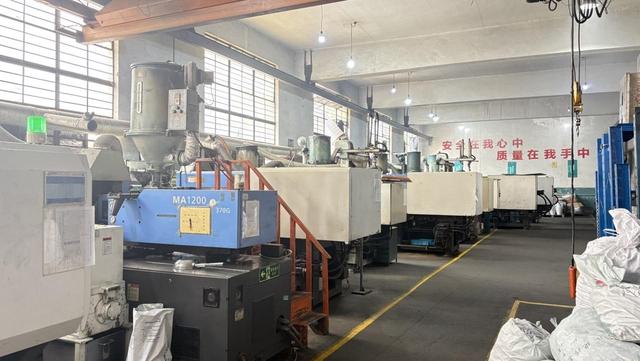
During its development phase, the company invested in carbide material research, coating technology improvements, and CNC tool geometry optimization. It introduced modern production lines and precision grinding equipment to ensure stable performance and long tool life. At the same time, Carto Tool strengthened its testing systems to improve cutting accuracy, wear resistance, and thermal stability across different machining environments.
Today, Dongguan Carto Tool Co., Ltd. serves global industrial clients with a wide range of cutting tool solutions designed for high-speed, high-precision, and heavy-duty applications. The company continues to focus on innovation in CNC machining efficiency, metal cutting performance, and cost optimization for manufacturers. With a commitment to quality and engineering excellence, Carto Tool aims to become a trusted international supplier in the industrial cutting tools industry, supporting smarter and more efficient global manufacturing systems.
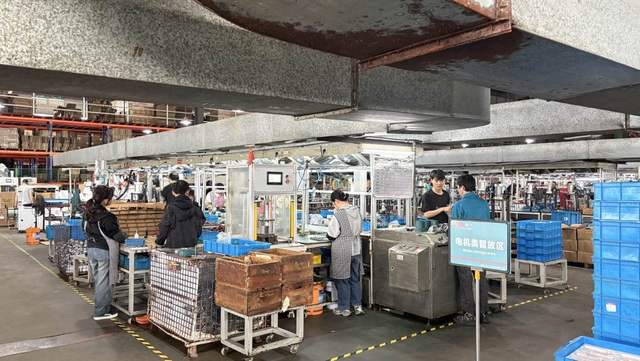
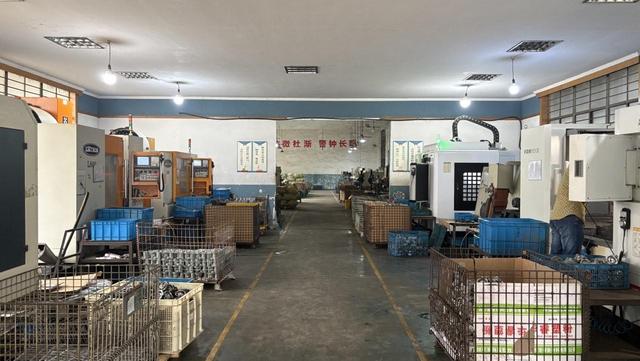
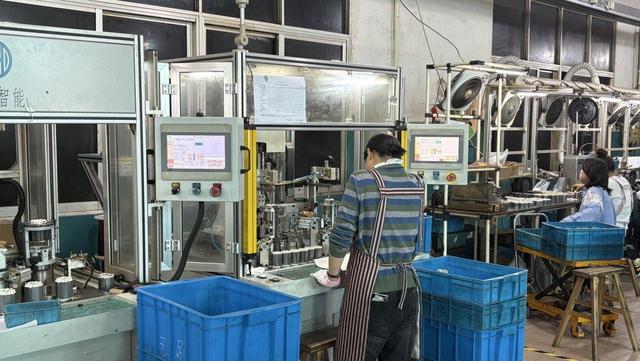
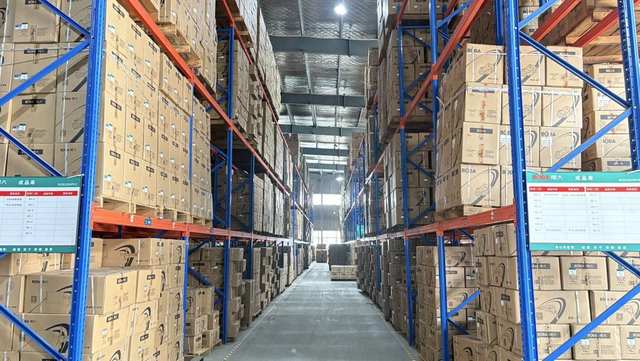
Consult with our engineering team today. We provide full DWG/DXF drawings approvals prior to production, ensuring seamless fitment on European, American, or Asian press brakes and die cutters.
Send Inquiry NowImporting capital tooling from Asia into Chile requires a transparent protocol to avoid costly project delays. The primary point of entry for sea cargo is the Port of Valparaíso and the Port of San Antonio. For urgent parts, such as precision replacement cutting dies or punch sections, air transit via Santiago (SCL) Airport is the preferred method.
Under the terms of the China-Chile FTA, machinery components classified under HS Codes 8480 (molding boxes and molds) and 8207 (interchangeable tools for hand tools or machine tools) qualify for duty-free entry. To claim this exemption, importers must present a valid Form F Certificate of Origin during customs clearance. Carto Tool provides completed Form F documents, detailed packing lists, and steel grade certificates as a standard practice for all shipments to Chilean companies.
No two press brakes or die cutters share the exact same wear history or configuration. To ensure our replacement dies slot perfectly into your existing machine bed, our engineering department works through a 4-step compliance gate:
Innovative trends shaping the next generation of mold and die cutting systems.
The manufacturing world is migrating rapidly toward automated, smart tooling systems that reduce manual adjustments. At Carto Tool, our research and development is focused on three high-priority sectors:
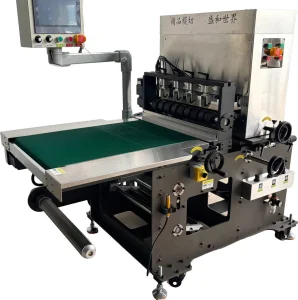
In electronics and membrane switch panel manufacturing, physical edge registration is no longer sufficient. Our CCD-guided die-cutting equipment uses high-resolution digital cameras to detect printed registration marks on the fly, adjusting the cutting bed position in milliseconds to correct for printing stretch or skew. This system is critical for high-end control interfaces manufactured in metropolitan centers.
To support green, lubricant-free metal forming in the mining fabrication industry, we are implementing next-generation Physical Vapor Deposition (PVD) coatings. Coatings such as TiAlN (Titanium Aluminum Nitride) and DLC (Diamond-Like Carbon) reduce sliding friction coefficients and thermal transfer, permitting faster stroke rates and significantly extending the intervals between tool refittings.
Answers to crucial mechanical, commercial, and logical questions from Chilean industrial buyers.
Complete product range supporting sheet metal fabrication shops and high-output packaging lines.
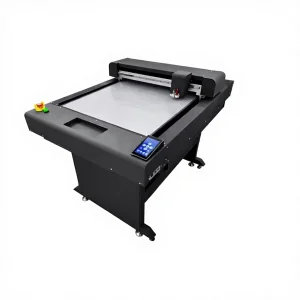
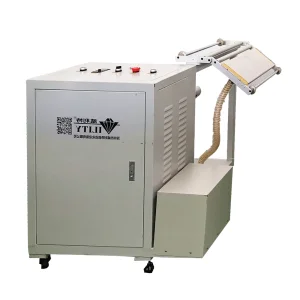
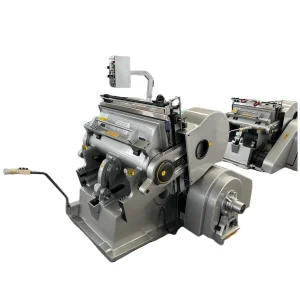
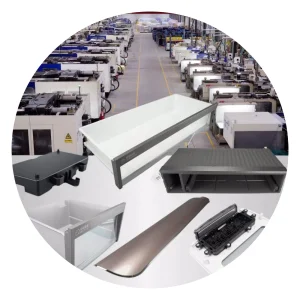
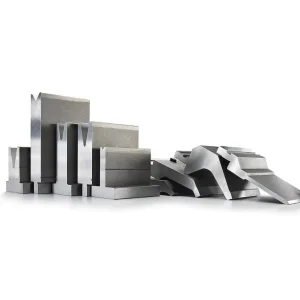
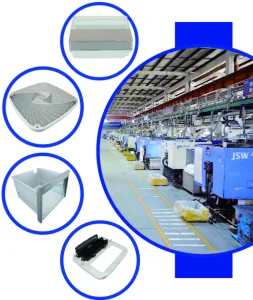
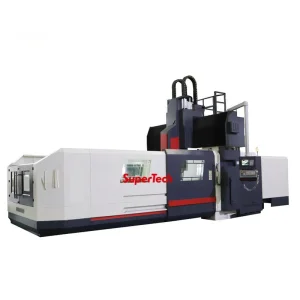
Receive structural steel analysis, material test records, and comprehensive export logistics support tailored to Chile's manufacturing codes.
Send Inquiry Now Carto Tool