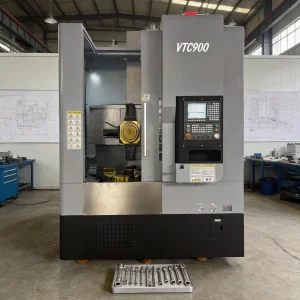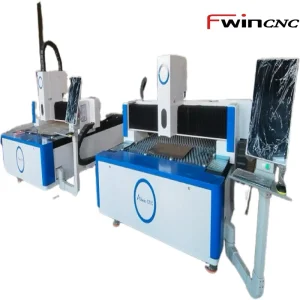
In the contemporary manufacturing sector, industrial efficiency is no longer analyzed solely through the lens of cycle times and material removal rates (MRR). The integration of Global ESG (Environmental, Social, and Governance) criteria, combined with the stringent targets of Net-Zero carbon emissions, has transformed the tooling industry. Sustainable cutting tools represent a critical lever in reducing the carbon footprint of precision subtractive manufacturing processes.
True sustainability in metal cutting requires a holistic assessment of the tooling life cycle. It starts from the sourcing of raw materials, such as micro-grain tungsten carbide and cobalt binder phases, to energy-efficient sintering processes, advanced Physical Vapor Deposition (PVD) coating techniques, and ultimately, closed-loop scrap recycling systems. Cutting tools account for a significant portion of Scope 3 supply chain emissions. By partnering with audited and verified sustainable factories, OEM/ODM buyers can achieve a measurable reduction in their operational life-cycle impact.
Leading manufacturers are rapidly shifting from virgin tungsten ore extraction to recycling programs that reclaim zinc-process tungsten powders. This reduces energy consumption during refinement by up to 70% while mitigating the environmental impact of cobalt and heavy metal extraction.
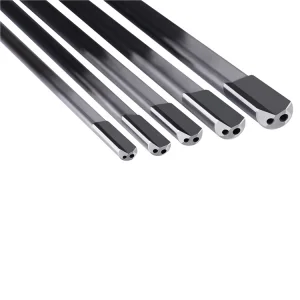
Traditional flood cooling generates extensive liquid hazardous waste. The adoption of sustainable tools optimized for dry machining and MQL eliminates thousands of liters of chemical effluents, requiring custom tool geometries with internal coolant channels and optimized rake angles.
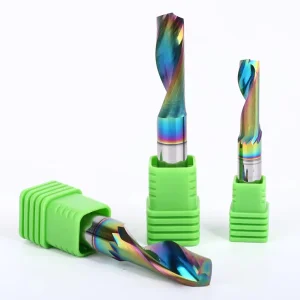
Replacing toxic chemical coatings with clean, ultra-hard nanostructured PVD coatings (such as AlTiN and diamond-like carbon) enhances tool durability, reducing the volume of spent tooling sent to landfills while operating at high velocities.
Global manufacturing hubs in North America, Western Europe, and East Asia are tightening procurement specifications. Sustainable tool sourcing must balance engineering performance, cost-efficiency, and environmental compliance.
| Procurement Dimension | Traditional Sourcing Focus | Sustainable Sourcing Paradigm | Strategic Impact on Operations |
|---|---|---|---|
| Initial Unit Cost | Lowest acquisition price per insert or endmill. | Total Cost of Ownership (TCO) including tool life and regrinding. | Reduces tooling consumption rates by up to 45% annually. |
| Material Performance | Standard HSS or basic tungsten grades. | Ultra-fine micrograin carbide with high recycled content. | Maintains extreme feed rates and structural integrity under load. |
| Environmental Compliance | Basic ISO 9001 quality compliance. | ISO 14001, RoHS, REACH, and carbon neutrality tracking. | Secures export access into European and North American markets. |
| Process Optimization | Flood cooling; standardized geometries. | Designed for dry cutting, cryogenic machining, and MQL systems. | Drastically lowers fluid disposal costs and machine energy draw. |
China's advanced tool manufacturing hubs have transitioned from high-volume production lines to ultra-precise smart manufacturing cells. Driven by the "Industry 4.0" paradigm, factories leverage automated precision grinding machines, automated quality control sensors, and integrated supply chains to offer rapid customization and delivery without compromising environmental standards.
Dongguan Carto Tool Co., Ltd. is a professional manufacturer specializing in industrial cutting tools, CNC machining tools, milling systems, turning solutions, and precision metal cutting technologies. The company is dedicated to providing high-performance tooling solutions for modern manufacturing industries, including automotive, aerospace, mold processing, machinery production, and general metal fabrication.
Since its establishment, Carto Tool has developed from a small-scale cutting tool workshop into a specialized industrial tooling supplier with integrated R&D, production, and quality control capabilities. In its early stage, the company focused on basic turning and milling tool production for local machining workshops. With the rapid growth of China’s manufacturing sector, Carto Tool expanded its technology base and began developing more advanced CNC-compatible cutting systems to meet higher precision and efficiency requirements.
During its development phase, the company invested in carbide material research, coating technology improvements, and CNC tool geometry optimization. It introduced modern production lines and precision grinding equipment to ensure stable performance and long tool life. At the same time, Carto Tool strengthened its testing systems to improve cutting accuracy, wear resistance, and thermal stability across different machining environments.
Today, Dongguan Carto Tool Co., Ltd. serves global industrial clients with a wide range of cutting tool solutions designed for high-speed, high-precision, and heavy-duty applications. The company continues to focus on innovation in CNC machining efficiency, metal cutting performance, and cost optimization for manufacturers. With a commitment to quality and engineering excellence, Carto Tool aims to become a trusted international supplier in the industrial cutting tools industry, supporting smarter and more efficient global manufacturing systems.
Different manufacturing sectors demand specialized physical properties from their cutting systems. Below are three critical industrial application areas optimized for Carto Tool's technical portfolio.
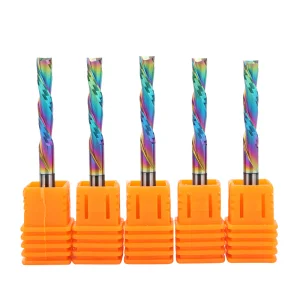
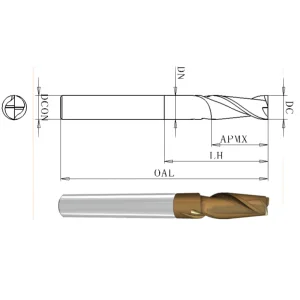
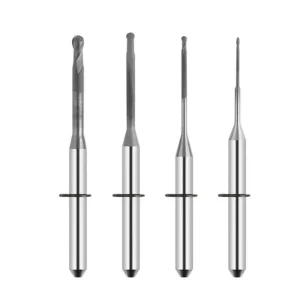
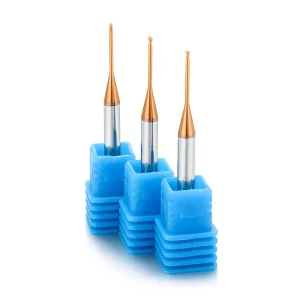
Machining aerospace-grade materials like Titanium alloys (e.g., Ti-6Al-4V) and Inconel requires tools that withstand intense thermal energy and mechanical strain. Carto Tool's long-neck customizable carbide end mills, featuring proprietary TiAlN and AlTiN coatings, prevent rapid cobalt depletion and micro-chipping, ensuring surface integrity for safety-critical components.
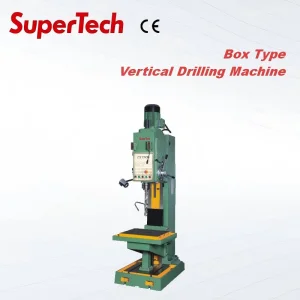
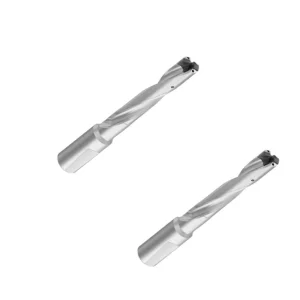
High-speed turning and drilling operations require micrograin carbide geometries to maintain close dimensional tolerances over long production runs. Carto Tool's high-performance gun drills and vertical boring tools optimize chip evacuation, decreasing mechanical load, shortening overall cycle times, and decreasing coolant fluid waste in high-volume production lines.
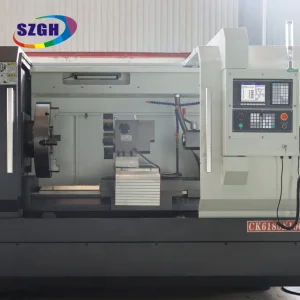
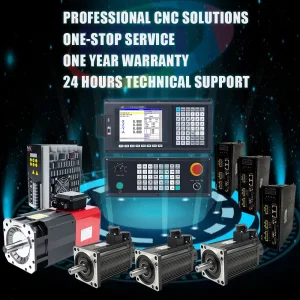
Mold processing requires surface finishes below 0.4 microns Ra. By combining Carto Tool's customizable carbide endmills with state-of-the-art CNC controllers (such as the SZGH and Syntec integration systems), operators can achieve precise, high-feed continuous pocket milling without tool deflection, saving energy and decreasing tool setup times.
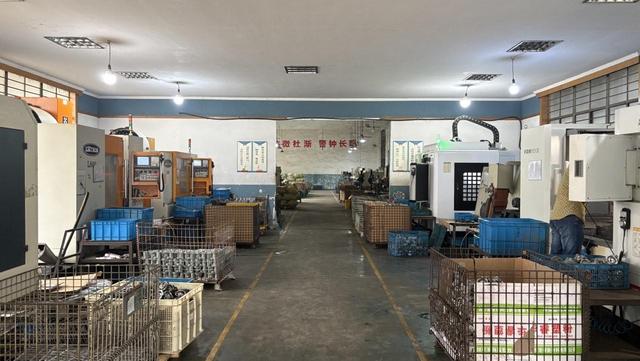
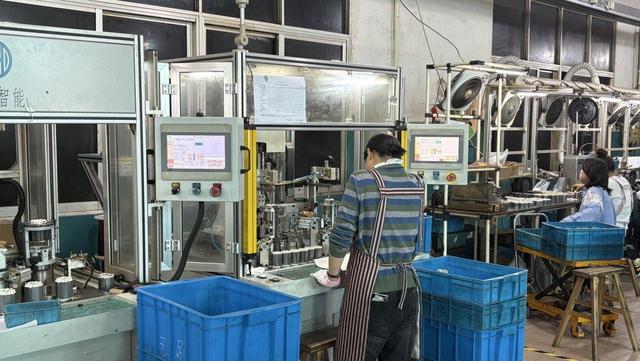
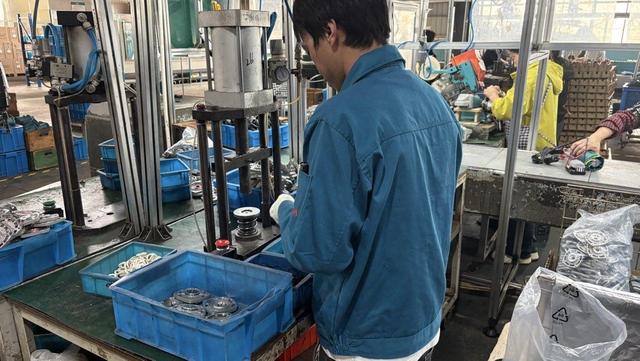
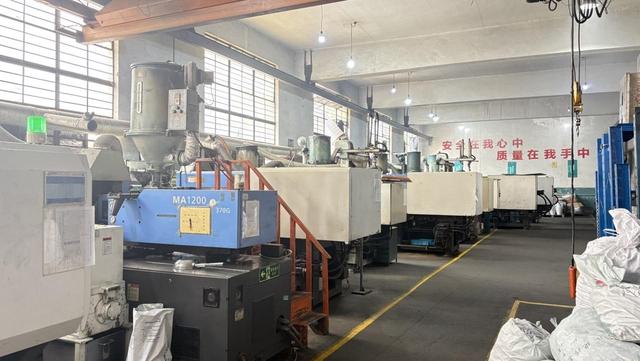
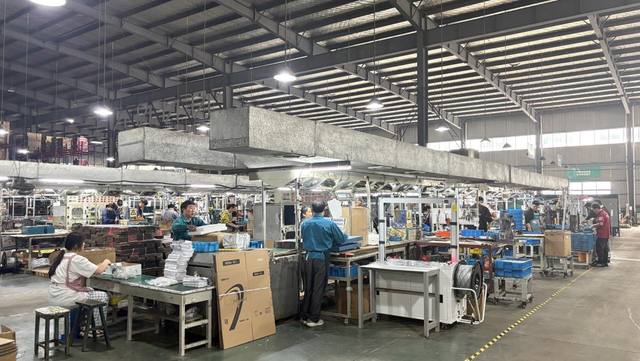
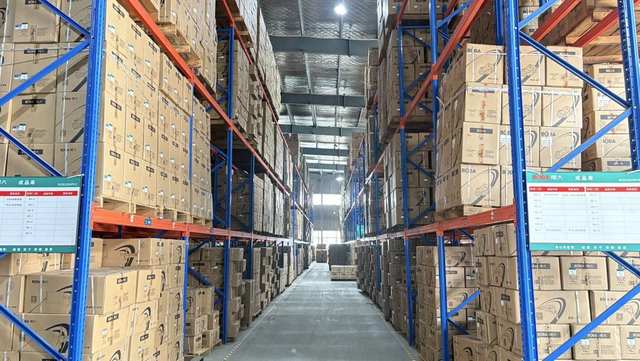
Take an inside look at the Carto Tool industrial manufacturing facility. Our factory utilizes high-precision automated systems, strict testing equipment, and robust chemical vapor deposition chambers to deliver tooling solutions globally.


Expert answers to technical procurement questions regarding carbon footprint reduction, recycled carbide integrity, tool wear patterns, and localized process optimization.
 Carto Tool