Engineered for extreme wear-resistance, maximum metal-removal rates, and micron-level precision across demanding production lines.
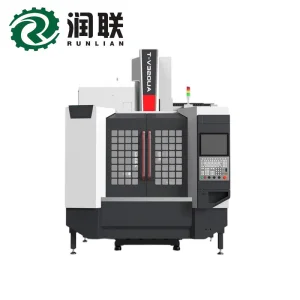
Modern global industrial development is experiencing an unprecedented structural shift. Advanced machining solutions have transitioned from basic mechanical processing to highly integrated cyber-physical manufacturing systems. Across the Americas, Europe, and Asia Pacific, the demand for tight tolerances (sub-micron precision), elevated thermodynamic properties, and high-speed processing capabilities is driving exponential innovation in tooling and cutting systems.
China has solidified its position not only as a high-volume manufacturing powerhouse but as a primary R&D innovator for high-tech machining. Eastern manufacturing zones, particularly clusters in Dongguan, are blending metallurgical research with state-of-the-art CNC grinding pathways to produce tooling lines that challenge traditional European and Japanese supremacy in high-temperature alloys and abrasive carbon fiber composites.
Three core vectors define the modern cutting tool and machining landscape: material science optimization, intelligent control and automation, and hybrid multi-axis subtractive processing.
Understanding how global manufacturing sectors leverage advanced tooling configurations to minimize downtime and maximize yield.
Processing Titanium alloys (Ti-6Al-4V) and Inconel demands high thermal conductivity and sharp cutting geometries. Super-fine micro-grain carbide substrates coupled with high-efficiency five-axis machining centers prevent localized work-hardening, ensuring turbine blades and airframe structures adhere to uncompromising aerospace engineering guidelines.
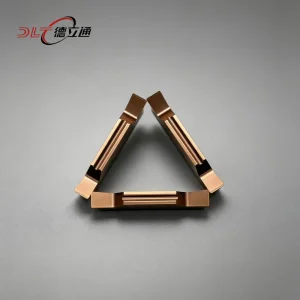
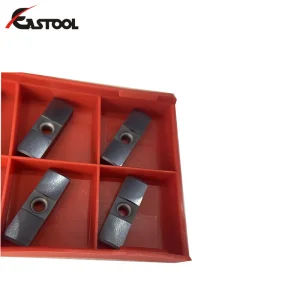
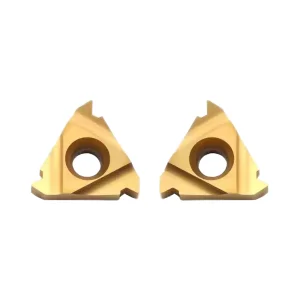
High-volume automotive components demand high material removal rates (MRR) and long, predictable tool life. Carto Tool's indexable inserts and indexable deep hole drilling heads (such as the GP08 system) are engineered for automated transfer lines, minimizing cycle times during engine block and crankshaft production.
Manufacturing injection molds requires hardened tool steel processing (HRC 50+). Multi-flute endmills and indexable carbide milling inserts allow roughing and semi-finishing operations in a single setup, achieving surface finishes of Ra < 0.2 microns to bypass secondary polishing phases.
Development of ultra-fine sub-micron tungsten carbide matrices to enhance structural integrity, ensuring high chip-load capacities without catastrophic edge fracturing.
Deposition of thick, high-adhesion diamond layers for abrasive composites (CFRP/Graphite) alongside PVD AlTiN coatings for thermal isolation when processing dry or with minimal quantity lubrication (MQL).
Deploying digital tool holders capable of wireless vibration, temperature, and deflection data relay to the CNC controller, preventing out-of-tolerance parts during automated production.
A Heritage of Engineering Precision, Wear-Resistant Substrates, and Strategic CNC Tool Innovation.
Dongguan Carto Tool Co., Ltd. is a professional manufacturer specializing in industrial cutting tools, CNC machining tools, milling systems, turning solutions, and precision metal cutting technologies. The company is dedicated to providing high-performance tooling solutions for modern manufacturing industries, including automotive, aerospace, mold processing, machinery production, and general metal fabrication.
Since its establishment, Carto Tool has developed from a small-scale cutting tool workshop into a specialized industrial tooling supplier with integrated R&D, production, and quality control capabilities. In its early stage, the company focused on basic turning and milling tool production for local machining workshops. With the rapid growth of China’s manufacturing sector, Carto Tool expanded its technology base and began developing more advanced CNC-compatible cutting systems to meet higher precision and efficiency requirements.
During its development phase, the company invested in carbide material research, coating technology improvements, and CNC tool geometry optimization. It introduced modern production lines and precision grinding equipment to ensure stable performance and long tool life. At the same time, Carto Tool strengthened its testing systems to improve cutting accuracy, wear resistance, and thermal stability across different machining environments.
Today, Dongguan Carto Tool Co., Ltd. serves global industrial clients with a wide range of cutting tool solutions designed for high-speed, high-precision, and heavy-duty applications. The company continues to focus on innovation in CNC machining efficiency, metal cutting performance, and cost optimization for manufacturers. With a commitment to quality and engineering excellence, Carto Tool aims to become a trusted international supplier in the industrial cutting tools industry, supporting smarter and more efficient global manufacturing systems.
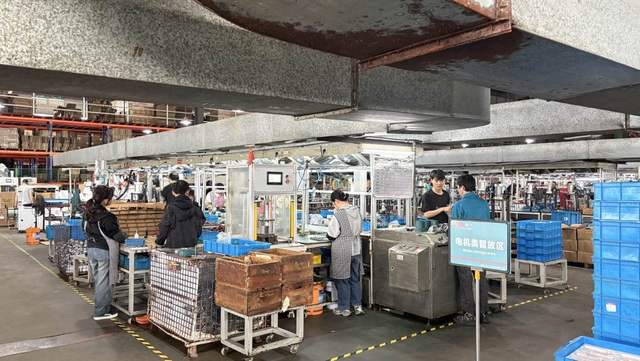
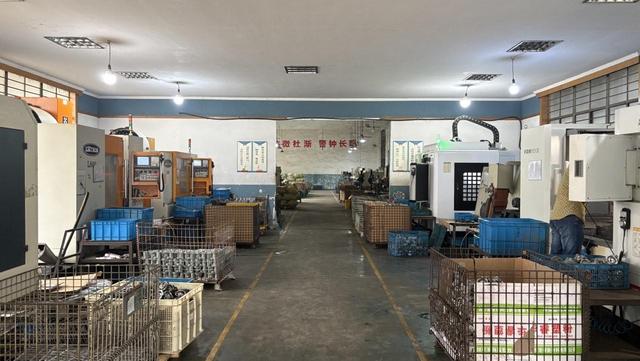
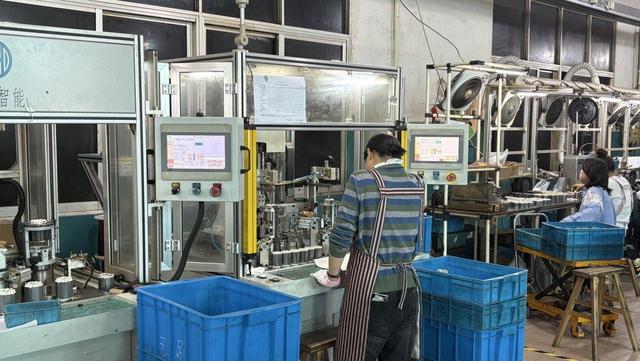
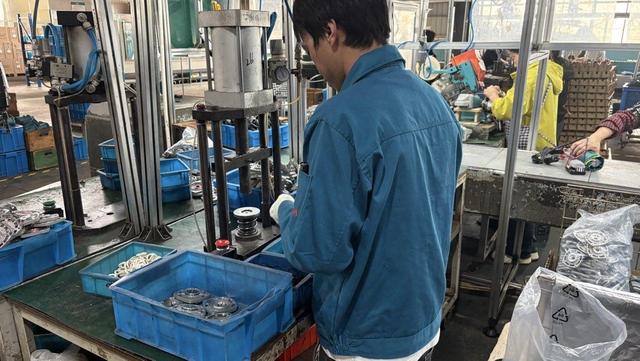
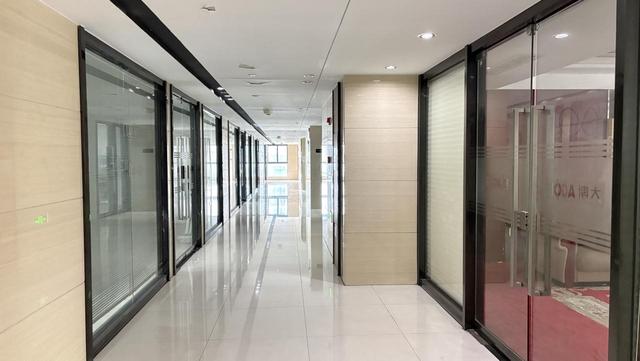
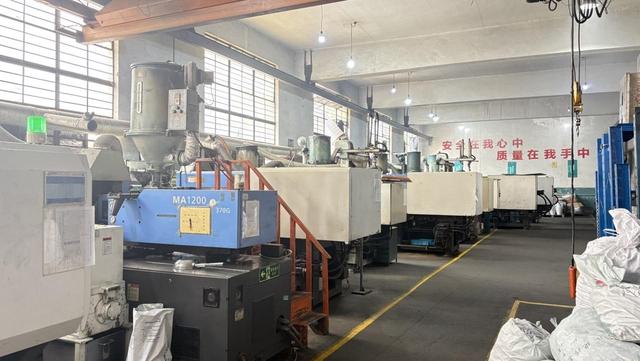
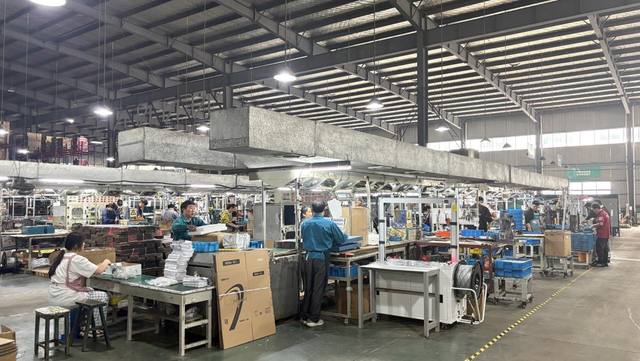
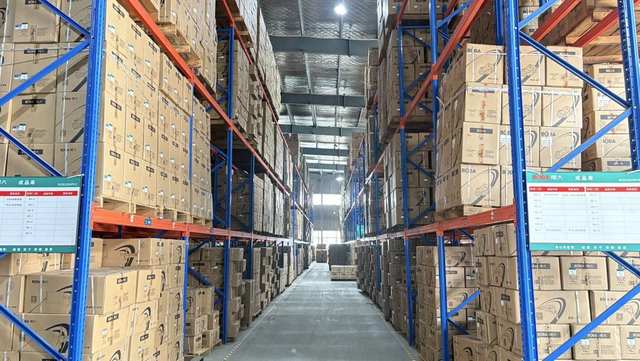
Providing systems engineered to optimize manufacturing overhead and maximize operational efficiency.
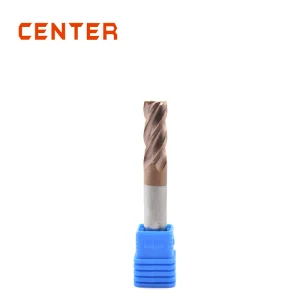
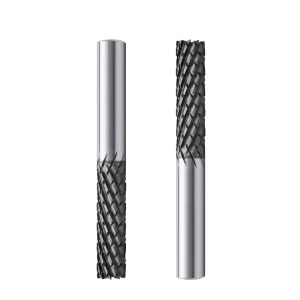
Tailored endmills and drills engineered with micro-grain carbide substrates. Our tool designs incorporate variable helix geometries to break harmonic vibrations during high-feed milling processes. This provides a clean cut and lowers mechanical load on machine tool spindles.
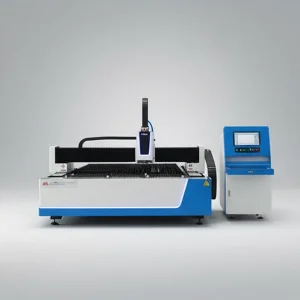
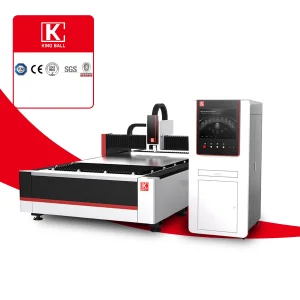
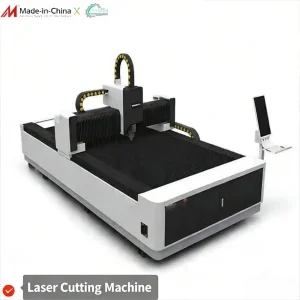
Engineered for high-volume metal processing. Harnessing up to 12kW of localized fiber optic energy, our laser technologies achieve precise kerf control and clean edges on thick mild steel, stainless steel, and aluminum plates, bypassing secondary machining operations.
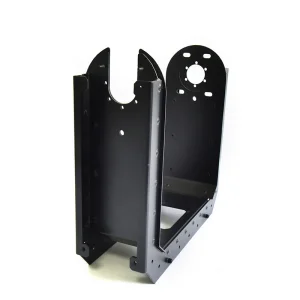
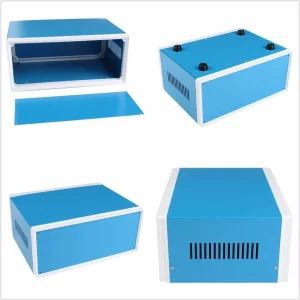
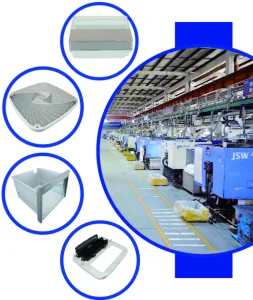
Supporting complex assembly housings, instrument control cabinets, and heavy structural frames. Using a combination of internal CNC press brakes, stamp tooling, and precision die-casting techniques, we deliver turn-key machinery enclosures and industrial packaging systems.
Expert technical insights regarding cutting tool operations, carbide coatings, and machining parameters.
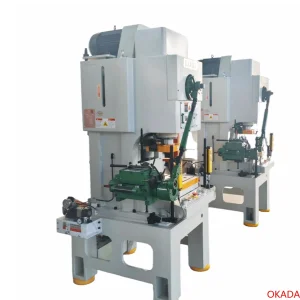
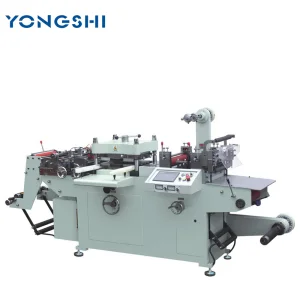
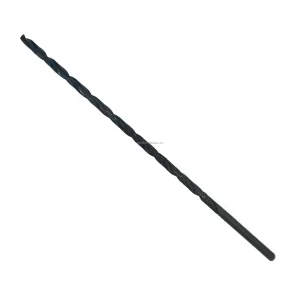
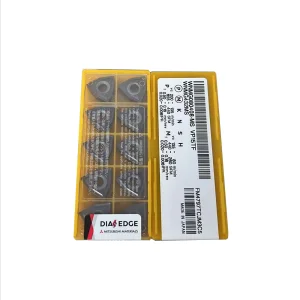
Explore our extended catalog of indexable inserts, high-speed press systems, deep-reach drill bits, and injection tooling.
 Carto Tool