In modern industrial fabrication, the intersection of CNC subtractive manufacturing and laser-based processing represents the pinnacle of material styling. Over the past decade, high-power fiber lasers and complex CNC tooling geometries have merged. This convergence provides global manufacturers with unmatched throughput speeds and tight micro-tolerances. Modern laser cutting tool systems are not standalone units; they are deeply integrated, closed-loop thermal-mechanical processing cells. These systems continuously optimize parameters in real time to accommodate material variations.
Modern ultra-fast fiber laser systems employ sub-picosecond pulse profiles to vaporize metals without transferring residual heat, achieving dross-free edges on high-tensile components.
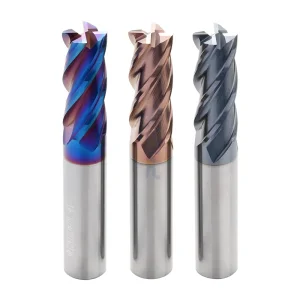
Integrating chemical and physical vapor deposition (CVD/PVD) coatings onto carbide substrate tooling has elevated the durability barrier. High thermal-resistance coatings like TiAlN and Diamond-Like Carbon (DLC) are now standard.
Real-time optical diagnostics and adaptive tool-path compensation algorithms allow automated machinery to regulate pressure, feed, and beam focal length, minimizing operator error.
This evolving landscape has changed global sourcing paradigms. Procuring companies no longer seek standard catalog components. Instead, they demand highly customized OEM/ODM industrial partnerships capable of developing bespoke tool geometries, tailored carbide formulations, and specialized thermal management configurations. These systems must fit seamlessly into existing heavy-machinery layouts, requiring engineering consultation from prototype through to mass production.
Procurement directors in the automotive, aerospace, and advanced medical equipment sectors prioritize four main pillars when evaluating cutting tool factories: Material Verification, Geometric Tolerance Repeatability, Logistics Resilience, and TCO (Total Cost of Ownership) Optimization. Standardizing purchase orders with generic specifications is no longer sufficient when working with high-strength alloys, custom plastics, or composite fibers.
The purchase price of an industrial cutter represents less than 20% of its total cost impact. The true drivers of expense are machine downtime, re-grinding cycles, part reject rates, and energy draw. Partnering with a supplier that offers precision-engineered custom tooling reduces lifecycle costs, even if the initial unit cost is higher.
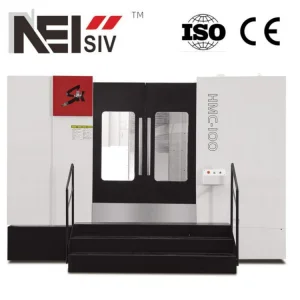
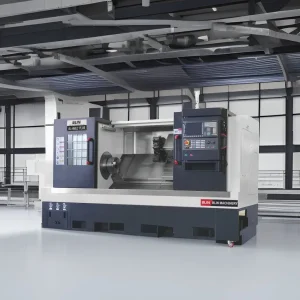
Establishing secure technical links between purchasing units and factory engineers is essential. OEM and ODM partners must provide validation reports, runout checks, metallurgy certificates, and test cycles under simulated loads. Selecting factories equipped with multi-axis CNC grinding machines (like Walter or Anca) alongside advanced inspection equipment (like Zoller) guarantees that the tool geometry will match the design file exactly.
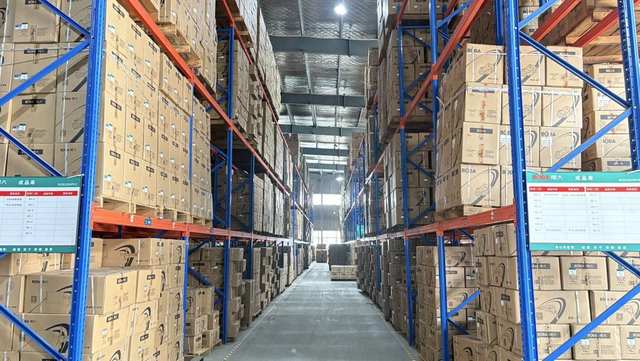
In the face of volatile macroeconomic landscapes and changing trade policies, the resilience of the supply chain is a critical competitive factor. Dongguan, China remains a leading hub for industrial manufacturing. This position is supported by a deep pool of local components, raw materials, thermal processing plants, and international freight networks. This proximity allows for rapid execution of tooling revisions—shortening typical engineering lead times from months to weeks.
Dongguan Carto Tool Co., Ltd. has integrated this regional advantage with digital Factory 4.0 practices. By connecting manufacturing management software directly with raw material suppliers, we monitor tungsten ore quality and tool coating status in real time. This integration prevents production delays and ensures reliable delivery times for our global partners.
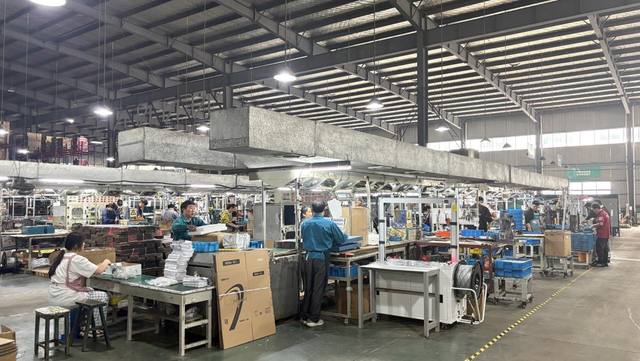
Additionally, manufacturing automation has reshaped the labor model. Robotic loaders run around the clock, while optical inspection systems verify every cutting edge. This approach keeps production costs competitive and ensures consistent quality, regardless of batch size.
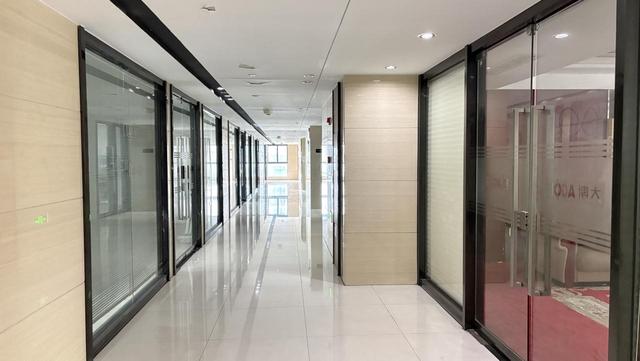
Dongguan Carto Tool Co., Ltd. is a professional manufacturer specializing in industrial cutting tools, CNC machining tools, milling systems, turning solutions, and precision metal cutting technologies. The company is dedicated to providing high-performance tooling solutions for modern manufacturing industries, including automotive, aerospace, mold processing, machinery production, and general metal fabrication.
Since its establishment, Carto Tool has developed from a small-scale cutting tool workshop into a specialized industrial tooling supplier with integrated R&D, production, and quality control capabilities. In its early stage, the company focused on basic turning and milling tool production for local machining workshops. With the rapid growth of China’s manufacturing sector, Carto Tool expanded its technology base and began developing more advanced CNC-compatible cutting systems to meet higher precision and efficiency requirements.
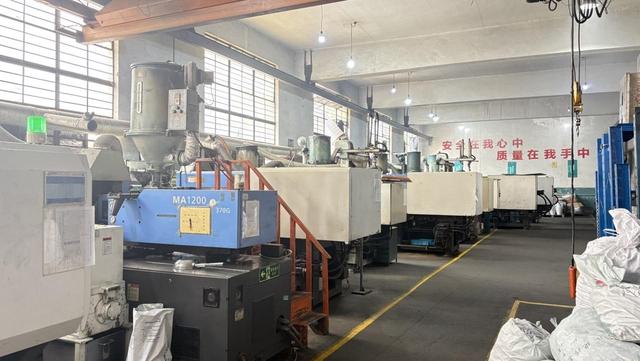
During its development phase, the company invested in carbide material research, coating technology improvements, and CNC tool geometry optimization. It introduced modern production lines and precision grinding equipment to ensure stable performance and long tool life. At the same time, Carto Tool strengthened its testing systems to improve cutting accuracy, wear resistance, and thermal stability across different machining environments.
Today, Dongguan Carto Tool Co., Ltd. serves global industrial clients with a wide range of cutting tool solutions designed for high-speed, high-precision, and heavy-duty applications. The company continues to focus on innovation in CNC machining efficiency, metal cutting performance, and cost optimization for manufacturers. With a commitment to quality and engineering excellence, Carto Tool aims to become a trusted international supplier in the industrial cutting tools industry, supporting smarter and more efficient global manufacturing systems.
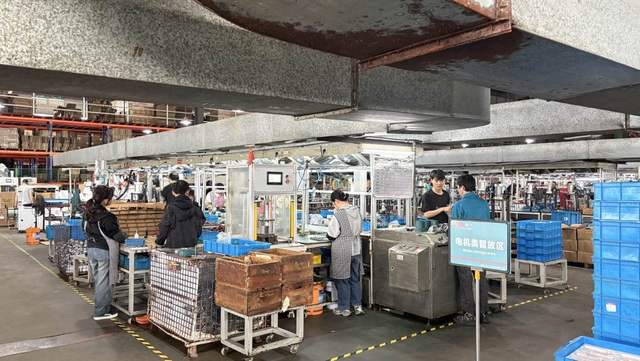
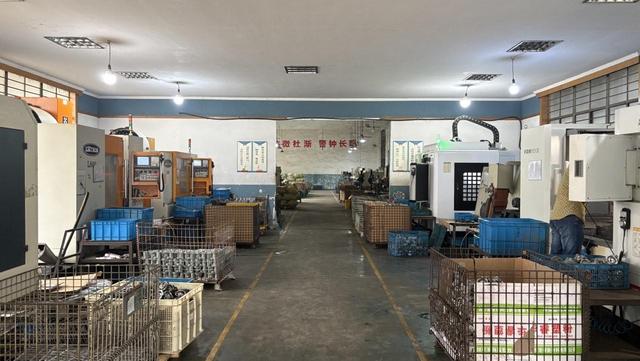
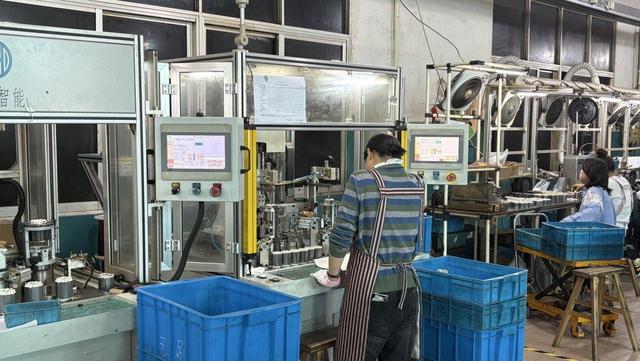
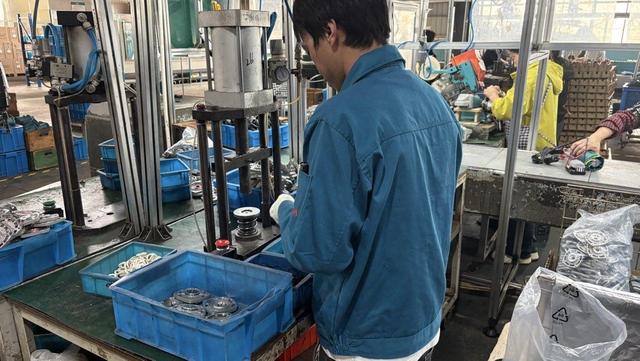
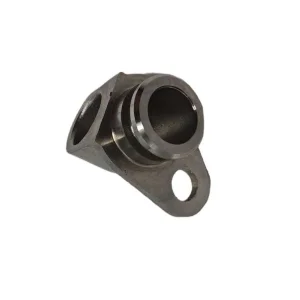
Machining engine blocks, crankcases, and transmission housings requires tools that retain their edge at high temperatures. Our customized carbide cutting bits maintain precise tolerances across extended production runs.
Milling titanium and nickel-based superalloys generates high heat. Our optimized geometries and specialized PVD coatings protect the tool and ensure surface integrity for aerospace components.
Micro-tooling for electronics and communication systems demands extreme precision. Carto Tool's fine-grain endmills and miniature rotary blades deliver clean cuts in multilayered glass-reinforced epoxies.
 Carto Tool