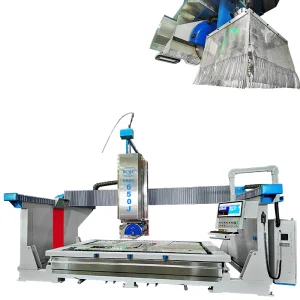
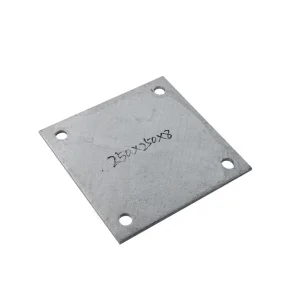
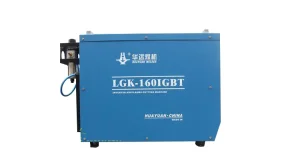
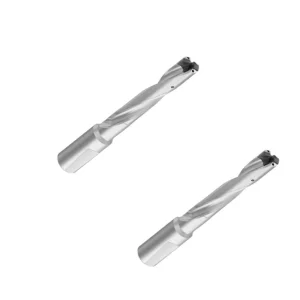
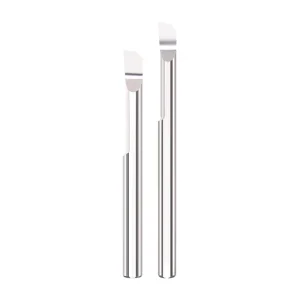
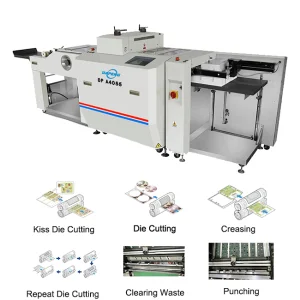
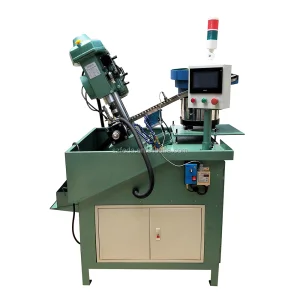
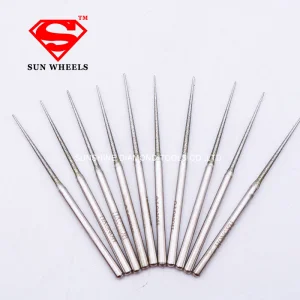
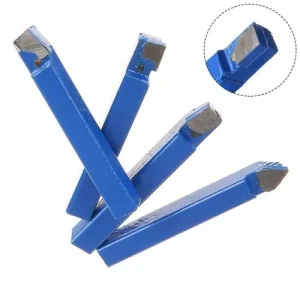
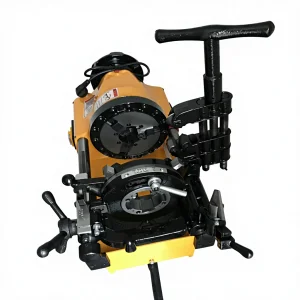
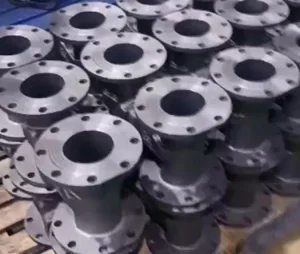
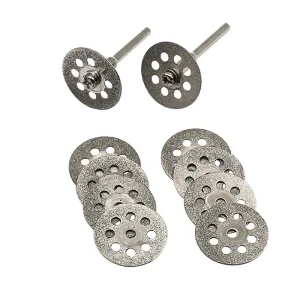
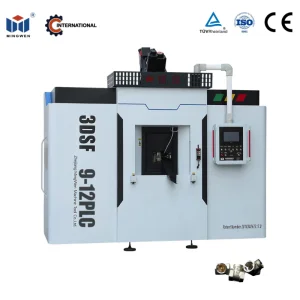
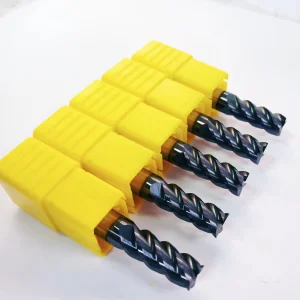
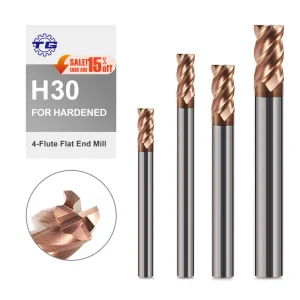
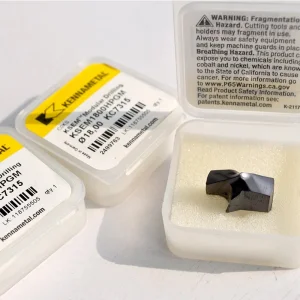
Explore our premium machinery components, structural mounting plates, and high-performance custom cutting units designed for robust industrial operations.
In high-speed CNC cutting and metal fabrication, tool degradation is an inevitable physical reality. Tool wear directly affects dimensional accuracy, surface roughness, and overall structural integrity of machined components. Wear Analysis Tools serve as the diagnostic foundation of modern manufacturing, enabling engineers to measure flank wear (Vb), crater wear, thermal cracking, and plastic deformation at micro-level resolutions.
By employing custom OEM wear analysis solutions, global operations transition from reactive tooling replacement to proactive, predictive maintenance. Understanding whether tool failure is driven by adhesive wear, abrasive attrition, or chemical diffusion allows manufacturers to customize carbide substrate formulations, refine coating materials (such as TiAlSiN, TiCN, or CVD Diamond), and optimize feed rate dynamics. This reduces unscheduled downtime and saves thousands of dollars in wasted materials.
Dongguan Carto Tool Co., Ltd.: Pioneering Advanced Tooling Solutions & Diagnostic Integration
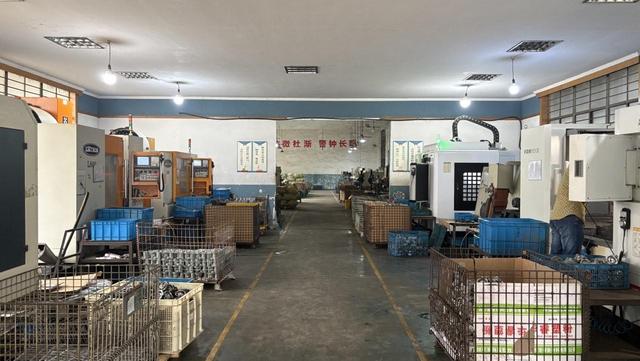
Dongguan Carto Tool Co., Ltd. is a professional manufacturer specializing in industrial cutting tools, CNC machining tools, milling systems, turning solutions, and precision metal cutting technologies. The company is dedicated to providing high-performance tooling solutions for modern manufacturing industries, including automotive, aerospace, mold processing, machinery production, and general metal fabrication.
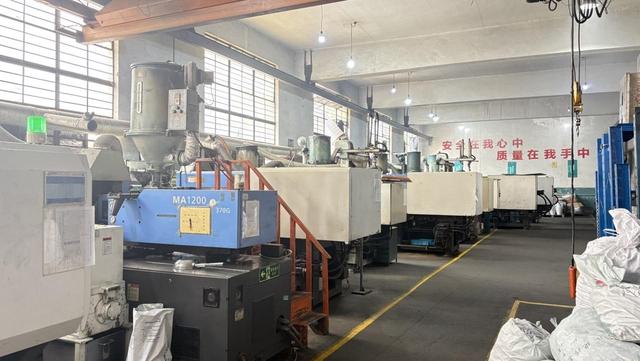
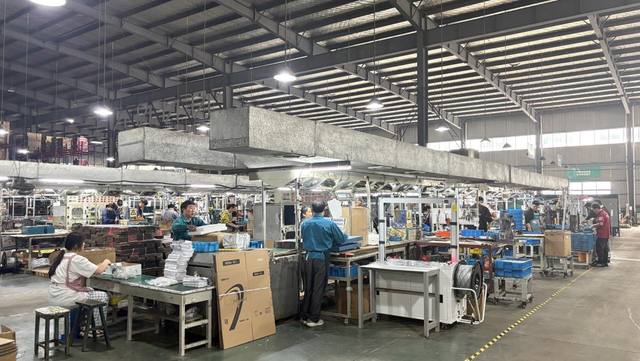
Since its establishment, Carto Tool has developed from a small-scale cutting tool workshop into a specialized industrial tooling supplier with integrated R&D, production, and quality control capabilities. In its early stage, the company focused on basic turning and milling tool production for local machining workshops. With the rapid growth of China’s manufacturing sector, Carto Tool expanded its technology base and began developing more advanced CNC-compatible cutting systems to meet higher precision and efficiency requirements.
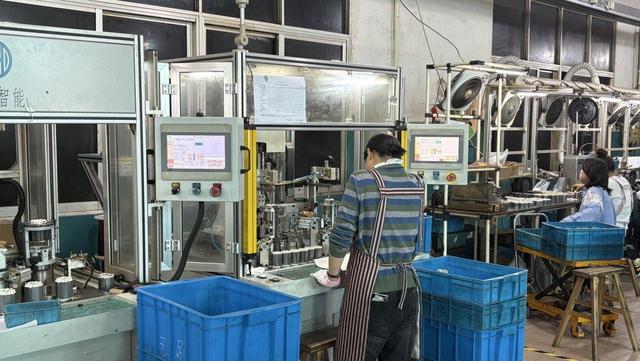
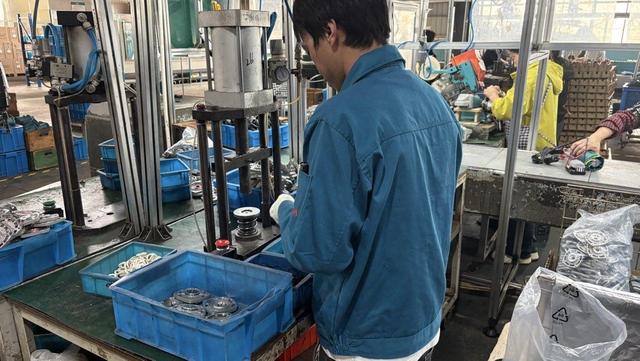
During its development phase, the company invested in carbide material research, coating technology improvements, and CNC tool geometry optimization. It introduced modern production lines and precision grinding equipment to ensure stable performance and long tool life. At the same time, Carto Tool strengthened its testing systems to improve cutting accuracy, wear resistance, and thermal stability across different machining environments.
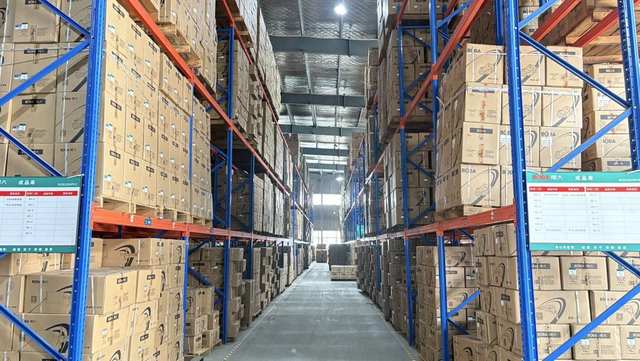
Today, Dongguan Carto Tool Co., Ltd. serves global industrial clients with a wide range of cutting tool solutions designed for high-speed, high-precision, and heavy-duty applications. The company continues to focus on innovation in CNC machining efficiency, metal cutting performance, and cost optimization for manufacturers. With a commitment to quality and engineering excellence, Carto Tool aims to become a trusted international supplier in the industrial cutting tools industry, supporting smarter and more efficient global manufacturing systems.

Why Leading Global Enterprises Choose Chinese OEM Exporters for Advanced Metrology Equipment
Situated in Dongguan, the heart of advanced hardware manufacturing, our production ecosystems guarantee rapid access to superhard raw materials, ultra-precision sensors, and advanced optics, shortening lead times from design to delivery.
Chinese OEM suppliers offer state-of-the-art optical components, including multi-spectral CMOS sensors and telecentric lenses. This allows for high-precision profile scans of wear scars and tool geometries at competitive cost points.
From custom software interfaces analyzing specific parameters like ISO 3685:1993 tool wear to tailored mechanical fixtures for integration into production lines, our services meet high global industrial criteria.
How Edge AI, Deep Learning, and In-Situ Metrology are Shaping the Next Era of Tool Diagnostics
The industry is transitioning away from post-process off-line inspections. Modern CNC centers feature built-in optoelectronic cameras and acoustic emission sensors that evaluate tool wear in real time during the machining cycle.
Standard profile measurements are being replaced by CNNs (Convolutional Neural Networks). These networks automatically segment and classify flank wear, notch wear, and thermal cracks, reducing operator bias and human error.
By syncing physical wear data with structural digital twins, systems can forecast tool collapse scenarios. This matches tooling lifetime with scheduled machine stops for optimal production planning.
Providing custom OEM solutions to address critical wear challenges across various high-value industries
Machining superalloys such as Inconel 718 and Titanium (Ti-6Al-4V) results in intense localized heat generation, accelerating notch wear and chemical diffusion. Our custom wear analysis tools offer high-magnification multi-angle inspections that monitor cutting edge degradation, helping avoid catastrophic tool breakage and ensuring structural aerospace parts remain within specification.
High-volume automotive production lines require consistent tool performance. A fraction of a millimeter of tool wear can cause cylinder block rejections. We supply custom OEM in-line tool setters and wear profiling software that seamlessly integrate with standard CNC controllers, adjusting machining compensation offsets on the fly.
Finishing hardened tool steel (HRC 55-65) requires micro-endmills to run continuously for hours. Subtle flank wear increases cutting forces, leading to poor surface finishes. Our wear analysis stations feature rapid optical scans that identify micron-level chipping, ensuring surface quality is maintained before polishing phases begin.
For R&D institutes studying wear behaviors of novel coating materials (like AlTiSiN or CVD diamond), we customize wear analysis software to calculate material loss volume, generate 3D topography maps, and export raw analytical data in standard open formats.
| Application Area | Primary Wear Mechanism | Recommended Analysis Metric | OEM Diagnostic Tool Solution |
|---|---|---|---|
| Aerospace Milling | Notch Wear, Micro-chipping | Edge profile distortion, rake face roughness | 3D Digital Microscope with Auto-segmentation |
| Automotive Boring | Flank wear, plastic deformation | Flank wear land width (VB max) | In-line Telecentric Camera with CNC Feedback |
| Heavy Plate Cutting | Abrasive wear, thermal fatigue | Thermal crack density, volume loss rate | High-speed Multi-wavelength Laser Profilometer |
| Hardened Die Milling | Adhesive wear, coating peeling | Delamination surface area, crater depth | Confocal Microscope with Auto-color mapping |
Crucial considerations for procurement managers seeking stable, high-precision export partners
Procuring wear analysis systems on an OEM basis requires thorough vetting of supplier competencies. Unlike standard hardware components, metrology instruments demand high thermal stability, optical alignment, and software compatibility. Global sourcing managers should evaluate candidates based on the following key metrics:
Ensure that the exporter's metrology equipment is calibrated to traceable international standards, such as ISO/IEC 17025. This ensures measurement reproducibility across factories located in different countries.
An effective wear analysis system must communicate with existing manufacturing execution systems (MES) and ERPs. Exporters should offer comprehensive APIs, SDKs, or support for MTConnect protocols.
Factory floor environments are demanding, with vibrations, oil mist, and varying temperatures. Tooling housings must be IP65-rated, and optical components must feature thermal drift compensation.
Expert insights into selecting, deploying, and optimizing tooling metrology assets
Our complete collection of high-accuracy indexable milling cutters, lathe turning toolkits, and precision grinding wheels designed to support stable tool life.
 Carto Tool