Empowering Global Advanced Manufacturing with Additive Manufacturing (AM) Powered Cutting Solutions, Integrated Conformal Cooling, and Custom OEM/ODM Capabilities.
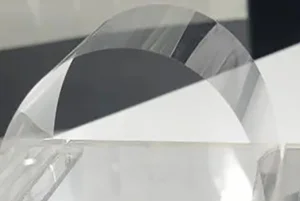
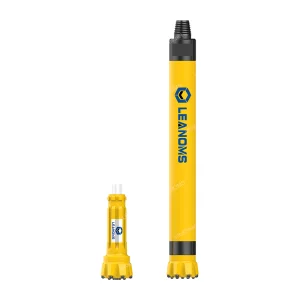
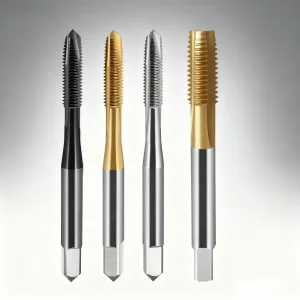
In the modern era of high-precision CNC machining, aerospace engineering, automotive design, and mold production, the physical constraints of conventional tool fabrication have reached their technical limits. Traditional subtractive processes, such as milling and grinding of tool steel bodies, limit geometry design, especially regarding internal coolant pathways and weight distribution. Enter 3D Printed Cutting Tools: a paradigm shift in manufacturing engineering that merges additive manufacturing (AM) with advanced metallurgical finishing processes.
By utilizing Laser Powder Bed Fusion (L-PBF) and Selective Laser Melting (SLM), manufacturers can now design and manufacture monolithic cutting tool bodies with optimized mass density, specialized lattice internal dampening systems, and complex conformal cooling channels. These geometries are completely impossible to drill or mill using standard subtractive machinery. The integration of 3D printing in industrial tooling provides unmatched material configurations, extending cutter tool life, reducing thermal degradation, and lowering spindle stress in high-efficiency milling processes.
Dongguan Carto Tool Co., Ltd. is a professional manufacturer specializing in industrial cutting tools, CNC machining tools, milling systems, turning solutions, and precision metal cutting technologies. The company is dedicated to providing high-performance tooling solutions for modern manufacturing industries, including automotive, aerospace, mold processing, machinery production, and general metal fabrication.
Since its establishment, Carto Tool has developed from a small-scale cutting tool workshop into a specialized industrial tooling supplier with integrated R&D, production, and quality control capabilities. In its early stage, the company focused on basic turning and milling tool production for local machining workshops. With the rapid growth of China’s manufacturing sector, Carto Tool expanded its technology base and began developing more advanced CNC-compatible cutting systems to meet higher precision and efficiency requirements.
During its development phase, the company invested in carbide material research, coating technology improvements, and CNC tool geometry optimization. It introduced modern production lines and precision grinding equipment to ensure stable performance and long tool life. At the same time, Carto Tool strengthened its testing systems to improve cutting accuracy, wear resistance, and thermal stability across different machining environments.
Today, Dongguan Carto Tool Co., Ltd. serves global industrial clients with a wide range of cutting tool solutions designed for high-speed, high-precision, and heavy-duty applications. The company continues to focus on innovation in CNC machining efficiency, metal cutting performance, and cost optimization for manufacturers. With a commitment to quality and engineering excellence, Carto Tool aims to become a trusted international supplier in the industrial cutting tools industry, supporting smarter and more efficient global manufacturing systems.
Unlike straight drilled coolant holes, 3D printing enables fluid channels to follow the curvature of the cutting flute perfectly, directing coolant flow directly to the shear zone and reducing temperature gradients by up to 40%.
By placing material only where structural stress is concentrated, we can reduce overall tool body mass by up to 50%. This lower inertia translates directly to reduced spindle wear and faster acceleration/deceleration cycles.
Integrating internal lattice or hollow structural cavities filled with vibration-absorbing composite particles inside the tool shank. This design suppresses chatter and improves workpiece surface finish quality (Ra values).
Combining heavy-duty maraging steels or H13 tool steel bodies via 3D printing, finished with high-density tungsten carbide indexable inserts, providing the optimal blend of toughness and extreme wear resistance.
Our OEM/ODM engineering division works strictly to standard industrial compliance matrices. The parameters below illustrate typical ranges achieved in our 3D-printed tool bodies and hybrid end mill configurations.
| Parameter Designation | Conventional CNC Tooling | 3D Printed / Hybrid Tooling | Resulting Performance Index |
|---|---|---|---|
| Coolant Duct Pathway Geometry | Straight lines only (mechanically drilled) | Helical, conformal, curved & split designs | +150% Coolant Volume Delivery to Tip |
| Tool Holder Mass Reduction | 0% (Standard solid body) | 30% to 55% reduction via internal lattices | Reduced Spindle Wear, Lower Inertia |
| Material Grade Profile | Solid Tool Steel / Tungsten Carbide | Maraging Steel / Titanium alloy matrix | Enhanced structural toughness & vibration decay |
| Thermal Cycle Dissipation | Limited to surface radiation | Accelerated internal convective heat transfer | Reduction of micro-cracking in dry runs |
| Tailored Internal Damping | None (Standard vibration propagation) | Selective polymer-filled inner structural voids | Up to 6dB Reduction in Harmonic Chatter |
Procurement patterns within tier-1 aerospace and automotive supply chains show a clear shift toward high-performance tooling systems that deliver lower Total Cost of Ownership (TCO). Procurement managers are no longer looking simply at the sticker price of a milling cutter; they analyze tool life, machining cycle times, machine downtime, and tool refurbishability.
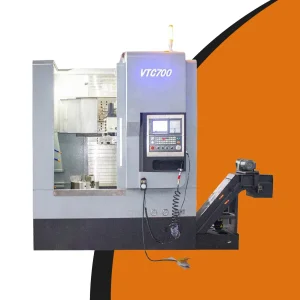
In high-volume markets across North America, Europe, and Asia-Pacific, procurement mandates call for tooling components that reduce standard cycle times while guaranteeing repeatable tolerances. By incorporating conformal-cooled 3D printed cutters, automotive manufacturers machining complex aluminum alloy wheel hubs (using setups like the *Vtc700 CNC Vertical Lathe Machine*) can cut tool swap frequencies in half. Furthermore, the localized support provided by a modern engineering manufacturer guarantees short lead times for replacement inserts and custom custom body configurations.
The next step in additively manufactured tooling lies in Multi-Material Metal Printing. This method prints high-toughness steel for the structural core of the tool holder while depositing cobalt-rich carbide compounds at the cutting tip. This approach eliminates the transition interface between carbide inserts and steel shanks, creating true monolithic hybrid structures.
Additionally, embedded IoT sensor technologies will play a key role. By printing micro-cavities directly inside the tool holder body, we can integrate wireless thermal sensors and strain gauges. This enables real-time monitoring of vibration, temperature, and wear, feed directly to the CNC machine's controller for active adaptive control.
A: Through hot isostatic pressing (HIP) and vacuum heat treatments, the microstructural density of printed maraging steel or H13 tool steel bodies exceeds 99.9%. Tensile strength and impact toughness match or exceed conventional wrought materials while offering the advantage of optimized internal geometries.
A: Conformal cooling channels trace the spiral flutes of drills or milling cutters. This delivers pressurized coolant directly to the primary cutting edge. This design lowers thermal stress, reduces chip clogging, and permits up to 30% higher cutting speeds (SFM) without accelerating tool wear.
A: Yes, because the cutting edges are indexable carbide inserts or brazed solid tips. The printed steel body remains fully reusable. If the structural body sustains wear, it can be re-machined, re-coated, or refurbished, extending the service life of the tool holder.
A: We primarily utilize high-performance tooling alloys including Maraging Steel (1.2709), H13 Tool Steel (1.2344), and Titanium Ti6Al4V. These materials are chosen for their excellent fatigue limits, thermal conductivity, and resistance to heat treatment distortion.
A: The design-to-prototype cycle takes between 10 to 15 working days. This includes finite element analysis (FEA) simulations of structural load and fluid dynamics, followed by print execution, thermal treatment, precision grinding, and quality verification.
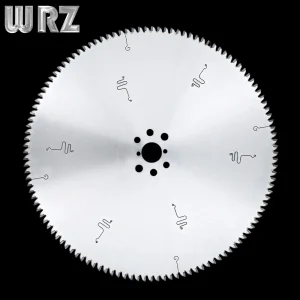
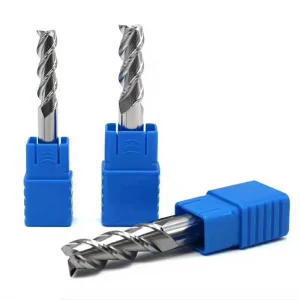
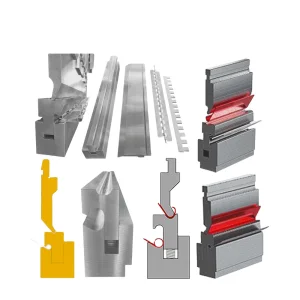
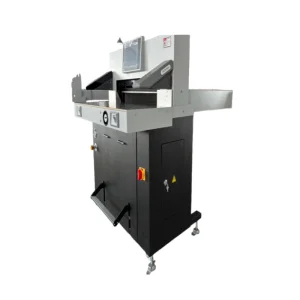
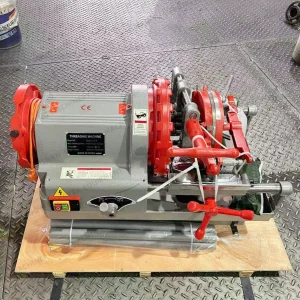
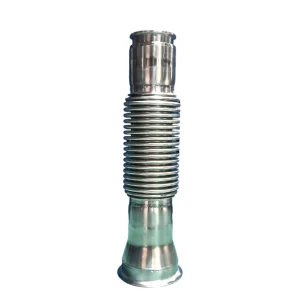
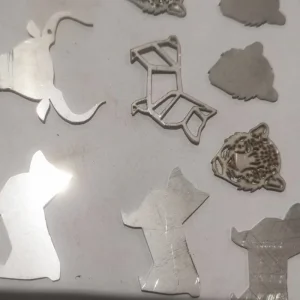
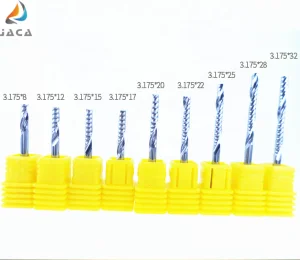
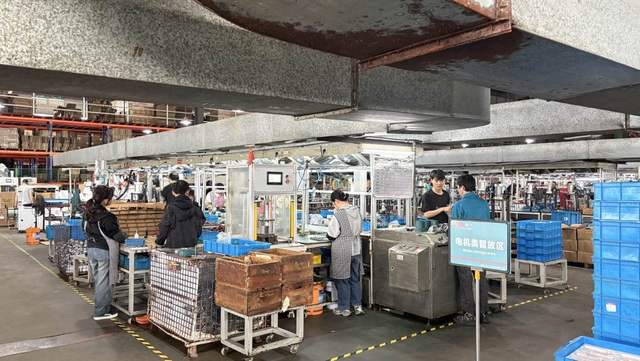
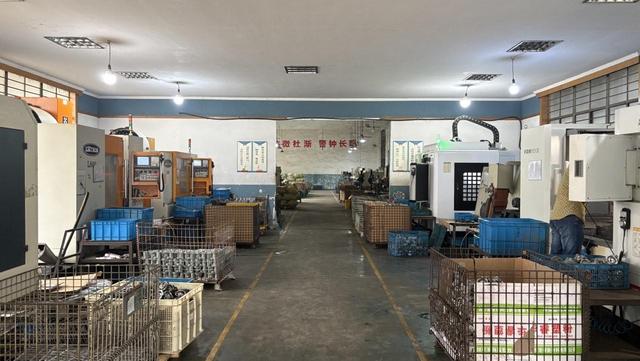
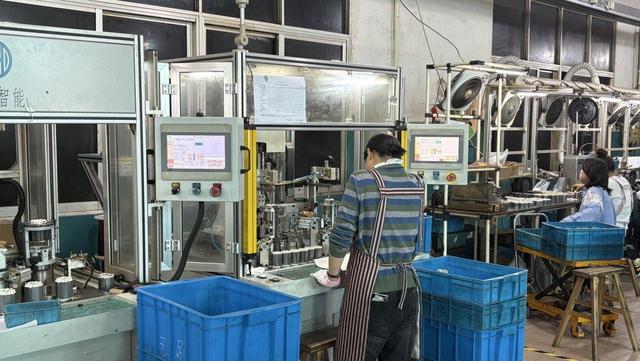
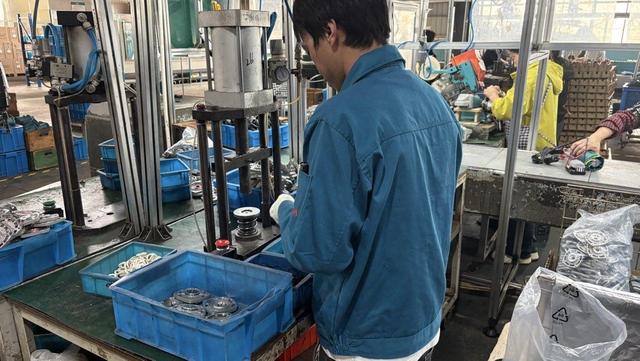
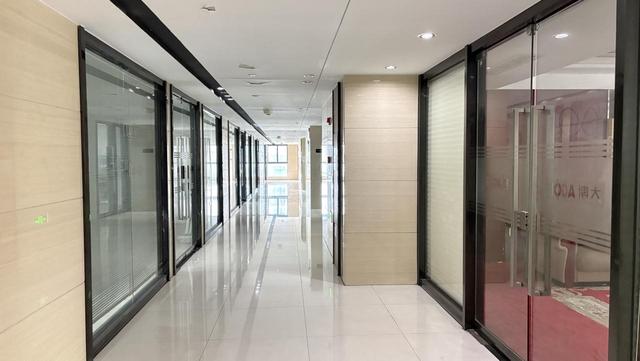
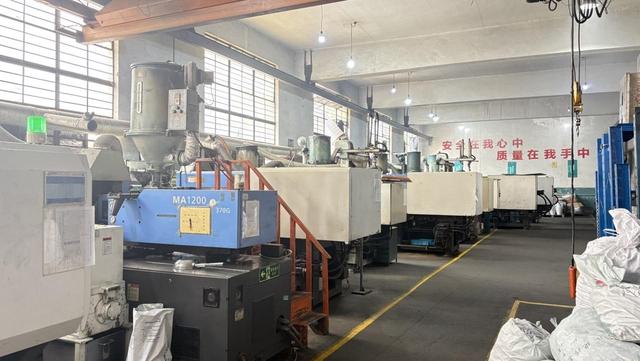
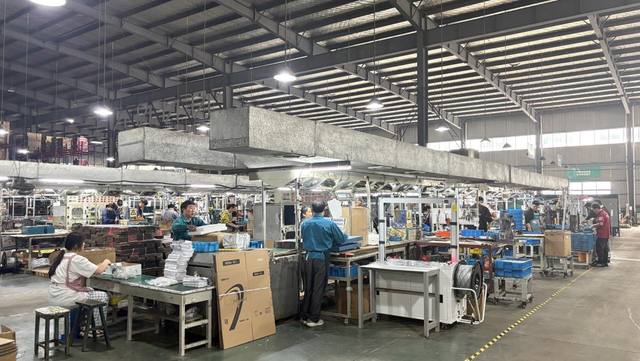
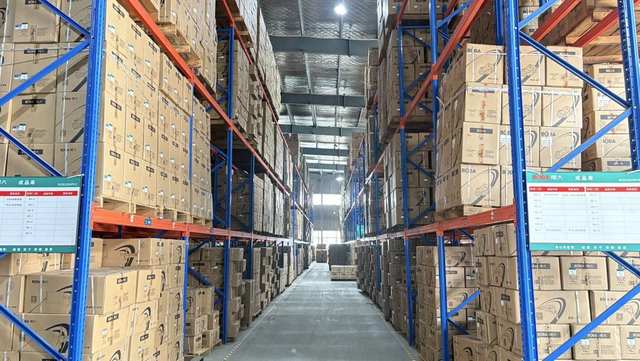
To ensure high-precision tolerances and mechanical durability across all custom orders, our manufacturing facility uses state-of-the-art multi-axis CNC grinders, premium sintering systems, and advanced testing setups.
 Carto Tool