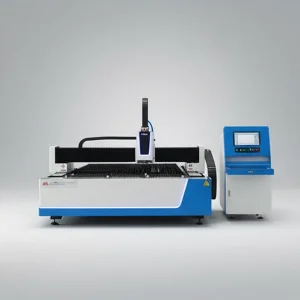
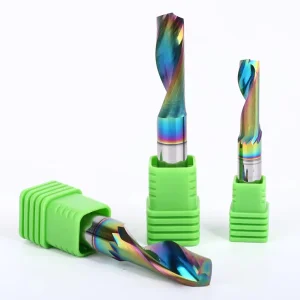
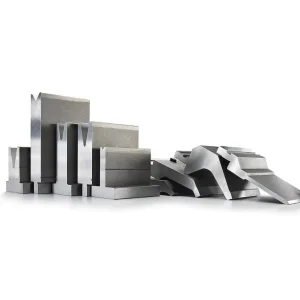
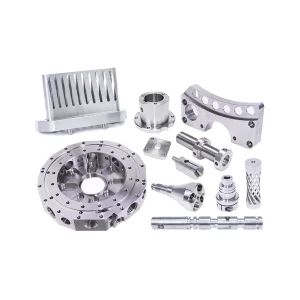
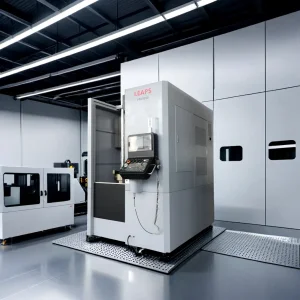
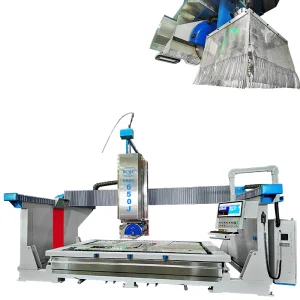
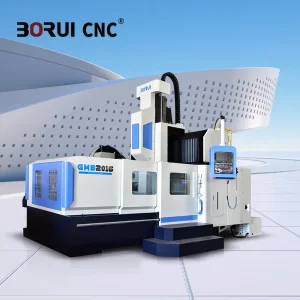
Explore our top-tier precision tools and automatic integration solutions engineered to optimize cycle times, reduce labor dependency, and elevate machining tolerances.
Modern production facilities demand uninterrupted processing. An Automated Tool Change (ATC) system is the crucial sub-assembly that moves a machining center from manual configuration to lights-out operation. By seamlessly transitioning between drilling, milling, boring, and tapping interfaces, ATCs minimize non-cutting time and drastically increase machine utilization metrics.
Traditional manufacturing environments faced consistent productivity bottlenecks. Machinists had to stop operations, release the spindle collet, insert a new tool, and recalibrate the Z-axis offset manually. The emergence of reliable automated changers—driven by pneumatic actuation, mechanical cam mechanisms, or servo-electric motors—reduced changeover times from minutes to fractions of a second.
To implement a world-class ATC, engineers focus heavily on the connection interface. The industry standard encompasses BT, HSK, and CAT spindle interfaces. HSK (Hohl-Schaft-Kegel) configurations have gained prominent market share in high-speed applications because their dual-contact design expansion locks the toolholder more securely under high centrifugal forces, ensuring micron-level repetition accuracy.
China's manufacturing ecosystem has transitioned from high-volume production to precision-engineered mechatronics and tooling technology.
Leading Chinese factories invest heavily in advanced carbide materials research, high-density alloy castings, and physical/chemical vapor deposition (PVD/CVD) coatings. This creates toolholder systems with unparalleled resistance to heat deformities during continuous cycles.
Through robust supply chain integration, Chinese factories provide automated tool change assemblies at a highly competitive price point. Global buyers achieve up to a 40% reduction in capital expenditure without compromising on durability or dimensional accuracy.
Whether you require specific mechanical interfaces, specialized carousel magazines, or dual-arm grippers for narrow work envelopes, OEM/ODM specialists in China adapt quickly, delivering tailormade solutions faster than western counterparts.
From automotive assembly lines to high-speed aerospace component milling, optimized tool changing reduces process redundancies.
High-volume milling and drilling of engine blocks, cylinder heads, and transmission housings. ATC units ensure rapid transitions between heavy roughing and ultra-precise finishing operations.
Machining expansive aluminum wing spars or titanium turbofan blades. Demands heavy-duty tool retention and zero tolerance for runout error, achieved via premium HSK-A100 tool configurations.
Extended processing runs where tools wear rapidly. Automated magazines allow tool wear sensors to automatically flag replacements and index identical sister tools, avoiding production delays.
Ultra-speed CNC machining center integration for aluminum smartphone chassis and laptop frames. Spindles run at 24,000+ RPM and require light, balanced, and rapid arm-type ATC mechanisms.
Dongguan Carto Tool Co., Ltd. is a professional manufacturer specializing in industrial cutting tools, CNC machining tools, milling systems, turning solutions, and precision metal cutting technologies. The company is dedicated to providing high-performance tooling solutions for modern manufacturing industries, including automotive, aerospace, mold processing, machinery production, and general metal fabrication.
Since its establishment, Carto Tool has developed from a small-scale cutting tool workshop into a specialized industrial tooling supplier with integrated R&D, production, and quality control capabilities. In its early stage, the company focused on basic turning and milling tool production for local machining workshops. With the rapid growth of China’s manufacturing sector, Carto Tool expanded its technology base and began developing more advanced CNC-compatible cutting systems to meet higher precision and efficiency requirements.
During its development phase, the company invested in carbide material research, coating technology improvements, and CNC tool geometry optimization. It introduced modern production lines and precision grinding equipment to ensure stable performance and long tool life. At the same time, Carto Tool strengthened its testing systems to improve cutting accuracy, wear resistance, and thermal stability across different machining environments.
Today, Dongguan Carto Tool Co., Ltd. serves global industrial clients with a wide range of cutting tool solutions designed for high-speed, high-precision, and heavy-duty applications. The company continues to focus on innovation in CNC machining efficiency, metal cutting performance, and cost optimization for manufacturers. With a commitment to quality and engineering excellence, Carto Tool aims to become a trusted international supplier in the industrial cutting tools industry, supporting smarter and more efficient global manufacturing systems.
Carto Tool leverages premium metallurgy laboratories, German CNC grinders, and Italian tool analyzers. This comprehensive infrastructure ensures that every indexable toolholder, mill, or specialized cutting component performs flawlessly under heavy mechanical stress.
Serving supply chains in North America, Western Europe, and Southeast Asia, Carto Tool provides direct engineering consulting to optimize chip geometry, minimize vibrations, and extend tool lifetimes in modern industrial configurations.
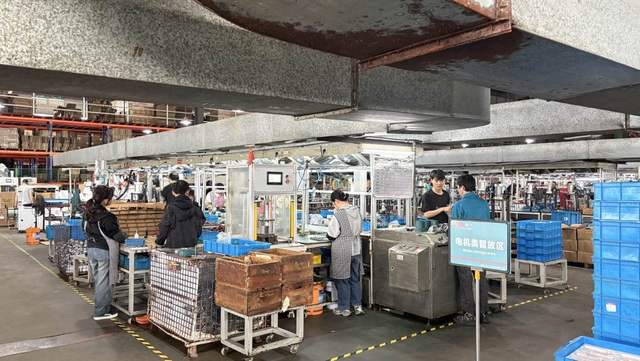
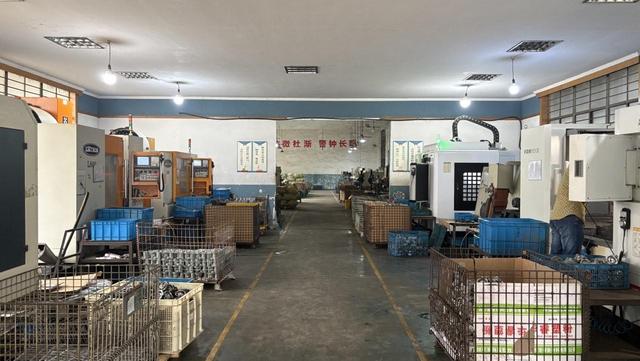
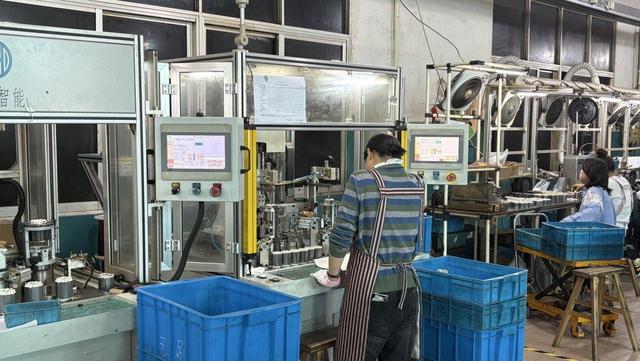
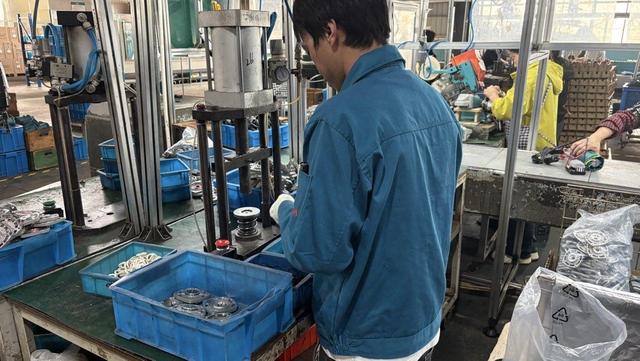

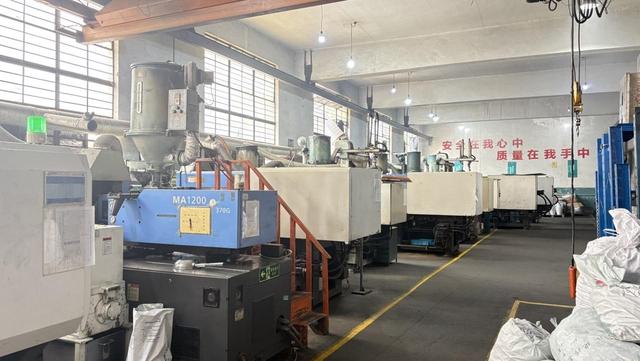
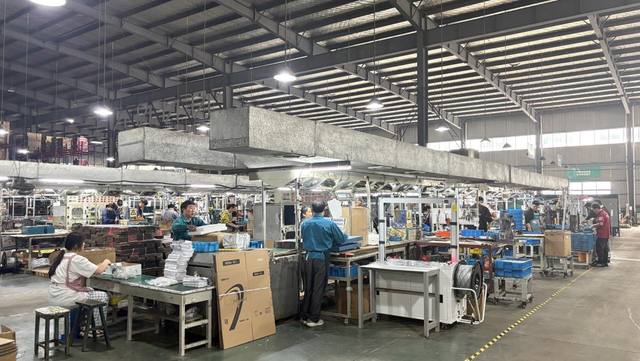
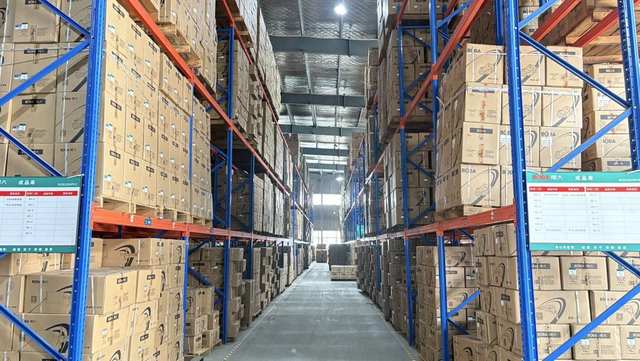
How leading industrial operations analyze automated change configurations for maximum longevity.
Modern ATC systems are no longer just isolated mechanical linkages. They now feature embedded industrial sensors. High-precision proximity sensors monitor the dynamic locking force, detect tool holder misalignment, and measure spindle vibrations. If a minor anomaly occurs, real-time warning signals prevent tool breakages and catastrophic work failures.
For operations requiring a wide variety of tools, simple disc or carousel magazines (16–24 tools) are insufficient. Global facilities increasingly source modular chain and matrix magazines that hold over 100 tools. In these setups, servo-driven robotic hands retrieve tools in advance and stage them adjacent to the spindle, lowering tool changing times to negligible durations.
International buyers demand verified longevity metrics. Standardized testing procedures dictate that mechanisms undergo more than 1,000,000 continuous test changes before final factory sign-off. Furthermore, ISO 9001 and CE compliance are mandatory baselines to ensure compatibility and safety within global factories.
Crucial technical answers for production managers, CNC engineers, and procurement directors.
BT tooling (governed by Japanese MAS 403 standard) uses a solid taper cone with a 7:24 ratio, whereas HSK (German DIN 69893) uses a hollow, lightweight shank with a shallower 1:10 taper. Under high spindle speeds, HSK’s hollow structure expands outwards, increasing clamping force and preventing axial movement. Consequently, HSK is ideal for high-speed machining, while BT is favored for heavy, rigid cutting operations.
By minimizing setup delays, an ATC system increases overall equipment effectiveness (OEE). Manual tool replacement takes up to several minutes and requires constant operator attention. An ATC drops tool changing times down to under 2 seconds, which allows manufacturing plants to operate continuous, unattended night shifts. As a result, this optimizes machinery throughput and cuts direct labor costs.
To preserve precision, maintenance technicians must clean and lubricate the tool gripper fingers regularly, check the pneumatic air pressure, monitor the proximity sensors for metal dust accumulation, and inspect the tool holders for runout wear. Aligning the change arm periodically prevents spindle bore damage during high-speed insertion.
Yes, Carto Tool specializes in custom engineering. We manufacture precision milling, drilling, and custom indexable cutting tools that are fully compatible with standard international ATC systems, matching HSK, BT, and CAT dimensional requirements perfectly.
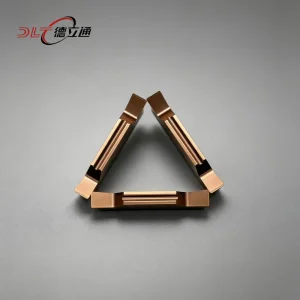
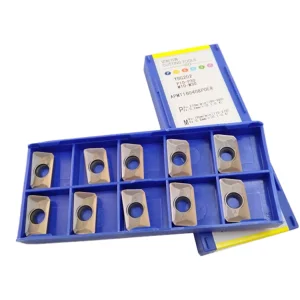
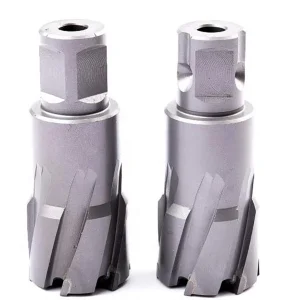
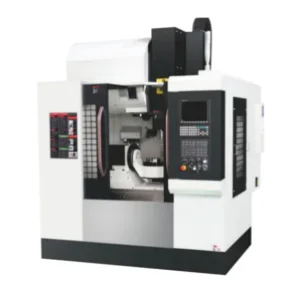
High-rigidity tooling, heavy-duty grooving inserts, and advanced control modules designed for precision production lines.
 Carto Tool