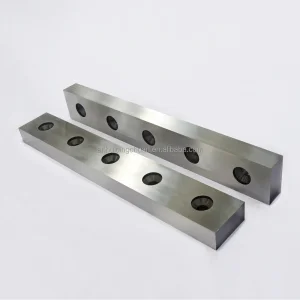
Engineered for High-Speed Performance, Thermal Stability, and Superior Wear Resistance
Switzerland is globally renowned as the ultimate standard for high-precision manufacturing. From the legendary watchmaking valleys in Geneva, Neuchâtel, and the Jura region, to world-leading medical technology (Medtech) corridors in Zurich and Basel, Swiss manufacturers operate at the boundary of physical limits. Micro-machining processes in Switzerland demand tolerances that are frequently sub-micron (less than 1 μm).
To operate effectively in this ecosystem, carbide tool systems cannot simply be standard off-the-shelf items. They require exceptional metallurgical purity, optimized micro-geometries, and cutting-edge thin-film coatings. Standard tools fail to deliver the consistency needed when machining components for luxury movements or bio-compatible titanium implants.
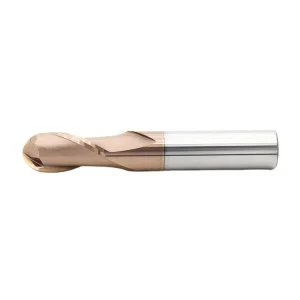
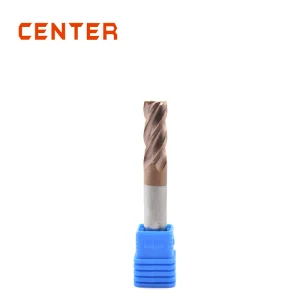
Micro-milling of brass, gold, and synthetic sapphire requires micro-endmills with extremely sharp cutting edges and ultra-smooth coating finishes. Minimal radial runout is vital to avoid chipping tiny gear teeth.
Machining complex parts from Titanium Grade 5 (Ti6Al4V) and PEEK. Requires heat-resistant coatings like TiAlSiN to prevent material adhesion (built-up edge) and guarantee long tool life under demanding environments.
Machining nickel-based superalloys (Inconel) and carbon fiber reinforced plastics (CFRP) requires specialized geometries that minimize cutting forces and control heat dissipation effectively.
Custom Geometries and Specialized Coating Formulations for Demanding Applications
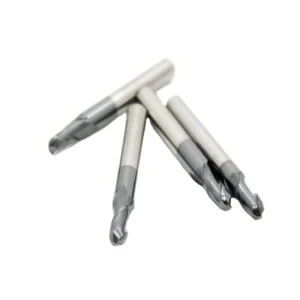
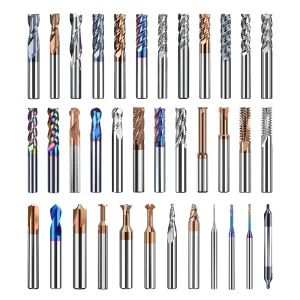
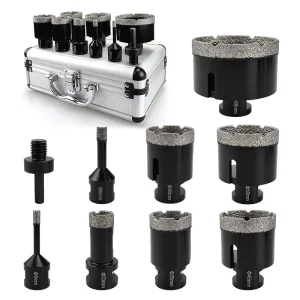
The performance of any modern cutting system depends on two primary factors: the composition of its carbide substrate and the structure of its coating layer. Dongguan Carto Tool Co., Ltd. uses premium sub-micron and nano-grain tungsten carbide substrates (WC) combined with a cobalt (Co) binder content tailored to specific machining operations. By reducing the WC grain size to below 0.6 μm, we improve both the hardness and toughness of the tool edges.
Standard vacuum sintering can leave micro-voids in the carbide body, leading to unpredictable failure when machining tough materials. Carto Tool utilizes advanced Sinter-HIP (Hot Isostatic Pressing) technology, applying pressures up to 100 bar at temperatures near 1400°C. This process eliminates internal porosity, increasing transverse rupture strength (TRS) and providing Swiss manufacturers with reliable tool performance.
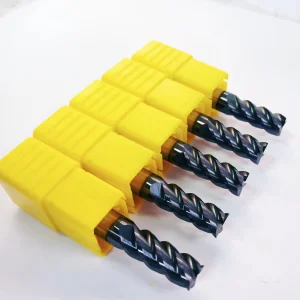
To extend tool life in high-speed, dry machining processes, we apply state-of-the-art PVD (Physical Vapor Deposition) and CVD (Chemical Vapor Deposition) coatings. For Swiss medical applications machining stainless steel and titanium, our TiAlSiN and AlTiN coatings provide thermal protection up to 900°C. For carbon composites and non-ferrous alloys, our Diamond-Like Carbon (DLC) coatings offer a low friction coefficient (less than 0.1), preventing material adhesion and heat build-up.
Located in Dongguan, the heart of China's advanced manufacturing hub, Dongguan Carto Tool Co., Ltd. benefits from a highly integrated industrial ecosystem. This geographical advantage allows us to source raw materials efficiently, execute rapid prototyping, and run continuous production with optimized cost structures. We pass these cost efficiencies directly to our international clients, including Swiss procurement managers looking to balance tool life with operational budgets.
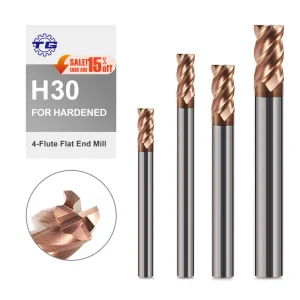
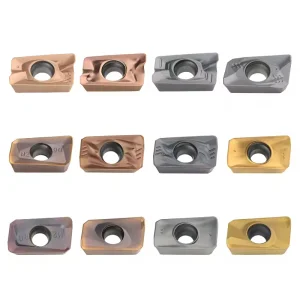
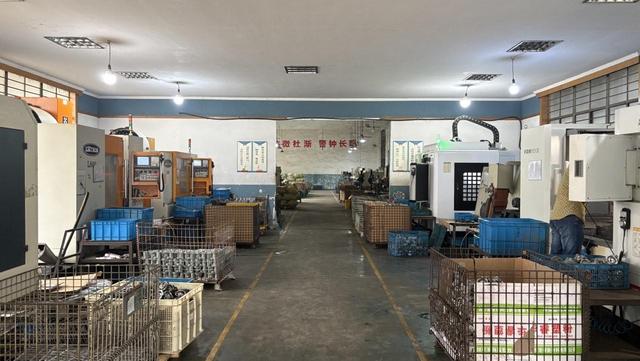
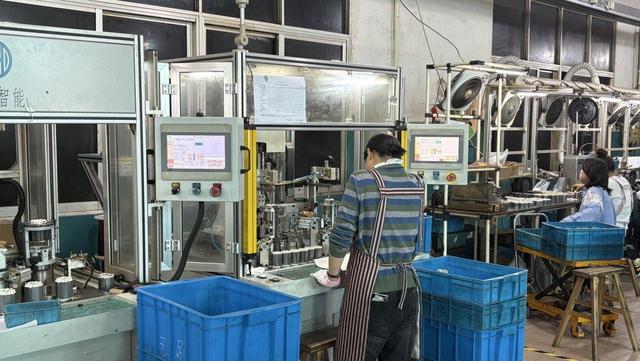
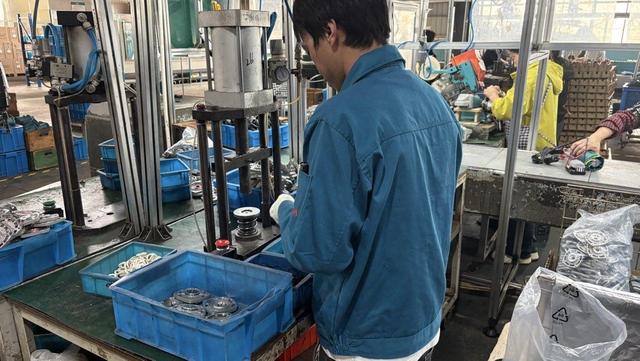
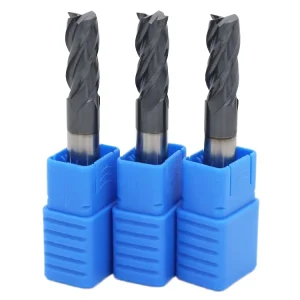
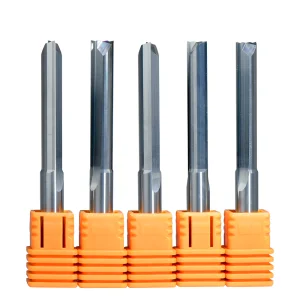
Our facility combines regional supply chain speed with advanced manufacturing technology. By investing in modern CNC grinding centers (such as Walter and ANCA) and high-precision inspection systems (including Zoller measuring machines), we ensure that every batch of end mills, inserts, and slitting blades matches the quality of European brands while offering excellent cost efficiency.
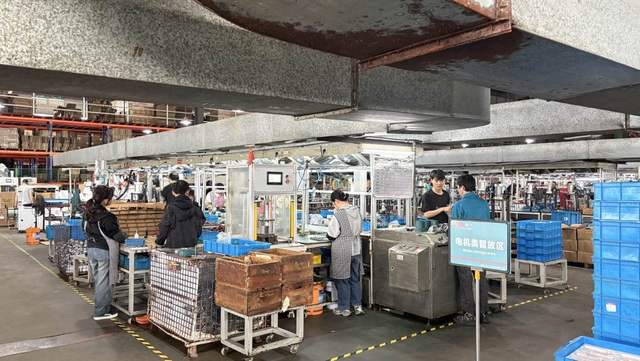
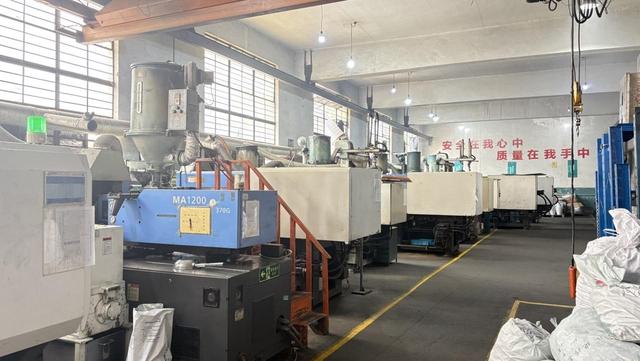
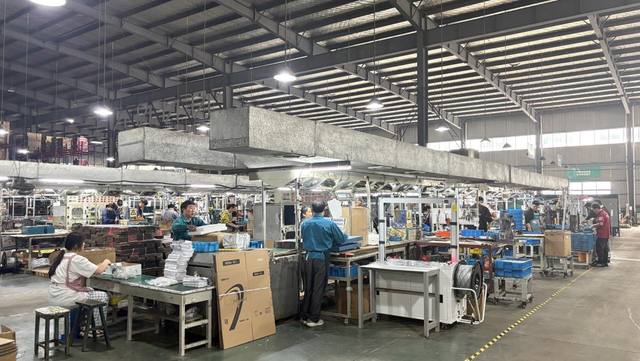
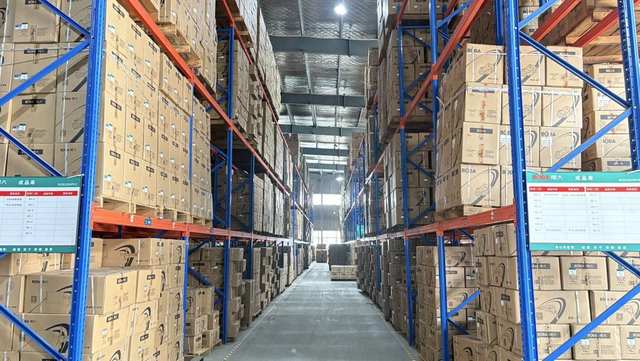
Procuring carbide tooling systems at scale requires strict adherence to international engineering standards. For procurement teams based in Switzerland and Germany, managing tool life variation is a key focus. To maintain consistent performance across automated production runs, we adhere to rigorous guidelines:
OEM & ODM Dynamic Solutions for Milling, Turning, and Industrial Slitting Systems
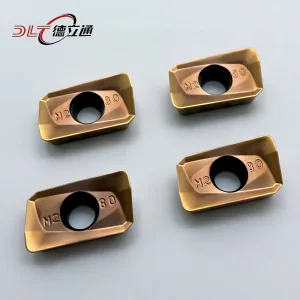
Expert Engineering Insights on Tool Configurations, Coatings, and Selection Guidelines
For Swiss micro-machining, sub-micron (0.5 μm to 0.8 μm) and ultra-fine micrograin carbide substrates are recommended. These materials balance wear resistance with edge toughness, allowing tool edges to stay sharp during the micro-milling of luxury watch components and medical parts.
Sinter-HIP (Hot Isostatic Pressing) combines heat and high gas pressure to eliminate micro-voids in the sintered carbide body. This reduces the risk of crack propagation, increasing the material's transverse rupture strength (TRS) and preventing premature tool failure under heavy mechanical loads.
For machining medical alloys like Titanium Grade 5 or Co-Cr, we recommend TiAlSiN or AlTiN coatings. These coatings provide high oxidation resistance and hot hardness up to 900°C, forming a protective barrier that reduces heat transfer into the tool substrate and prevents work hardening.
We use automated 5-axis CNC grinding centers (like ANCA and Walter) and monitor production using high-resolution Zoller optical measuring equipment. This setup allows us to keep manufacturing tolerances within h6 limits, ensuring consistent batch-to-batch runout of less than 0.002 mm.
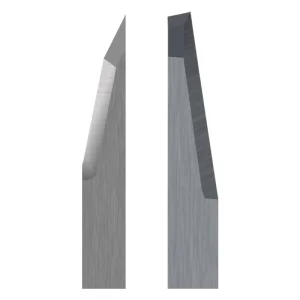
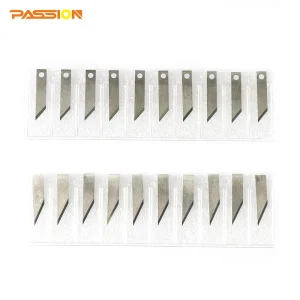
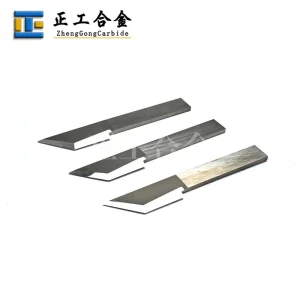
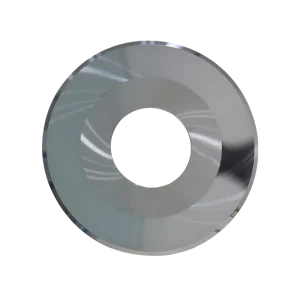
Yes. We manufacture customized oscillating drag blades, tangential slitting knives, and circular carbide cutter wheels compatible with major digital cutting systems, including ESKO, ATOM, IECHO, and Zünd. These tools are manufactured using sub-micron WC substrates for clean cuts and long tool life.
Ready to optimize your production lines, extend tool life, and reduce tooling costs? Contact our engineering team for custom geometries, detailed material specifications, and volume pricing.
Send Inquiry Now Carto Tool