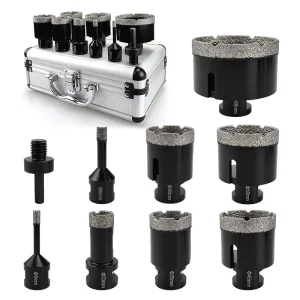
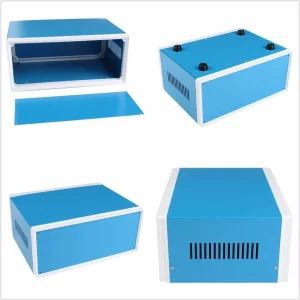
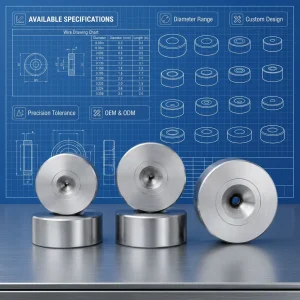
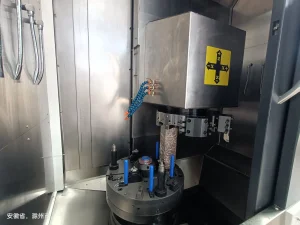
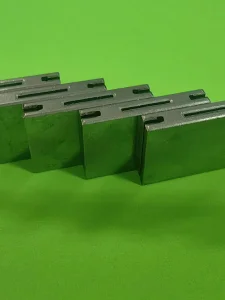
Explore our premium range of industrial solutions engineered for optimal manufacturing efficiency.
In modern subtractive manufacturing, the metric that dictates profitability is overall equipment effectiveness (OEE). Spindle uptime is directly tied to a factory's bottom line. Historically, legacy tool changeover procedures represented the single largest contributor to non-cutting downtime. Traditional bolt-on tooling assemblies required manual realignment, torque calibrating, and test runs—converting productive manufacturing time into unproductive overhead.
As a premier Quick Change Tooling Exporter, we identify a clear paradigm shift: global factories are transitionally phasing out static tooling adapters in favor of highly-integrated, modular quick-change systems. Quick Change Tooling (QCT) systems leverage standardized taper-face interfaces, hydraulic expansions, or polygon shank couplings (such as ISO 26623 standards) to enable tool changes in under 30 seconds, maintaining a clamping repeatability tolerance of less than ±0.002mm.
This level of engineering accuracy eliminates the necessity for manual tool pre-setting inside the machine envelope, allowing operators to measure tools offline on modern optical preserters. Consequently, the machine tool continues operation while new setups are staged, dramatically reducing setup times by up to 85% and significantly enhancing throughput across small-batch, high-mix production schedules.
The manufacturing sector is facing structural head-winds: demographic shifts leading to a shortage of highly-skilled machine tool operators, fluctuating raw material costs, and pressure to reduce lead times under lean manufacturing principles. To remain competitive, precision machining operations in Western Europe, North America, and parts of East Asia are heavily investing in CNC multi-tasking centers and automated turn-mill platforms.
Modern cutting tools run at elevated surface speeds and aggressive feed rates. Tool holders must offer exceptional vibration dampening and torsional stiffness. Balancing at G2.5 at 25,000 RPM is now a baseline standard for mold-making and aerospace components.
Quick change assemblies are increasingly integrated with RFID chips and digital sensors. This enables CNC networks to read tool offset data, wear cycle metrics, and mechanical stress levels, minimizing structural failures on unmanned shifts.
High-temperature processing requires coatings such as TiAlN (Titanium Aluminum Nitride) or specialized PVD configurations. Modern quick change mechanisms feature high-pressure coolant channels designed to blast chips directly from the insert pocket.
Industrial procurement managers, engineering leads, and distribution networks do not search for generic phrases. Their queries are highly specific, targeting structural reliability, compliance, and long-term supply chain viability. Search patterns show massive intent queries around:
Furthermore, compliance certifications (such as ISO 9001:2015, CE declarations, RoHS) and traceable material test reports (MTR) are essential gating criteria during vendor qualification. Working with a verified Quick Change Tooling Exporter ensures all product batches are shipped with dimensional validation charts, heat treatment certifications, and technical specification sheets.
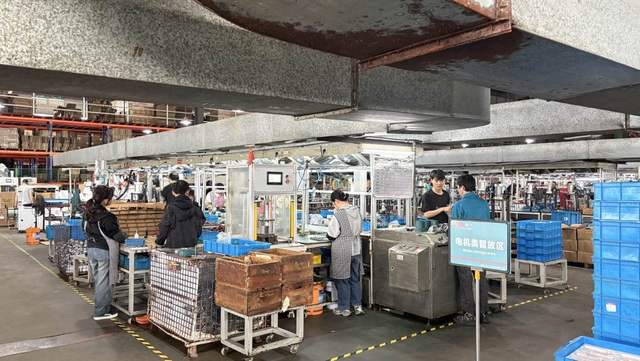
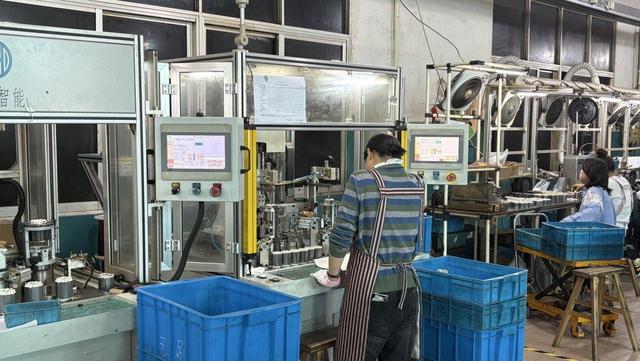
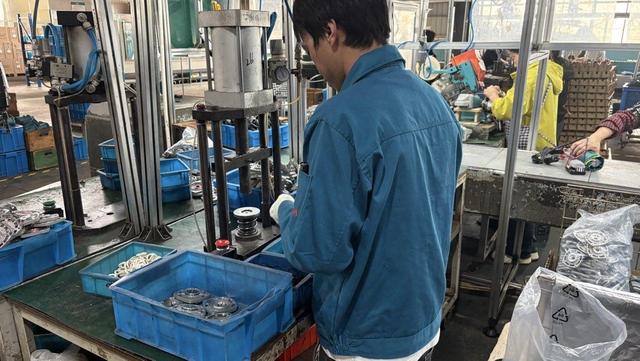
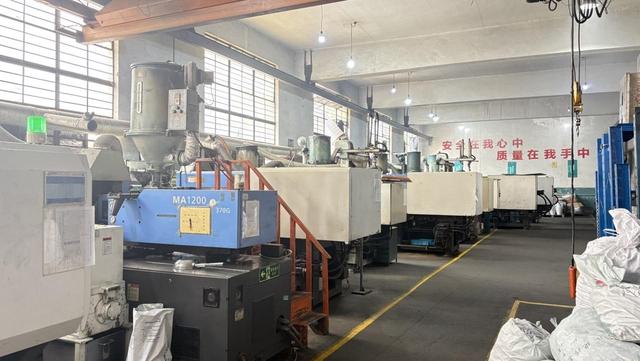
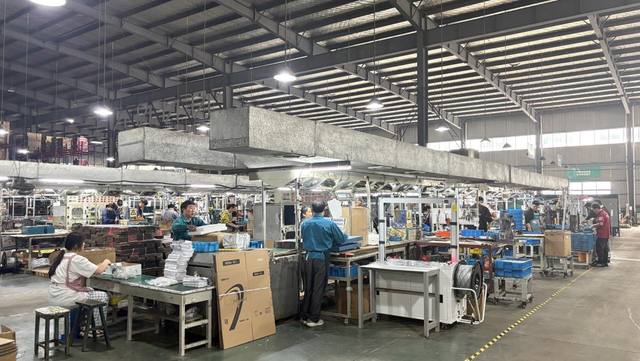
The landscape of Chinese manufacturing has evolved past simple mass production. Dongguan, the undisputed capital of global precision manufacturing, hosts highly integrated clusters of raw material processors, specialized coating centers, heat treatment plants, and testing laboratories. This ecosystem allows local manufacturers to implement "Factory 4.0" strategies, leveraging real-time ERP systems, robotic grinding setups, and lean production schedules.
Dongguan Carto Tool Co., Ltd. is a professional manufacturer specializing in industrial cutting tools, CNC machining tools, milling systems, turning solutions, and precision metal cutting technologies. The company is dedicated to providing high-performance tooling solutions for modern manufacturing industries, including automotive, aerospace, mold processing, machinery production, and general metal fabrication.
Since its establishment, Carto Tool has developed from a small-scale cutting tool workshop into a specialized industrial tooling supplier with integrated R&D, production, and quality control capabilities. In its early stage, the company focused on basic turning and milling tool production for local machining workshops. With the rapid growth of China’s manufacturing sector, Carto Tool expanded its technology base and began developing more advanced CNC-compatible cutting systems to meet higher precision and efficiency requirements.
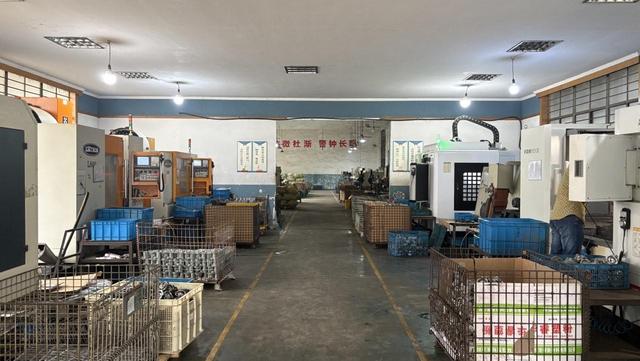
During its development phase, the company invested in carbide material research, coating technology improvements, and CNC tool geometry optimization. It introduced modern production lines and precision grinding equipment to ensure stable performance and long tool life. At the same time, Carto Tool strengthened its testing systems to improve cutting accuracy, wear resistance, and thermal stability across different machining environments.
Today, Dongguan Carto Tool Co., Ltd. serves global industrial clients with a wide range of cutting tool solutions designed for high-speed, high-precision, and heavy-duty applications. The company continues to focus on innovation in CNC machining efficiency, metal cutting performance, and cost optimization for manufacturers. With a commitment to quality and engineering excellence, Carto Tool aims to become a trusted international supplier in the industrial cutting tools industry, supporting smarter and more efficient global manufacturing systems.

Quick Change Tooling is not a one-size-fits-all product. Different industrial sectors deploy these modular systems in specialized ways depending on localized processing requirements:
In high-volume engine block manufacturing lines, downtime costs thousands of dollars per minute. Quick-change systems on transfer lines allow robotic cells or technicians to exchange worn boring heads and step drills instantly, sustaining tight cylinder roundness tolerances across millions of cycles.
Machining components from solid billets of Titanium (Ti-6Al-4V) or Inconel requires massive cutting pressure. Standard tooling setup deflection leads to chatter marks and surface deviations. Rigid, face-contact quick change couplings prevent tool deflection, ensuring tight aerospace compliance.
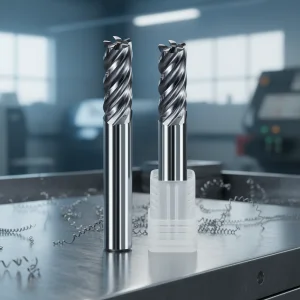
Complex cavities require a sequence of roughing mills, ball nose cutters, and detail engraving tips. Quick-change shrink-fit holders allow pre-measured assemblies to be dropped into high-speed spindle operations, holding micro-inch surface finishes and eliminating hand-polishing requirements.
Technical guidance from our engineering department regarding installation, application, and ROI optimization.
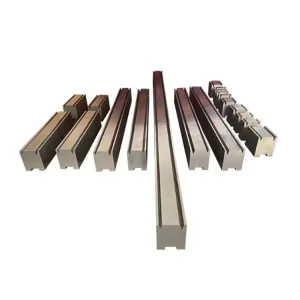
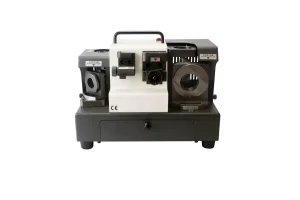
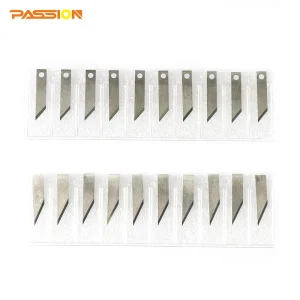
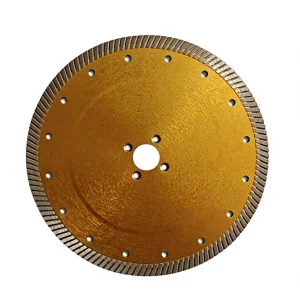
Discover our comprehensive inventory of precision accessories, drag blades, and vertical machinery designed for extreme duty cycles.
 Carto Tool