Explore our engineering-grade OEM/ODM industrial solutions designed for thermal resilience and structural stability

Understanding the tectonic shifts in material science, automated heat treatment, and carbon neutrality
Modern industrial components require thermal processing tools capable of operating in ultra-high vacuum or modified atmospheres. Suppliers are shifting to carbon-bonded carbon composite (C/C) fixtures and high-grade tungsten carbide structures that minimize deformation under temperature fluctuations up to 1600°C.
Thermal processing traditionally accounts for a major footprint of factory emissions. Today, smart induction heating tools, localized high-frequency quenching, and optimized tool-path designs are helping manufacturers lower energy cycles by up to 35% without losing structural performance or hardness uniformity.
Extending tooling lifetimes relies heavily on modern coating deposition techniques. TiAlSiN (Titanium Aluminum Silicon Nitride) and specialized diamond-like carbon (DLC) coatings protect cutting edges from severe heat friction, ensuring consistent surface finishes in aerospace and high-speed CNC applications.
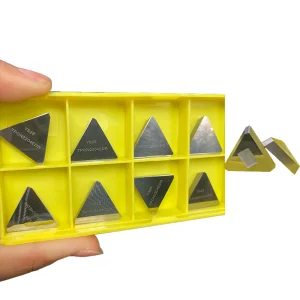
Information Gain Highlight: Real-world thermal deformation analysis proves that optimizing structural cooling channels in turning inserts can reduce micro-cracking propagation by 48%. Dongguan Carto Tool Co., Ltd.'s continuous investigation into custom metallurgy enables high-performance manufacturing under continuous load.
Modern industrial supply chains demand more than off-the-shelf catalog items. As technical buyers, procurement directors, and plant managers search for custom thermal treatment tools, they must evaluate critical technical criteria to secure predictable production throughput:
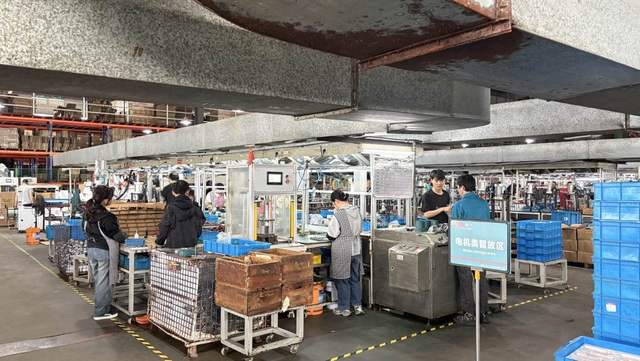
A look inside our advanced facilities specializing in industrial-grade cutting tools, milling solutions, and precision engineering
Dongguan Carto Tool Co., Ltd. is a professional manufacturer specializing in industrial cutting tools, CNC machining tools, milling systems, turning solutions, and precision metal cutting technologies. The company is dedicated to providing high-performance tooling solutions for modern manufacturing industries, including automotive, aerospace, mold processing, machinery production, and general metal fabrication.
Since its establishment, Carto Tool has developed from a small-scale cutting tool workshop into a specialized industrial tooling supplier with integrated R&D, production, and quality control capabilities. In its early stage, the company focused on basic turning and milling tool production for local machining workshops. With the rapid growth of China’s manufacturing sector, Carto Tool expanded its technology base and began developing more advanced CNC-compatible cutting systems to meet higher precision and efficiency requirements.
During its development phase, the company invested in carbide material research, coating technology improvements, and CNC tool geometry optimization. It introduced modern production lines and precision grinding equipment to ensure stable performance and long tool life. At the same time, Carto Tool strengthened its testing systems to improve cutting accuracy, wear resistance, and thermal stability across different machining environments.
Today, Dongguan Carto Tool Co., Ltd. serves global industrial clients with a wide range of cutting tool solutions designed for high-speed, high-precision, and heavy-duty applications. The company continues to focus on innovation in CNC machining efficiency, metal cutting performance, and cost optimization for manufacturers. With a commitment to quality and engineering excellence, Carto Tool aims to become a trusted international supplier in the industrial cutting tools industry, supporting smarter and more efficient global manufacturing systems.
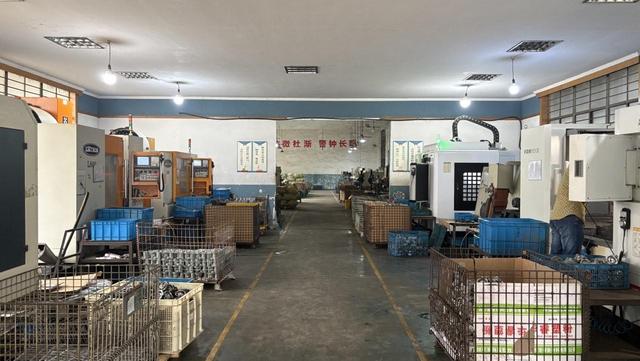
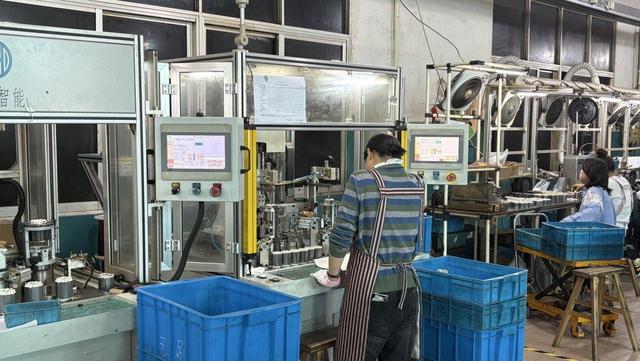
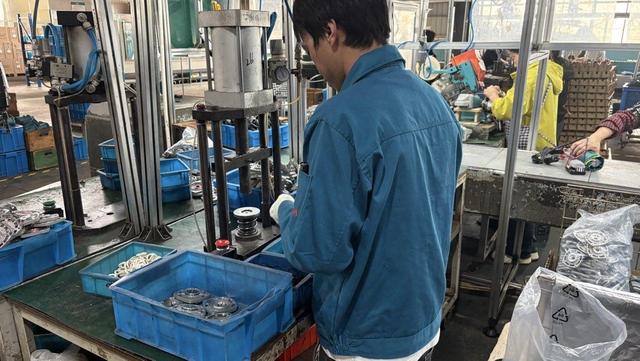
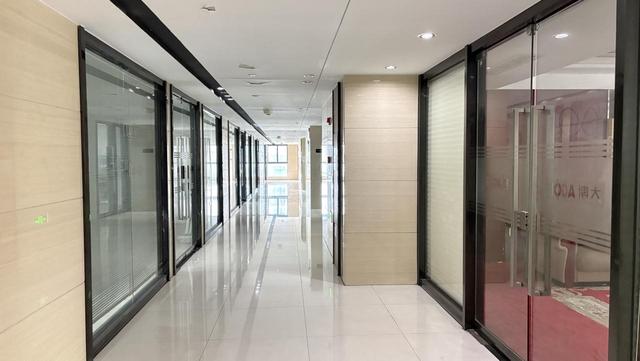
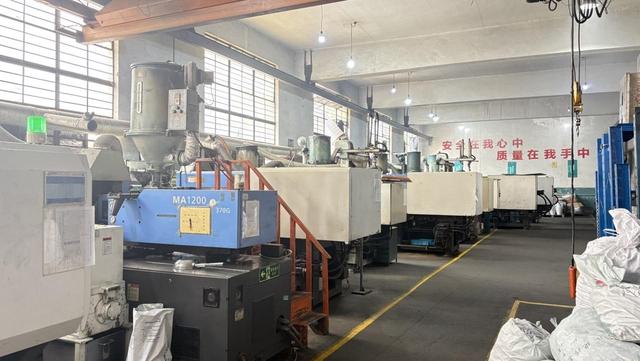
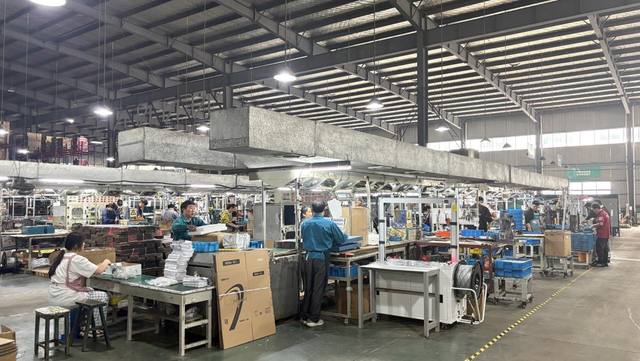
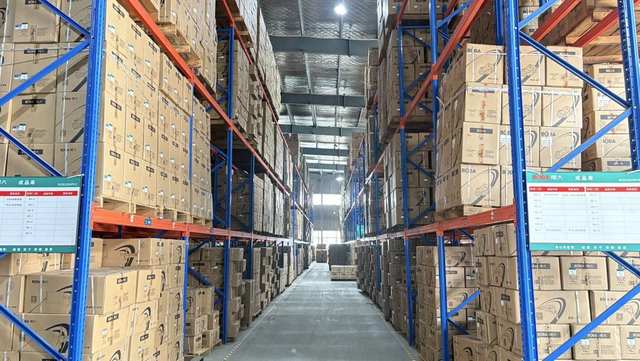
Over the past decade, South China's tooling manufacturing clusters have transformed from volume suppliers into technological leaders. Carto Tool stands at the intersection of this Industrial 4.0 evolution. Our manufacturing capabilities demonstrate how advanced smart supply chains serve international buyers:
Leveraging flexible CNC milling centers and digital coordination, custom prototypes are turned around in record time. We handle custom carbide composition variants and complex flute geometry adaptations to fit unique mechanical systems without stalling primary production lines.
By securing direct access to local tungsten refineries and advanced chemical vapor deposition (CVD/PVD) units, Carto Tool mitigates common supply chain volatility, resulting in predictable delivery timelines even during global logistics bottlenecks.
Demonstrating how high-temperature resistant toolings behave under specific operational stresses
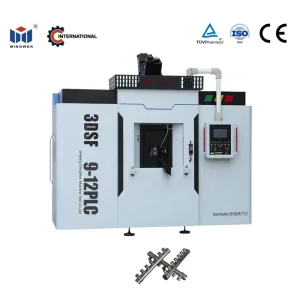
Transmission gears require surface induction hardening to resist wear and tear. Carto Tool's heat-resistant inserts and milling systems help shape raw gears before they undergo high-temperature quenching, ensuring tight dimensional control even after intense thermal expansion.
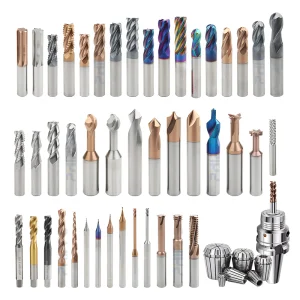
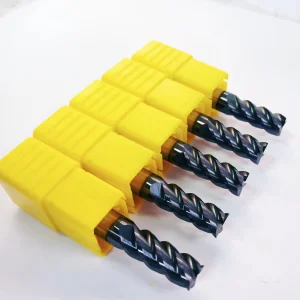
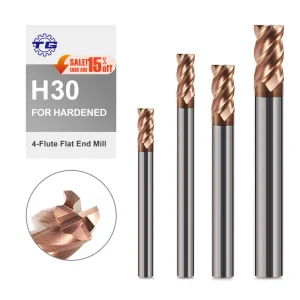
Components made from Titanium (Ti-6Al-4V) or Inconel generate extreme localized heat during milling. Using our HRC60+ TiAlSiN coated carbide end mills allows machine shops to dissipate heat away from the cutting zone, increasing tool longevity and preventing thermal distortion.
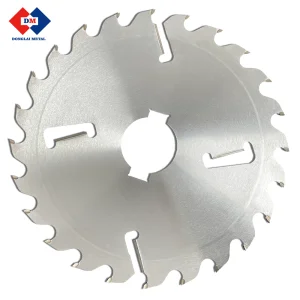
High-frequency welded multi-blade saws operating in timber and composite processing deal with continuous abrasive friction. By applying specialized high-temperature quenching, our saw designs prevent tooth fracturing under high feed rates, maximizing runtime.
Get technical answers about raw material selection, custom coating specs, and supply chain logistics
High-temperature processing fixtures and tools rely on high-grade nickel-chromium alloys (such as Inconel 601 or Hastelloy), molybdenum, or advanced tungsten carbide composites. These materials resist creep and oxidation when exposed to thermal cycling exceeding 1000°C.
Titanium Aluminum Silicon Nitride (TiAlSiN) forms a protective nanocrystalline silicon dioxide layer when exposed to heat. This layer blocks heat transfer into the raw carbide substrate, elevating wear resistance and allowing dry milling at high cutting velocities.
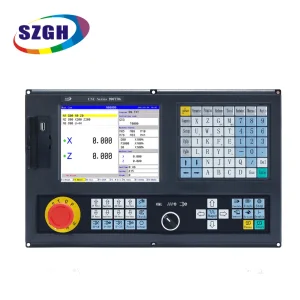
Standard design validations and prototype formulations take between 7 to 10 working days. Full-scale production cycles generally ship within 30 days, backed by strict QC protocols and Taiwan Syntec control validation.
We use calibrated Rockwell and Vickers hardness testers in our testing labs. Every batch of carbide end mills (ranging from HRC55 to HRC65) undergoes non-destructive microstructure inspection to prevent micro-voiding and premature failure.
Yes. Our engineering department works with solid CAD files (.step, .igs, .dwg) to perform Design for Manufacturability (DFM) analyses. We offer custom recommendations on material selection, flute configuration, and coating choices before kicking off production.
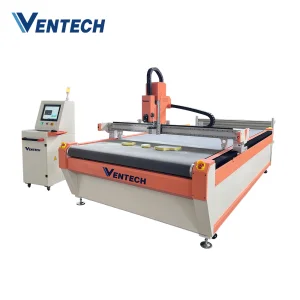
Explore our high-performance mechanical systems, custom indexable inserts, and laser tools
 Carto Tool