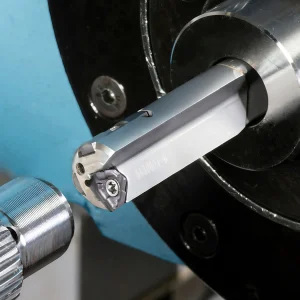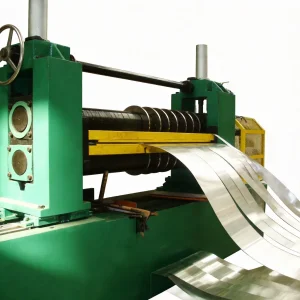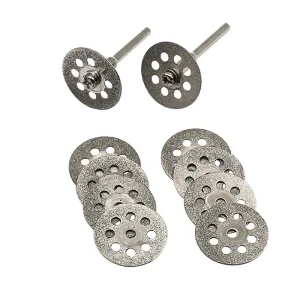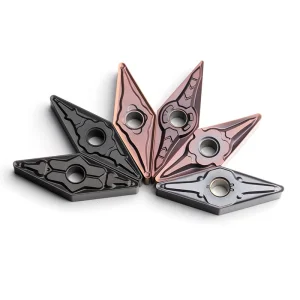
Dongguan Carto Tool Co., Ltd. is a professional manufacturer specializing in industrial cutting tools, CNC machining tools, milling systems, turning solutions, and precision metal cutting technologies. The company is dedicated to providing high-performance tooling solutions for modern manufacturing industries, including automotive, aerospace, mold processing, machinery production, and general metal fabrication.
Since its establishment, Carto Tool has developed from a small-scale cutting tool workshop into a specialized industrial tooling supplier with integrated R&D, production, and quality control capabilities. In its early stage, the company focused on basic turning and milling tool production for local machining workshops. With the rapid growth of China’s manufacturing sector, Carto Tool expanded its technology base and began developing more advanced CNC-compatible cutting systems to meet higher precision and efficiency requirements.
During its development phase, the company invested heavily in carbide material research, coating technology improvements, and CNC tool geometry optimization. It introduced modern production lines and precision grinding equipment to ensure stable performance and long tool life. At the same time, Carto Tool strengthened its testing systems to improve cutting accuracy, wear resistance, and thermal stability across different machining environments.
Today, Dongguan Carto Tool Co., Ltd. serves global industrial clients with a wide range of cutting tool solutions designed for high-speed, high-precision, and heavy-duty applications. The company continues to focus on innovation in CNC machining efficiency, metal cutting performance, and cost optimization for manufacturers. With a commitment to quality and engineering excellence, Carto Tool aims to become a trusted international supplier in the industrial cutting tools industry, supporting smarter and more efficient global manufacturing systems.
Machining hardened steel (typically categorized as steels with a Rockwell hardness value between 45 and 68 HRC, such as tool steels, die steels, case-hardened alloy steels, and bearing steels) presents severe mechanical and thermal challenges to cutting tools. Unlike mild steel, which chips and flows easily, hardened steel offers extreme resistance to plastic deformation. The shear forces generated at the tool-workpiece interface are exceptionally high, leading to intense compressive stresses on the tool edge.
This high mechanical load translates directly into extreme friction and thermal energy. In dry high-speed milling operations of hardened tool steels (e.g., D2, H13, or CPM-15V), temperatures at the cutting zone can easily exceed 1,000°C. Standard cutting materials like ordinary high-speed steel (HSS) or cobalt-based alloys experience immediate plastic deformation under these temperatures, losing their hardness. Consequently, specialized industrial tool manufacturers must engineer tools from advanced cemented tungsten carbide substrates coated with thermal-barrier layers.
SEO Insight & Information Gain: Hardened steel cutting tools require ultra-fine or nano-grain tungsten carbide (WC) substrates. By reducing the WC grain size to below 0.5 microns, the carbide tool achieves a superior combination of high hardness (HV10 > 1600) and transverse rupture strength (TRS > 4000 MPa). This microstructural optimization prevents micro-chipping under cyclic mechanical shock, which is the primary cause of premature tool failure in hardened die steel milling.
To withstand these extreme stresses, the cutting tool geometry must be calculated to distribute forces optimally. This involves negative rake angles, reinforced cutting edges, and variable helix configurations designed to suppress vibration. Without these advanced engineering principles, operators experience immediate chipping, crater wear, and severe thermal cracking.
We source ultra-pure, sub-micron tungsten carbide powder with 10% to 12% Cobalt binder. This achieves a microhardness rating up to HV30 1800, guaranteeing high resilience against edge deflection and thermal crushing at depths of cut (Ap) exceeding standard parameters.
Utilizing high-power impulse magnetron sputtering (HiPIMS) and physical vapor deposition (PVD), we coat our tools with Titanium Aluminum Nitride (AlTiN) coupled with Silicon. This forms a nanocrystalline composite layer with oxidation thresholds up to 1,100°C.
Featuring variable pitch (unequal indexing) and variable helix design, our hardened steel end mills disperse natural resonance frequencies, significantly mitigating vibration chatter during high-speed machining and yielding mirror-like surface finishes (Ra < 0.2µm).
Focused on basic turning and milling tool production for local South China machining workshops. Built core understanding of traditional tool steels.
Invested heavily in multi-axis CNC grinding machines (ANCA & Walter) and introduced cemented carbide substrate R&D. Advanced from low-hardness metals to high-hardness alloys.
Implemented state-of-the-art PVD coating centers and advanced testing systems (Zoller Genius & Keyence 3D Profilometers) to stabilize tool performance under extreme thermal loads.
Serves international clients across automotive, aerospace, and die-casting industries with tailored tooling geometries cutting up to 68 HRC with exceptional process stability.
Industrial manufacturing requirements vary dramatically across global markets. As a leading OEM/ODM hardened steel cutting tools manufacturer, Carto Tool engineers tools adapted to the localized demands of top-tier industrial regions:
In addition to optimizing geometries for regional applications, Carto Tool provides comprehensive localization support. This includes customized laser marking for private label brands, metric/imperial size adaptations, and packaging compliance for diverse international customs protocols.
Located in Dongguan, the heart of China’s advanced manufacturing cluster, Dongguan Carto Tool Co., Ltd. benefits from an unparalleled industrial ecosystem. This geographical advantage translates directly into major benefits for our global OEM and ODM buyers:
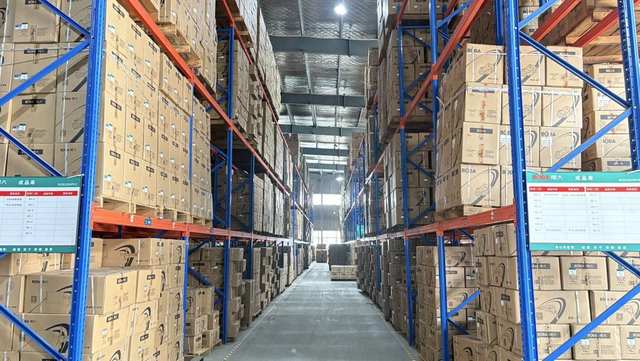
Raw Material Access & Stability: China holds the world's largest reserves of Ammonium Paratungstate (APT), the precursor to tungsten carbide. This secures our factory’s raw material pipeline, insulating our clients from global material shortages and cost fluctuations. We maintain a constant reserve of premium tungsten carbide blanks, ensuring production starts immediately upon order confirmation.
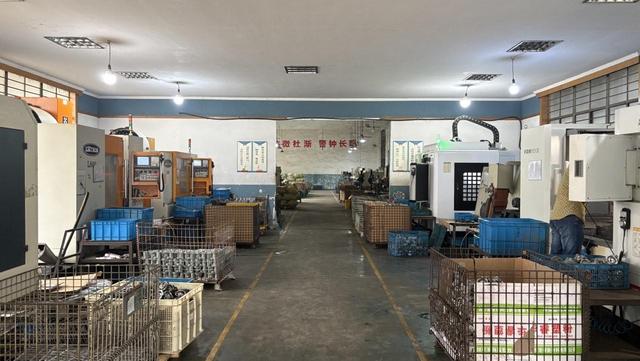
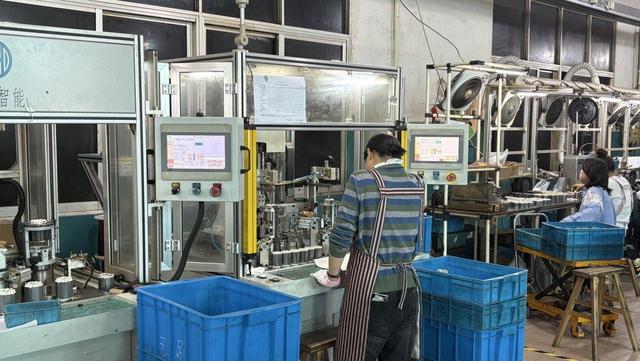
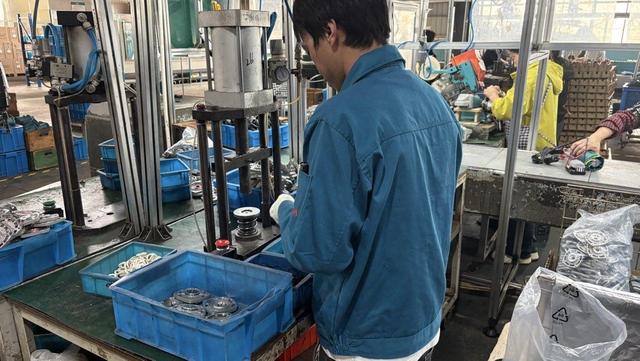
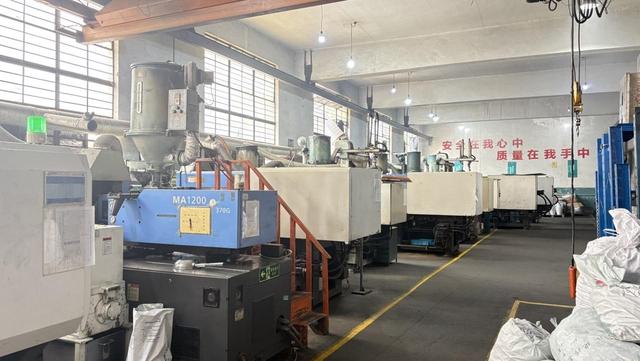
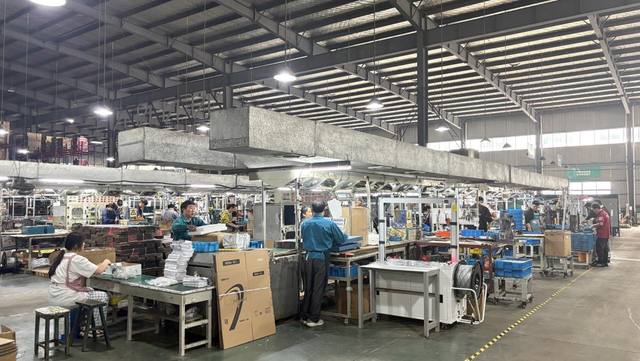
Integrated Advanced Equipment: Our factory floor houses high-precision CNC tool grinding centers from Germany and Switzerland, alongside advanced post-treatment systems. By executing raw material testing, precision grinding, coating deposition, edge preparation, and metrology inspection under a single roof, we cut lead times to 50% of the industry average. Standard orders are dispatched within 7-14 days, and custom ODM prototypes are completed within 5 business days.
Logistical Proximity to International Hubs: Located adjacent to Shenzhen and Guangzhou ports, and a short distance from Hong Kong International Airport, we leverage premium logistics options (ocean, air, and express) to ensure seamless transit to global distribution centers.
We recognize that in CNC milling of hardened steels, a deviation of even two microns can cause catastrophic tool failure or ruin a high-value workpiece. Thus, our quality assurance follows a zero-defect policy, fully conforming to ISO 9001:2015 standards.
Every production batch undergoes mandatory multi-stage inspection:


 Carto Tool