OEM/ODM Energy-Saving Cutting Tools Factory & Exporter

Decarbonizing High-Precision Manufacturing through Advanced Micro-Geometry, Advanced Hard Coatings, and High-Efficiency CNC Tooling Technologies.

Precision Engineered Systems & Tooling Solutions

Explore our first selection of heavy-duty systems and energy-optimized cutting configurations manufactured under strict quality controls.
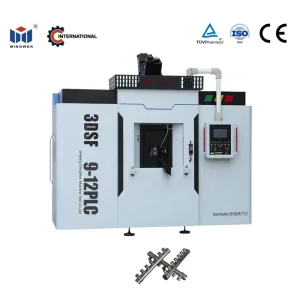
Versatile Rotary Transfer System for 3-8 Way Applications

Versatile Rotary Transfer System for 3-8 Way Applications

View Details
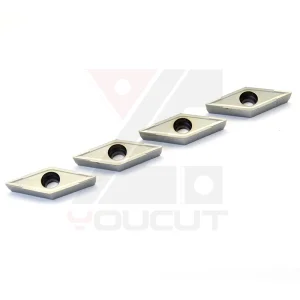
Diamond Carbide DLC Coated Turning Inserts

Diamond Carbide DLC Coated Turning Inserts Indexable CNC Lathe Blades 16mm X 1.5mm High Wear Resistance

View Details
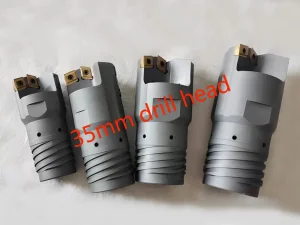
35mm BTA Ejector Drill Head

35mm BTA Ejector Inserted Drill Head

View Details
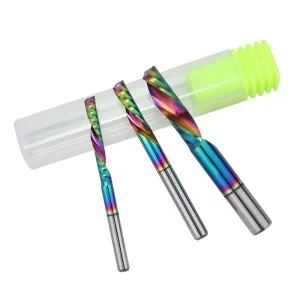
CNC Router Bit DLC Coated Spiral End Mill

Joseph Manufacturing Production CNC Router Bit DLC Coating Single Edged Spiral End Mill

View Details
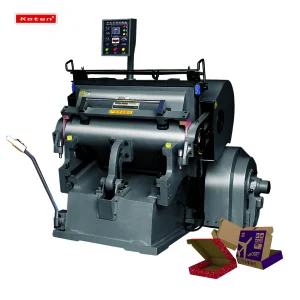
Plastic Pvc Pet Die Cutting Machine

Ml750/930 Good Quality Plastic PVC PET Die Cutting Machine Manual Die Cutter

View Details
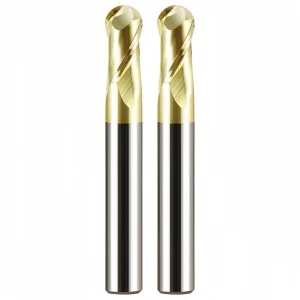
CNC Cutting Tool Solid Carbide Ball Nose End Mill

CNC Cutting Tool 68HRC Solid Carbide Ball Nose End Mill with Gold Coating Specialized for Titanium Alloy

View Details
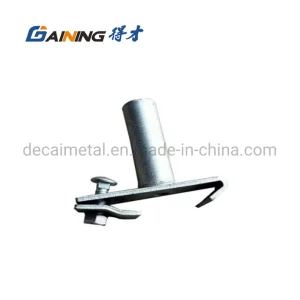
Positioning Pile Scaffolding I-Beam Locator

Supply of Positioning Pile Scaffolding Cantilever Beam Accessories I-Beam Locator

View Details
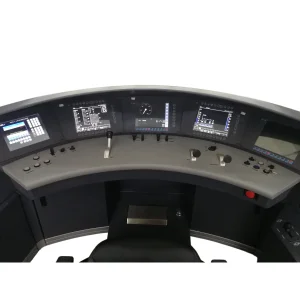
Heavy Duty Rail Transit Simulation System

Heavy Duty Rail Transit Simulation System with Steel Structure

View Details
📊

The Macroeconomic Landscape: Industrial Decarbonization & Cutting Tool Evolution

In modern industrial manufacturing, energy consumption has shifted from a operational expense concern to a core compliance metric under global ESG frameworks. Metal cutting operations represent one of the most energy-intensive steps in mechanical processing. Spindle motors, coolant pumps, and feed axes consume large amounts of electricity. Recent studies show that tool geometry optimization, combined with advanced coatings (such as DLC or diamond coatings), can reduce machining power requirements by 15% to 30% by minimizing friction, optimizing chip evacuation, and reducing thermal displacement.

-22%
Spindle Power Output Required
3.5x
Tool Lifespan Extension via Nano-Coatings
45%
Friction Force Reduction at Shear Zone

As globally integrated OEM/ODM manufacturing networks implement Scope 3 emission targets, the design of cutting tools must evolve. Choosing the right tool substrate, edge geometry, and specialized coating is no longer just about machining speed—it is a critical strategy for energy savings and sustainable industrial operations.

Technological Framework of Energy-Saving Cutting Tools

Understanding the physics of metal deformation, heat generation, and power dissipation at the cutting edge.

1. Diamond-Like Carbon (DLC) & CBN Hard Coatings

Super-hard coatings act as thermal barriers and lubricant interfaces. DLC coatings feature high hardness and a very low coefficient of friction. This reduces the energy needed to overcome sliding resistance as chips exit the cutting zone, lowering overall power consumption.

Low Friction High Adhesion CNC Lathe Optimized

2. Micro-Geometry Optimization

By tailoring cutting edge preparation, rake angles, and relief angles, we design tools that shear material rather than plow it. This reduces the shear zone area, which lowers cutting forces and helps prevent work hardening in materials like titanium and stainless steel.

Variable Helix Rake Angle Design Reduced Deflection

3. Advanced Heat Evacuation

High temperature at the tool-chip interface accelerates tool wear and wastes energy via plastic deformation. Through internal coolant channels and ejector systems, heat is evacuated dynamically, maintaining material strength and reducing energy loss.

Internal Coolant BTA Systems Thermal Insulation
Information Gain Highlight: When high-speed spindles run at over 15,000 RPM, friction generates heat that increases spindle resistance. Deploying tools with a coefficient of friction below 0.1 (such as DLC-coated end mills) stabilizes the spindle load. This saves significant electricity over large-scale production runs.

Technological Roadmap of High-Efficiency Tooling

From standard turning inserts to highly customized, smart-monitored multi-axis rotary cutting systems.

Phase 1: Material Substrate Optimization

Utilizing ultra-fine grain tungsten carbide substrate matrices to improve impact resistance and prevent premature chipping under high speeds.

Phase 2: Nano-Layer & Multi-Layer Coating

Applying gradient multi-layer coatings (TiAlN, DLC, CBN) to provide wear protection and low-friction behavior across varying cutting temperatures.

Phase 3: Geometry & Chip Breaker Design

Developing application-specific chip breaker shapes that reduce chip contact area, resulting in smooth evacuation and lower power consumption.

Phase 4: Integrated Intelligent Systems

Designing multi-axis rotary transfer systems and complex tools equipped with real-time wear indicators to minimize cycle times and save energy.

Dongguan Carto Tool Co., Ltd.

A professional manufacturer specializing in industrial cutting tools, CNC machining tools, milling systems, turning solutions, and precision metal cutting technologies.

Dongguan Carto Tool Co., Ltd. is dedicated to providing high-performance tooling solutions for modern manufacturing industries, including automotive, aerospace, mold processing, machinery production, and general metal fabrication.

Since its establishment, Carto Tool has developed from a small-scale cutting tool workshop into a specialized industrial tooling supplier with integrated R&D, production, and quality control capabilities. In its early stage, the company focused on basic turning and milling tool production for local machining workshops. With the rapid growth of China’s manufacturing sector, Carto Tool expanded its technology base and began developing more advanced CNC-compatible cutting systems to meet higher precision and efficiency requirements.

During its development phase, the company invested in carbide material research, coating technology improvements, and CNC tool geometry optimization. It introduced modern production lines and precision grinding equipment to ensure stable performance and long tool life. At the same time, Carto Tool strengthened its testing systems to improve cutting accuracy, wear resistance, and thermal stability across different machining environments. Today, Dongguan Carto Tool Co., Ltd. serves global industrial clients with a wide range of cutting tool solutions designed for high-speed, high-precision, and heavy-duty applications. The company continues to focus on innovation in CNC machining efficiency, metal cutting performance, and cost optimization for manufacturers.
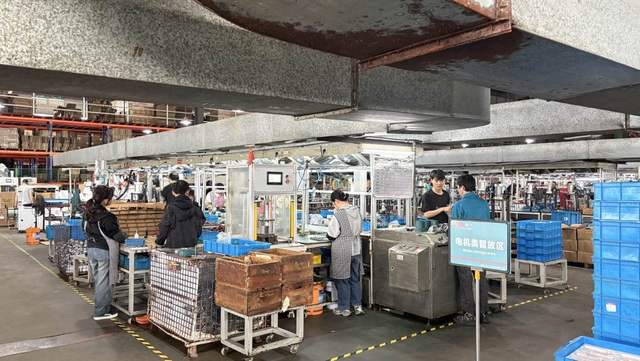
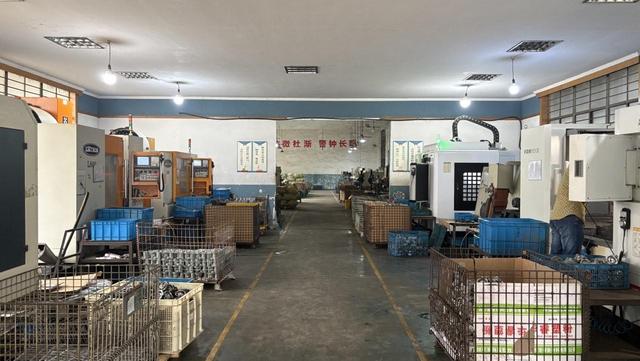
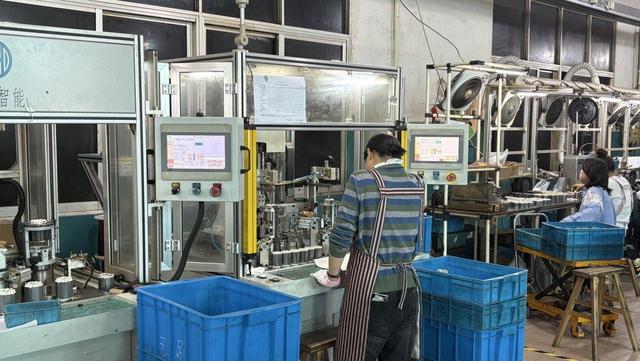
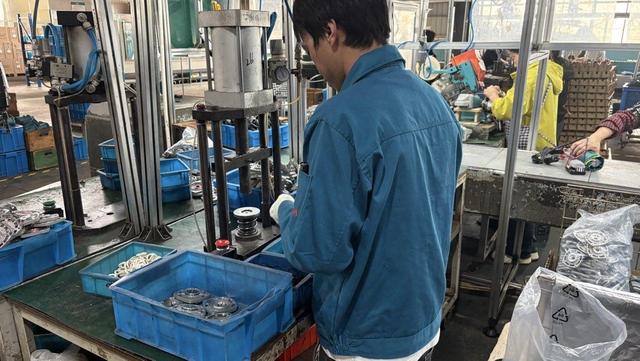
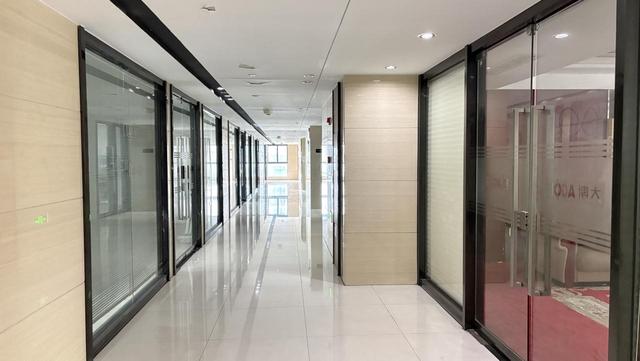
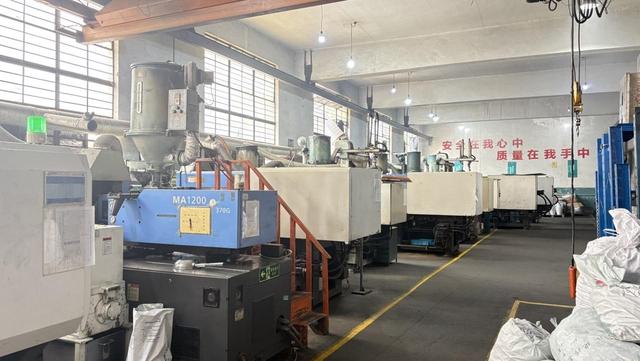
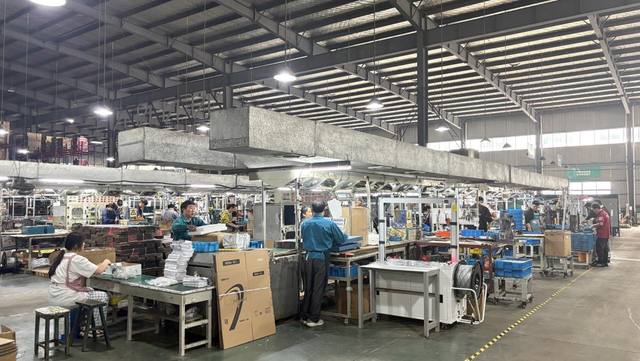
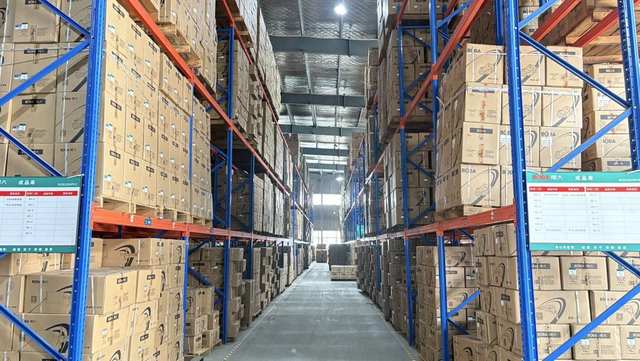
Our Manufacturing Facilities & Inspection Instruments

Technical Q&A / FAQ

Expert insights on choosing, configuring, and optimizing energy-saving industrial cutting tools.

Q1: How do low-friction coatings directly reduce the energy consumption of a CNC machine?
A1: Low-friction coatings (such as DLC or multi-layer AlTiN) reduce the friction between the tool's rake face and the escaping chip. Since less energy is lost as frictional heat, the cutting forces decrease. Consequently, the spindle motor requires less current to maintain its target rotational speed under load.
Q2: Can energy-saving tools maintain high cutting speeds in hard materials like Titanium Alloy?
A2: Yes. Tools like our 68HRC Solid Carbide Ball Nose End Mill with Specialized Gold Coating are designed to withstand high temperatures and wear. By maintaining a sharp cutting edge and using high-thermal barrier coatings, they prevent the tool from dulling, which keeps cutting forces and energy spikes to a minimum even during long runs.
Q3: What makes rotary transfer systems more efficient than conventional standalone machines?
A3: Rotary transfer systems combine multiple operations into a single continuous setup. By minimizing workpiece loading and unloading, reducing index time, and utilizing simultaneous multi-axis machining, they cut down on unproductive spindle idle time. This increases throughput per kilowatt-hour of electricity consumed.
Q4: Does Carto Tool support fully customized OEM/ODM tool configurations?
A4: Yes. We work closely with global industrial customers to design custom tool geometries, choose carbide substrates, and specify coatings tailored to their materials. This process optimizes tool performance for specific production lines, maximizing lifetime and cycle efficiency.
Q5: How does tool wear affect the overall energy performance of industrial machinery?
A5: As a cutting tool wears, its edge rounds and friction increases. This leads to plowing rather than clean shearing of the metal. The mechanical forces required to cut the material rise, causing the CNC spindle and feed axes to draw more electric power to complete the same machining cycle.

Heavy Duty Machining & Special Application Systems

Explore our second selection of heavy-duty industrial tooling, press molds, and high-frequency cutting configurations.

Industrial-Grade Circular Garage Parking Equipment

Industrial-Grade Circular Garage Parking Equipment: Heavy-Duty Structure

View Details
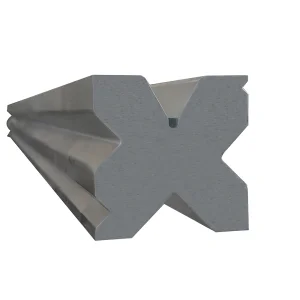
Multi-V Lower Die Bottom Tool for Bending

Multi-V Lower Die Bottom Tool for Bending 4 Way Mold Press Brake Tool

View Details
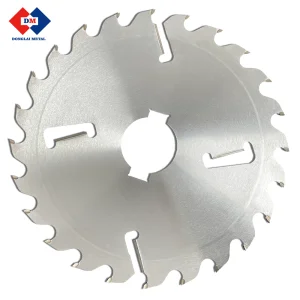
Long-Life Industrial DM 250 Multi-Blade Saw

Long-Life Industrial DM 250 36T Multi-Blade Saw High-Temperature Quenching

View Details
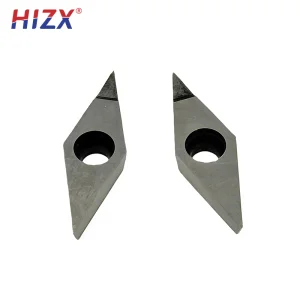
Wholesale Diamond-Coated Cutting Blades

Wholesale Diamond-Coated Cutting Blades with Diamond-Shaped Inner Ring CBN

View Details
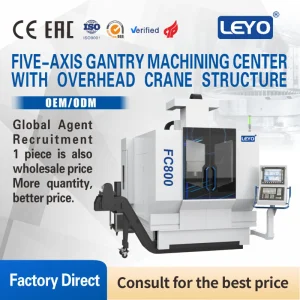
Heavy Duty Leyo CNC 5-Axis Gantry Milling Machine

Heavy Duty Leyo CNC 5-Axis Precision Gantry Milling Machine System

View Details
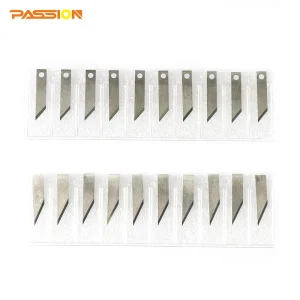
Oscillating Drag Blade Tangential Tungsten Carbide Slitting Cutter

Oscillating Drag Blade Tangential Tungsten Carbide Slitting Cutter Knife

View Details
Steel Rolling Cutter carbide Hot Rolling Cutter

Steel Rolling Cuttercarbide Hot Rolling Cutter Cold Rolling Blade Shear Blade

View Details
Tungsten Solid Carbide Flat Square End Mill

Tungsten Solid Carbide HRC50 HRC55 HRC65 Flat Square End Mill Milling Cutter

View Details