Understanding why cutting tools wear out so fast in machining is crucial for manufacturers. Tool wear impacts production efficiency and product quality. Recent industry reports indicate that improper tool selection and machining parameters contribute significantly to this issue. In fact, studies show that about 30% of cutting tool failures are due to incorrect setups.
Various factors lead to rapid tool wear. High cutting speeds and feeds can increase the temperature at the cutting edge. This, in turn, accelerates wear. A report by the Manufacturing Technology Association shows that nearly 40% of machine shops experience unexpected tool failures, often linked to material properties and environmental conditions.
Moreover, the choice of material for both the cutting tools and the workpiece plays a crucial role. Some materials cause higher friction, increasing wear rates. It's essential for industry professionals to ask themselves not just why do cutting tools wear out so fast in machining, but also how to optimize their practices. Continuous evaluation of machining processes is necessary for improvement.
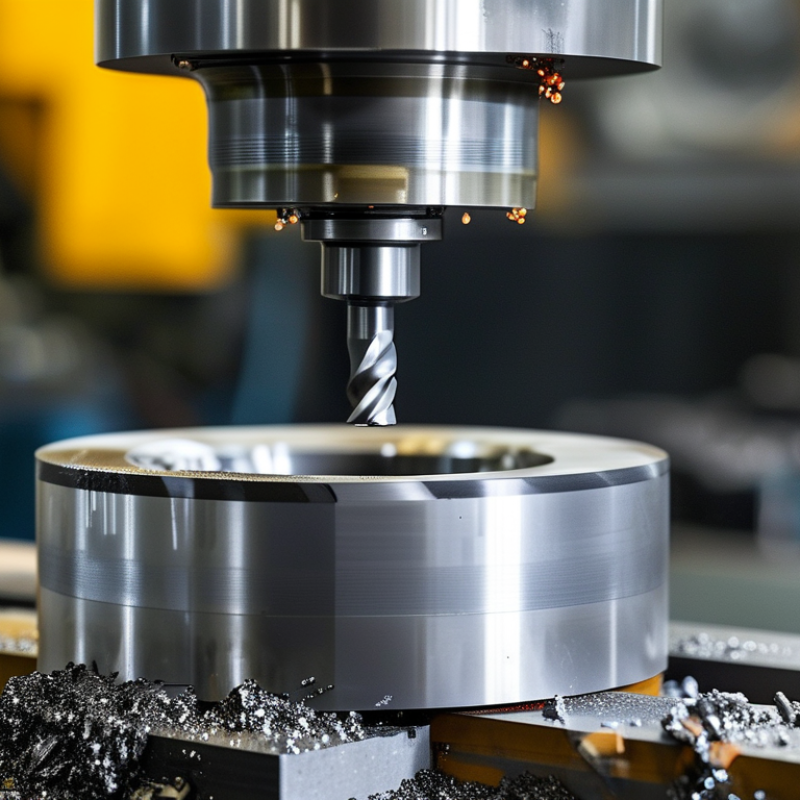
Cutting tools experience wear due to several factors in machining processes. One prominent influence is the material being cut. Harder materials lead to more rapid tool degradation. Additionally, higher cutting speeds can increase friction, further accelerating wear on the tool edges. Tool geometry also plays a crucial role; incorrect angles can lead to uneven wear.
Tips: Regularly inspect tools for signs of wear. Adjust cutting parameters based on the material. This can help extend tool life significantly.
Coolant usage is another critical factor. Proper cooling reduces temperatures at the tool-workpiece interface. Insufficient cooling can result in thermal fatigue and quick tool failure. Also, vibrations during machining can cause inconsistent cutting forces. This uneven impact can result in premature wear or even catastrophic tool failure.
Tips: Maintain a steady feed rate to minimize vibrations. Use the right type of coolant for your specific application. Remember, consistent monitoring is key to optimal performance.
Cutting tools are essential in machining processes. They vary in material, design, and application, which affects their wear mechanisms. Understanding these mechanisms helps identify why tools wear out quickly.
High-speed steel (HSS) tools experience wear mainly due to abrasion and heat. The friction created during cutting generates heat, leading to thermal fatigue. Some operators may neglect the cooling process, which exacerbates wear. Carbide tools, on the other hand, resist wear but are susceptible to chipping under shock loads. Users often face challenges in balancing cutting speed and tool durability.
Ceramics and polycrystalline diamond (PCD) tools also serve specific purposes. They excel in high-speed applications but can wear due to chemical reactions with the workpiece material. Users should continuously monitor wear patterns and adjust parameters. A proper understanding of these specific wear mechanisms can lead to reduced tool wear and improved machining efficiency. Constant reflection on tool performance is essential for better results.
In machining, tool longevity heavily relies on several machining parameters. Studies indicate that cutting speed, feed rate, and depth of cut significantly influence tool wear. For instance, increasing cutting speed can accelerate wear by up to 30%. High speeds generate more heat, which can lead to premature failure.
Feed rate also plays a crucial role. A higher feed rate typically increases material removal rates but can lead to excessive pressure on cutting edges. This pressure can cause tools to wear out faster than expected. Research shows that adjusting feed rates can extend tool life by 20% or more under optimal conditions.
Moreover, the depth of cut affects chip load. A larger depth can enhance productivity but may increase wear rates as well. It is vital to balance efficiency with wear resistance. Operators often overlook these parameters, leading to unexpected downtime. Understanding the relationship between machining parameters and tool wear is essential for improving manufacturing processes.
Cutting tool wear is a critical issue in machining. Understanding the material properties that influence this wear can help improve tool performance. Different materials behave uniquely under cutting conditions. Factors like hardness, toughness, and thermal conductivity are paramount. Harder materials generally resist wear better, but they may be brittle. Balancing hard and tough materials is vital for optimal performance.
High-speed steel and carbide are common choices for cutting tools. However, their properties can change due to temperature. Elevated temperatures can lead to softening and accelerated wear. This often gets overlooked in tool selection. Machinists need to factor in how materials react in different environments.
Material choice isn't the only consideration. Coating technologies can affect wear resistance. But, not all coatings are suitable for every material application. Sometimes, the right coating can make a significant difference. It's essential to evaluate which coatings work best with specific cutting tool materials. This is often a trial-and-error process. Understanding these nuances can lead to improved machining outcomes.
Cutting tools in machining wear out quickly due to several factors:
material friction,
heat generation, and
tool design.
The machining process pushes tools to their limits. Inefficient cooling contributes to excessive wear.
Operators often overlook the importance of
proper tool material selection.
High-speed steels may not always be the best choice for specific tasks.
To reduce tool wear, consider optimizing cutting parameters.
Adjust feed rates and cutting speeds based on the material being machined.
Slower speeds can prolong tool life but may slow production.
Balancing efficiency and tool longevity is tricky but essential.
Experimentation may lead to insights that help refine these parameters.
Regular maintenance is crucial. Worn tools can cause vibration, reducing accuracy and more wear.
Operators should inspect tools frequently and replace them before performance declines.
Providing adequate training can empower operators.
Well-informed technicians can make better decisions.
Their insights can lead to improved machining strategies and reduced costs over time.
: HSS tools mainly experience wear due to abrasion and heat from cutting friction.
Neglecting cooling leads to heat buildup, which increases thermal fatigue and accelerates tool wear.
Carbide tools resist wear but can chip under shock loads, presenting unique challenges in use.
Increasing cutting speed can accelerate wear by up to 30% due to higher heat generation.
A higher feed rate increases pressure on cutting edges, leading to faster tool wear than anticipated.
Optimizing parameters can extend tool life by 20% or more under the right conditions, enhancing efficiency.
A larger depth of cut enhances productivity but may also increase wear rates, requiring careful balance.
Regular inspections and timely replacements prevent performance decline and reduce vibration-related wear.
Providing adequate training empowers operators to understand wear mechanisms and make informed choices.
Many operators overlook key parameters, which can lead to unexpected downtime and increased costs.
Understanding why cutting tools wear out so fast in machining involves examining several critical factors. The types of cutting tools used and their specific wear mechanisms play a significant role, as certain materials may degrade faster under specific conditions. Various machining parameters, such as speed, feed rate, and depth of cut, also significantly impact tool longevity. Furthermore, the inherent material properties of the cutting tool can determine its resistance to wear, highlighting the importance of selecting the right tool for the job.
To mitigate rapid tool wear, it's essential to implement effective strategies that aim at optimizing machining conditions, such as adjusting parameters and utilizing appropriate cutting fluids. By carefully analyzing the interplay of these factors, manufacturers can better comprehend the underlying reasons behind tool wear and develop solutions to enhance tool life and machining efficiency.

Carto Tool