In the world of industrial machining, optimizing tool life can significantly enhance productivity and reduce costs. Experts like Dr. John Smith, a noted authority in machining technology, emphasize, “The key to improving tool life in industrial machining lies in understanding wear mechanisms.” As industries strive for greater efficiency, the quest for effective strategies to extend tool lifespan becomes paramount.
Understanding how to improve tool life in industrial machining involves several actionable strategies. Utilizing advanced materials, like ceramics and coated tools, can lead to greater wear resistance. Regular tool monitoring and maintenance are critical, as they preempt issues that can cause premature failure. Additionally, adapting machining parameters to suit specific materials can greatly influence tool longevity.
It’s important to reflect on the complexities involved in this process. Many manufacturers overlook proper lubrication, which is crucial for reducing friction and heat. Misaligned tools can also lead to uneven wear and increased costs. Acknowledging these aspects is vital for developing a robust approach to tool longevity. As we explore these tips, the industry must remain open to continuous improvement and innovation in machining practices.
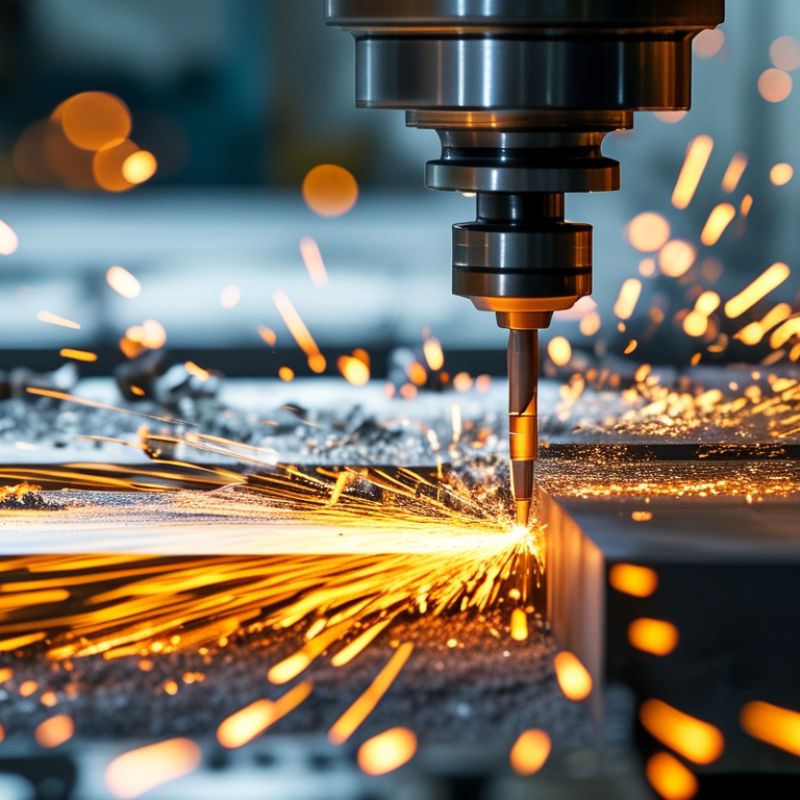
Understanding tool life in industrial machining is crucial for enhancing productivity and cost-efficiency. Tool life refers to the duration a cutting tool can perform its intended function before it becomes unusable. Factors like material type, cutting speed, and feed rate significantly influence this lifespan. An experienced machinist must understand these variables.
Monitoring wear patterns is essential. Regular inspections reveal how different materials interact with tools. It's common to see unexpected wear in certain applications. Minor adjustments can lead to substantial improvements. Operators should use reliable measurement tools to track performance and anticipate when replacements are due.
Implementing a structured maintenance routine can extend tool life. However, this requires discipline. Operators often overlook maintenance in favor of immediate production goals. This can lead to greater downtime later. A balanced approach that values both productivity and tool longevity is necessary for sustainable machining practices.
: Tool life is the duration a cutting tool can function before it becomes unusable.
Factors include material type, cutting speed, and feed rate. They significantly influence how long a tool lasts.
Operators should inspect tools regularly. This reveals wear patterns and unexpected tool behavior in different applications.
A structured maintenance routine can extend tool life. However, operators often neglect it for immediate production goals.
Consider hardness, toughness, and thermal stability. These attributes influence the performance and longevity of the tools.
The chosen material may not withstand continuous use, leading to premature tool failure. Reflection on wear patterns is crucial.
Different materials and conditions suit various applications. Assess the workpiece material and environment carefully before selection.
Focusing on productivity can lead to increased downtime later due to neglected maintenance. Balance is key for sustainability.
Regular tool inspections provide feedback. Reflecting on past performances helps refine choices for future projects.
Many overlook the importance of maintenance, leading to reduced tool life and productivity challenges. Reflection is necessary for improvement.
In the realm of industrial machining, understanding tool life is crucial for enhancing productivity and efficiency. Tool life refers to the duration a cutting tool can perform its intended function before it needs to be replaced or reconditioned. Several key factors, such as material properties, cutting speeds, and feed rates, significantly influence tool longevity. To improve tool life in industrial machining, it is essential to select the appropriate tool materials that can withstand the operational demands and to optimize machining parameters for specific applications.
Employing best practices in tool selection and adjusting machining conditions can dramatically affect performance outcomes. Effective maintenance strategies also play a vital role in extending tool life, allowing for minimal downtime and maximal output. By implementing these techniques and focusing on how to improve tool life in industrial machining, manufacturers can achieve more efficient operations and reduce overall costs.

 Carto Tool