Top Tips to Reduce Production Costs in Metal Cutting?

Time:2026-08-18 Author:Ethan
0%

In the competitive landscape of metal cutting, understanding how to reduce production cost in metal cutting is essential. According to a recent report by the Metalworking Industry Association, production costs can consume up to 70% of total expenses. This staggering percentage highlights the urgency for manufacturers to rethink their strategies.

One key approach is optimizing machining processes. Data indicates that improving operational efficiency can lead to a 20% reduction in costs. Additionally, embracing advanced technologies like automated cutting tools can further enhance productivity. However, these innovations come with initial investment risks that warrant careful consideration.

Moreover, workforce training plays a critical role. The National Institute for Metalworking Skills emphasizes that well-trained employees can significantly lower error rates during cutting operations. Still, investing in training requires a commitment that some companies may hesitate to make. Each solution presents unique challenges, demanding thorough evaluation and strategic planning to ensure meaningful cost reduction without compromising quality.
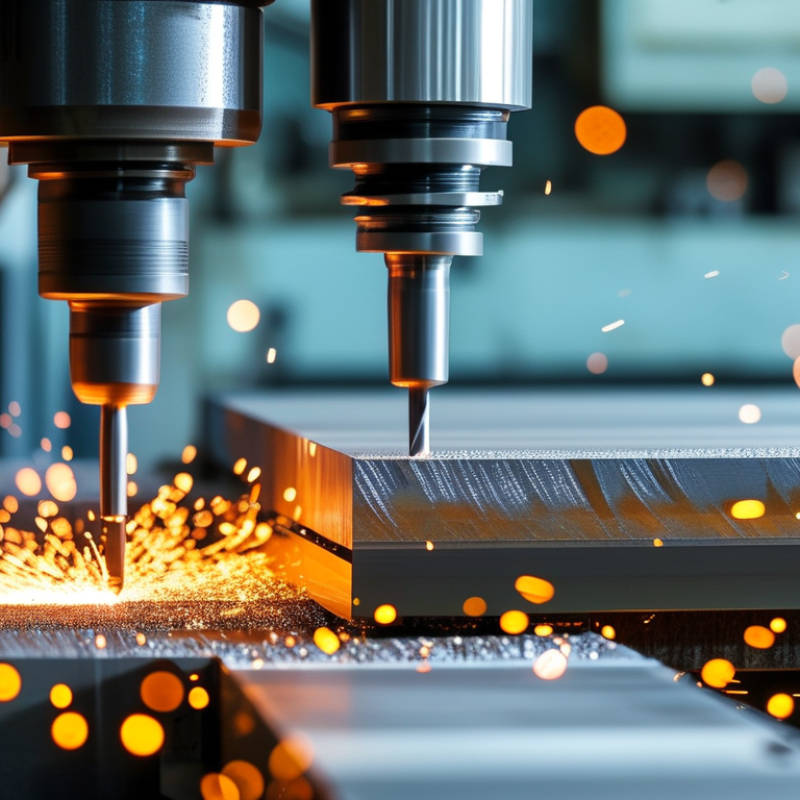
Top Tips to Reduce Production Costs in Metal Cutting?

Identifying Key Areas for Cost Reduction in Metal Cutting Operations

In the realm of metal cutting operations, focusing on cost reduction is vital. One area to consider is tool selection. High-quality cutting tools can seem expensive upfront. However, studies show that using durable materials reduces overall costs by up to 30%. These tools last longer, minimizing the frequency of replacements. The initial investment can lead to significant savings over time.

Another key area involves optimizing machine utilization. Research indicates that machines in manufacturing plants often run at only 60% capacity. Implementing better scheduling can increase this to 85% or more. This shift can enhance productivity without the need for additional equipment. Moreover, real-time monitoring of machine performance can uncover hidden inefficiencies that contribute to unnecessary costs.

Lastly, staff training plays a critical role. Employees equipped with the right skills can operate machines more efficiently. A report from the Metal Industries Association highlights that investing in training can boost productivity by 25%. However, many companies overlook this aspect. Rethinking workforce development can yield substantial returns without major capital investment. These reflections point to areas ripe for improvement, encouraging leaders to reassess their strategies.

Top Tips to Reduce Production Costs in Metal Cutting

Implementing Efficient Tooling Strategies to Minimize Waste

Tooling strategies are crucial in minimizing waste during metal cutting. Efficiency can drastically reduce production costs. Studies show that up to 20% of expenses arise from tool management alone. Choosing the right tools and optimizing usage can enhance productivity while reducing scrap rates.

Implementing efficient tooling strategies includes frequent tool maintenance. Properly maintained tools operate at peak performance. Research indicates that a dull tool can increase cutting times by 40%. Regular checks on tool sharpness can save both time and materials. Additionally, using advanced materials like carbide can extend tool life, reducing turnover rates.

Consider adopting automated tool changers. They ensure minimal downtime and improve workflow efficiency. Reports suggest that automation can enhance production speed by 30%. However, the initial investment can be daunting. Evaluating the return on investment (ROI) is critical. Balancing costs with long-term gains is a profound consideration for any manufacturer.

This approach to tooling should not be overlooked. Adjustments can lead to significant improvements, yet many companies still grapple with outdated methods. Embracing new technologies remains a challenge for the industry.

Adopting Advanced Technologies to Enhance Production Processes

In today's competitive landscape, advanced technologies play a crucial role in metal cutting processes. Automation is a game changer. It minimizes human error and enhances precision. Machines equipped with AI algorithms can predict tool wear. This reduces downtime and improves efficiency.

Implementing smart sensors can also optimize operations. These sensors collect real-time data, helping to adjust machine parameters quickly. This not only cuts costs but also reduces waste. However, integrating these technologies is not without challenges. Training staff on new systems can be time-consuming and sometimes met with resistance.

Another consideration is the initial investment in technology. The costs may seem daunting for smaller businesses. However, the long-term savings in production efficiency often outweigh the initial expenditure. Companies must weigh their options carefully, considering both short-term disruption and long-term gains. Adopting advanced technologies is a journey. Each step must be monitored for effectiveness, and adjustments made when necessary.

Optimizing Material Selection for Cost-Effectiveness in Cutting

When optimizing material selection for metal cutting, cost-effectiveness should be a priority. Different metals have distinct properties that influence both performance and expense. For instance, aluminum is lightweight and less expensive than steel, yet may not hold up in high-stress environments. Choosing the right material requires careful consideration of the project's specific demands.

Quality of materials can affect overall production costs. Some cheaper materials might lead to increased wear on tools, resulting in higher maintenance expenses. Evaluating the longevity and durability of materials is essential. If a less durable material leads to frequent replacements, initial savings may evaporate quickly. Manufacturers should assess not only the upfront costs but also long-term implications.

It's crucial to involve a team with diverse expertise in selecting materials. Different perspectives can lead to more informed decisions. Collaborating with engineers and cost analysts helps identify potential hidden costs. Engaging in trial cuts with various materials could reveal unexpected challenges. This hands-on approach ensures that the selected material aligns with budgetary constraints while meeting performance standards.

Top Tips to Reduce Production Costs in Metal Cutting

Material Type Cost per Unit ($) Average Cutting Speed (m/min) Durability (Hours) Waste Percentage (%)
Aluminum 3.50 60 200 5
Mild Steel 2.50 40 150 8
Stainless Steel 4.00 30 100 10
Titanium 10.00 20 80 15
Copper 6.00 50 120 7

Training Workforce to Improve Efficiency and Reduce Downtime

Training the workforce is crucial in metal cutting industries. Enhanced skills contribute significantly to efficiency. According to a report by the National Institute of Standards and Technology, properly trained workers can increase productivity by up to 20%. This is not just about machine operation; it includes understanding materials and processes.

Regular training sessions can reduce downtime. Employees who are well-versed in equipment limitations can prevent costly errors. In fact, studies show that up to 30% of production downtime is due to human error. Offering targeted training can mitigate these risks. Companies should consider investing in simulation-based training that allows technicians to practice without disrupting real production.

Moreover, encouraging a culture of continuous learning creates adaptability. Workers equipped with the latest industry knowledge can respond better to technological advancements. This proactive approach involves learning from past mistakes. Reflection on training outcomes can illuminate areas for further development. Embracing imperfections in processes can lead to improved methods and significant cost savings.

FAQS

: What is a key strategy for reducing costs in metal cutting operations?

: Tool selection plays a vital role in cost reduction. High-quality tools can lower costs by up to 30%.

How can machine utilization be improved?

Many machines operate at only 60% capacity. Better scheduling may increase this to 85%, improving productivity.

Why is staff training important in metal cutting?

Properly trained staff can improve machine efficiency. Training can boost productivity by 25%, yet many overlook it.

What should be considered when selecting materials for cutting?

Different metals have unique properties. Choose materials based on specific project demands to optimize cost-effectiveness.

How can cheaper materials impact production costs?

Cheaper materials may wear out tools faster, leading to higher maintenance costs. Long-term durability is essential.

What approach helps in selecting the right materials?

Involve a diverse team of experts. Collaboration can reveal hidden costs and improve material selection decisions.

How does real-time monitoring contribute to cost reduction?

Monitoring machine performance can reveal inefficiencies. Addressing these can reduce unnecessary costs and enhance productivity.

Can investing in high-quality tools be worth it?

While costly upfront, high-quality tools last longer. They lead to significant savings by reducing replacement frequency.

What is a common oversight in cost reduction strategies?

Many companies neglect staff training. Investing in workforce development can yield substantial returns with minimal investment.

Why is trial cutting beneficial?

Trial cuts with different materials can uncover challenges. They ensure the selected material meets performance standards within budgets.

Conclusion

In the pursuit of understanding how to reduce production cost in metal cutting, several key strategies can be implemented. First, identifying critical areas for cost reduction within metal cutting operations allows businesses to focus their efforts where they can achieve the most significant impact. By streamlining tooling strategies, companies can minimize waste and maximize the efficiency of resources used in the cutting process.

Additionally, adopting advanced technologies can significantly enhance production processes, leading to increased accuracy and efficiency. Careful selection of materials not only impacts the overall quality of the product but also plays a crucial role in ensuring cost-effectiveness. Finally, investing in workforce training helps to improve operational efficiency and reduce downtime, ultimately contributing to lower production costs. By employing these tactics, businesses can effectively navigate the complexities of metal cutting while maintaining profitability.

Ethan

Ethan

Ethan is a seasoned marketing professional with a deep expertise in our company's innovative product line. With a passion for sharing knowledge and insights, he takes the lead in regularly updating our corporate blog, where he explores industry trends, product features, and effective marketing......