In the metal cutting industry, overheating poses significant challenges. Reports indicate that excessive heat can reduce tool life by up to 50%. Understanding how to prevent overheating in metal cutting operations is crucial for maintaining efficiency and product quality. Moreover, heat can lead to warping and surface defects, which directly impact production costs.
Efficient cooling methods are essential. Flood coolant or mist systems are commonly used, yet many operations overlook the importance of optimizing coolant application. Additionally, tool geometry and material play vital roles in heat generation. Selecting the right tool can minimize friction and thermal buildup.
Despite these strategies, many companies still face overheating issues. Some may focus solely on production speed, neglecting the necessary cooling measures. Recognizing that balancing productivity with effective temperature management is imperative can help mitigate these risks. Industry leaders need to consistently evaluate processes to identify weaknesses in their overheating prevention strategies.
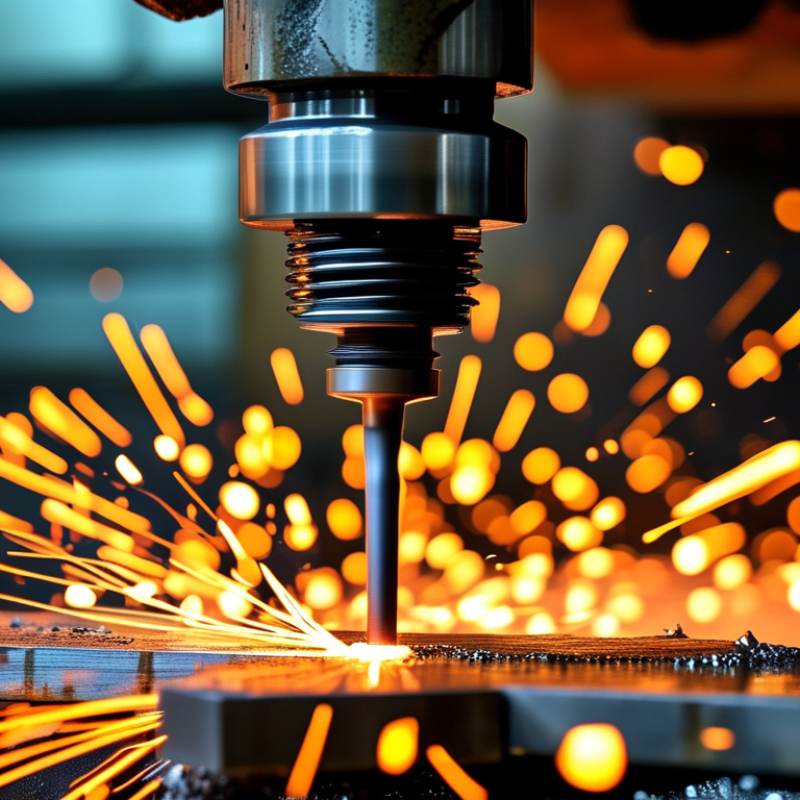
Overheating during metal cutting processes is a significant concern for manufacturers. High temperatures can lead to reduced tool life and poor surface finishes. According to a study by the American National Standards Institute, around 40% of tool wear is attributed to excessive heat. Understanding the causes of overheating is vital for improving efficiency.
One primary factor that contributes to overheating is inadequate lubrication. Insufficient coolant can lead to friction between the tool and the workpiece. This friction generates heat, causing thermal distortion and premature tool wear. A report from the Metal Cutting Institute highlights that proper coolant application can reduce temperatures by up to 25%. Additionally, cutting speeds are crucial; speeds that are too high can produce excessive heat.
Operators often overlook the impact of tool geometry on overheating. A blunt tool can create more friction. A sharp tool, in contrast, slices through material efficiently. Regularly inspecting and maintaining tools is essential. The Society of Manufacturing Engineers reported that consistent monitoring can improve tool life by 30%. Awareness of these factors can greatly enhance thermal management in cutting operations.
This chart illustrates the common causes of overheating in metal cutting operations and their relative impact on the machining process. By understanding these factors, operators can take steps to mitigate overheating and improve efficiency.
Overheating is a common challenge in metal cutting operations. Several factors contribute to this issue. One major factor is the cutting speed. When the cutting speed is too high, it generates excessive friction. This friction increases the temperature of both the tool and the workpiece. According to the National Institute for Metalworking Skills, optimal speeds can reduce tool wear by 20%.
Another significant contributor is inadequate cooling. Proper lubrication and coolant application are essential to dissipate heat. Research indicates that a well-cooled tool can operate at temperature levels up to 30% lower. Furthermore, tool material plays a critical role. Harder materials can withstand higher temperatures, but they may also become brittle. A study published in the Journal of Manufacturing Processes highlights that using the right tool material can enhance performance significantly.
Often, operators overlook the balance of cutting parameters, leading to suboptimal results and potential equipment damage. Continuous education on these parameters is vital for improving efficiency in machining processes.
Effective heat management is crucial in metal cutting operations. When cutting metal, friction generates a significant amount of heat. This heat can lead to tool wear, distortions, and even workpiece damage. Managing this heat is essential to maintain precision and prolong the tool life.
One effective technique is to use proper cutting speeds. Slower speeds can reduce heat but may increase cutting time. Experimenting with speeds is necessary to find the right balance. Additionally, cooling systems, like mist or flood cooling, can effectively dissipate heat. The choice of coolant also influences heat management, as some fluids provide better thermal conductivity than others.
Tool materials play a critical role as well. Investing in high-quality tools made from materials that withstand high temperatures can help. However, even the best tools require regular assessment. Operators should monitor for signs of wear or overheating during operations. Reflecting on these practices can lead to continuous improvement in metal cutting efficiencies.
| Technique | Description | Effectiveness | Recommended Usage |
|---|---|---|---|
| Coolant Application | Use of water-based or oil-based coolants to directly cool the cutting area. | High | For high-precision cutting operations. |
| Tool Material Selection | Choosing harder materials like carbide or ceramics for tools that can withstand heat better. | Medium | For repetitive cutting of hard materials. |
| Optimal Cutting Speed | Adjusting the cutting speed to reduce friction and thermal generation. | High | For various materials, tailored based on testing. |
| Process Optimization | Applying proper feed rates and depth of cut to reduce load. | High | In all machining processes. |
| Regular Tool Maintenance | Ensuring tools are sharpened and in good condition to minimize friction. | Medium | Periodic checks during production. |
Choosing the right cutting tools and materials is crucial for preventing overheating during metal cutting operations. The heat generated during cutting can compromise tool life and workpiece quality. Harder materials often require specialized tools that can withstand high temperatures. Selecting materials with good thermal conductivity may help dissipate heat quickly.
Tool geometry plays a significant role in heat management. A sharp cutting edge reduces friction and heat generation. Use tools with coatings designed to minimize thermal effects. Materials like carbide or high-speed steel can be effective. However, they come with their challenges, like brittleness. Regularly inspecting and replacing dull tools can make a difference.
Incorporating coolant or lubricant can also improve heat management. Using the right type can enhance performance. Still, it’s important to examine how coolants interact with different metals. Misusing them may lead to other issues. Always monitor cutting speeds and feeds, as these settings impact temperature. Adjusting them based on material can prevent overheating effectively.
In metal cutting operations, effective cooling methods and lubricants play a crucial role in preventing overheating. According to the Metalworking Industry Report 2022, improper cooling can reduce tool life by up to 50%. This emphasizes the need for effective thermal management. One common strategy is using coolant fluids, which can absorb heat and preserve cutting efficiency. Water-based coolants are often preferred for their thermal conductivity.
Lubricants also reduce friction between cutting tools and workpieces. A study from Machining Technology Insights noted that the right lubricant can extend tool life by 30%. Many operators now adopt minimum quantity lubrication (MQL) systems to apply lubricants more effectively. However, some operations may neglect this approach, leading to excess heat and increased wear. Observing the application method is essential for maximizing benefits.
Still, the use of cooling methods and lubricants is not without challenges. Some operators face difficulties in maintaining optimal coolant concentrations. Inconsistent flow rates can lead to uneven cooling, undermining the effectiveness of chosen methods. Regular monitoring and adjustments are vital to ensure that cooling and lubrication are consistent throughout the cutting process.
: Inadequate lubrication and excessive cutting speeds generate friction, leading to high temperatures.
A blunt tool increases friction and heat, while a sharp tool cuts efficiently and reduces overheating.
Cooling methods absorb heat and preserve tool life, crucial for maintaining cutting efficiency.
Regularly monitor coolant concentration and flow rates to ensure consistent cooling throughout operations.
MQL is a method that applies lubricants effectively, reducing friction and heat during cutting.
Regular assessments can improve tool life by identifying wear and preventing overheating.
Slower speeds can reduce heat but may increase cutting time. Balance is key.
Water-based coolants are often preferred due to their superior thermal conductivity.
High-quality tools can withstand high temperatures better, prolonging their lifespan with proper care.
Difficulties in maintaining coolant concentrations and flow rates can lead to uneven cooling and increased wear.
Effective management of heat is crucial in metal cutting operations to prevent overheating, which can lead to poor material quality and tool damage. Understanding the causes of overheating—such as excessive speed, feed rates, and improper tool selection—is the first step in addressing the issue. Factors like material type and cutting environment also play significant roles.
To learn how to prevent overheating in metal cutting operations, operators should focus on selecting appropriate cutting tools and materials that can withstand higher temperatures. Implementing effective cooling methods, such as using lubricants and fluid cooling systems, can significantly reduce heat buildup. Additionally, adjusting parameters like feed rate and cutting speed can improve thermal efficiency and prolong tool life. By incorporating these techniques, manufacturers can enhance productivity and ensure optimal performance in metal cutting processes.

Carto Tool