In the realm of precision machining, encountering inconsistency can be frustrating. Many manufacturers often ask, "why is my machining accuracy inconsistent?" According to Dr. Emily Chen, a renowned expert in CNC machining, “Understanding the root causes of inconsistency is crucial for improvement.” This insight highlights the importance of assessing both equipment and process parameters.
Operators in China frequently face issues related to tool wear, environmental conditions, and machine calibration. For instance, a minor change in temperature can lead to noticeable deviations in machining accuracy. Inconsistencies can occur due to overlooked preventive maintenance. Ensuring regular equipment checks is vital for sustaining precision.
Reflecting on these challenges is essential for process enhancement. Often, machine operators might not identify small issues before they escalate. Establishing a proactive approach can significantly reduce the inconsistencies. Identifying the reasons behind “why is my machining accuracy inconsistent” may require a thorough analysis of both human and technical factors, leading to better solutions and outcomes in the long run.
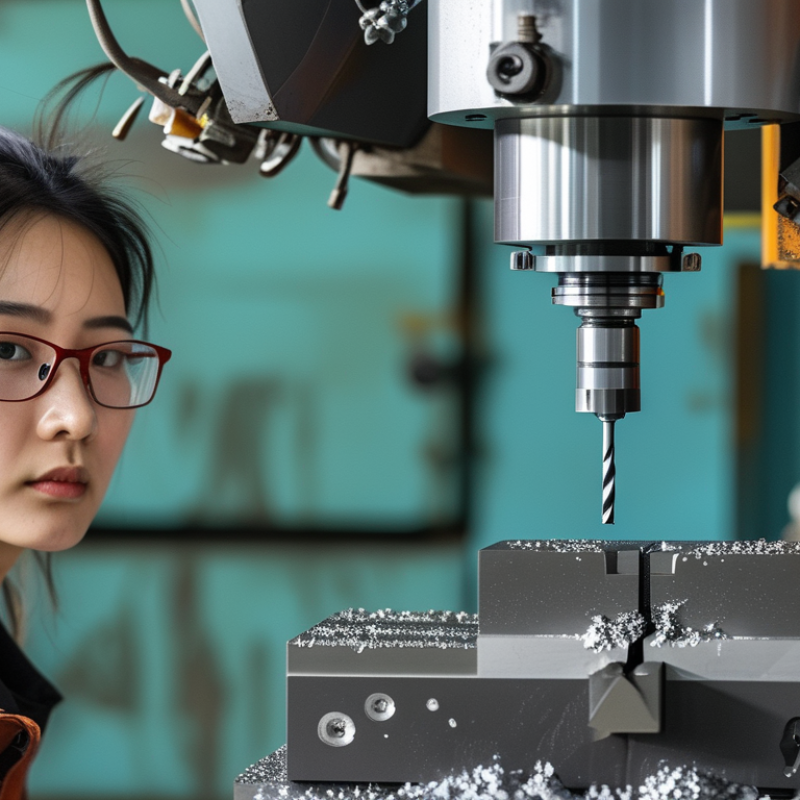
Machining accuracy in China can vary significantly. It is crucial to understand the local standards that govern machining practices. While many factories meet basic requirements, not all adhere to stricter precision guidelines. This inconsistency may stem from variations in equipment, worker skill levels, and management practices.
An essential aspect of machining accuracy is adherence to specific tolerances defined by international and local standards. Many companies overlook these details, leading to discrepancies in production quality. Ensuring that operators are trained to understand these standards can mitigate these issues. Feedback loops among teams can also improve outcomes over time, though such practices are often neglected.
Machines wear down, tools break, and errors can creep in unnoticed. Regular maintenance checks and employee training sessions are often not prioritized. This oversight can lead to long-term challenges. Each production run offers a chance to identify and correct mistakes, but without a culture of continuous improvement, these opportunities may be missed. By engaging the workforce and instilling a mindset of quality, manufacturers can aim for greater precision and consistency in their outputs.
Machining inaccuracy can stem from various factors during the manufacturing process. Common causes include tool wear, improper setup, and environmental conditions. A worn cutting tool can lead to unpredictable results. Regularly checking and replacing tools can mitigate this issue.
Another factor is the setup time of the machining components. Inadequate alignment can cause errors in dimensions. It is vital to ensure that fixtures, jigs, and components are accurately positioned. A thorough inspection before commencing work can help avoid discrepancies.
Tips: Always document your machining parameters. This allows for analysis and can help identify patterns of inaccuracy. Create a checklist for setup processes to ensure no step is overlooked. Additionally, maintaining a stable environment for machining operations can greatly enhance consistency. Addressing environmental factors like temperature and humidity can have a significant impact.
Machine tool calibration plays a critical role in ensuring precision in machining. When tools are not properly calibrated, inaccuracies can arise. This leads to poor part quality and wasted materials. Many manufacturers overlook calibration schedules, thinking their machines are fine. However, even small deviations can drastically affect outcomes.
Consider a scenario where the alignment of a CNC machine drifts over time. Operators may notice consistent errors in certain dimensions, yet they may not associate it with calibration. Awareness of this connection is key. Regular checks can prevent significant production issues. Neglecting this vital process could result in costly rework.
Moreover, external factors like temperature changes and vibration also impact calibration. Machines operating in environments with fluctuating conditions may require more frequent adjustments. Inconsistent accuracy can stem from these unaddressed issues. Reflecting on these seemingly minor details can lead to substantial improvements in precision levels. Keeping an eye on calibration processes is essential in a manufacturing setting.
This chart represents the machining accuracy levels observed in various precision levels in China. The data indicates inconsistency in machining accuracy, which could be influenced by factors such as machine tool calibration and maintenance practices.
Material selection plays a crucial role in achieving consistent machining accuracy. Various materials possess unique properties that greatly influence the outcomes of machining processes. For instance, metals like aluminum offer excellent machinability but may warp under stress. Conversely, materials like titanium are strong yet can be challenging to machine accurately due to their hardness. According to a study by the National Institute of Standards and Technology, material variability accounts for approximately 15% of inaccuracies in machining processes.
The environmental conditions during machining also impact accuracy. Factors such as temperature fluctuations can lead to thermal expansion, affecting precise dimensions. In a controlled environment, precision components can maintain tolerances within ±0.005 inches. However, in fluctuating conditions, tolerances can drift to ±0.010 inches or more, resulting in undesirable inconsistencies. Machinists need to reflect on their material choices and the conditions under which they operate. The material's response to machining forces can significantly affect the final product's reliability.
Furthermore, unexpected complications may arise during the machining of certain materials. For example, softer materials can cause tool wear at an unexpected rate, which may compromise accuracy over time. Regular monitoring and adjustments are necessary to maintain high standards. Industry reports highlight that investing in quality materials and understanding their properties can lead to improved machining accuracy and reduced waste. Ensuring proper training on material characteristics is essential for operators to enhance overall machining performance.
Inconsistent machining accuracy is a common challenge faced by manufacturers. To tackle this issue, implementing best practices is crucial. Regularly calibrating machines can significantly enhance precision. Over time, wear and tear can affect tools, leading to deviations in measurements. Scheduled maintenance can identify potential problems early.
Investing in advanced technologies can also improve machining consistency. Utilizing CNC machines with adaptive control systems helps adjust parameters in real time. These systems can correct errors as they occur, reducing waste and increasing quality. Additionally, using high-quality materials and tools ensures better performance and durability.
However, it’s important to remember that not all solutions will fit every operation. Each facility has unique challenges. Frequent assessments and process adjustments may be necessary. Gathering feedback from operators can offer insights into areas needing improvement. An open dialogue can reveal underlying issues often overlooked in data reports. Emphasizing collaboration within teams creates a culture of continuous improvement.
: Common causes include tool wear, improper setup, and environmental conditions.
A worn cutting tool can lead to unpredictable results. Regular checks and replacements help mitigate this issue.
Inadequate alignment can cause errors in dimensions. Accurate positioning of components is vital for success.
Documentation allows for analysis and helps identify patterns of inaccuracy over time.
Addressing environmental factors like temperature and humidity can significantly impact machining consistency.
Uncalibrated tools lead to inaccuracies, poor part quality, and wasted materials. Regular calibration checks are essential.
Temperature changes and vibrations can affect calibration, requiring more frequent adjustments in fluctuating conditions.
Regular calibration, scheduled maintenance, and using high-quality materials can significantly enhance precision.
Advanced technologies like CNC machines with adaptive control adjust parameters in real time, reducing waste.
Open dialogue and feedback from operators reveal underlying issues. Collaboration fosters a culture of continuous improvement.
The article "Why is My Machining Accuracy Inconsistent in China Best Solutions?" delves into the critical factors affecting machining accuracy within the Chinese manufacturing sector. It begins by outlining the standards for machining accuracy in China, providing a benchmark for quality assessment. Common causes of inaccuracy are explored, including errors in manufacturing processes and the importance of proper machine tool calibration, which can significantly influence precision levels.
Additionally, the article highlights the role of material selection in ensuring consistent machining outcomes. To mitigate issues related to inconsistency, it concludes with best practices and advanced technologies that can enhance machining precision. By understanding these aspects, manufacturers can effectively address the question of "why is my machining accuracy inconsistent" and implement strategies to improve overall production quality.

Carto Tool