Metal fabrication productivity is not simply a matter of asking crews to work faster. A shop can have skilled welders and modern equipment yet lose hours to unclear drawings, repeated setups, misplaced fixtures, or material waiting beside a machine. To understand how to improve productivity in metal fabrication shops, managers need to examine the full path from quote and cutting to forming, welding, finishing, and shipment. Small delays add up. A missing clamp can stall a job; an inaccurate work order can send a whole batch back for correction.
Industrial engineer Shigeo Shingo, known for his work on manufacturing improvement, offered a useful warning: “The most dangerous kind of waste is the waste we do not recognize.” His point applies on the shop floor. Track setup time, machine downtime, rework, and on-time delivery, then compare the numbers with what operators see each day. Ask where parts queue, which jobs change priorities, and why a weld needs a second pass. Listen carefully.
This guide explores practical ways to reduce those losses without compromising safety or workmanship. It covers workflow, preventive maintenance, operator training, scheduling, and simple visual controls. Results depend on the shop’s mix of jobs and equipment, so no single fix works everywhere. A better layout may help one team, while clearer job packets matter more to another. Even experienced managers can misread a bottleneck. The useful habit is to test changes, measure what happens, and admit when an idea did not work.
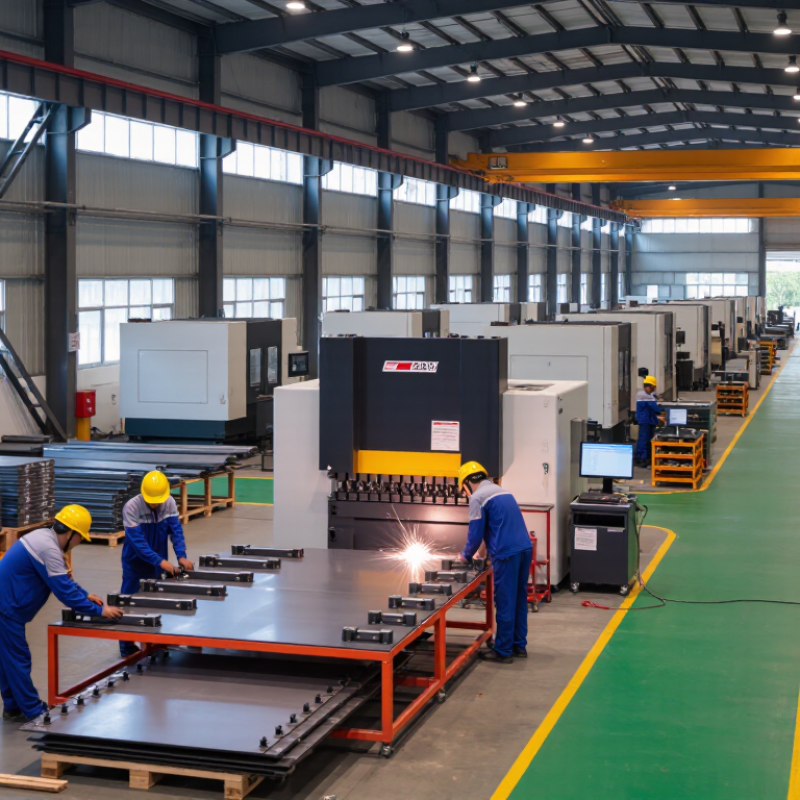
Assessing Current Shop Performance and Workflow
Improving productivity starts with an honest picture of how work moves through the shop. Track a typical job from drawing review to final inspection, noting queue time, setup time, cutting, forming, welding, and rework. A simple time log beside the work order can reveal that a part spends hours waiting for a fixture, even when machine time is brief. Measure on-time completion, first-pass quality, and work-in-process alongside output. More parts per shift may hide growing defects.
Walk the floor during different shifts. Look for carts blocking aisles, material stored far from the next operation, and operators pausing to find gauges or drawings. Ask workers where jobs most often stall; their answers can expose issues that reports miss. A stopwatch alone can mislead. Record normal variation, such as a long setup caused by a mixed batch, and compare similar jobs before changing the schedule. The first assessment will not be perfect. That is useful: mark assumptions, check them against another week of data, and map handoffs between departments. A clear baseline helps managers distinguish a true bottleneck from a busy-looking machine.
Planning Jobs, Materials, and Production Schedules
Productivity in a metal fabrication shop often starts before the first cut. A useful job plan lists operations, required tools, target quantities, and inspection points. Note setup time separately from run time; otherwise, a small batch can look deceptively quick on paper. Keep drawings and revision details with the work order, so operators do not rely on an outdated print.
Materials need equal attention. Check stock dimensions, grade, and quantity against the job before scheduling it. A missing sheet or tube can stall a whole work cell. Stage the next job’s materials near the work area, but keep aisles and access to machines clear. Label remnants with their size and grade. They can save money later, though a poorly tracked offcut may waste time instead.
Build the production schedule around actual capacity, not ideal conditions. Include machine changeovers, maintenance, and time for quality checks. Grouping similar work can reduce tool changes, but too much batching may leave urgent orders waiting. Plans are estimates, not promises. Review the schedule each day with shop leads, and update it when material, labor, or machine availability changes. A simple board showing job status and blockers can help; still, it will not fix unrealistic deadlines. Notice where estimates repeatedly miss, then adjust them.
Optimizing Equipment, Layout, and Work Methods
Metal fabrication productivity often slips between machines, not at them. Put frequently paired processes close together: cutting near deburring, and forming near welding. Keep forklift lanes clear and mark material staging zones on the floor. A sheet waiting across the shop is hidden work in progress. Measure travel distance for a week before moving heavy equipment; a tidy-looking layout can still create awkward handling.
Equipment uptime matters, but utilization alone can mislead. Track changeover time, unplanned stops, scrap, and queue time by work center. Deloitte and MAPI’s 2019 Smart Factory study projected that smart-factory initiatives could raise productivity by 12% and output by 10%. Those figures are estimates, not guaranteed shop-floor results. Start with reliable machine logs and simple visual checks before adding automation. Standardize work instructions for setup, tool changes, and first-piece inspection, while letting operators flag steps that do not fit real jobs. That feedback is easy to overlook.
Tips: Keep common gauges and tools at each cell. Set a daily five-minute review for blocked jobs and machine faults. Test one layout change for two weeks, then compare travel time, rework, and throughput. If results are mixed, revise the plan; the first idea may be wrong.
How to Improve Productivity in Metal Fabrication Shops
Optimizing Equipment, Layout, and Work Methods
This illustrative planning scenario compares time per part across common fabrication steps. A better-organized layout, reduced setup delays, and coordinated work methods lower the example total from 70 to 52 minutes per part. Actual results vary by shop, product, and process.
Developing Workforce Skills and Standardized Procedures
Metal fabrication productivity depends on skilled hands and repeatable methods.
Train operators on print reading, weld symbols, machine setup, and in-process inspection. Pair experienced fabricators with newer employees at the press brake or welding cell, then let trainees practice on real parts under supervision. The need is substantial: a 2021 Deloitte and Manufacturing Institute study estimated that 2.1 million U.S. manufacturing jobs could go unfilled by 2030. That projection covers manufacturing broadly, not metal shops alone, but it highlights the value of building skills before vacancies disrupt schedules.
Standardized procedures make good work easier to repeat.
Create concise setup sheets with material grade, tooling, machine settings, first-piece checks, and photos of acceptable results. Keep them beside the equipment, and revise them when operators find a safer or more reliable method. A procedure should guide judgment, not replace it. A checklist can feel mechanical; poorly written instructions can also preserve a bad habit. Review them with the people doing the work.
Tips: Track training sign-offs and first-pass yield by operation. Ask operators to explain unclear steps. Test procedure changes on a small batch, record setup time and defects, then update the sheet. Keep instructions short enough to use with gloves on.
Measuring Results and Sustaining Improvements
A productivity gain is only real when the shop can repeat it. Track a small set of measures: good parts per labor hour, first-pass yield, setup time, rework hours, and on-time completion. Record a baseline before changing a cutting sequence or fixture. Compare like jobs, not unlike product mixes. A faster shift that creates more scrap is not an improvement.
NIST’s 2023 MEP National Network Annual Report records $1.6 billion in client-reported cost savings. That figure spans many kinds of projects, so it is not a fabrication-shop benchmark. It does show why savings need to be documented. For each change, note the date, machine, job type, labor hours, and material loss. A simple shift log can reveal whether results hold on nights and weekends. Data gets messy.
Review the numbers weekly with operators and supervisors. If setup time falls but late orders rise, inspect scheduling before celebrating. Keep successful changes in work instructions, fixture settings, and training records. Assign an owner to each measure, then check it after 30, 60, and 90 days. Some improvements fade when workloads spike; that is worth admitting. A missed target should trigger a brief investigation, not a rushed reset of the process.
How to Improve Productivity in Metal Fabrication Shops - Measuring Results and Sustaining Improvements
Example measurement period: 12 weeks. The figures below are illustrative shop-floor data for demonstrating how to track improvement; they are not attributed to a specific company or facility.
| Performance Dimension |
Baseline |
After 12 Weeks |
Change |
Measurement and Sustaining Practice |
| Good parts shipped per direct labor hour |
1.42 parts/hour |
1.58 parts/hour |
+11.3% |
Calculate weekly using accepted shipped parts divided by direct labor hours. Review by process and product mix. |
| On-time delivery |
78% |
91% |
+13 percentage points |
Track orders completed by the committed date. Review late orders and their causes in a weekly production meeting. |
| Machine setup time |
52 minutes |
39 minutes |
−25.0% |
Record the time from the last good part of one job to the first good part of the next. Standardize setup steps and prepare tools in advance. |
| First-pass yield |
91.5% |
94.2% |
+2.7 percentage points |
Measure parts accepted without rework divided by parts processed. Use defect checks and corrective actions at the point of work. |
| Scrap and rework rate |
6.8% |
4.9% |
−1.9 percentage points |
Record scrap and rework separately as a share of production. Review the largest recurring defect types each week. |
| Unplanned machine downtime |
9.5% of scheduled time |
7.2% of scheduled time |
−2.3 percentage points |
Log downtime by machine, duration, and reason. Assign owners to recurring issues and verify completed preventive maintenance. |
| Work in process (WIP) |
8.4 production days |
6.7 production days |
−20.2% |
Estimate WIP days from open production quantities and average daily output. Check queue sizes at bottleneck work centers. |
| Routines for Sustaining Improvements |
| Daily performance review |
Update key measures at shift end |
Owner: shift lead |
Use a visible board to note target, actual result, any gap, and the next action. Keep the review brief and consistent. |
| Weekly improvement check |
Review trends and open actions |
Owner: production team |
Confirm whether improvements are holding, investigate unfavorable trends, and assign a responsible person and due date for each action. |
| Monthly standard-work audit |
Check setup, maintenance, and quality standards |
Owner: area supervisor |
Observe work at the process, correct gaps, and update documented procedures when an approved change becomes the new standard. |
Conclusion
Improving productivity in a metal fabrication shop starts with understanding how work moves through the facility. Review current performance, identify bottlenecks, delays, rework, and unused capacity, then plan jobs around realistic priorities, material availability, and production schedules. Clear planning helps teams reduce avoidable interruptions and keep work flowing from one stage to the next.
To determine how to improve productivity in metal fabrication shops, also examine equipment use, workspace layout, and everyday work methods. Organize tools and materials for convenient access, maintain equipment, and develop employees’ skills through practical training and consistent procedures. Finally, track useful measures such as completion times, quality, and downtime. Regularly reviewing results helps the shop identify what is working, address new problems, and sustain improvements over time.

 Carto Tool