In the world of metal cutting, understanding what causes poor surface finish is crucial for producing quality parts. Renowned expert Dr. John Smith, a leading figure in machining technologies, has remarked, "A flawless surface finish stems from a deep understanding of the cutting process." This statement underscores the multifaceted nature of achieving optimal outcomes in metal cutting.
Identifying the root causes of poor surface finish can often be perplexing. Factors such as tool wear, cutting speed, and feed rates significantly influence the final product quality. For instance, a worn tool may not only affect precision but also generate vibration, leading to surface imperfections. Moreover, the choice of cutting fluid can either enhance or hinder the process, making it imperative to choose wisely.
Reflection on these aspects reveals that even experienced machinists can overlook simple factors, resulting in inconsistent results. Thorough analysis and testing can reveal underlying issues, prompting constant improvement. Understanding what causes poor surface finish in metal cutting is not just about technical skills; it requires a commitment to continual learning and adaptation. The journey of refining this process can lead to significant advancements in manufacturing efficiency and product quality.
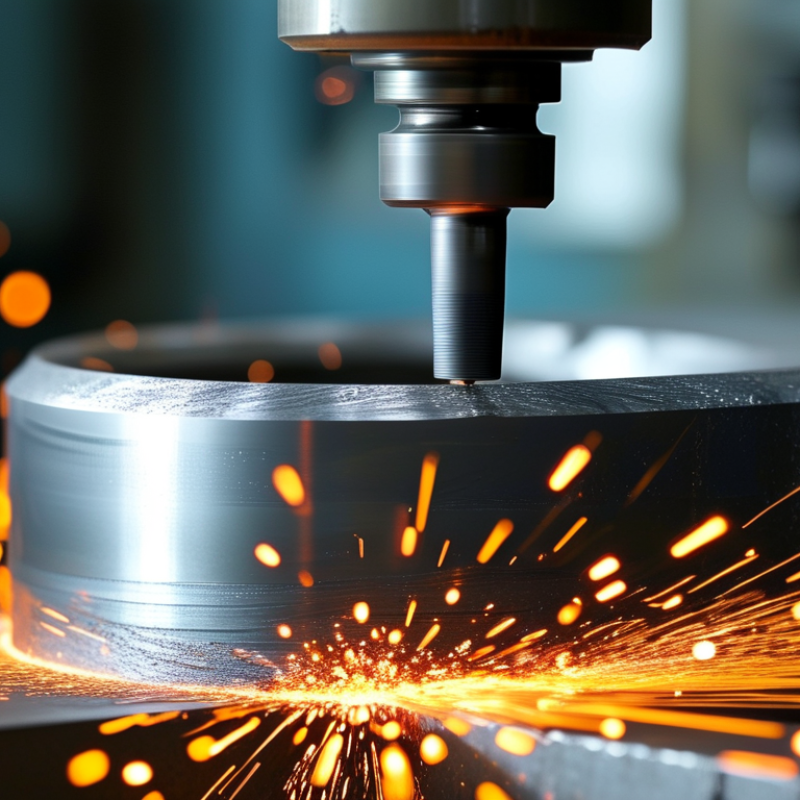
Tool wear is a significant factor affecting surface finish in metal cutting processes. As tools become worn, their cutting edges degrade, leading to increased friction and heat. This can result in a rougher surface on the workpiece. Monitoring the wear on your tools is crucial for maintaining quality in production.
Tips: Regularly inspect the cutting edges of your tools. Look for signs of chipping or dullness. Replace or sharpen tools when necessary to avoid poor surface finishes.
Another point to consider is the tool material. Certain materials may wear faster under specific conditions. This can exacerbate surface finish issues. It's essential to evaluate the tool selection based on application requirements.
Tips: Pay attention to the cutting parameters, such as speed and feed rate. Adjustments can reduce wear and improve the surface finish. Conducting test cuts can help in finding the optimal settings.
In metal cutting, the surface finish can significantly affect product quality. Evaluating cutting parameters is essential. Factors such as feed rate, cutting speed, and tool geometry directly impact the surface quality in machining processes.
A study from the Journal of Manufacturing Science highlights that inappropriate cutting speeds can lead to poor surface finishes. For example, too high a speed may cause a rough surface due to tool wear. Moreover, an inadequate feed rate can create excessive tool pressure. This pressure can result in vibrations, leading to a wavy surface that is undesirable.
Tip: Always check the manufacturer’s guidelines for optimal cutting speeds and feeds matched to the material used.
Additionally, tooling can also influence surface quality. The right tool material and coating can reduce friction and wear, enhancing the finish. Reports indicate that using coated carbide tools can improve surface finish by up to 30% compared to uncoated tools.
Tip: Regularly inspect your tools for wear and tear. Replace them to avoid diminishing returns in surface quality.
Understanding how these parameters interact will help in diagnosing issues that lead to poor surface finishes. Continuous evaluation and adjustment of these factors are crucial for maintaining high-quality production standards.
The surface finish of machined metal parts heavily depends on the workpiece material properties. Materials such as aluminum, steel, and titanium exhibit different behaviors under cutting conditions. Aluminum may produce a smoother finish, while steel can lead to rougher surfaces due to its toughness. Understanding these characteristics is crucial for manufacturers aiming for precision.
Cutting speed and tool material affect the workpiece interaction. A harder material may create more heat, affecting surface quality. The thermal properties play a vital role in chip formation and material removal rates. High temperatures can cause deformation, which negatively impacts the finish. A careful balance must be maintained to minimize these effects.
Machinists often encounter variability in surface finishes, even when using the same material and tools. Factors like tool wear and machine settings can lead to inconsistent outcomes. Addressing these inconsistencies requires a thorough investigation into workpiece properties and machining parameters. Embracing reflection on past experiences is essential for improvement in achieving desired results.
In metal cutting, achieving a high-quality surface finish is crucial. The role of coolant and lubrication cannot be overlooked. These elements help reduce friction, dissipate heat, and remove chips. Poor surface finish often stems from inadequate lubrication, leading to tool wear and increased surface roughness.
Choosing the right coolant is essential. Not all coolants are suitable for every metal type. Water-soluble coolants may cause rust on certain metals. In contrast, oil-based coolants provide superior lubrication but can create a film that obstructs chip removal. Evaluating the compatibility of the coolant with the material can significantly influence surface integrity.
Tips: Always monitor the viscosity of the coolant. Too thick can hinder flow, while too thin may not provide adequate protection. Regularly check the pH levels and cleanliness of the coolant to prevent contamination. Experimenting with different lubrication techniques, such as minimum quantity lubrication, can yield better outcomes. Balancing these factors requires ongoing adjustment and experimentation for optimal results.
Machine tool stability plays a critical role in achieving a high-quality surface finish in metal cutting. When cutting tools vibrate or experience excessive movement, it can lead to rough surfaces. A well-balanced machine setup minimizes vibrations. This helps maintain consistent contact between the tool and the workpiece. Regular maintenance checks can enhance machine performance. Observing tool wear patterns can reveal underlying stability issues.
Monitoring the cutting parameters is essential for optimal results. Parameters like feed rate and spindle speed can directly impact the finish. An unstable machine may lead to variable cutting forces. This unpredictability can create an uneven texture on the workpiece. It’s important to experiment with different settings. Often, minor adjustments can lead to substantial improvements.
Sometimes, operators overlook stability factors. They may focus too much on tooling and materials. Yet, the machine’s foundation is equally vital. If the surroundings are not stable, vibrations will persist. Operators should assess the environment. A solid, level workspace can make a difference. Careful consideration of these factors fosters better outcomes in surface finish.
| Cause | Effect on Surface Finish | Recommended Solution |
|---|---|---|
| Tool Wear | Increased roughness, tool marks | Regular tool inspection and replacement |
| Vibration | Chatter marks, inconsistent finish | Improving machine rigidity and setup |
| Incorrect Cutting Parameters | Poor surface quality, excess material removal | Optimization of cutting speed, feed rate |
| Workpiece Material Properties | Difficult to achieve fine finish | Use appropriate tools based on material |
| Inadequate Cooling/Lubrication | Overheating, surface discoloration | Ensure proper coolant application |
: Tool wear significantly affects surface finish. Worn edges lead to increased friction and heat.
Regularly inspect cutting edges for chipping or dullness. Replace or sharpen tools as needed.
Different materials behave differently. For example, aluminum may produce smoother finishes than steel.
Cutting speed and feed rate are essential. Adjusting them can reduce wear and improve surface finish.
Coolant reduces friction, dissipates heat, and removes chips. Inadequate lubrication can worsen surface finish.
Compatibility with the metal type is crucial. Water-based coolants might cause rust, while oil-based ones may obstruct chip removal.
High temperatures can cause material deformation, negatively impacting the finish. Balancing heat generation is essential.
Tool wear and machine settings can lead to inconsistencies. Thorough investigation helps identify issues.
Experiment with different techniques. Minimum quantity lubrication might provide better outcomes for surface integrity.
Monitor viscosity, pH levels, and cleanliness. This prevents contamination and ensures effective lubrication.
Identifying what causes poor surface finish in metal cutting involves a comprehensive analysis of various factors impacting machining outcomes. One critical aspect is tool wear, which can significantly degrade surface quality if not monitored and managed effectively. Additionally, evaluating cutting parameters, such as speed and feed rates, plays a vital role in achieving optimal surface finishes. The properties of the workpiece material must also be considered, as they influence the cutting process and the resulting surface integrity.
Coolant and lubrication contribute significantly to the maintenance of surface quality during machining operations by reducing friction and heat. Furthermore, machine tool stability is essential for minimizing vibrations that can adversely affect surface finish. By understanding these elements, operators can better identify and mitigate the causes of poor surface finish in metal cutting, leading to improved product quality and performance.

Carto Tool