When it comes to CNC machining, one of the most pressing issues is vibration. Understanding how to reduce vibration during CNC machining can significantly enhance the quality of the final product. Excessive vibrations can lead to inaccuracies in cuts and increased wear on equipment, resulting in costly repairs. Therefore, effective vibration management is crucial for achieving precision and efficiency in machining operations.
Many factors contribute to vibration, including machine setup, tool selection, and workpiece material. Addressing these can sometimes feel overwhelming. Implementing effective strategies may seem straightforward, but results can vary based on specific circumstances. Attention to detail is vital. A small misalignment can escalate into a significant issue. Each machine operates differently, and what works for one may not suit another. These factors require careful observation and adaptation.
The importance of reliable practices in vibration reduction cannot be overstated. Experienced machinists understand that even minor adjustments can yield considerable improvements. However, there isn't a one-size-fits-all solution to this challenge. It's valuable to continually evaluate the effectiveness of various techniques. By doing so, operators can ensure optimal performance and longevity of their CNC machines.
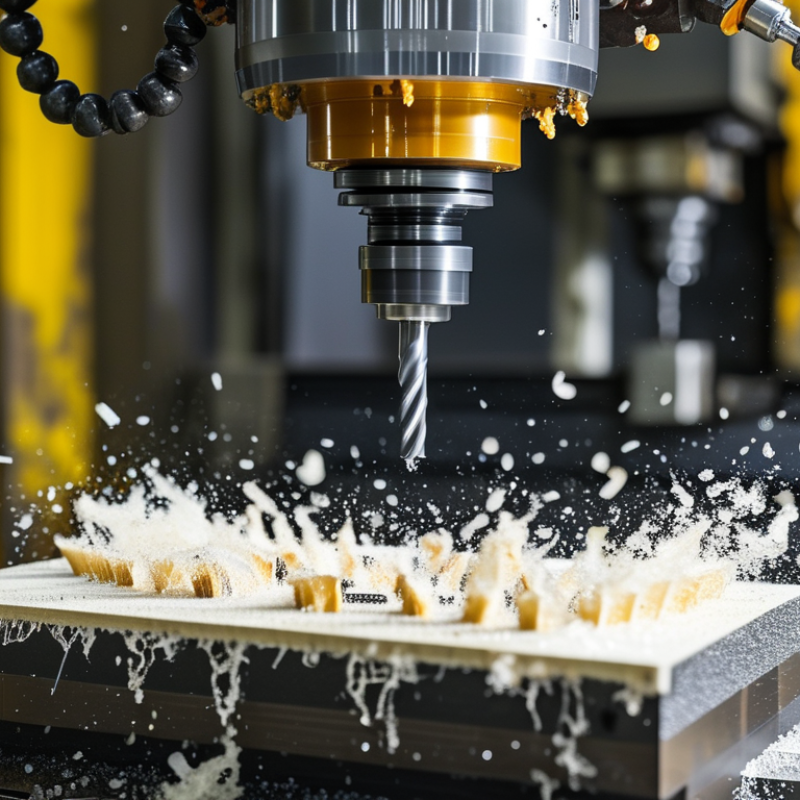
Understanding the Sources of Vibration in CNC Machining
Understanding the sources of vibration in CNC machining is crucial for improving machining accuracy and quality. Machinery movements, tool wear, and workpiece material can all contribute to vibration. Tool path errors and incorrect feed rates often exacerbate these issues. Each machine produces its unique vibrations, which can affect performance significantly.
One common source of vibration arises from unbalanced rotating components. These unbalanced parts can lead to erratic motions during operation. Additionally, worn-out bearings might increase vibration levels, leading to further inaccuracies. The rigidity of the machine setup is vital. If the setup is not stable, even minor vibrations can lead to significant errors in the finished product.
It’s important to conduct regular maintenance and inspections to mitigate these vibrations. Operators should pay attention to any unusual sounds or movements during machining. Recording and analyzing these vibrations can aid in understanding their sources better. Addressing vibration sources is often overlooked, yet it is essential for achieving optimal performance in CNC machining.
Choosing the Right Cutting Tools to Minimize Vibration
Choosing the right cutting tools is crucial for minimizing vibration in CNC machining. Vibration can lead to decreased accuracy and lower operational efficiency. Research indicates that improper tool selection may result in up to 30% reduced tool life. Thus, it's vital to ensure that the tools used match the machining conditions.
For effective vibration reduction, consider the tool material and design. Carbide tools, for example, provide better rigidity than high-speed steel. This rigidity helps dampen vibrations during cutting. Moreover, using tools specifically designed for your material can lead to improved performance. Data from industry reports highlight that using optimized geometry can enhance stability and reduce chatter.
Monitoring feed rates and cutting speed also impacts vibration levels significantly. Inappropriate speeds can exacerbate vibration. It’s often overlooked, yet adjusting these parameters can lead to substantial changes in machining outcomes. Ultimately, while we can select quality tools, we must remain vigilant about our machining strategies. Continuous evaluation and refinement of processes are essential to achieve the best results.
10 Effective Tips to Reduce Vibration During CNC Machining
| Tip Number |
Tip Description |
Effectiveness (%) |
Recommended Cutting Tool Type |
| 1 |
Choose the right cutting speed |
90% |
High-speed steel tools |
| 2 |
Use rigid workholding |
85% |
Vises or clamps |
| 3 |
Implement proper tool geometry |
80% |
End mills with optimized shape |
| 4 |
Balance the cutting tool |
95% |
Balanced carbide tools |
| 5 |
Select appropriate feed rate |
88% |
Variable pitch tools |
| 6 |
Reduce tool overhang |
82% |
Shorter cutting tools |
| 7 |
Dampening systems |
78% |
Vibration dampening tools |
| 8 |
Use high-quality tooling |
91% |
Premium coated tools |
| 9 |
Optimize machine settings |
86% |
CNC machine software |
| 10 |
Conduct regular maintenance |
89% |
General-purpose tools |
Optimizing Feed Rates and Spindle Speeds for Stability
In CNC machining, optimizing feed rates and spindle speeds is essential for stability and precision. When setting these parameters, operators must consider the specific material characteristics. For example, softer materials may require higher feed rates, while harder materials often need slower rates. Finding the right balance can minimize vibration during the machining process.
Spindle speed also plays a crucial role. Sometimes, operators tend to push the speeds too high to increase productivity. However, excessive speeds can lead to chatter and instability. It is vital to have a good understanding of the material being machined. Adjusting spindle speed based on the workpiece will enhance surface finish and extend tool life.
Moreover, the interplay between feed rate and spindle speed must be carefully calibrated. A mismatch can cause unwanted vibrations, leading to poor-quality output. Regularly revisiting these settings is important. Operators should document changes and outcomes, creating a feedback loop for continuous improvement. This iterative process is vital for achieving optimal performance in CNC machining.
Implementing Vibration Damping Techniques to Enhance Precision
Vibration can significantly affect the accuracy of CNC machining. Implementing effective vibration damping techniques is crucial. One common method involves using vibration-damping materials. These materials absorb vibrations, reducing their transfer to the workpiece. Examples include rubber and specialized composites. Ensuring proper installation enhances their effectiveness.
Another useful approach is to optimize machine setup. This includes securing the workpiece firmly and selecting appropriate tooling. Check the spindle speed and feed rates. High-speed machining can create excessive vibrations, impacting precision. It may require adjustments during production to maintain accuracy.
Regular maintenance of CNC machines is vital. Worn components can lead to increased vibrations, resulting in defects. Keeping machines clean and well-lubricated helps prevent operational issues. There is always room for improvement in these practices. Reflecting on past projects can provide insights into better vibration management. Addressing the subtle details may lead to a more refined machining process.
Vibration Damping Techniques in CNC Machining
Regular Maintenance and Calibration for Improved Performance
Regular maintenance and calibration are crucial in CNC machining to minimize vibration. According to industry reports, roughly 25% of productivity loss in manufacturing stems from equipment inefficiencies, including excessive vibration. This not only reduces accuracy but increases wear on machines. Well-maintained CNC machines operate at optimal performance, reducing these vibrations significantly.
Periodic inspections help identify potential issues before they escalate. For instance, aligning spindle bearings can reduce vibration levels by up to 30%. Additionally, calibrating the machine settings can result in improved tolerances and smoother operations. However, many facilities neglect these procedures due to time constraints or cost-cutting measures. This oversight can lead to more significant problems down the line, impacting overall productivity.
The importance of regular checks cannot be overstated. Regularly cleaning and lubricating moving parts contribute to reducing frictions that lead to vibrations. Data indicates that machines failing to receive necessary maintenance can experience up to a 50% increase in downtime. Reflecting on existing practices can reveal gaps in maintenance routines, prompting improvements that enhance machining stability and efficiency.
Conclusion
In the world of CNC machining, understanding how to reduce vibration during CNC machining is crucial for achieving high precision and quality in production. The sources of vibration can often be traced back to incorrect tool selection, inappropriate feed rates, and spindle speeds that do not provide stability. By choosing the right cutting tools and optimizing these parameters, machinists can significantly minimize vibrations.
Furthermore, implementing effective vibration damping techniques can enhance precision, allowing for more accurate machining. Regular maintenance and calibration of CNC machines are also vital, as they ensure improved performance and longevity of the equipment. By integrating these strategies, manufacturers can effectively reduce vibration and improve overall machining outcomes.

 Carto Tool