Why Does My Cutting Tool Break During Operation Tips for Buyers

Time:2026-07-14 Author:Ethan
0%

The durability of cutting tools is crucial in manufacturing. According to a 2022 report by the Tooling and Manufacturing Association, cutting tool breakage accounts for over 30% of machine downtime. This raises the question, "why does my cutting tool break during operation?" Experts in the field emphasize the importance of understanding the underlying causes. Dr. Emily Harding, a leading materials scientist, states, “Understanding tool dynamics is essential to prevent breakage and improve productivity.”

Common factors influencing tool breakage include improper cutting speeds and feed rates. Additionally, the material being cut plays a significant role. For instance, harder materials can create more wear and tear. Many operators need to reflect on their setups and practices. Are they using the right tools for specific applications?

Inconsistent maintenance can also lead to drastic failures. Noticing early signs of wear can prevent larger issues. As Dr. Harding mentions, "By adjusting operational parameters, manufacturers can enhance tool longevity." A thorough analysis of these elements will help buyers make informed decisions.
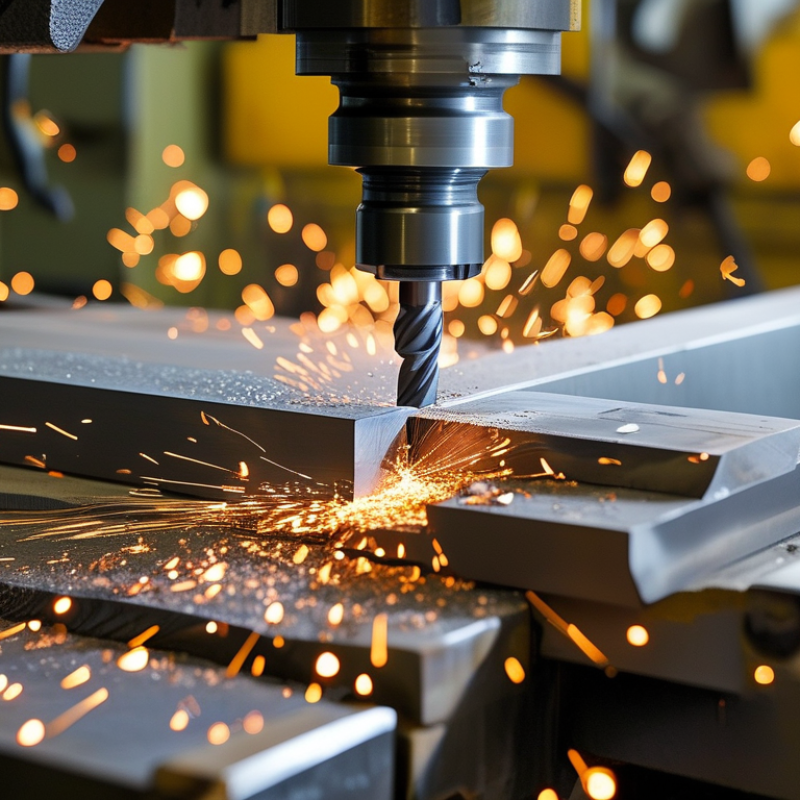
Why Does My Cutting Tool Break During Operation Tips for Buyers

Understanding the Common Causes of Cutting Tool Breakage

Cutting tool breakage during operation can be frustrating. Understanding the common causes is essential for any buyer. One primary factor is excessive wear. When tools operate beyond their optimal lifespan, they become brittle. This can lead to sudden failures, especially during heavy machining tasks.

Another critical cause is improper tool setup. If the alignment is off, it creates uneven pressure. This stress can cause cracks and eventual breakage. Additionally, using incorrect speeds or feeds can contribute to the problem. Each tool has specific requirements. Ignoring these can lead to premature damage.

Material selection is also vital. Some materials are tougher on tools than others. Choosing a tool that is not suited for the job can increase the risk of breakage. Buyers should consider their specific needs carefully. Finally, operator skill plays a significant role. Inexperienced users may misjudge cutting parameters. This can lead to errors that compromise tool integrity. Reflecting on these factors can help ensure better tool performance.

Material Selection: Choosing the Right Cutting Tool for Your Needs

Choosing the right cutting tool material is crucial for optimal performance. Various materials are available, each with distinct properties and applications. For example, high-speed steel offers good toughness and wear resistance. However, it may not be ideal for high-speed applications. Tungsten carbide is another option, known for its hardness and durability. It excels in high-performance environments but is more brittle.

Understanding the specific needs of your cutting tasks can guide your selection. Analyze the materials you will be cutting. Softer materials like aluminum require different tools than harder metals like steel. The tool's geometry also plays a role in its efficiency. For instance, a tool with a sharper edge may perform better on softer materials but may wear out quickly on harder stocks.

Reflections on past tool failures can offer valuable insights. If a tool breaks, consider the material used and the cutting conditions. Was the speed too high? Were the appropriate lubricants utilized? These reflections can inform future choices and ultimately lead to better outcomes. Remember, selecting the right material is not just about the tool itself but understanding its interaction with your specific cutting environment.

Importance of Tool Geometry in Preventing Breakage

Choosing the right cutting tool is crucial in any machining operation. One of the key factors is tool geometry. It directly impacts the tool's performance and durability. A well-designed geometry helps in reducing stress during machining. A poor design can lead to breakage, wasting time and resources.

When considering tool geometry, think about the cutting edge angle. A sharper angle can improve cutting efficiency but may also increase breakage risk. Balancing these aspects is vital. Another important aspect is the relief angle, which prevents the tool from binding. Keep in mind that different materials require different geometries.

Tips for buyers: always assess the material you will work with. Each material has optimal geometry characteristics. Don't overlook the tool's thickness. A thicker tool provides more strength but may limit precision. Lastly, inquire about the tool's coating. Coatings can enhance performance but may change the geometry's effectiveness. Stay informed, and make deliberate choices to avoid breakage.

Proper Tool Setup and Alignment Techniques

Proper tool setup is crucial in preventing cutting tool failure. Misalignments can lead to excessive wear or unexpected breakage. According to a recent industry report, improper alignment accounts for nearly 30% of tool failures in machining processes. This indicates a significant need for careful adjustments. Ensuring that the tool is correctly positioned before operation can dramatically increase its lifespan and performance.

Alignment techniques include using precision measuring devices and fixtures. A simple laser alignment tool can make a noticeable difference. Regularly checking the setup can prevent costly downtime. A minor adjustment can improve accuracy. Consider implementing a routine maintenance schedule for equipment as well. This practice can decrease the likelihood of breakage and enhance productivity.

Tips for buyers: Always invest in quality measuring tools. Cheap alternatives may lead to mistakes. Remember, a well-aligned tool won’t guarantee perfection but it significantly reduces error. Monitor your cutting parameters and adjust them according to the material. Different materials require different settings for optimal performance. Evaluation and refinement are essential. Assessing the setup periodically can save money long-term.

Why Does My Cutting Tool Break During Operation Tips for Buyers - Proper Tool Setup and Alignment Techniques

Cause Description Solution Recommended Tool Setup
Incorrect Tool Geometry Using a tool with the wrong geometry can lead to excessive stress and breakage. Ensure the tool matches the material and operation type. Use proper angles and radii based on the cutting material.
Improper Tool Alignment Misalignment can cause uneven wear and failure of the tool. Regularly check and adjust tool alignment. Use alignment tools and indicators to ensure precision.
High Cutting Speed Excessive speed can lead to overheating and tool failure. Adjust the cutting speed to match material specifications. Follow manufacturer recommendations for cutting speeds.
Insufficient Coolant Not using enough coolant can cause overheating and rapid wear. Ensure adequate coolant flow and type appropriate for operation. Use a suitable coolant application method for your tool.
Excessive Feed Rate Too high a feed rate can lead to tool breakage due to overload. Reduce the feed rate to maintain tool integrity. Choose a balanced feed rate based on tool and material.

Maintenance Practices to Extend Cutting Tool Life

Cutting tools face significant wear during operation. This wear can lead to breakage, impacting productivity. Regular maintenance can help prolong the life of these tools. A study from the American National Standards Institute highlights that proper tool upkeep can enhance longevity by up to 30%.

To maximize cutting tool lifespan, inspect tools frequently. Consider checking for any signs of wear, such as chips or dull edges. Such inspections can prevent unexpected failures. Inadequate maintenance might lead to premature breakage, disrupting production. Additionally, keep tools clean to avoid the buildup of debris, which can cause overheating.

Coolant management is another critical factor. Proper coolant application can reduce thermal shock, a common cause of tool failure. Industry reports indicate that using the right coolant can improve tool life by 25%. Training operators on maintenance practices is key. Awareness of maintenance techniques can lead to better decision-making and tool care. The impact of maintenance on cutting tools cannot be understated; it is crucial for operational efficiency and cost-effectiveness.

FAQS

: What causes cutting tool breakage during operation?

: Excessive wear is a primary factor. Tools can become brittle if used beyond their lifespan.

How does improper tool setup contribute to breakage?

Misalignment creates uneven pressure, leading to cracks and eventual breakage.

Why is material selection important for cutting tools?

Different materials affect tool longevity. Using the wrong material can increase the risk of breakage.

What role does operator skill play in tool performance?

Inexperienced users may misjudge cutting parameters, compromising tool integrity and increasing breakage risk.

How can reflecting on past failures help with tool selection?

Analyzing past issues can guide future choices and improve tool performance significantly.

What is the impact of cutting speeds on tool durability?

Incorrect speeds can cause premature damage. Each tool has specific requirements that must be observed.

How does tool geometry influence cutting efficiency?

Sharper edges work better on softer materials, but can wear out faster on harder ones.

What should be considered when selecting a cutting tool material?

Assess the materials being cut and the specific conditions to ensure optimal tool choice.

Can using the right lubricant affect tool performance?

Yes, utilizing the appropriate lubricants can enhance performance and reduce wear.

What happens if the cut material is tougher than the tool?

The tool may wear out quickly or break, leading to unplanned downtime and losses.

Conclusion

Understanding the question of "why does my cutting tool break during operation" is essential for anyone involved in machining or manufacturing. Common causes of cutting tool breakage include improper material selection, which can lead to tools being ill-suited for specific applications. Selecting the right material is vital, as it not only affects durability but also impacts performance and efficiency.

Another critical factor is tool geometry. The design of the tool can significantly influence its ability to withstand operational stress and heat. Proper tool setup and alignment are equally important; misalignment can increase stress on the tool and lead to premature failure. Lastly, consistent maintenance practices, such as regular inspection and proper lubrication, can extend the life of cutting tools, ensuring they operate effectively without breaking. By addressing these areas, buyers can reduce the likelihood of cutting tool breakage during operation.

Ethan

Ethan

Ethan is a seasoned marketing professional with a deep expertise in our company's innovative product line. With a passion for sharing knowledge and insights, he takes the lead in regularly updating our corporate blog, where he explores industry trends, product features, and effective marketing......