What is the best way to extend tool lifespan effectively?

Time:2026-09-02 Author:Oliver
0%

In the world of tool maintenance, the question we often face is, "what is the best way to extend tool lifespan?" John Thompson, a leading expert in industrial tool longevity, emphasizes, “Regular maintenance is key to maximizing the life of your tools.” His insight reflects a common industry belief that care and attention directly influence durability.

Tools are essential in various fields. They are investments that can offer long-term value if properly maintained. Neglecting them can lead to faster deterioration. Many users overlook minor issues, not realizing they may lead to major failures. This lack of attention can result in costly replacements.

Moreover, understanding the specific needs of each tool can create a tailored maintenance strategy. Different materials require distinct care routines. Many professionals admit they struggle to keep up with maintenance schedules. A balanced approach, integrating usage tips with regular inspections, may help ensure tools last longer. Each step counts, and finding the right strategy is crucial.
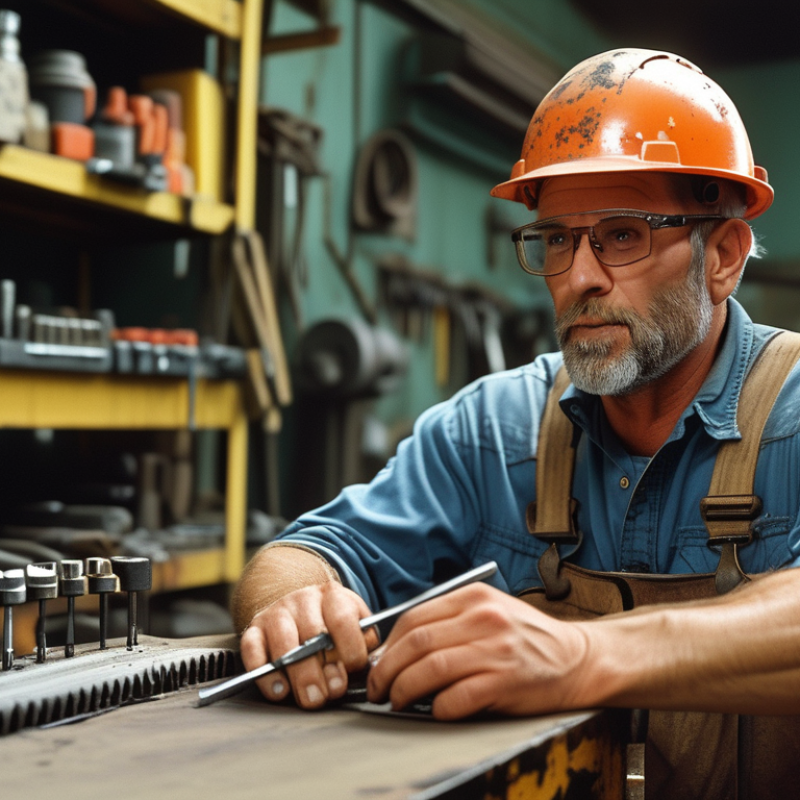
What is the best way to extend tool lifespan effectively?

Best Practices for Tool Maintenance to Extend Lifespan

Regular maintenance can effectively extend the lifespan of your tools. One fundamental practice is cleaning. After each use, wipe down tools to remove dust and debris. This prevents corrosion and build-up that can lead to diminished performance. For power tools, specifically, ensure that vents and cooling systems are free of obstructions.

Lubrication is another key factor. Tools often have moving parts that require oiling. A light application of lubricant can prevent wear and reduce friction. However, over-lubricating can attract dirt. Strike a balance to keep tools functioning optimally. Paying attention to this detail can save you from frequent replacements.

Storage conditions matter too. Keeping tools in a dry place reduces the risk of rust. Consider using toolboxes or racks that prevent unnecessary exposure to moisture. Reflect on your storage habits; are they keeping tools in peak condition? These steps may seem simple, yet they can significantly impact longevity. Regular checks and calibrations can discover potential issues early, allowing for timely repairs. Neglecting small problems can lead to larger, costlier ones down the line.

Importance of Regular Inspections and Preventative Maintenance

Regular inspections and preventative maintenance play a crucial role in extending tool lifespan. Industry studies show that proper maintenance can lead to a 30% increase in tool durability. Neglecting routine checks may result in serious performance issues and costly replacements. In manufacturing, a reported 20% of tools fail due to lack of maintenance. This statistic emphasizes the need for a systematic approach.

Conducting regular inspections can uncover early signs of wear. Look for cracks, rust, or discrepancies in performance. These issues may signal that maintenance is needed. Keeping a log of inspections can help track tool condition over time. This practice ensures that no detail goes unnoticed and helps in planning proactive actions.

Preventative maintenance should not be overlooked. Scheduling consistent maintenance checks can reduce the risk of unexpected breakdowns. Implementing a maintenance schedule based on usage patterns can optimize tool life. Remember, even the most resilient tools require care. Ignoring small issues could result in significant damage. Prioritizing regular maintenance will ultimately save time and costs in the long run.

Impact of Proper Storage Conditions on Tool Durability

Proper storage conditions significantly influence the lifespan of tools. According to a report by the Tooling and Manufacturing Association, tools stored in a controlled environment have a 30% longer durability than those kept in variable conditions. A constant temperature between 60-70°F (15-21°C) protects tools from thermal expansion and contraction. Humidity control is equally crucial. Excess moisture can lead to corrosion, reducing tool efficacy.

Choosing the right storage location matters too. Tools in direct sunlight degrade faster. The UV rays can weaken materials over time. A dark, dry space is ideal for preserving cutting edges. Reports indicate that proper organization in the storage area can prevent accidents and damage. Misplaced tools often lead to wear and tear, and a chaotic storage environment can become dangerous.

Reflecting on storage habits reveals areas for improvement. Many professionals overlook basic organization. Regular cleaning and maintenance can prevent rust and residue buildup. However, not everyone prioritizes these simple practices. Investing in quality storage solutions may seem expensive upfront, but the long-term benefits often outweigh these initial costs. Implementing these strategies could mean the difference between frequent replacements and extended tool lifespans.

How Material Selection Influences Tool Longevity

Material selection plays a critical role in extending the lifespan of tools. Different materials have unique properties that can affect durability, sharpness, and overall effectiveness. For instance, high-speed steel is often favored for its hardness and resistance to wear. However, it might not perform as well in high-temperature environments. This limitation can lead to quicker tool degradation.

On the other hand, carbide materials excel in heat resistance and can maintain their shape longer under stress. Yet, they are more brittle, making them prone to chipping under heavy impact. These trade-offs illustrate the complex decision-making involved in material selection. Choosing the wrong material may result in increased costs and inefficiencies.

Moreover, the manufacturing process significantly impacts tool performance. Even the best material can fall short if not processed correctly. Steps like heat treatment, surface coating, and sharpening techniques are crucial. An improper approach can compromise tool integrity, leading to premature failure. It's essential for manufacturers and users alike to evaluate not just the material but also the entire lifecycle of the tool.

What is the best way to extend tool lifespan effectively? - How Material Selection Influences Tool Longevity

Material Type Hardness (HRC) Wear Resistance (mm3/N) Tensile Strength (MPa) Typical Applications
High-Speed Steel (HSS) 64 2.5 2000 Drills, End Mills
Carbide 80 1.2 3500 Cutting Tools, Inserts
Coated Carbide 85 0.8 4000 Drilling, Milling
Cermet 70 1.5 2500 Turning, Finishing

Industry Standards and Metrics for Measuring Tool Lifespan

Measuring tool lifespan is essential for optimizing performance and reducing costs in manufacturing. Industry standards help establish benchmarks for evaluating tool longevity. The American National Standards Institute (ANSI) suggests that a tool's lifespan should be measured based on its usage cycles. According to a 2022 report from the National Institute of Standards and Technology (NIST), proper maintenance can increase tool lifespan by up to 30%.

Metrics such as Mean Time Between Failures (MTBF) and tool wear rate are crucial in assessing tool durability. MTBF reveals the average operational time between breakdowns. A notable study indicated that tools with an MTBF of 1,000 hours could achieve an operational efficiency increase of nearly 12%. Tool wear rate, measured in micrometers per cycle, also provides insights into how materials degrade over time.

While these metrics are beneficial, they are not foolproof. Factors such as environmental conditions and operator skill can significantly affect tool lifespan. Unexpected breakdowns may occur despite adhering to industry standards. Continuous monitoring and adjustments to maintenance protocols are necessary to address these unpredictable variables and improve overall tool performance.

FAQS

: How does proper storage affect tool durability?

: Proper storage can extend tool lifespan by 30% compared to variable conditions.

What temperature range is ideal for tool storage?

A constant temperature between 60-70°F (15-21°C) is best for tools.

Why is humidity control important for tools?

Excess moisture can cause corrosion, which reduces tool effectiveness significantly.

Where should tools be stored to prevent degradation?

Store tools in a dark, dry area away from direct sunlight to protect them.

How can organization in storage affect tools?

A disorganized storage area increases the risk of accidents and damages tools.

What common oversight do professionals make regarding tools?

Many overlook regular cleaning and maintenance, which can lead to rust buildup.

Do material choices impact tool longevity?

Yes, different materials affect durability, sharpness, and effectiveness; the wrong choice can be costly.

How does manufacturing affect tool performance?

Even quality materials need proper processing to ensure tool integrity and longevity.

What is a drawback of high-speed steel?

High-speed steel may wear out faster in high-temperature environments.

What is a challenge with carbide materials?

While they resist heat well, carbide materials can chip easily under heavy impact.

Conclusion

In exploring what is the best way to extend tool lifespan, it is essential to focus on best practices for tool maintenance. Regular inspections and preventative maintenance play a crucial role in identifying issues before they escalate, ensuring tools operate optimally. Furthermore, proper storage conditions significantly impact tool durability; tools should be kept in environments that minimize exposure to moisture and extreme temperatures.

Material selection is another vital element influencing tool longevity. Choosing the right materials that are suited for specific applications can enhance performance and resistance to wear. Additionally, adhering to industry standards and metrics for measuring tool lifespan can provide valuable insights into maintaining and extending the usable life of tools. By implementing these strategies, individuals and organizations can effectively extend the lifespan of their tools.

Oliver

Oliver

Oliver is a seasoned marketing professional with a wealth of expertise in driving brand awareness and engagement. With a deep understanding of our company's product offerings, he consistently delivers high-quality content that enriches our professional blog. His insights not only shed light on......